
A stubborn shutoff valve can slow you down when you’re fixing a leak or swapping fixtures. Replacing it with supplies from Home Depot is a task most homeowners can handle with the right plan. This guide walks you through the process with clear steps, practical tips, and safety reminders so you can finish the job with confidence.
If you’re taking on this project, you’ll want to know what kind of valve you have and what tools to gather. The goal is a snug seal, reliable shutoff, and a setup that lasts for years.
How to identify your valve and plan the replacement
Shutoff valves come in several styles. The most common for sinks, toilets, and appliances are straight stops and angle stops. A straight stop connects to the pipe in a straight run, while an angle stop bends the flow to the side. Valves can be compression type, which use a ferrule and nut to seal, or sweat (soldered) type, which require heat to join copper pipes. Some newer homes use push fit or quick connect options, but most DIY replacements from Home Depot fall into basic compression or sweat fittings.
Before you shop, measure the pipe size. Most residential shutoffs are 1/2 inch or 3/4 inch. If you replace with a valve that isn’t the same size, it may not seal properly. Also check the pipe material. Copper pipes pair with compression or sweat valves; brass and steel valves work with threaded pipes. When in doubt, bring a sample or a photo to the store. Home Depot associates can verify compatibility and help you pick the right valves and fittings.
What you’ll need to gather
- Replacement valve that matches pipe size and connection type (compression or sweat for copper; push-fit for plastic or flexible lines)
- Two adjustable wrenches or a wrench and pliers
- Teflon tape (pipe thread seal tape) for threaded connections
- Pipe dope or joint compound for additional sealing on threaded fittings
- Pipe cutters or a fine-tooth hacksaw if you must cut copper pipe
- Deburring tool or sandpaper to smooth cut edges
- Bucket, towels, and rags to catch water
- Replacement supply line if the old one is worn
- Hairpin or small magnetic pickup for dropped bits (optional)
- Safety glasses for eye protection
Image to anchor the concept
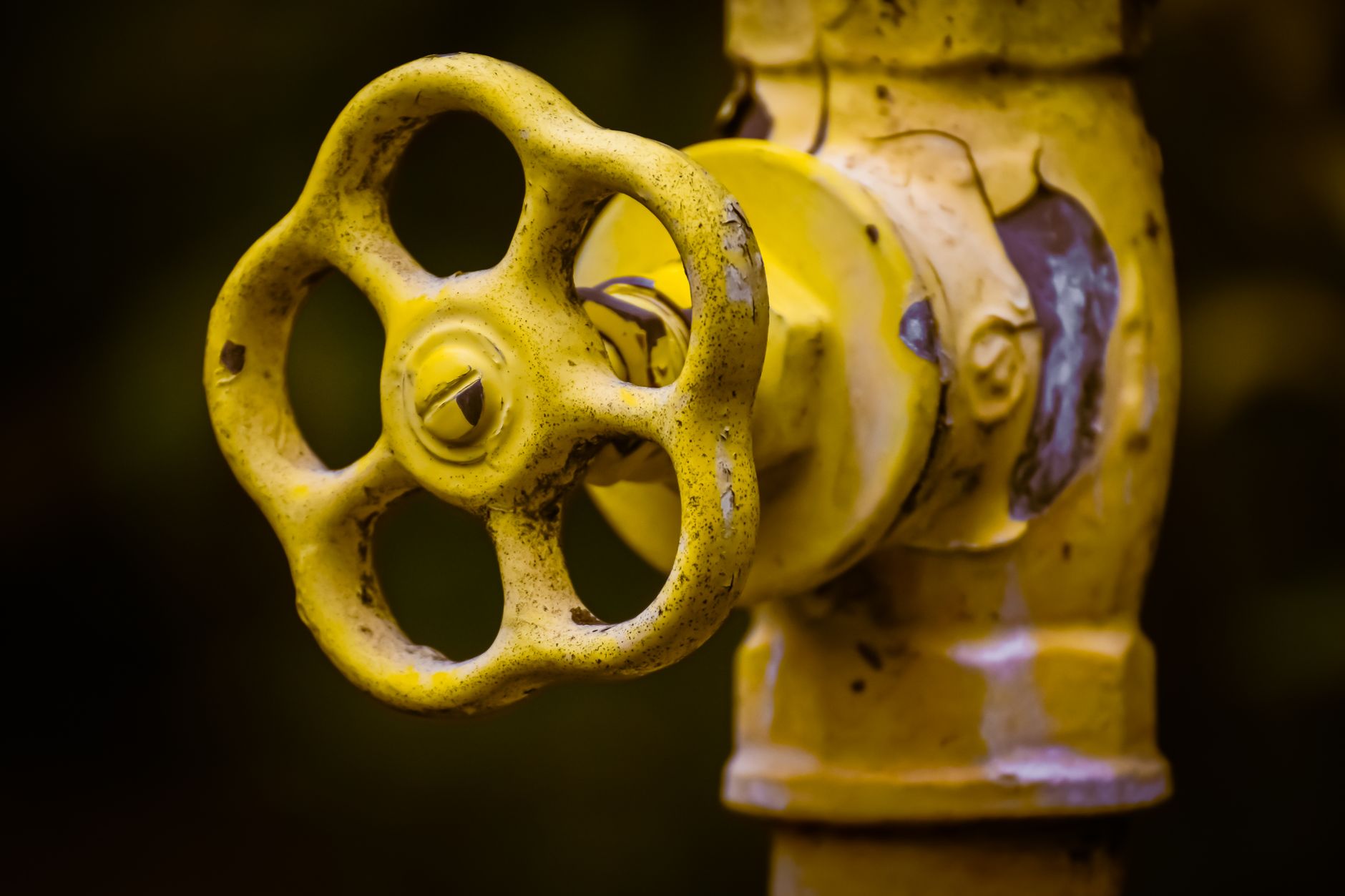
Photo by Alexas Fotos
Prep and safety considerations
Turn off the main water supply first. This step protects you from a flood if the valve is located on a primary line or near a larger fixture. Open a nearby faucet to relieve pressure and drain the line. If you can’t locate the main shutoff, plan for a potential water spill and have towels ready.
Clear the area around the valve. Move items away from the cabinet or wall so you have room to work. Keep a bucket handy for water and a rag for quick cleanups. If the valve is in a tight space, you may need a shorter wrench or a flexible line to reach comfortably.
Choosing the right Home Depot supplies
Your choice comes down to how the pipe is joined to the valve and the pipe material. Here are practical rules to help you pick:
- Compression valves work well on copper or plastic supply lines. They need a compression nut and ferrule to seal. The ferrule compresses onto the pipe as you tighten the nut.
- Sweat valves require heating with a torch and flux for copper pipes. This method creates a permanent seal and is common on older homes.
- Push-fit or quick-connect valves offer a no-solder option. They press onto the pipe with a built-in gasket. These are convenient in tight spaces but may have limits on reuse and pipe material.
- Match the size. If the pipe is 1/2 inch, choose a 1/2 inch valve. Be mindful of markings on the valve body that indicate the size and type.
- Consider the convenience of a ball valve. A quarter-turn ball valve provides a rapid shutoff and is easy to operate.
If you’re unsure, ask a Home Depot specialist to confirm compatibility with your pipe type and the fixture you’re replacing. It’s worth a quick check to avoid a second trip.
Step by step: replacing the shutoff valve
There are two common paths depending on whether you’re installing a compression valve or a sweat valve. Choose the method that matches your pipe and the valve you bought.
A) Compression valve replacement
-
Shut off water and drain. Close the main valve and then open the faucet to drain residual water. Have a bucket ready.
-
Loosen the old valve. Place one wrench on the valve body to hold it steady. Use the second wrench to loosen the pipe nut on the supply line. If the valve is stubborn, apply a little penetrating oil and regain grip after a few minutes.
-
Remove components. Once the compression nut is loose, slide it back along the pipe and remove the old valve along with the ferrule.
-
Prepare the pipe. Clean the pipe end with a cloth. Use a deburring tool or sandpaper to smooth any rough edges. This helps the new compression ring seal properly.
-
Install the new valve. Slide the new compression nut onto the pipe, followed by a new ferrule. Position the valve, then tighten the nut by hand and finish with a wrench. Avoid over-tightening which can crease or crack fittings.
-
Attach the supply line. If you’re reusing the supply line, thread it into the valve’s inlet, wrap the threads with Teflon tape, and tighten. If you’re using a new line, install the nut and tighten securely.
-
Check for leaks. Slowly turn on the main water supply, then open the valve. Listen for dripping and inspect the joints. If you see a leak at the threads, tighten a touch more. If the leak persists, recheck the ferrule seating and the nut torque.
B) Sweat valve replacement (copper pipe)
-
Prepare to cut. If the existing valve is soldered, you’ll likely cut it out. Place a bucket under the area and cut the copper pipe with a copper pipe cutter right next to the valve.
-
Clean and deburr. After removing the valve, clean the pipe ends. Remove any copper burrs so the new valve seats evenly.
-
Apply flux and fit the new valve. Coat the pipe ends and the valve socket with flux. Position the new valve and fit it to the pipes.
-
Solder the joints. Heat with a torch and apply solder where the pipes meet the valve. Allow the joint to cool before testing.
-
Restore water and check. Open the main supply and test the joint for leaks. If you see any telltale signs, re-tin and re-solder or tighten the joint as needed.
-
Final touch. Connect the supply line, wrap with Teflon tape on threaded connections, and tighten. Recheck for leaks with water running at a slow pace.
Note for mixed materials
If you are joining copper to a plastic or steel pipe, you’ll need a transition fitting. Home Depot carries adapters that convert copper to PEX or CPVC using compression or crimp rings. Select the correct size for both ends and follow the manufacturer’s torque guidelines to prevent leaks.
Common issues and quick fixes
Leak at the joint after replacement
- Ensure threads are clean and free of old tape or epoxy.
- Reapply Teflon tape, clockwise, and snug the connection with a wrench. Avoid overtightening.
Valve won’t shut off fully
- Check for debris inside the valve seat. Gently twist the valve knob while pushing or pulling to seat it.
- If the valve is old and corroded, replacing the valve again or using a different valve type can fix the problem.
Drips after turning on water
- A common cause is a loose connection. Re-tighten the nut or check the ferrule seating in compression joints.
- If you used solder, inspect the joint for a cold weld. Rework the joint if necessary.
Maintenance tips for longer life
- Inspect valves annually. Look for rust, corrosion, and leaks. A quick check saves bigger problems later.
- Replace worn supply lines at the same time as the valve. Worn hoses or braided lines can fail just as the valve does.
- Label every shutoff you touch. A simple tag helps you act quickly during a future issue.
What Home Depot supplies bring to the table
- A selection of valve types ensures you can match the pipe and the space you’re working in.
- A broad range of connectors, from compression nuts to transition fittings, makes it easier to handle different material pairings.
- Tools and accessories beyond the valve itself help you complete the job in one trip. This includes pipe cutters, deburring tools, and thread seal tape.
Technique tips to improve your success rate
- Use two wrenches instead of one. One to hold the pipe and one to turn the nut. This prevents twisting on the pipe and helps avoid leaks.
- Don’t rush the soldering process. Clean surfaces well, heat evenly, and let the joint cool naturally.
- Always test the system with water off and pressure released. Then inspect all joints under a light flow condition to confirm a clean seal.
A quick check before you head to the store
- Confirm the pipe size on the current valve end. Look for numbers like 1/2″ or 3/4″ on the valve body.
- Decide if you want a quick release option or a traditional valve. Quick release models are convenient for future maintenance but may cost a bit more.
- If you’re unsure about sweating copper, consider a compression valve. It’s simpler for most home projects and still durable.
A longer view: how this choice fits your home
Replacing a shutoff valve is a small job with big impact. It protects your home from leaks and water damage and simplifies future repairs. When you buy at Home Depot, you gain access to a wide range of parts and knowledgeable staff who can help you pick the right valve for your pipe type. This approach reduces guesswork and helps you finish with confidence.
Common mistakes to avoid
- Choosing the wrong size or connection type. Always check the pipe diameter and end connections before buying.
- Skipping a test after installation. Do not assume the seal is perfect; leak checks are essential.
- Over-tightening threaded connections. It can crack fittings or strip threads. Tighten until snug, then give a small additional turn if needed.
Conclusion: get it done right with the right approach
Replacing a shutoff valve using Home Depot supplies is a practical, doable project for many homeowners. With the right valve type, compatible fittings, and careful testing, you’ll restore control over your water supply and improve the reliability of your fixtures. Start by identifying the valve type, gathering the proper tools, and choosing a matching valve. Then follow a method that fits your pipe material and connection style. A little planning, patient work, and a thorough leak check will pay off with years of dependable service. If this guide helps you feel more confident, you’re ready to tackle the task and keep your home safe and dry.
Extra notes for success
- Keep a small toolkit in a cabinet so future repairs are quicker.
- Take a quick photo of the old setup before you begin. It helps when you reinstall the new valve.
- If you hit a snag you don’t feel comfortable with, don’t hesitate to call a licensed plumber. It can save you time and prevent water damage.
In the end, your home deserves a valve that seals reliably and lasts. With the right Home Depot supplies and a calm approach, you’ll finish with results you can trust.