She Pressed Play on a Strange Audio Track and Within Days Her Financial Reality Started Shifting in Ways She Could Not Explain
>>> See How It Works <<<

We all know that moment when the first light in the house nudges you to check your phone, and suddenly the morning drags on as notifications pile up. It feels harmless at first, a quick glance that stretches into a longer scroll. But that pattern adds up, and the day starts with a decision you didn’t even realize you were making.
If you asked most people how much time they spend on their devices, you’d hear a familiar number. The average adult spends about 3.5 hours per day on their smartphone, and that adds up fast over a week, a month, a year. This isn’t just a nuisance; it can sap focus, wobble sleep, and drift into the moments we’d rather spend with people we care about.
The goal here isn’t to quit cold turkey or abandon the things you love. Instead, we’ll look at practical ways to reduce screen time without losing what you enjoy or the connections you rely on. Small shifts can compound into real gains, from steadier mornings to better evenings and deeper conversations with loved ones.
Think of this as a toolkit you can adapt. You’ll learn quick, doable steps that fit real life, not drastic rules that break on day one. We’ll cover simple habits, smarter device use, and smarter times to reach for your phone, so technology stays a help, not a hindrance.
There Is a Frequency That the Wealthiest Families Have Used for Generations and Most People Will Never Know It Exists
>>> Open the Door <<<

By the end, you’ll have a clear plan you can start today. A few tweaks, a few boundaries, and a more intentional relationship with your device. Ready to move toward calmer days and sharper focus? The steps ahead lay out exactly what to do, step by step.
Spot the Signs of Your Phone Habits
Understanding how you use your phone helps you regain control without giving up the things you love. This section highlights common signals that your device has become a bigger part of your day than you might realize. Look for patterns, not single moments, and remember that small awareness is the first step to change.
Common Signs You Rely Too Much on Your Phone
- Scrolling in bed: you reach for your phone as soon as you wake and again before sleep, pulling you into a midnight scroll. This can push your bedtime later and disrupt your sleep cycles. See how frequent midnight checks map to restless nights and tired mornings. For more on how sleep and phone use connect, check out reputable guidance on phone use and sleep health.
- Distant from people nearby: you’re mid‑conversation with a friend or partner yet glued to the screen. The momentary glance becomes a habit, making people feel unseen. This pattern quietly erodes quality time and shared moments.
- Forgetting tasks and responsibilities: you plan to complete chores or errands, but the phone pulls you away with notifications or quick “one more article” detours. Over time, delaying tasks can create a backlog and stress.
- Difficulty focusing on work or study: attention bounces between apps, and messages interrupt deep work. This is more than a nuisance; it can lower productivity and raise frustration.
- Notifications dictate pace: every ping becomes a cue to respond, even if you’re in the middle of something important. This can fracture focus and increase anxiety.
Self-check quick quiz:
- Do you check your phone within five minutes of waking up? (Yes / No)
- Do you use your phone during meals or conversations? (Yes / No)
- Have you missed an appointment or deadline because of scrolling? (Yes / No)
- Do you feel uneasy when you’re without your phone for a few hours? (Yes / No)
If you answered Yes to any two questions, it’s a sign to pause and reassess. Prolonged phone use can contribute to poor sleep, strained relationships, and extra stress, but small changes can flip the script. For context, see resources on smartphone use and health for guidance and strategies.
Why this matters
Recognizing these signs is not about restriction. It’s about reclaiming time for what matters most, like sleep, conversations, and focused work. Small wins add up quickly and create momentum for healthier daily rhythms.
Quick reference links
- Signs and health effects of phone use: https://www.verywellhealth.com/phone-addiction-5218743
Why Tracking Helps You Take Control
- Tracking steps illuminate real habits. Start with the basics, then layer in smarter controls as you grow more confident. See your data, not just your feelings, to understand patterns clearly.
- A typical screen time report shows total daily usage, per‑app time, and unlock frequency. Interpreting this data helps you decide where to cut back first. If you see a large chunk of time spent on a single app, consider setting a gentle cap or scheduled breaks.
- Begin with small changes. For example, set a 30‑minute daily limit on casual scrolling and allow yourself to reset the timer if you need more time for a specific task.
- Built‑in features matter. Smartphones offer screen time and wellbeing tools that provide useful data and simple controls. They’re not traps; they’re aids to help you stay in command of your day.
- Use the data to shape routines. Replace habit loops with intentional pauses, like a short walk or a quick stretch between tasks.
Relevant sources provide practical guidance on monitoring and reducing screen time, including how to use built‑in tools on Android and iPhone. Consider starting with a basic report today, then adjust as you become more comfortable with the process.
- Android Digital Wellbeing setup and basics: https://support.google.com/android/answer/9346420?hl=en
- Use Screen Time on your iPhone and iPad: https://support.apple.com/en-us/108806
Set Simple Daily Limits That Stick
Small, steady limits make a big difference. The goal is to keep the good parts of smartphone use while trimming the habits that creep in too easily. In this section you’ll learn practical ways to set simple daily caps, handle overrides, and track progress so the changes actually stick.
Use Screen Time Limits for Top Apps
Start by choosing a few apps that tend to swallow your day, like social media or video apps. Set a gentle daily limit and enable warnings before you hit it. The idea is to create a clear signal that it’s time to pause, not to block every moment of use. If you find yourself hitting the limit early, try tiered limits: a lower daily cap with longer reset periods, or allow a longer block for a specific task and revert afterward. Real progress comes from consistent boundaries, not dramatic resets. For iPhone users, the built in Screen Time feature makes this straightforward; you can set schedules with Screen Time and manage how time is spent across apps. Learn more about setting up Screen Time here: https://support.apple.com/guide/iphone/set-schedules-with-screen-time-iphb0c7313c9/ios. If you’re on Android, Digital Wellbeing offers app timers you can adjust daily. See how to manage Android time here: https://support.google.com/android/answer/9346420?hl=en. A practical example: you set a 45 minute daily limit for social apps, with a one time reset available for a specific project. Track your usage for a week and notice how often you hit the limit mid task versus during casual scrolling. This awareness helps you fine tune the numbers so they feel fair and doable.
Photo by Hannah Barata
Create No-Phone Zones at Home
Establish spaces where phones stay out of sight, especially during critical moments like meals, bedtime, and family time. A simple rule can be enough: no phone in the bedroom, at the dinner table, or in the bathroom. Consider a charging station in a common area so devices land somewhere predictable instead of in pockets or hands. If you live with others, set a family rule for no phones during meals or during a short family activity. These zones reduce the brain clutter that builds up from constant connectivity and improve relaxation and sleep quality. You can also post a friendly reminder near the door or on the fridge to reinforce the routine. When everyone buys in, the no-phone zones become a shared habit rather than a personal struggle. For ideas on creating a tech free home, check out resources on no-phone zones and their benefits: https://detoxaic.com/blog/creating-a-technology-free-zone-at-home-benefits-and-how-to/. For practical tips on building a digital detox zone at home, see https://verizon.com/about/parenting/digital-detox-zone. Embracing these spaces helps you reset routines, clear mental fatigue, and return to moments with more presence and focus.
Swap Phone Time for Fun Real-Life Activities
Short, deliberate breaks from the screen can recharge your energy and sharpen your focus. This section helps you replace mindless scrolling with quick, satisfying real-life activities that fit into a busy day. You’ll find ready-to-use ideas and a simple reward approach that keeps you motivated without feeling strict or punitive. The goal is to shift your routine just enough to make real-life moments more appealing than your phone.
Quick Activities to Fill Scroll Gaps
When you feel the urge to scroll, grab something you can finish in under 10 minutes. These activities are designed to be easy to start, even on a tight schedule, and they offer an instant mood lift.
- Stretching burst: 5 minutes of gentle moves to wake your body and brace for the next task.
- Quick chat with a family member: 5–8 minutes of light conversation that reinforces connection.
- Doodle or color for fun: 5–7 minutes of free drawing to quiet the mind.
- Tidy a small space: 7–10 minutes of desk or counter organization to create momentum.
- 5-minute walk around the block: Fresh air boosts mood and clarity.
- Micro-mardibility moment: jot one thing you’re grateful for in a notebook.
- Micro-break meditation: a 4–6 minute breathing exercise to reset attention.
- Hydration and snack swap: a quick glass of water plus a healthy snack to fuel focus.
Mood boosts you can count on include short activities that lift energy and mood in minutes. For practical quick mood boosters, see trusted guides like mood-boosting ideas from reliable sources: NPR’s quick mood boosters and five-minute mood practices. These ideas pair well with the activities above and make it easier to choose real-life actions over another screen moment.
- https://www.npr.org/2024/10/16/g-s1-27725/comic-science-backed-mood-boosters-to-almost-instantly-snap-you-out-of-a-funk
- https://www.mequilibrium.com/resources/5-minute-mood-boosters/
To keep this section actionable, pick 2–3 activities you genuinely enjoy. Keep a small card in your bag or a note in your phone that lists these options with estimated times. That way, when the urge to scroll hits, you can glance at the list and pick the quickest path to a small reward.
Build a Reward System for Phone Breaks
A simple, forgiving reward system gives you motivation without turning every break into a bargaining session. The idea is to celebrate short, productive pauses and let slip-ups teach you what to tweak next.
- Create a tiny tracking chart: mark off days when you successfully take a phone break for a set period. Even a few days in a row builds momentum.
- Earn easy rewards: after a streak, treat yourself to something enjoyable like a coffee or a favorite snack. The reward should feel satisfying but not excessive.
- Plan for slip-ups: if you miss a break, log it honestly and adjust the plan. A flexible approach reduces frustration and supports long-term change.
- Focus on long-term shifts: each small win compounds into better attention, calmer evenings, and more meaningful conversations.
If you want guidance on a kid-friendly approach to reward systems for screen time, you can explore practical ideas and apps designed to reduce phone use. For example, apps that help you build better digital habits while keeping the experience positive are highlighted in user-centric discussions and reviews.
- https://wearefounders.uk/best-apps-to-reduce-phone-addiction-take-back-control-of-your-screen-time/
- https://apps.apple.com/us/app/unrot-earn-your-screentime/id6746537171
By using a chart that tracks days off the phone and small, tangible rewards, you create a reinforcing loop: break patterns lead to pleasant outcomes, which makes future breaks easier. This approach works whether your goal is more time for family, hobbies, or simply a quieter mind after work. If you want a ready-made framework, there are simple, no-fuss reward systems that families have used to great effect, including easy-to-implement charts and gentle incentives.
- https://www.homestoriesatoz.com/tips-2/easy-no-fuss-screen-time-reward-system.html
In your daily life, remember that the point is to reclaim control without craving a perfect, dramatic change. A small chart, a few rewards, and a willingness to adjust as you learn will steadily shift how you spend those precious minutes away from the screen and toward real-world moments.
Leverage Phone Tools to Curb the Habit
Small, targeted tweaks in your phone’s settings can do a lot of heavy lifting. By using built-in tools and a few mindful adjustments, you can reclaim time without giving up the apps and features you rely on. This section focuses on two practical tweaks: turning your screen grayscale to reduce pull and tightening notifications so they don’t hijack your attention. Apply these changes for a week and assess how your days feel with fewer visual temptations and fewer interruptions.
He Was Drowning in Bills and Burnout Until a Simple Daily Ritual Rewired His Brain for Wealth in Less Than a Week
>>> Start Your Shift Today <<<

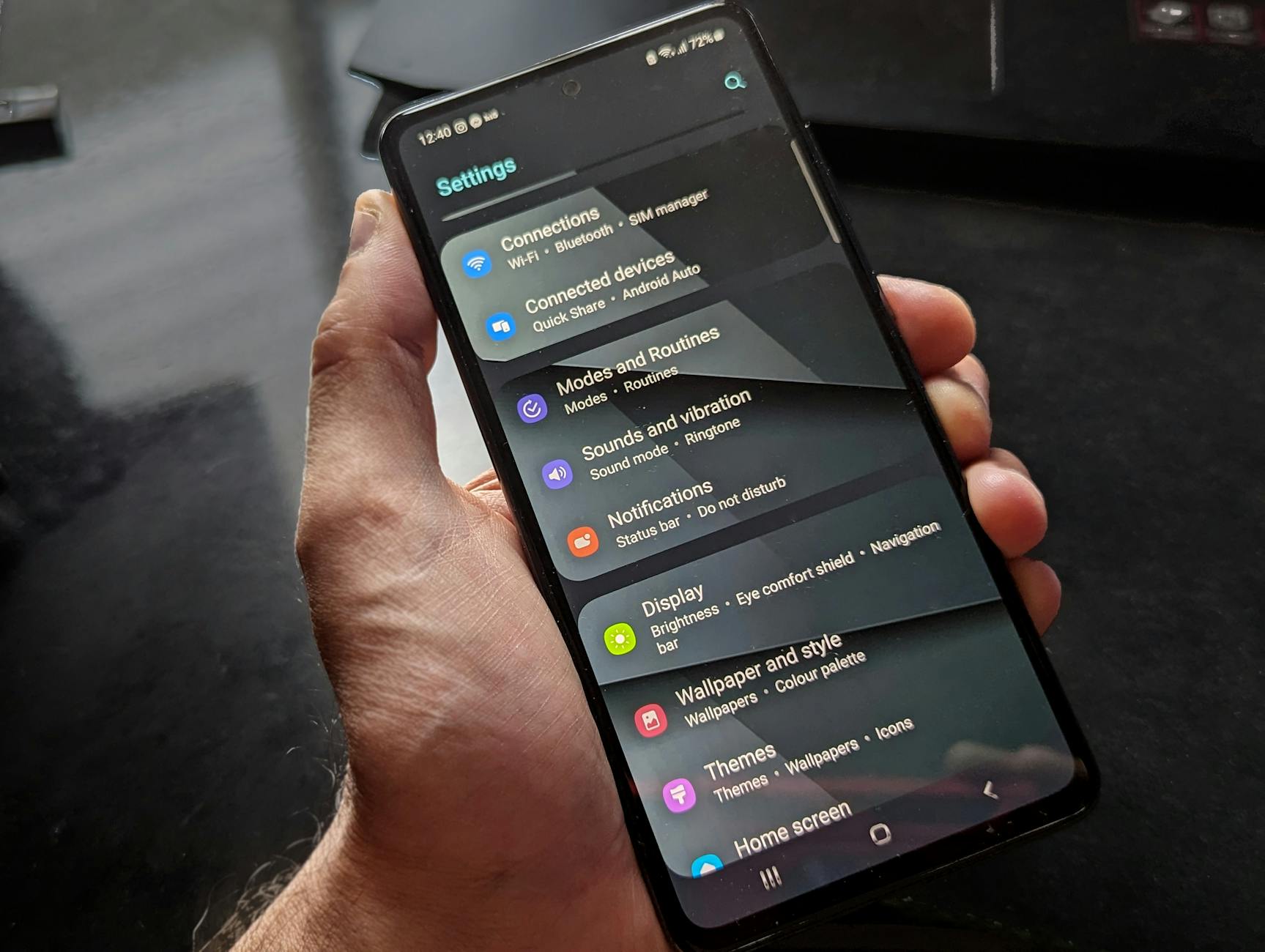 Photo by Watford London Media
Turn Your Screen Grayscale for Less Pull
Transition your iPhone or Android display to grayscale. The change dulls the color vibrancy that hooks the eye and makes phone use less appealing for casual browsing. On iOS, open Settings > Accessibility > Display & Text Size > toggle on Color Filters, then select Grayscale. On Android, navigate to Settings > Accessibility > Visibility enhancements > Grayscale (or a similar path, depending on your device). Test for a week and notice how the lack of color makes scrolling less enticing. For more context on why grayscale can curb pulling behavior, see discussions on color and the brain, and practical guides that walk you through the setup. How grayscale helps reduce phone addiction
Thousands of People Were Struggling With Money Until They Discovered This One Ancient Secret Hidden in Sound
>>> Unlock It Now <<<

- Why it helps: colors trigger dopamine loops that drive quick returns to apps.
- Quick test: if you don’t miss essential visuals, you’ve found a simple adjustment that sticks.
- Pro tip: pair grayscale with a fixed home screen layout to reduce incidental taps.
If you want a broader take on grayscale and behavior, you can explore perspectives from lifestyle and tech outlets. For a practical how-to, see How to Change Your iPhone Screen to Grayscale (Black + White) and a deeper look at the concept in real life settings. Grayscale on iPhone perks
Create No-Phone Zones at Home
Establish spaces where phones stay out of sight during meals, bedtime, and family time. A simple rule can be enough: no phone in the bedroom, at the dinner table, or in the bathroom. If you live with others, set a family rule for no phones during meals or during a short family activity. These zones reduce brain clutter and improve relaxation. Place a charging station in a common area so devices land somewhere predictable. When everyone buys in, the no-phone zones become a shared habit rather than a personal challenge. For ideas on building a tech-free home, check resources that outline the benefits of no-phone zones. Creating a technology free zone at home and practical tips for a digital detox zone. Digital detox zone tips
Tame Notifications Once and For All
Notifications are designed to grab attention. Taming them means batch control, quieting groups, and per app customization. Start by turning off nonessential alerts, then batch similar notifications to reduce interruptions. For iOS, consider disabling notification previews, grouping by app, and turning on Do Not Disturb during focused work. On Android, use Digital Wellbeing or a dedicated notification manager to mute or silence groups and set per‑app limits. The goal is a calmer mind and fewer constant ping reminders. Result: you regain control over your time and attention. For quick reference, see guidance on managing notifications for both platforms. Control notifications on Android and How to customize notification settings on iOS devices
Track Progress and Stay Motivated Long-Term
Keeping momentum on your journey to reduce phone addiction without quitting is a practical, ongoing effort. This section shows how to track results, stay motivated, and push through bumps so the small wins become lasting habits. Think of it as steering a long road trip: you measure the route, celebrate milestones, and adjust as you go.
Track progress in simple, meaningful ways
Regular tracking turns vague intentions into concrete steps. Start with a two-week sprint where you log:
- Daily screen time totals
- Time spent on your three most used apps
- Number of times you pick up your phone before a task
Use these numbers to guide changes, not punish you. The goal is clarity, not guilt. When you see patterns, you’ll know where to focus—perhaps a morning scroll habit or a long evening binge. Built-in tools on most phones can generate quick reports, but you can also jot notes in a small journal for a human touch. For a broader perspective on practical tracking methods, explore resources like practical guides on reclaiming time from phone use. Phone Addiction Is Real: Here’s How to Reclaim Your Time
Make progress visible to reinforce your efforts
A visible record acts like a coach in your pocket. Create a simple dashboard you can glance at every morning. Include:
- A big, achievable weekly goal (for example, reduce non-work scrolling by 15 minutes daily)
- A weekly reflection on what changed and what surprised you
- A tiny reward you’ll earn if you hit the target
Visible progress reduces the mental math of self-control. It also provides a reason to celebrate small wins, which raises motivation and confidence. If you’re unsure where to start, study how top performers use lightweight progress tracking in daily routines. For example, interactive articles discuss methods to cut screen time and reallocate those minutes to meaningful activities. How to Reduce Screen Time: Tips to Put Your Phone Down
Set milestones that feel doable
Big goals stall when they feel distant. Break your plan into clear, incremental milestones. For instance:
- Week 1: Establish a 30-minute daily limit on casual scrolling
- Week 2: Create two no-phone zones at home
- Week 3: Replace one 15-minute scrolling block with a real-life activity
- Week 4: Have one device-free evening per week
Mark each milestone as “done” or “adjusted” and reflect on what helped or hindered you. Milestones give your brain frequent dopamine hits for progress, which keeps motivation alive without extra willpower. If you want a simple framework, look into minimal, no-fuss reward systems that families use to sustain change. 7 Proven Ways to Break Your Cell Phone Addiction
Stay motivated with both intrinsic and practical nudges
Motivation thrives when the goal aligns with your values and daily life. Pair inner purpose with practical nudges:
- Remind yourself why you started, in one sentence that fits on a sticky note
- Schedule intentional phone breaks at natural rhythm points (after finishing a task, between meetings)
- Create short, appealing alternatives you actually enjoy
A mix of meaning and habit science keeps you moving even when willpower wanes. If you’re curious about broader guidance on digital health and motivation, there are thoughtful reads that connect mood, focus, and daily choices. How to Do a Digital Detox From Your Phone
Handle plateaus without losing momentum
Stable progress sometimes gives way to plateau moments. Here are practical ways to move past them:
- Reassess your limits: a limit that’s too strict can backfire. Dial it back a notch or adjust the reset rules.
- Introduce a new trigger: pair a small, enjoyable ritual with a phone break, like a 2-minute stretch or a quick breath practice.
- Add variety: swap one familiar app for a healthier alternative during the day, such as a productive or creative activity.
Plateaus are a signal to tune your approach, not give up. They often mean you’re ready for the next level of consistency. For guidance on maintaining balance after a digital shift, see practical discussions on sustaining phone use changes over time. Phone Addiction Is Real: Here’s How to Reclaim Your Time
Use accountability and social support wisely
A reliable support system boosts long-term success. Consider these options:
- Pair up with a friend or family member for weekly check-ins
- Join a local or online group focused on healthier tech habits
- Share your milestones publicly or with your circle to widen accountability
Remember, accountability should feel supportive, not judgmental. The aim is to keep you moving toward your better days while still enjoying the tools you rely on. If you want ideas on building this kind of support, explore articles that discuss practical approaches to digital well-being and accountability. How to Reducing Screen Time Without Quitting
Stay curious about your own data
Treat your smartphone data like a map, not a verdict. Look for:
- Times of day when you’re most drawn to the phone
- Which tasks are most interrupted by notifications
- The impact of changes you’ve made on sleep, mood, and focus
Use these insights to fine-tune your plan. If a tactic stops delivering results, swap it out for something that fits better with your routine. This ongoing learning loop keeps you engaged and in control. For broader context on how monitoring helps behavior change, you can read practical guides that combine data with daily life. 7 Proven Ways to Break Your Cell Phone Addiction
Practical example: a two-week checkpoint
- Days 1–3: Establish a 30-minute daily cap on casual scrolling
- Days 4–7: Add two no-phone zones at home
- Days 8–11: Replace one 15-minute scrolling block with a 10-minute walk
- Days 12–14: Review progress, adjust limits, and set a fresh milestone
By the end of the period, you’ll have a clearer view of what works and what needs tweaking. The goal is steady improvement, not perfection. For further ideas on practical, realistic progress tracking, check guides that emphasize actionable steps and measured outcomes. 7 Proven Ways to Break Your Cell Phone Addiction
External links are provided to deepen understanding and offer additional strategies. They complement the steps in this section and help you tailor progress tracking to your life. If you want more inspiration on staying motivated long term, consider checking resources that discuss mindful tech use and sustainable change. How to Do a Digital Detox From Your Phone
Conclusion
Reducing phone addiction without quitting is about small, steady shifts that add up. The top takeaways are simple: set daily limits on the apps that eat time, create no-phone zones at home, and swap a scroll moment with a real life activity. Tracking helps you see real patterns, not just feel wrong or right. Pairing these with a grayscale screen and quieter notifications makes the pull weaker and the choice clearer.
A transformed routine often looks like this: a bright, focused morning with a short walk instead of a late scroll, a few moments of real conversation during meals, and a fixed wind down time that keeps bedtime predictable. With a two week plan you can test this shift without giving up the things you enjoy. Your smartphone stays useful, but its hold on your day grows lighter and more intentional.
If you want a quick spark, pick one step today. Choose either a two no-phone zones rule or a 30 minute daily cap on casual scrolling. Track progress for a week and notice how your evenings feel calmer and your focus returns. Small wins build momentum, and momentum makes change feel natural.
Thank you for reading. Enjoy your days more, guided by clearer choices and a healthier balance with your smartphone.
Thousands of People Were Struggling With Money Until They Discovered This One Ancient Secret Hidden in Sound
>>> Unlock It Now <<<