There Is a Frequency That the Wealthiest Families Have Used for Generations and Most People Will Never Know It Exists
>>> Open the Door <<<

Ever been stuck waiting for your phone to catch up during a busy day, with apps loading and that spinning wheel wasting precious minutes? If so, you’re not alone. This guide shows practical, simple steps that work on most smartphones to lift performance quickly.
Old devices slow down because files clutter the system, apps keep running in the background, and software gets dated. You don’t need to be tech-savvy to fix that. By following these straightforward tweaks, you can reclaim faster scrolling, smoother app launches, and a longer battery life.
In this post you’ll find a clear, step by step approach to rebooting an aging phone without heavy resets or costly updates. We’ll cover quick cleanup, smart settings tweaks, and small habits that make a big difference. If you’ve asked how to make an old phone run faster again, you’ll find practical, proven fixes you can start today.
Spot Common Causes of Phone Slowdowns
When your phone starts lagging, it’s natural to wonder what changed. Often the slowdown isn’t one big problem, but several small ones stacking up over time. In this section, we’ll spot the most common culprits and explain what to look for. The goal is to give you clear, practical clues so you can take targeted steps without guessing.
She Pressed Play on a Strange Audio Track and Within Days Her Financial Reality Started Shifting in Ways She Could Not Explain
>>> See How It Works <<<

Storage Space Filled to the Brim
A full storage drive can turn your everyday tasks into a crawl. When the space on your phone is nearly full, new data has nowhere to go. That means apps can’t write temporary files quickly, and the system spends more time searching for room to store updates and caches. In short, your device slows down because it has to work harder to manage every little operation.
Think of it like a crowded desk. If the desk is jammed with papers, it takes longer to start a new task. Your phone behaves the same way when free space dips below a comfortable threshold. Experts suggest keeping at least 20 percent of your device’s total storage free for smooth performance. When that free space gets tight, even simple tasks like opening a photo or switching between apps can feel sluggish.
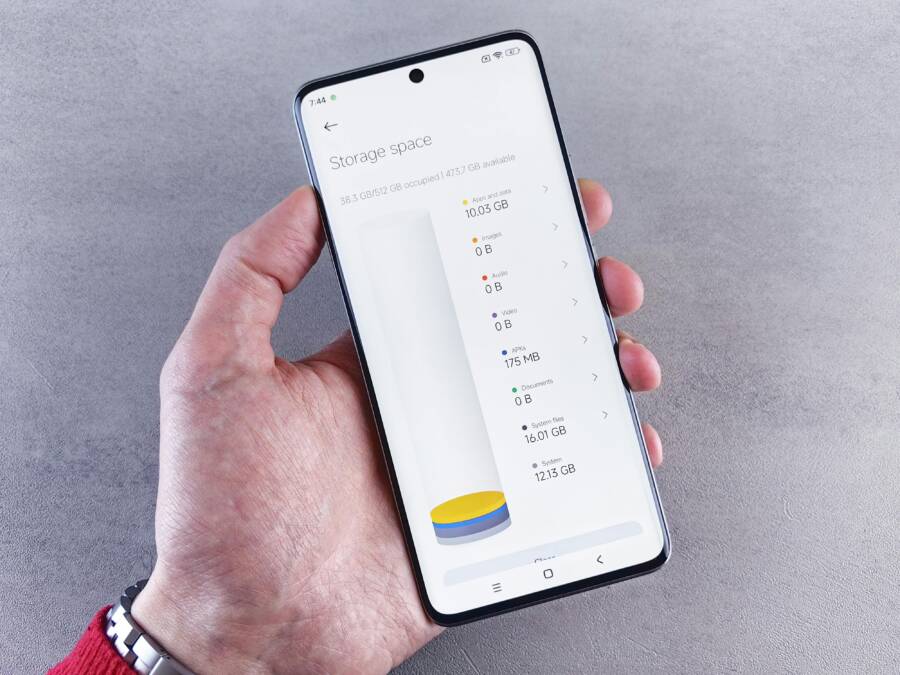
To quickly check storage, open Settings and look for a section labeled Storage or Usage. You’ll see a breakdown of apps, photos, videos, and other files. If you’re running low, start with these simple steps:
- Remove unused apps and large files you don’t need.
- Offload photos and videos to cloud storage or a computer.
- Clear cached data from apps you use daily, like your gallery or messaging app.
- Move media and documents to an SD card (if your phone supports it) or an external drive.
A practical tip: set up automatic backups and routine cleanups. This keeps your phone lean without making you think about it every week. For more on how storage can impact performance, you can read a quick explainer here. The impact of near-full storage on performance.
Too Many Background Apps Running
Background activity is a silent drain on RAM and the CPU. Modern smartphones manage many tasks in the background to keep apps ready when you open them. On older phones with less RAM, that cushion can become a bottleneck. When too many apps refresh, scan for updates, or keep listening for notifications, you feel it as slower launches and choppier scrolling.
Common culprits include social media apps, email clients, and messaging apps that frequently fetch data. Even when you’re not actively using them, they sip memory and processor time. A typical example on a busy phone is an app refreshing content every few seconds, which compounds as you add more apps that do the same thing. The effect is similar to a crowded river slowing down as more tributaries feed in.
What you can do now:
- Review your recent apps list and close anything you don’t need open.
- In Settings, check the App Permissions or Background Activity area and restrict background refresh for apps that don’t need it.
- Consider disabling push notifications for nonessential apps so they don’t wake up the device constantly.
- Restart your phone occasionally to clear out the temporary work the system has piled up.
If you notice a specific app causing most of the strain, try updating it or reinstalling it. Social platforms often refresh in the background, and older versions may struggle to keep up. A recent note from tech guidance sources highlights how popular apps can become a drag on older devices if allowed to run unchecked. You can explore related tips here. Stop Facebook from Draining Your Phone: Simple Fixes That Work.
Outdated Software and Apps
An aging operating system and older app versions are a major source of slowdowns. Software updates bring performance improvements, security fixes, and better resource management. When you skip updates, your phone misses those efficiencies, and you may also expose yourself to security risks. The combination of slower software and higher vulnerability makes every action feel heavier.
Outdated software can also hinder app performance. Newer apps are built to run on the latest systems, and older OS versions may struggle with modern features or services. This can create a cycle where you delay updates to avoid minor glitches, but that delay ends up causing bigger slowdowns later.
Before you tweak anything, check for updates:
- Go to Settings > System or Software Update and look for available updates.
- Install any offered updates, then restart your phone to apply them correctly.
- If an update isn’t available, review app versions. Update essential apps like your browser, messaging app, and photo editor to the latest release.
Security concerns often accompany outdated software. Cybersecurity guidance repeatedly emphasizes keeping your OS and apps up to date to minimize risk. A quick read on the risks of delaying updates provides helpful context. The biggest risks in delaying iPhone and Android software updates.
To keep things moving smoothly, aim to update promptly and avoid running on old builds whenever possible. If you’re unsure about a particular update, review user feedback and support notes from the manufacturer to gauge any potential issues on your model. You can also consider a selective upgrade path, installing only essential updates first and testing performance before moving on to secondary improvements.
External resources can offer deeper guidance on why updates matter and how to manage them without overwhelming the device. For a broader look at the risks of outdated hardware, you can read this overview. The Threats of Using Outdated Software and Hardware.
A quick tip: even if you can’t install the latest OS, keeping your apps up to date is still important. App developers optimize for current systems, and those optimizations can boost speed even on older hardware. If you want practical steps to handle updates with minimal disruption, you’ll find solid guidance in the articles linked above. For many users, a careful, staged update plan helps maintain stability while gaining performance benefits.
Free Up Storage and Clear Junk Fast
When your phone slows to a crawl, the easiest win is usually reclaiming space and tidying up junk. This section covers practical, fast wins you can apply on both Android and iPhone. You’ll learn what to uninstall, how to manage media, and how to clear caches without needing a full reset. The goal is to restore familiar speed with minimal hassle.
 Photo by Andrey Matveev
Delete Unused Apps and Files
Unused apps quietly consume storage and background resources. Start by sorting your apps by size, then remove the largest offenders first. This makes a big difference because heavy apps often cache data, stream updates, and keep watchdog services running in the background.
Steps you can follow:
- Android: Open Settings > Apps > See all apps. Tap the three-dot menu and choose Sort by size. Uninstall apps you no longer use. If you’re unsure, try offloading apps you don’t frequently access first.
- iOS: Go to Settings > General > iPhone Storage. Review the list sorted by size, then tap an app to delete or offload it. Offloading keeps documents and data intact for easy reinstallation later.
- Use built-in cleaners: On Android, Files by Google or similar cleaners can identify large apps and files and suggest safe removals. On iPhone, iOS doesn’t have a universal one-tap cleaner, but you can still manage app data via Settings and purge large items manually.
Tip: Pair app cleanup with a quick cache purge for the top offenders. This combo frees up space and speeds up launches. For a deeper dive into removing unused apps and reclaiming space, see a helpful guide from Google Support: Delete unused apps and free up space.
- Link: https://support.google.com/files/answer/9765112?hl=en
Handle Photos, Videos, and Downloads
Media files are the typical space hog. Start by backing up first, then delete or offload large items. Cloud backups let you remove local copies without losing memories.
Recommended workflow:
- Backup first: Use Google Photos (Android) or iCloud (iOS) to secure your library. Google Photos offers an easy path to free device space once backups are confirmed.
- Find the biggest files: In Google Photos or iOS Photos, look for large videos and high-resolution images. On Android, you can also use the Files app to locate large files in Downloads or the Media folder.
- Delete or offload: Remove duplicates and large videos you don’t need on the device. If possible, keep a smaller, optimized version on-device and archive the rest in the cloud.
Backing up is crucial. Once your media is safely stored in the cloud, you can confidently delete local copies to reclaim space. If you want to explore official guidance, check Google Photos help on freeing up space and backing up your library:
- Link: https://support.google.com/photos/answer/6128843?hl=en&co=GENIE.Platform%3DAndroid
If you’re using iCloud, Apple’s photos workflow also helps you manage storage while keeping your memories accessible. For iPhone users, Google Photos offers a parallel path to free up space on the device:
- Link: https://support.google.com/photos/answer/6128843?hl=en&co=GENIE.Platform%3DiOS
A practical example: you might back up all videos to Google Photos, then delete the local copies older than 30 days. That keeps the latest moments on-device while preserving the rest online.
Clear System Cache Without Rooting
Clearing caches can wipe out a layer of clutter that slows apps and the system. You can target app caches and, on many devices, the system cache without needing to root the device.
Clear caches for apps:
- Android: Open Settings > Apps, select an app, and choose Clear Cache. Repeat for apps you use daily. If you don’t see a Clear Cache option, you may find it under Storage within the app’s details.
- iOS: iOS handles app caches differently. There isn’t a universal one-tap clear, but you can reduce cache by offloading apps or reinstalling apps with large caches. Some apps offer in-app settings to clear cache or data; explore those first.
Clear system cache:
- Android: Some devices provide a separate “Cache” partition option in recovery mode or under device maintenance. If you’re not comfortable with that, focus on per-app caches first to avoid unintended data loss.
- iOS: The system tends to manage caches automatically. A restart often clears temporary data, and a full restore is usually not necessary unless you’re troubleshooting a stubborn issue.
A cautionary note: full wipes can remove needed data and require you to reinstall apps and reconfigure settings. Treat a cache clear as a targeted cleanup rather than a complete reset. If you want a deeper dive into clearing caches on Android, a reputable guide explains the process in detail:
What If the Only Thing Between You and the Life You Deserve Is a Hidden Wealth Code Waiting to Be Activated
>>> Open the Door <<<

- Link: https://www.zdnet.com/article/how-to-clear-your-android-phone-cache-and-say-goodbye-to-slow-performance/
For iPhone users, a practical guide on clearing app caches without losing data is available as well:
- Link: https://www.aboutcookies.org.uk/managing-cookies/mobile-ios/how-to-clear-app-cache-on-iphone
If you prefer a quick how-to specifically for iPhone cache management, this walkthrough covers common apps and strategies:
- Link: https://swappie.com/us/blog/how-to-clear-cache-on-iphone/
By combining per-app cache purges with a light system cache refresh, you can recover noticeable speed without a factory reset. This approach keeps your data intact while removing the stubborn stuff that slows you down.
References and further reading:
- Delete unused apps and free up space: https://support.google.com/files/answer/9765112?hl=en
- Free up space on your device (Google Photos): https://support.google.com/photos/answer/6128843?hl=en&co=GENIE.Platform%3DAndroid
- Clear cache on Android and iPhone: https://www.zdnet.com/article/how-to-clear-your-android-phone-cache-and-say-goodbye-to-slow-performance/
Manage Apps to Stop Lag and Free RAM
If your old phone struggles with lag, a big piece of the puzzle is how apps use memory and resources. You don’t need a full reset to fix this. By carefully managing what runs, what can refresh in the background, and what came preinstalled, you can reclaim smooth performance and extra RAM for the things you actually use. Below are practical, flashlight-clear steps you can apply today.
Force Close Problem Apps
When an app misbehaves or refuses to quit, it can keep consuming RAM in the background and slow down your device. Force closing is not a cure-all, but it helps you reclaim RAM quickly when you notice stuttering after using a particular app.
- Android: Open the Recent Apps screen (often accessed by swiping up from the bottom or tapping the square/overview button). Scroll to the app you don’t need and swipe it away. If your device has a dedicated Task Manager, open Settings > Apps > See all apps, then select the problem app and tap Force Stop.
- iPhone: Double-click the Home button (on older models) or swipe up from the bottom and pause (on newer models) to reveal the App Switcher. Swipe the app off the screen to quit it. If you’re troubleshooting, quit a handful of recently used apps that might be hogging memory.
When to do it:
- Do force close after you notice a specific app drains RAM or causes a freeze.
- Do not rely on force closing all the time. It can disrupt background tasks that you might actually want running, like syncing photos or receiving important messages.
When not to do it:
- If an app is essential for real-time updates, quitting it too often can lead to missed notifications or delayed data.
Tip: If a particular app consistently misbehaves, check for updates or reinstall the app. Updates fix leaks and optimize memory use. For Android users, you can review guidance on keeping apps responsive here, which covers general steps and important caveats. Speed up a slow Android device. For a quick reference on Pixel devices, see the Pixel-specific version of these steps. Speed up a slow Pixel phone.
Further reading on managing app behavior and memory use on Android can be found here. Find, open & close apps on Android. On iPhone, quitting and reopening apps can reset their internal state and free up RAM. See Apple’s guidance on how to do this. Quit and reopen an app on iPhone.
If you notice a specific app chewing through RAM, consider updating it or removing it temporarily to test impact. A quick tip from experts is to start with the top memory users listed in your app settings and address those first.
Limit Background Refresh and Notifications
Background activity is a stealthy RAM drain. By limiting which apps can refresh in the background and how often they ping you, you can free up memory and improve responsiveness.
- Android:
- Go to Settings > Apps > See all apps. Tap an app and select Battery or Background restriction to limit background activity.
- Disable background data for nonessential apps by going to Settings > Network & internet > Data usage and restricting background data where possible.
- iPhone:
- Open Settings > General > Background App Refresh. Turn it off for nonessential apps or set it to Wi-Fi and Low Power Mode if available.
- Manage push and fetch schedules in Settings > Mail or Settings > Notifications to reduce how often apps wake the device.
Common culprits to start with:
- Email apps that fetch every few minutes.
- News or social apps that refresh to pull in new content.
- Messaging apps that ping for read receipts or status updates.
What to look for and fix:
- Check each app’s own settings for background activity or data usage. Some apps offer in-app toggles to disable background fetch without losing essential notifications.
- Consider turning off push notifications for noncritical apps. Fewer wakeups means less RAM churn and longer peak performance windows.
- If you rely on high-frequency updates, schedule them for when you’re actively using the device rather than all day.
A quick path to faster performance is to restrict the most active offenders first. In many cases, you’ll see immediate improvements in app launches and general responsiveness. For a broader look at background refresh on iPhone and Android, explore these resources. On iPhone, background refresh guidance is available here. How to turn off background apps on your iPhone and Android. For Android readers, you can review how background activity affects data usage and battery. Save data by setting your background app refresh to Wi-Fi only.
She Pressed Play on a Strange Audio Track and Within Days Her Financial Reality Started Shifting in Ways She Could Not Explain
>>> See How It Works <<<
If you want a deeper dive into the tradeoffs of background activity, this overview explains why apps refresh and when you might want them to stay active. Should I turn off or on background app refresh for all apps on my iPhone-Apple iOS. For a broader technical perspective, this guide compares approaches across platforms. How to turn off Background App Refresh on iPhone & Android.
Note: moderation is key. You want enough background activity to keep services functioning, but not so much that RAM is constantly being raided. Start with the worst offenders and test the impact after each change.
Remove Preinstalled Bloatware
Bloatware refers to apps that came with the phone and aren’t essential to your daily use. They can quietly drain RAM, occupy storage, and slow system processes. The goal here is to remove or disable these apps safely, without risking the core OS or data.
Safe approaches for both OS families:
- Disable rather than uninstall for apps you don’t use often. This keeps the option to re-enable if you need it later.
- Uninstall or offload apps that you never touch. On some devices, you can offload the app and keep its data so you can reinstall quickly if needed.
- Use built-in tools or reputable cleaners to identify heavy preinstalled apps and disable them in one place.
Android specific steps:
- Settings > Apps > See all apps. Tap the app you want to disable or uninstall. If the app cannot be uninstalled, choose Disable.
- Some devices offer a dedicated “App Management” or “Device Care” section where you can review preinstalled apps and remove or disable them in bulk.
iPhone specific steps:
- Settings > General > iPhone Storage. Review the list of apps, especially the ones you never open. Tap an app to Offload App or Delete App. Offloading keeps documents and data intact for later reinstallation.
- For system apps that can’t be removed, disable or hide them where possible or limit their data usage through in-app settings.
Why this matters:
- Even small apps can keep a background services neighborhood alive, using RAM and CPU cycles long after you’ve closed them. The combined effect is noticeable on older devices.
If you want to understand the broader context of bloatware and how researchers view its impact, this overview provides helpful context. What Is Bloatware? How to Identify & Remove It from Your Devices. For practical, user-facing guidance on removing bloatware on Android and iPhone, these guides are useful. Efficiently Remove Samsung Bloatware: A Complete Guide. And if you’re curious about non-root removal options on other Android devices, these tutorials explain common methods. How to Remove Bloatware on Android Phone Without Root. If you’re looking for a quick, visual approach, this video walks through the simplest steps. The Simplest Way to Remove Bloatware on Android!.
A practical tip: after disabling or removing bloatware, restart your device to ensure changes take effect and that memory is freed up. If you want more background reading on the concept and why it matters, this resource offers an overview. Remove Bloatware – Why It Helps.
By focusing on these three areas—closing problem apps, curbing background activity, and eliminating preinstalled clutter—you’ll notice meaningful improvements. Your phone will feel quicker, apps will open faster, and RAM will be freed up for the tasks you actually care about. If you want to maximize gains, pair these steps with regular maintenance like scheduled cleanups and periodic updates, and you’ll keep an aging device running smoothly longer.
Update Software and Restart for Quick Gains
If your older phone still feels sluggish, a few focused updates can deliver noticeable speed boosts. This section covers three high-impact steps you can tackle in under an hour: installing the latest OS updates, updating all your apps, and restarting your device on a regular schedule. These actions are simple, safe, and effective for reclaiming responsiveness without wiping data or buying a new device. Think of them as tune-ups for your trusty smartphone that pay off day after day.
Install the Latest OS Updates
Keeping the operating system current is one of the simplest ways to improve performance. OS updates often include performance optimizations, security improvements, and bug fixes that help your phone run more smoothly. On Android devices, you’ll typically find updates under Settings > System or Settings > About phone, then choose Check for updates. For iPhone users, go to Settings > General > Software Update to see if a newer version is available. After installing an update, a quick restart helps the changes take effect.
What to expect during an OS update:
- A brief device reboot and possibly a longer install on first boot.
- New features or settings that might change how you interact with apps.
- Improved security and memory management that can translate to snappier performance.
If you’re unsure about a specific update for your model, reading the notes from the manufacturer can save you guesswork. In many cases, it’s better to install the update and test the device before moving on to other tweaks. For a quick overview of checking and updating your Android OS, you can reference this guide: Update your device – Android Help. https://support.google.com/android/answer/15728187?hl=en
Anticipated gains often include faster app launches, smoother animations, and better battery life as a side effect of tighter memory management. In a busy day, those small improvements compound. If you want a quick refresher on updating apps after the OS update, the App Store or Google Play guides below will help you keep everything aligned with the latest system.
Update All Your Apps
App updates are frequently lighter on your device than a full OS upgrade but still deliver meaningful speed and reliability improvements. When apps are outdated, they may use more memory or run less efficiently, which becomes noticeable on older hardware. Set up auto-update if you can, then review essential apps like your browser, messaging app, and camera tools to ensure they’re current.
Best practices for keeping apps fresh:
- Enable automatic updates for all apps when you’re on a reliable Wi-Fi connection. This reduces disruption and ensures security patches land promptly.
- Prioritize large apps first. Big apps, like social media, mapping, or photo editors, tend to push bigger updates that affect performance more than smaller utilities.
- After updating, restart your phone to ensure new code loads cleanly and caches reset.
On iPhone, you can update apps from the App Store manually or automatically. To learn how to update apps on iOS, refer to Apple’s guidance: Update apps from the App Store on iPhone. https://support.apple.com/guide/iphone/update-apps-iph98709f167/ios
On Android, Google Play Help guides you through updating apps and enabling automatic updates: How to update apps on Android – Google Play Help. https://support.google.com/googleplay/answer/113412?hl=en
Keeping apps current helps not only with speed but also with security. Modern apps are built to work with the latest OS features, and that compatibility matters more on older devices. If you notice an app behaving oddly after an update, check for an in-app setting that might have changed or try reinstalling the app to clear out corrupted data.
Restart Your Phone Regularly
A weekly reboot can feel almost too small to matter, but it acts like a quick reset for memory and background tasks. Restarting clears temporary files, stops processes that may be stuck, and gives the system a fresh start. It’s a simple habit that pays off in snappier launches and steadier performance.
Key reasons to restart on a routine basis:
- Clears temporary files and RAM caches that accumulate during daily use.
- Forces background processes to shut down and reload, which can fix sluggish behavior.
- Helps apply pending software changes that require a restart to take full effect.
For many users, a restart fits naturally into a weekly routine. It’s a small action with outsized benefits, especially for a device that’s aged or heavily used. If you’re curious about the security angle, several reputable sources recommend regular reboots as part of mobile device best practices to reduce malware persistence in memory. See coverage on why rebooting your smartphone weekly can help with performance and security. https://makeuseof.com/why-restarting-phone-stops-malware
Tips for making weekly restarts painless:
- Do it at a consistent time, like Sunday evening, so you don’t forget.
- After reboot, give a quick check to see that essential apps reopen properly.
- Use a reminder in your calendar to keep the habit ongoing.
If you prefer a broader perspective on the practice, a recent article discusses NSA and independent coverage around weekly restarts as part of mobile device care. This can help you weigh the routine against other maintenance tasks. Forbes covered why rebooting your iPhone or Android every week is recommended. https://www.forbes.com/sites/daveywinder/2024/11/26/reboot-your-iphone-or-android-to-mitigate-attacks-nsa-warns/
Bringing these three steps together creates a straightforward, practical path to faster performance. Install the latest OS updates, keep apps current, and restart regularly. You’ll notice quicker app launches, smoother scrolling, and a more responsive device overall. And if you stay consistent, these quick gains add up over time, helping your smartphone stay usable longer without extra cost.
Extra Tweaks and Habits for Long-Term Speed
Speed on an aging phone doesn’t come from one magic fix. It’s a mix of deliberate tweaks and simple habits that compound over weeks and months. This section covers practical, long-term strategies that keep your device feeling responsive, even as apps get bigger and updates roll out. Think of it as a performance maintenance routine you can drop into your weekly habits.
Disable Fancy Animations
Animations add polish, but on older hardware they’re a hidden tax. Disabling or reducing these effects can make the user interface feel noticeably snappier without costing you much in terms of functionality.
What to do, briefly:
- On Android, access the Developer options and lower or turn off window, transition, and animator durations. This can eliminate the visual lag when you open apps or switch screens.
- On iPhone, you’ll find similar settings under Accessibility > Motion. Reducing motion or turning off certain animations can help, especially on devices with limited RAM.
Why this helps: when the system spends time rendering transitions, every action seems to drag. Turning down the motion budget frees CPU cycles for foreground tasks and reduces the load on the GPU. The improvement is especially tangible when you’re scrolling through feeds or opening medium-sized apps.
Practical tip: after you disable animations, test a few common tasks — launching your browser, switching between apps, and opening photos — to confirm the perceived speed improves. If you’re curious to explore a detailed walkthrough, these guides show step by step how to tame animations on Android and iPhone:
- How to speed up Android by disabling system animations
- Disable animations on Android: Improve your phone’s speed and performance
For a quick visual reference and a broader set of tips, check out a definitive Android animation guide. It covers what to tweak and why, all in user-friendly terms. How to disable unnecessary animations on Android and a practical overview on Android animation reduction. Disable animations on Android: Improve your phone’s speed and performance
Use Battery Saver Wisely
Battery saver modes are a double-edged sword. They cut background activity and throttle performance to extend life, which means you’ll trade some speed for longer uptime. The key is to enable them strategically rather than leaving them on all the time.
Smart ways to use it:
- Activate battery saver during long stretches away from a charger or when you’re traveling with limited access to power. This reduces background refresh, pushing, and CPU peaks, which often translates to a smoother but steadier experience.
- Do not rely on it constantly. If you’re gaming, editing photos, or streaming, you’ll want full performance. Toggle off saver mode during these tasks to avoid stuttering or lag.
- Learn which apps are the biggest power drains. In many phones you can see a battery usage chart and limit background activity for the top offenders.
Real-world impact: you’ll likely notice more consistent responsiveness during daily tasks when the device isn’t fighting a constant power budget. The tradeoff is how long you can go between charges. If you’re balancing speed with longevity, battery saver becomes a careful companion rather than a default setting.
External context that helps you decide when to tweak: for a broader comparison of battery saving strategies on different platforms, you can review practical tips from reputable sources that compare iPhone and Android approaches and real-world results. iPhone vs Android Battery Saving Tips: 2025 Comparison and a hands-on look at settings changes that extend life on Android devices. 12 settings I changed to greatly extend its battery life
Run in Safe Mode to Test
Safe mode is a simple diagnostic that helps you separate system issues from app problems. When you boot into safe mode, nonessential apps don’t load, so you can see whether performance issues persist without third-party interference.
How to use it effectively:
- Android: Reboot into safe mode to see if lags disappear. If the phone runs smoothly in safe mode, a third-party app is likely the culprit. The process to enter safe mode varies by device, so start with your manufacturer’s guidance and then confirm by testing basic actions.
- iPhone: iOS doesn’t have a classic “Safe Mode,” but you can replicate a similar effect by cleanly restarting the device and temporarily disabling or removing recently installed apps to observe any changes in speed. If issues clear up after removing a culprit, you’ve identified the offender.
What you learn:
- If performance improves in Safe Mode, start a trial process of a few steps: reset app permissions for recently installed apps, clear app data for the suspect, and consider a full reinstallation if the problem persists.
- If performance remains unchanged, the problem might be deeper in the OS or hardware, not a single bad app.
Where to look for more guidance:
- Android safe mode basics and steps to enter Safe Mode. This official guidance also helps you interpret what Safe Mode reveals about problematic apps. Find problem apps by rebooting to Safe Mode on Android
- A practical overview of safe mode concepts and its use as a troubleshooting tool. How to use Android Safe Mode: A privacy-focused guide
- A quick reference on turning Safe Mode on and off on Android devices. Android Safe Mode: How to Turn On & Disable Safe Mode
If Safe Mode points to a single offenders list, you can tackle it methodically:
- Uninstall or update the suspect app.
- Reboot and test performance with the app removed.
- If the issue remains, move on to another suspect and repeat.
Using Safe Mode regularly isn’t a long-term fix, but it’s a powerful diagnostic that saves time and guesswork.
Why it matters for long-term speed: knowing which apps drag down performance helps you maintain a lean setup. It’s easier to keep a device running smoothly when you don’t have a long tail of background processes siphoning resources.
References and additional reading:
- Find problem apps by rebooting to safe mode on Android. Google Support
- Android Safe Mode primer. NYM Blog
- Turn on and off Safe Mode basics. Avast Guide
Putting these practices into your routine yields a clear result. You’ll reduce clutter, extend the useful life of your hardware, and keep the device feeling responsive enough for everyday tasks. Short, steady maintenance beats big, disruptive resets every time. If you combine these habits with the actionable steps in the other sections, you’ll build a robust path to sustained speed.
Conclusion
Tidy up first and you set the pace for faster performance. The quickest win is a storage clean, but the gains come from a small, steady routine across apps, updates, and light maintenance. These steps help most smartphones run more smoothly for longer, without a new device.
Top tips to take away
- Free up storage by removing unused apps and large files.
- Limit background activity and notifications for heavy memory users.
- Update OS and essential apps, then restart to apply changes.
- Disable nonessential animations to reclaim responsive feel.
- Run a weekly restart to clear temporary data and reset processes.
Start with a storage clean today and see how your phone responds. If you want more practical tips, check other guides on this site or share your results in the comments. These small habits will extend your phone’s life and keep everyday tasks easy to manage.
There Is a Frequency That the Wealthiest Families Have Used for Generations and Most People Will Never Know It Exists
>>> Open the Door <<<