Thousands of People Were Struggling With Money Until They Discovered This One Ancient Secret Hidden in Sound
>>> Unlock It Now <<<

Facing text that shows as question marks on your phone can be frustrating, but most issues are fixable. A simple font problem, encoding mismatch, or language setting gap is often to blame, and the fix is usually straightforward. In this guide, we cover common causes for both iPhone and Android and walk you through quick wins and deeper options to get your apps rendering correctly.
If you’ve ever seen a single glyph turn into a box or a string of letters into question marks, you’re not alone. The problem can stem from fonts that don’t include the characters you need, encoding that misreads Unicode data, or cross platform messaging quirks that break characters during transmission. We’ll start with practical, step by step checks you can perform right away.
This guide aims to be practical and clear. You’ll learn common causes, quick fixes, and deeper options, plus tips to prevent future issues. By the end, you’ll have a solid smartphone troubleshooting plan to keep text rendering accurate in apps, messages, and feeds.
Why app text turns into question marks on your phone
When text shows up as question marks or empty boxes, it can feel like the app is misbehaving. In most cases, the fix is simple and involves the fonts or the character encoding your phone uses. Think of fonts as the alphabet your device speaks; encoding is the system that translates letters into the symbols you see on screen. If either one is off, even a short message can look garbled. Below, we break down the two key causes and give you practical steps to get back readable text.
There Is a Frequency That the Wealthiest Families Have Used for Generations and Most People Will Never Know It Exists
>>> Open the Door <<<

Common font and encoding issues
Apps rely on fonts to render every character, from letters to emojis. If a font is missing, damaged, or not compatible with the character set the app uses, you’ll see strange results like missing letters, boxes, or question marks. Encoding works behind the scenes, converting characters into a stream of bytes. When encoding doesn’t match the character set the text was written in, the bytes are interpreted incorrectly, and the result is unreadable text.
Common scenarios you might recognize
- A single emoji turns into a blank box or a hollow square. You can still type the emoji, but the recipient sees nothing or a box.
- Letters disappear mid‑sentence, leaving gaps that make the message hard to follow.
- A new character from a recently installed app or a game shows as a question mark.
- Some apps display question marks only in certain languages or regions, while others render perfectly.
What to do now
- Clear or reset the font cache. Over time, cached font data can become corrupted, causing characters to render incorrectly.
- Update or reinstall system fonts. If the fonts your device relies on are out of date, new characters may not map correctly.
- Check that the app is using a compatible font. Some apps ship with their own fonts; if those fonts aren’t present or are damaged, you’ll see odd rendering.
- Verify Unicode support. Older devices or custom ROMs may not support newer emoji sets or symbols. If an update is available, install it to extend your device’s character repertoire.
If you’ve noticed these issues primarily when messages come from other platforms, the problem can be broader than a single app. For cross‑platform texting, the underlying font and encoding must align across devices. If you want deeper background, see discussions about how mixed iPhone and Android texting can create garbled characters and the role of texting protocols in rendering text (this is a useful read if you frequently exchange messages across platforms) see related discussion here.
Missing language packs and emoji fonts
Beyond individual fonts, phones rely on language packs and emoji fonts to render the full spectrum of characters. If those packs aren’t installed or updated, characters can appear as question marks or placeholders. This is especially true for less common scripts, regional symbols, or newer emoji that your device doesn’t yet recognize.
Why missing packs matter
- Without a language pack, regional characters may render as boxes or question marks.
- Emoji fonts that aren’t up to date can fail to display newly added emojis, leaving gaps in conversations.
- Some apps fall back to a default font when their preferred font isn’t available, which may not include all characters.
Quick checks you can perform now
- Review your language and region settings. Make sure they match your preferred language and country.
- Check for font and emoji updates in your device’s app store or system updates. Install any available fonts or emoji packs.
- Reboot after updates. A simple restart can ensure new fonts load correctly.
- Test fonts in a note app or a messaging app. If you can see the same characters everywhere except one app, the issue may be app‑specific rather than device‑level.
- Compare with a known‑good device. If another phone renders the same message correctly, your device may need a targeted fix or a fresh install of the problematic app.
If you want a quick read on how emoji and font rendering can break across devices, you can explore practical explanations and user experiences in related threads and guides, including how emoji visibility can vary by platform and software version for example, a detailed explainer on emoji visibility on Android devices. This kind of guide helps you understand what’s happening behind the scenes and why a simple update often fixes the problem.
How to verify fonts and emoji sets are present and current
- Open the device’s language and input settings to confirm the active language pack matches your region.
- Check for pending system updates; manufacturers frequently push font and emoji improvements through OS updates.
- In some cases, clearing app data for the messaging app or reinstalling it can force the app to reload the correct font assets.
- If you’re comfortable with it, try a factory reset as a last resort. This restores all fonts and packs to their original state, but back up your data first.
A note on cross‑platform messaging: when fonts and encoding aren’t aligned, messages can degrade into strange symbols. If you routinely text with people on different devices, keeping both devices updated reduces the likelihood of this happening. For further context on cross‑platform texting and its quirks, you can read about how iPhone and Android texting can end up garbled and how newer messaging standards aim to fix it over time reference material here.
Why these issues pop up on a typical smartphone
- New emoji sets arrive with software updates, and older devices may not support them without an update.
- Some apps bundle custom fonts to achieve a particular look, and if those fonts fail to load, characters revert to question marks.
- Regional language support changes with firmware updates. If you travel or switch languages, the device may need a refresh to render everything correctly.
If you’re unsure where the problem starts, start with the simplest fixes first: restart, update, and verify language packs. If the issue persists, dive into font caches and app reinstallation. A little housekeeping now can save you from puzzling messages later.
Links to helpful resources for deeper reading
- How cross platform texting can lead to garbled characters and how to reduce it: Text messages between iPhone and Android
- Android emoji visibility and font issues explained: Why Can’t I See Emojis on My Android Device?
- Community discussions about emoji rendering and device specifics: Emojis sent from a Samsung device appear as two question marks
If you’d like, I can tailor these sections to align even more tightly with your preferred tone and add any device‑specific steps for the most common phones you cover.
Fast fixes you can try today
When you see text turn into question marks on your smartphone, it can be a sign of a small mismatch in fonts or encoding. The good news is that there are quick, practical steps you can take right now that often resolve the issue. These fixes work for both iPhone and Android users and don’t require deep technical knowledge. Think of them as fast wins you can apply during a quick smartphone check.
Update your device and apps
Starting with the basics is always smart. Update your operating system first, then the problematic app. On most devices, you’ll find the OS update in Settings > General or Settings > Software Update. After the system is up to date, head to the App Store (iPhone) or Google Play (Android) and update the app in question. Why this helps: updates frequently include fixes for font rendering and encoding bugs, plus improvements to emoji sets and language support. It’s a common first fix because manufacturers and app developers push compatibility tweaks in these updates.
If you’re curious about cross‑platform texting quirks, updates can also improve how characters are mapped when messages cross between iPhone and Android. See discussions around how platform updates influence emoji and symbol rendering for more context here.
What to do now
- Check for a system update and install it.
- Open the App Store or Google Play and update the app.
- Reboot the device after updates to ensure new assets load correctly.
Tips to keep this step efficient
- Enable auto‑updates for critical apps so you don’t miss fixes.
- If a single app still shows garbled text after an update, try reinstalling it. A fresh install pulls in the latest font and asset files directly.
If you want a deeper read on common font and emoji fixes, you can explore related guidance and user experiences in discussions about messages with question marks and how updates help solve these issues reference material here.
Clear cache and force reload
Caching is meant to speed things up, but sometimes cached font data becomes corrupted and causes characters to render oddly. Clearing an app’s cache or data forces the app to reload fresh assets, which often resolves the problem. Here’s how to do it and what to expect.
How to clear cache and data
- Android: Settings > Apps > [App] > Storage > Clear Cache. If issues persist, you can also choose Clear Data, but be aware you may need to sign in again and reconfigure preferences.
- iPhone: iOS doesn’t expose a Clear Cache button in the same way. Instead, you can offload the app (Settings > General > iPhone Storage > [App] > Offload App) or delete and reinstall the app to achieve the same effect.
After clearing, reopen the app and test the text rendering. If the problem remains isolated to one app, it’s likely an app‑specific font asset issue rather than a device problem.
In cases where you’re investigating cross‑platform messaging, clearing data can help ensure the app uses the correct font assets on next load. If you’d like to read a practical discussion from other users about removing garbled characters in texts, this Android-focused thread offers useful insights link provided here.
What to expect
- You may need to sign back in to the app after clearing data.
- Font rendering should reset to the app’s default assets, which often fixes the missing glyphs.
- If the issue affects several apps, try a device restart after clearing data.
Why this is a reliable quick fix
- It resets the font cache and asset loading paths without touching your content.
- It’s reversible and low risk.
- It often uncovers whether the problem is app‑specific or device‑wide.
Restart the device and reset keyboard
A simple restart can clear temporary glitches in the font system and memory that affect how characters render. It’s the quickest, lowest‑risk action you can take. If the issue persists after a restart, consider resetting the keyboard dictionary on your device. Resetting the keyboard can fix mis‑typed characters and autocorrect quirks that sometimes affect display, especially in messaging apps or text fields.
How to perform a restart
- iPhone: hold the side button and a volume button, then slide to power off. Turn the phone back on after a minute.
- Android: hold the power button, then tap Restart. If Restart isn’t available, power off and back on.
Resetting the keyboard dictionary
- iPhone: Settings > General > Transfer or Reset iPhone > Reset > Reset Keyboard Dictionary. This clears learned words and autocorrect suggestions, which can fix odd character replacements.
- Android: The path varies by device, but you’ll typically find it under Settings > System > Languages & input > On‑screen keyboard > Gboard (or your keyboard app) > Reset to default or Clear personal data. This removes learned words but helps correct mis‑typed characters and autocorrect behavior.
Impact of a keyboard reset
- It removes customized words, so you’ll need to re‑teach the keyboard over time.
- It can correct repeated mis‑typing and odd autocorrect suggestions that distort text rendering.
- It is a low‑risk way to fix a stubborn display issue that isn’t tied to a single app.
If you want to see a practical walkthrough of resetting a keyboard dictionary on iPhone and Android, Cult of Mac offers a detailed guide for iPhone users and similar steps work for most iOS devices here. For Android users, a quick screen‑casting video shows the steps to reset the keyboard settings on many devices video resource here.
Final note on this fix
- After a restart and a keyboard reset, test by typing a few sentences in a notes app and in a messaging app. If the characters appear correctly across apps, you’ve likely resolved the issue. If not, it’s time to explore deeper checks or app reinstalls.
How to keep fonts and keyboards reliable
- Keep both the OS and keyboard apps updated.
- Regularly clear cache for frequently used apps if you notice odd rendering.
- If you travel, check language packs and regional settings after changing languages or regions, as some fonts depend on those packs to render correctly.
If you want more context on how keyboard problems relate to font rendering in a smartphone, a practical guide on resetting the keyboard dictionary on iPhone offers actionable steps that you can apply today reference material here.
Device specific troubleshooting
When text renders as question marks on your phone, the issue often boils down to device-specific font or encoding settings. In this section, you’ll find targeted, practical steps for iPhone and Android users. These checks are quick wins you can apply during a routine smartphone health check, with emphasis on how to verify fonts, emoji sets, and language packs. Use these steps to restore readable text in apps, messages, and feeds without heavy technical fumbling.
iPhone and iOS steps
Follow these focused checks to rule out iOS level causes and get characters back to normal.
- Verify language and region settings
Go to Settings > General > Language & Region and confirm your preferred language and region. If you recently traveled or changed language, a quick adjustment can fix misrendered characters. - Ensure emoji fonts and system fonts are up to date
Install any pending iOS updates under Settings > General > Software Update. System font and emoji assets often improve with updates, especially after new emoji releases. - Reset the keyboard if needed
If autocorrect or keyboard quirks seem to distort characters, reset the dictionary: Settings > General > Transfer or Reset iPhone > Reset Keyboard Dictionary. This clears learned words and autocorrect rules that might affect rendering. - Check app font settings
Some apps use their own fonts. If a specific app shows garbled text, check inside the app for font options or a built-in font reset. - Install updates for the problematic app
Open the App Store, tap your profile, and update the app. App updates frequently include font mapping and rendering fixes. - Review any app level font options
If the app offers font choices, select a standard font that supports a wide range of characters. Avoid custom fonts that aren’t universally supported. - Quick cross-check with another app
If the same characters render correctly in notes but not in a chat app, the issue is likely app-specific. Try a different messaging app to confirm.
If you want a practical read on how cross‑platform texting can create garbled characters and how updates help fix it, see related discussions about iPhone to Android texting issues here.
Photo by Kelvin Valerio on Pexels
There Is a Frequency That the Wealthiest Families Have Used for Generations and Most People Will Never Know It Exists
>>> Open the Door <<<
Android steps
These checks address common Android font and encoding gaps, plus how to isolate the problem to either the system or a specific app.
- Confirm language and input settings
Check Settings > System > Languages & input. Make sure the active language and input method match your region and preferred keyboard. - Verify font style and font pack availability
Some devices support optional font packs or system fonts that may not include all characters. Look for font updates in your device’s settings or through the manufacturer’s theme store. - Perform a system update
Go to Settings > System > Software Update and install any available updates. Updates often include broader emoji support and font fixes. - Clear app cache
In Settings, navigate to Apps & notifications > [App] > Storage > Clear Cache. For stubborn issues, you can choose Clear Data, but be prepared to reconfigure the app. - Use Safe Mode to identify problematic apps
Reboot into Safe Mode to disable third‑party apps temporarily. If the text renders correctly in Safe Mode, a third‑party app is causing the problem. Remove or disable recently installed apps to pinpoint the culprit. - If issues persist, reinstall the app
Uninstall the app, then reinstall from Google Play. A fresh install pulls in the latest font assets and configuration.
This Android-focused approach aligns with user experiences where a sudden wave of question marks appears after a device update or after installing a new app. For practical context, see discussions about Android devices where text display issues started after updates or new apps here.
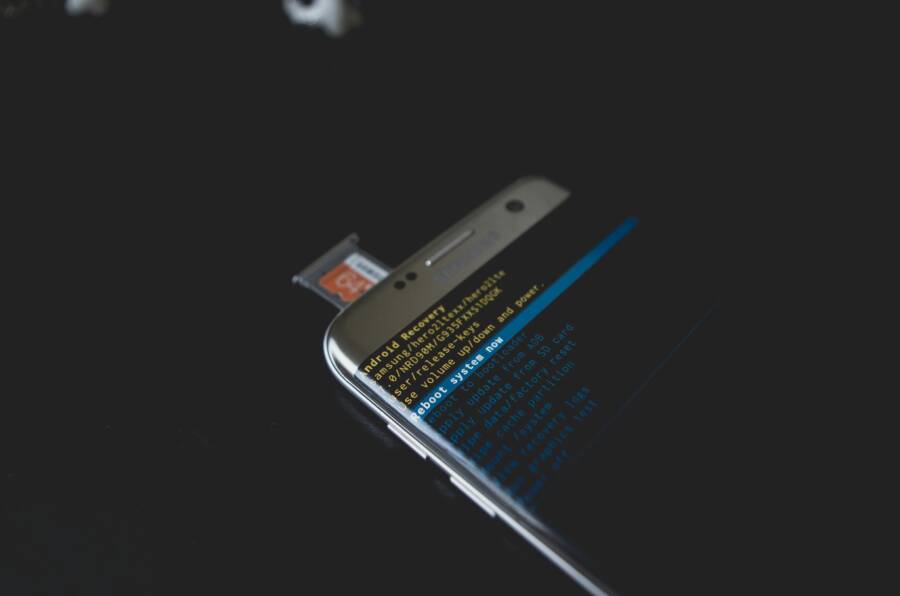
Photo caption: A typical Android device showing error-free font rendering after a reset. Photo by Kelvin Valerio.
Images
 Photo by Kelvin Valerio
Deeper fixes if the problem persists
If you’ve tried the quick fixes and you still see text as question marks or boxes, it’s time to dig a bit deeper. These steps address more stubborn font and encoding issues that can linger across apps and even after a reboot. The goal is to isolate whether the problem is app specific, device wide, or tied to a particular font asset. Follow these steps in order and keep notes of what works so you don’t redo steps.
Check the app font and install font packs
Some apps use their own fonts. If a font file is missing or corrupted, characters can render as empty boxes or question marks. Start by reviewing the in-app font options and then ensure your device has the necessary font packs.
What to look for inside the app
- Open the app’s settings and look for a “Font” or “Text” option. Some apps let you pick from several font choices. If a nonstandard font is selected, switch to a default or system font.
- Check for an emoji or symbol section. Some apps allow separate emoji rendering choices and may need a font pack that includes those glyphs.
- Look for a recent update note. App updates sometimes add or fix font mappings.
How to install or enable font packs on your device
- iPhone: You can install fonts via Settings or through a font management app. Go to Settings > General > Fonts (if available) and install any recommended font packs. For emoji support, ensure you’re on the latest iOS version, as new emoji sets come with software updates. Learn more about managing fonts on iPhone in Apple’s guide: Install and manage fonts on iPhone.
- Example reading: Apple’s font management guide can help you confirm how fonts are added and used in apps.
- Android: Some devices offer font packs in the system font settings or through a manufacturer’s theme store. Check Settings > Display > Font size and style, or your device’s Theme/Font store for available packs. If a font pack is missing, install updates from the store or device settings.
- Emoji fonts: If the problem is emoji related, ensure your device has an emoji font that includes the characters you need. Updates often include expanded emoji sets. A quick review of font and emoji updates in your OS store can help.
Pro tips
- If you’re unsure which font is in use, test a few popular system fonts in a note or messaging app to see if rendering improves.
- If a specific emoji or character still appears garbled after a font update, it might be app specific rather than a device-wide issue.
- For cross‑platform messaging, ensure both devices have up to date fonts and emoji packs to avoid misrendered characters.
Helpful reads
- Install and manage fonts on iPhone from Apple’s support page
- Adding a custom font to your app on iOS developers guide
- Keyman for iPhone and iPad help for font handling on mobile
Image
 Photo by Castorly Stock
Reinstall the app or disable problematic fonts
If a single app keeps showing the wrong characters, the issue may be tied to that app’s font assets. Reinstalling the app resets its internal font cache and asset loading paths. If you suspect a font problem, you can also disable custom fonts within the app or device settings to force the app to use system fonts.
Steps to reinstall the app
- iPhone: Press and hold the app icon, choose Remove App, then confirm. Reinstall from the App Store.
- Android: Open Settings > Apps > [App] > Uninstall. Then visit Google Play and reinstall the app.
- After reinstalling, open the app and check a few messages or text fields to see if the issue is resolved.
If the issue still persists after a reinstall
- Check within the app for a font option. Some apps offer a built-in font switch; revert to a standard font that supports a wide range of characters.
- Reset app data as a last resort if you want to clear any corrupted assets. On Android, you can choose Clear Data in the app’s storage settings. On iPhone, you can offload the app or delete and reinstall to achieve a similar effect.
When to disable fonts at the device level
She Pressed Play on a Strange Audio Track and Within Days Her Financial Reality Started Shifting in Ways She Could Not Explain
>>> See How It Works <<<

- If multiple apps show the same problem, disable custom fonts in device settings (if available) and revert to the default font. On Android this may be under Settings > Display > Font, or a similar menu in your manufacturer’s skin. On iPhone, system fonts are tied to iOS itself; a font reset or reinstallation of the problematic app is usually enough.
Further context
- If you’re dealing with cross‑platform messages, disable app-specific font packs that might not render well on the other device. The aim is to return to a universal font that renders consistently.
Additional reading
- Restore and manage data after reinstalling apps on Android
- Restore all content to iPhone from a backup
Image No image necessary here if the flow feels natural, but you can add a practical screenshot of font settings if you have one.
Factory reset as a last resort
A factory reset wipes the device back to its original state. This is the last option after all other fixes fail. It can fix stubborn font and encoding issues by restoring default font assets and system files. Before you reset, back up your data and confirm you can restore it afterward.
When to consider a factory reset
- The problem persists across many apps and after multiple reinstalls.
- You’ve verified language packs, font caches, and system updates, with no lasting fix.
- You want to start fresh after a major software problem or after you’ve tried all other troubleshooting steps.
How to back up data first
- iPhone: Use iCloud or a local backup via Finder (Mac) or iTunes (Windows). Apple’s guide covers backing up iPhone from start to finish.
- Android: Back up to Google Drive or use your device’s backup feature. Google’s support page explains the steps and recovery options.
Calm, practical reset steps
- iPhone: Settings > General > Transfer or Reset iPhone > Erase All Content and Settings. After the reset, restore from your backup during setup.
- Android: Settings > System > Reset options > Erase all data (factory reset). After reset, set up your device and restore from your backup.
What to expect after a reset
- All data is wiped; apps and settings return to their default state.
- Font assets return to the original system state, which can resolve stubborn encoding and glyph issues.
- You’ll need to reinstall apps and reconfigure settings.
Tips to make this safer
- Double-check you have a complete backup before initiating the reset.
- Create a secondary backup, if possible, to ensure your photos and documents are preserved.
- After restoring, test text rendering in a few apps and in messaging to confirm the issue is gone.
Recommended reads
- Restore all content to iPhone from a backup
- Back up or restore data on your Android device
Images If you want a visual cue for the reset concept, a neutral smartphone image can help explain the idea of starting fresh. You can insert a related photo here to reinforce the idea of a reset.
Photo by Kelvin Valerio
Prevent future issues and best practices
Keeping text rendering reliably correct over time means building habits that prevent font and encoding glitches before they start. In this section, you’ll learn practical, repeatable routines to minimize future problems. We’ll cover keeping software current, managing storage smartly, and monitoring font and emoji assets so you don’t get surprises in messaging or apps.
Keep software updated and manage storage
Updates fix more than bugs; they expand font support and improve how characters map to symbols across apps. When you install the latest OS and app updates, you reduce the chance of missing glyphs, garbled emojis, or language misreads that crop up after long use. It’s a simple, effective shield against encoding drift and font gaps.
To set yourself up for success, enable automatic updates where you can, and periodically review storage usage. Here’s how to do that and why it matters:
- Enable automatic updates
- iPhone: Settings > App Store > Automatic Updates. This keeps apps and fonts current without you lifting a finger.
- Android: Google Play Store > Settings > Auto-update apps. Choose “Over any network” or “Over Wi-Fi only” based on your data plan.
- Also enable system updates in Settings to ensure core font assets and emoji packs receive timely improvements.
- Why it helps: automatic updates reduce the chance of running on outdated fonts or mismatched encoding libraries. For more context on keeping updates automatic, see Apple’s guidance on updating apps automatically and manually. https://support.apple.com/en-us/102629
- Free up space and monitor storage
- Regularly review storage usage in Settings and delete or offload apps you don’t use often.
- Clear app caches for frequently used apps where possible; this forces assets to reload and can fix garbled text after updates.
- Move large media to cloud storage when appropriate to keep the OS lean and responsive.
- Why it helps: a cluttered device can stall font loading and emoji rendering, especially after updates when new assets arrive.
- Check font and emoji packs after updates
- Open language and region settings to confirm your preferred language is present.
- Run a quick test in a notes app and a messaging app to verify consistent rendering.
- If you notice gaps, look for font or emoji updates in the OS store or app store and install them.
- For deeper background on how updates influence font rendering across platforms, you can read about cross platform texting and emoji mapping in related discussions here.
- Quick verification steps
- After updates, reboot your device to ensure new fonts load properly.
- Compare a known emoji set across a few apps to confirm consistent rendering.
- If problems persist, a targeted app reinstall may be warranted to pull in fresh font assets.
External reading for broader context:
- How to update apps on iOS and Android, including manual steps and auto‑update options: https://support.apple.com/en-us/102629
- Practical tips for managing device storage to improve app performance and font rendering: https://www.zdnet.com/article/how-to-clear-your-android-phone-cache/
Images
 Photo by Andrey Matveev
- Tip: keep a short maintenance routine once a month. Check for updates, review storage, and run a quick font test. A small habit now can prevent big display headaches later.
Test after changes and maintain font settings
After applying fixes, a structured test helps confirm everything is back to normal and stays that way. A concise test plan saves you time and gives you confidence that you’ve resolved the issue for good.
Simple post fix test plan
- Start with messaging
- Send and receive messages with a mix of letters, numbers, and emojis. Look for any replacement glyphs or boxes.
- Check social apps
- Open a couple of feeds and direct messages. Ensure language characters render correctly and emojis display as intended.
- Test other text-heavy apps
- Open a notes app, email client, and a web browser. Type a few sentences in different languages if you use them.
- Revisit language and emoji settings
- Confirm the device language pack and emoji font are up to date. If you adjusted language recently, re-check that the region code matches your preference.
- Document and monitor
- Save a quick note about the apps tested and the results. If you notice any recurring issues, log them and plan a targeted fix.
Why a quick test matters
- It confirms the issue is resolved across key areas, not just the app you touched first.
- It helps you catch edge cases, like a single app using its own font that may still misbehave.
- It reinforces good habits of monthly checks for language packs and fonts.
Practical checks to run during the test
- Send a message containing an emoji, a couple of accents, and a non‑Latin character set.
- View posts with international text in a browser or feed reader.
- Confirm emoji consistency by comparing the same emoji across two different apps.
Extend your verification with a quick cross‑platform comparison
- If you regularly text across iPhone and Android, compare how characters render on each device. Updates can improve cross platform compatibility and reduce garbled characters over time. For deeper context on cross platform texting dynamics, see the discussion linked here reference material.
Images
Photo by Andrey Matveev
Key takeaways
- After you run updates and clear space, a focused test validates the fix.
- Regular checks for language packs and emoji assets prevent future surprises.
- Keeping a simple test routine helps catch issues early, before they affect conversations or workflows.
External resources for deeper reading:
- How to manually update apps on iPhone or iPad: https://support.apple.com/en-us/102629
- How to set automatic app updates on your device: https://help.doodlelearning.com/en/articles/5127292-how-to-set-automatic-app-updates-on-your-device
- How to clear your Android phone cache for better performance: https://www.zdnet.com/article/how-to-clear-your-android-phone-cache/
Images Optional image usage above. If you have a related screenshot of a test result, you can add it here to illustrate the test steps.
Conclusion
Most cases of app text turning into question marks come down to fonts and encoding. By updating the OS and apps, clearing caches, checking language packs, and reinstalling problem apps, you can restore readable text in a few minutes. If issues persist, deeper steps like resetting the keyboard or, as a last resort, a factory reset can fix stubborn font assets, though you should back up first. Bookmark this guide for quick reference, and share it with friends who run into garbled messages on their smartphone.
There Is a Frequency That the Wealthiest Families Have Used for Generations and Most People Will Never Know It Exists
>>> Open the Door <<<