He Was Drowning in Bills and Burnout Until a Simple Daily Ritual Rewired His Brain for Wealth in Less Than a Week
>>> Start Your Shift Today <<<

Ever been stuck with a non responsive power button on your smartphone right when you need it most? You’re not alone, and the good news is most fixes are simple and free. You’ll soon feel confident tackling the issue on any modern device, whether it’s an Android phone or an iPhone.
The problem usually comes from dirt, wear and tear, or a small software glitch. A stubborn button can make turning on, restarting, or accessing recovery modes feel impossible. This guide walks you through quick checks, practical home fixes, and safe software tweaks that restore control without special tools.
We’ll start with the easiest paths, like cleaning around the button and trying a soft reboot. You’ll learn handy tricks that don’t require a full reset, such as using on screen wake options or charging to wake a dead screen. If the issue isn’t hardware related, these steps often restore normal function in minutes.
For hardware related hiccups, we cover when to inspect for visible damage and how to approach a professional repair. You’ll find practical signs to watch for and a clear path to get back to normal use with minimal downtime. This guidance applies to most smartphones, so your smartphone experience stays smooth and reliable.
She Pressed Play on a Strange Audio Track and Within Days Her Financial Reality Started Shifting in Ways She Could Not Explain
>>> See How It Works <<<

Spot the Cause of Your Power Button Issue
When the power button on your phone behaves oddly, it can be hard to tell what’s really going on. Sometimes the problem is physical, other times it’s a software hiccup hiding behind a stubborn press. The best approach is to map out all the common culprits and test for each one methodically. Below are the four most likely causes you’ll run into, along with quick tells and practical checks you can perform at home.
Dirt and Dust Blocking the Button
Gunk around the button can make it feel sticky or unresponsive. You might notice you have to press harder than usual, or the button only responds intermittently. This is especially common if the device spends time in pockets, bags, or environments with fine dust.
How to test and fix:
- Inspect the area around the button for visible debris. A soft brush, a can of compressed air, or a gentle wipe with a microfiber cloth often does the trick.
- Clean lightly to avoid pushing grime further into the phone. If you see sticky residue, a tiny amount of isopropyl alcohol on a cotton swab can help, but avoid soaking any openings.
- After cleaning, test the button with gentle presses. If it starts responding consistently, the issue was likely surface grime.
If the power button continues to be unreliable, the underlying hardware could be damaged or there may be more serious wear at play. For broader guidance, see consumer tech resources that cover quick home fixes for button issues on smartphones. For related symptoms and fixes, this guide is a helpful companion: https://www.asurion.com/connect/tech-tips/iphone-power-button-not-working/
Damage from Drops or Presses
A drop or a hard press can crack the internal mechanism or loosen the button housing. Cracks or loose parts often show up as a wobble, a button that sinks slightly when pressed, or a misaligned feel. If you’ve recently dropped the phone, start here even if the screen looks intact.
What to look for and how to respond:
- Check for visible cracks around the button or around the bezel. A loose or sinking button usually points to internal damage.
- Listen for a change in tapping sound when you press. A gritty or rattling feel can indicate internal components are shifting.
- If the button wobbles or doesn’t return to its resting position, stop pressing hard and seek professional help to avoid further damage.
In some cases, the issue may require a hardware repair or replacement. If you’re unsure, a quick diagnostic at a local repair shop can confirm whether it’s a simple fix or something that needs a part swap. For additional context on common power button failures after drops, you can reference repair guidance here: https://www.quikfix.repair/the-power-button-on-my-phone-is-not-working/
Wear from Years of Use
Over time, repeated use wears the button down. The tactile bump can fade, markings can disappear, and the action can become inconsistent. This is part of the normal life cycle of a device, but it’s still frustrating when you rely on that button daily.
What you’ll notice:
- Faded or worn labels around the button, making it hard to locate or know when you’ve pressed it correctly.
- Uneven response, where some presses work and others don’t, or the button requires more force.
- A delayed wake or restart response, especially after long periods of inactivity.
If your device is older, you may want to consider alternatives like enabling on-screen wake gestures or configuring software-based shortcuts. These options can reduce dependence on the physical button while you plan a longer-term fix. For a deeper dive into how wear and hardware aging affect buttons, see the related user guidance from device care resources: https://www.asurion.com/connect/tech-tips/iphone-power-button-not-working/
Software Glitches or Bad Apps
Software problems can masquerade as hardware faults. A recent OS update or a misbehaving app can freeze the device or disrupt normal button handling. If the power button works in some modes but not others, software is a strong suspect.
What to check:
- Perform a soft reboot to clear temporary glitches. If the button works after reboot but not before, a background process may be the culprit.
- Try booting into Safe Mode. If the button responds in Safe Mode but not in normal mode, a third-party app is likely the offender. Uninstall recently added apps or perform a clean boot to identify the culprit.
- Look for recent updates. A botched OS update can affect input handling. If possible, check for a follow-up update or rollback option and monitor performance after applying fixes.
If software is the root cause, you don’t need to replace hardware. A few well-timed updates or a targeted uninstall can restore full function. For a practical look at how updates can fix power button issues on iPhone and Android, refer to expert guidance here: https://apple.gadgethacks.com/news/iphone-buttons-not-working-fix-70-of-issues-in-minutes/
Tips to prevent future issues:
- Keep your OS up to date and install only trusted apps.
- Periodically review app permissions and battery usage to spot problematic software early.
- Back up regularly so you can reset without losing data if a software problem reappears.
If you’re still stuck after trying these checks, a professional diagnostic can rule out subtle hardware faults that aren’t obvious from home testing. A trusted service provider can confirm whether a button replacement or more extensive repair is needed. For readers who prefer quick, practical guidance for iPhone power button concerns, this reputable resource offers actionable steps: https://www.asurion.com/connect/tech-tips/iphone-power-button-not-working/
Turn On or Restart Without the Power Button
If your power button isn’t responding, you still have reliable ways to turn your device on or restart it. These methods work across many modern smartphones and use techniques you can try at home. The goal is to regain control quickly without a trip to a repair shop. Below are three practical approaches you can apply right away.
Plug In and Use Volume Buttons
On some Android models, you can wake or restart the phone by charging and then using the volume controls. The steps are simple and often effective when the power button is flaky.
- Android: while the device is charging, press and hold both volume buttons for about 20 seconds. This can trigger the device to reboot or present a recovery option.
- iPhone: many users have found that simply plugging in the charger can boot the phone, especially if the device is completely drained.
What to watch for:
Thousands of People Were Struggling With Money Until They Discovered This One Ancient Secret Hidden in Sound
>>> Unlock It Now <<<

- If you see a recovery menu or the device begins to reboot during or after charging, you’re likely addressing a temporary power button stall.
- If nothing happens after repeated attempts, the issue might be more hardware or software related.
For additional context on similar home fixes and step-by-step visuals, see guides such as those that cover turning on a phone without a working power button: https://www.asurion.com/connect/tech-tips/iphone-power-button-not-working/ and related Android-focused tutorials like the one exploring boot methods without the power button: https://www.blackview.hk/blog/how-to/boot-my-phone-while-power-button-broken/
Access Quick Settings or Power Menu
If your screen is on, you can initiate a restart from the on-screen power menu. This bypasses the physical button and gives you a controlled reboot.
- Swipe down from the top of the screen to open Quick Settings.
- Look for the restart option in the power menu; on some devices you may see “Restart” or “Reboot.”
- For faster access in daily use, enable wake or sleep gestures such as double-tap to wake. This reduces the need to press the side button just to wake the display.
Tips to improve reliability:
- Ensure your screen stays responsive; a dead touch area can complicate this method.
- If your phone supports on-screen shortcuts, map a long-press or gesture to trigger a restart or wake.
If you’re curious about how to enable on-screen wake gestures on Android or iPhone, you’ll find reliable guidance and practical steps in technology resources that walk through the setup and common pitfalls: https://www.asurion.com/connect/tech-tips/iphone-power-button-not-working/
Force Restart Combos That Work
A force restart uses a specific button sequence to reboot the device without the power button functioning. It’s a safe, common repair step that often resolves minor software glitches or input handler hiccups.
- Android: typically the combination is volume down + power for several seconds, then release when the logo appears or the device restarts.
- iPhone: force restart sequences vary by model (see Apple Support for the exact steps for your device). If you’re unsure, use official guidance to avoid data loss.
What to expect:
- A successful force restart should bring back a responsive boot process and may clear temporary freezes.
- If the device remains unresponsive after a forced restart, it could indicate a deeper hardware issue requiring professional service.
To verify correct procedures and model-specific sequences, check official resources and trusted guides, such as Apple Support’s force restart instructions and third-party explainer posts: https://support.apple.com/guide/iphone/force-restart-iphone-iph8903c3ee6/ios and https://www.slashgear.com/1969212/how-to-reboot-android-phone-without-power-button/
Floating takeaways:
- A force restart is generally safe and does not erase data.
- If software remains unresponsive after reboot, consider checking for problematic apps or recent OS updates that could be at fault.
If you want a quick overview of Android’s common restart methods without the power button, there are several up-to-date guides that summarize the steps for different brands and models: https://www.slashgear.com/1988889/ways-to-restart-your-android-device-without-using-power-button/
What to do next:
- After a successful restart, observe how the button behaves during typical tasks. If the issue repeats, plan a hardware inspection or consult a professional to determine if a button replacement or broader repair is needed.
External resources to help you choose the right path include official support pages and reputable troubleshooting sites. For example, Apple’s official guidance on force restarting iPhones and community discussions offer model-specific steps you can trust: https://support.apple.com/guide/iphone/force-restart-iphone-iph8903c3ee6/ios and discussions that cover recovery mode and hard resets when hardware buttons fail: https://discussions.apple.com/thread/254497936
As you work through these options, keep the big picture in mind: a working smartphone is a tool for both communication and daily tasks. The goal is to restore control with minimal downtime, using simple, well-supported methods. If the issue persists, a quick diagnostic at a reputable repair shop can confirm whether a button replacement or more extensive service is needed. For readers seeking direct, practical steps, trusted guides that walk through iPhone and Android power-button concerns are worth reviewing: https://www.asurion.com/connect/tech-tips/iphone-power-button-not-working/
Fix It with Software Tweaks
When the power button stops cooperating, software tweaks can often restore control without opening the device. This section focuses on practical, non-invasive steps you can take right away. You’ll learn how to test apps in Safe Mode on Android, refresh software with updates and cache clearing, and perform a factory reset only as a last resort. Think of software tweaks as the first line of defense before hardware concerns.
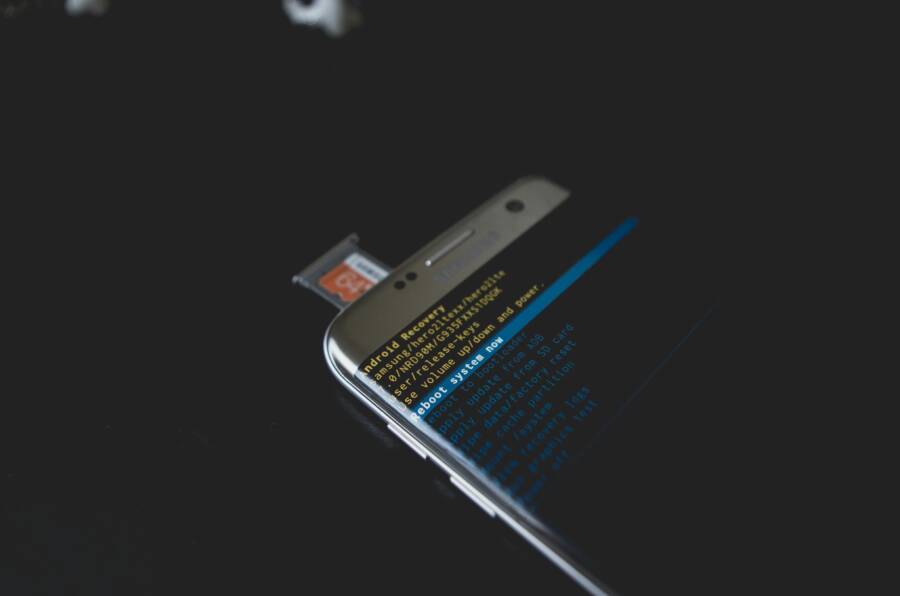
 Photo by Kelvin Valerio
Boot into Safe Mode to Test Apps
Safe Mode is a valuable diagnostic tool. It loads the phone with only essential software, letting you see whether a third-party app is to blame. If the power button works in Safe Mode but not in normal mode, an app is likely causing the issue. If it fails even in Safe Mode, the problem leans toward a software or hardware fault that needs deeper inspection.
- Android: To enter Safe Mode, press and hold the power button until the power menu appears, then tap and hold Power off until you see the Safe Mode prompt. Confirm to restart in Safe Mode.
- iPhone: Safe Mode as a direct toggle isn’t available, but you can simulate a similar test by disabling recent or suspicious apps via Settings > General > iPhone Storage. In some models this helps you isolate problematic software without hardware tweaks.
What to do next:
- In Safe Mode, monitor how the device responds to wake and restart actions. If the button behaves normally, start uninstalling recently added apps one by one.
- If you identify a rogue app, remove it and reboot normally to confirm the fix.
For a broader guidance set on Safe Mode behaviors across devices, see resources like Google’s help articles and community discussions:
- Find problem apps by rebooting to safe mode (Pixel): https://support.google.com/pixelphone/answer/2852139?hl=en
- Safety and testing discussions on iPhone Safe Mode usage: https://discussions.apple.com/thread/255804301
Update Your Phone and Clear Cache
Software updates fix known bugs and improve input handling. Clearing cache helps if background services are misbehaving and dragging down performance.
- Android: Open Settings > System > Software Update. Check for updates and install. Then go to Settings > Apps, select an app, and choose Storage > Clear Cache. Do this for frequently used apps if you notice a pattern.
- iPhone: Settings > General > Software Update. If an update is available, install it. To clear app cache, you can offload or reinstall apps that seem sluggish, or use Settings > General > iPhone Storage to clean cache-heavy apps individually.
What to watch for:
Thousands of People Were Struggling With Money Until They Discovered This One Ancient Secret Hidden in Sound
>>> Unlock It Now <<<
- After updating, restart the phone and perform a few wake/rest actions with the screen on. If the power button responds more consistently, the fix is software related.
- If issues persist after updates and cache clearing, the problem may be deeper in the OS or hardware, and you should consider the next steps.
If you want deeper context on how updates can impact button behavior, reputable guides discuss practical outcomes for iPhone and Android devices:
- iPhone power button not working guide: https://www.asurion.com/connect/tech-tips/iphone-power-button-not-working/
- Android restart and update tips: https://www.slashgear.com/1988889/ways-to-restart-your-android-device-without-using-power-button/
Tips to prevent future issues:
- Keep the OS updated and install apps from trusted sources.
- Restart occasionally to clear lingering processes that may affect input handling.
- Back up regularly so you can recover quickly if a software reset becomes necessary.
Factory Reset as Last Software Step
If all else fails, a factory reset can restore the phone to its original software state. This step erases apps, data, and settings, returning the device to the condition it was in when first purchased. Treat this as a last resort after you have exhausted safer options.
- Android: Settings > System > Reset > Factory data reset. Follow the on-screen prompts to erase all data and reset the device.
- iPhone: Settings > General > Transfer or Reset iPhone > Erase All Content and Settings. Confirm with your passcode and Apple ID if required.
Before you proceed:
- Back up all important data to cloud storage or a computer.
- Ensure you know your account credentials to avoid lockout after the reset.
What to expect:
- After the reset, set up the phone as new or restore from a backup. Check the power button function during initial setup tests.
- If the button remains unresponsive after a factory reset, the issue is almost certainly hardware related and you should visit a professional repair service.
If you’re unsure about performing a factory reset, consult official support pages or trusted guides for model-specific steps:
- iPhone force restart and reset guidance: https://support.apple.com/guide/iphone/force-restart-iphone-iph8903c3ee6/ios
- General restart methods for Android devices: https://www.slashgear.com/1988889/ways-to-restart-your-android-device-without-using-power-button/
Key takeaways:
- Software tweaks fix the majority of power button issues caused by apps, cache, or OS glitches.
- Safe Mode helps isolate third-party software as the culprit.
- Use a factory reset only when software fixes fail and hardware problems are ruled out.
If you still face trouble after trying these steps, a professional diagnostic can confirm whether a button replacement or more extensive service is needed. For practical guidance on iPhone and Android power button concerns, trusted guides are worth reviewing:
- iPhone specific guidance: https://www.asurion.com/connect/tech-tips/iphone-power-button-not-working/
- Android restart without power button: https://www.slashgear.com/1988889/ways-to-restart-your-android-device-without-using-power-button/
Clean and Test Hardware at Home
A working power button is a small but essential piece of your smartphone’s daily toolkit. When it starts acting up, the quickest path to a reliable fix often lies in a careful hardware clean and a straightforward test. In this section, you’ll learn practical at-home checks to spot obvious issues, proven cleaning methods that won’t harm internal components, and simple tests to confirm whether the button’s problem is messy dirt, wear, or something more serious. Think of it as a hands-on diagnostic before you consider professional repairs.
Inspect for visible damage and wear
Start with a careful visual check. A close look can reveal clues that explain why the button feels stiff, sticks, or sinks when pressed. Common signs include cracks around the button housing, a button that wobbles, or misalignment with the bezel. If you see any of these, the issue is leaning toward hardware damage and a professional repair may be needed.
What to look for:
- Cracks, gaps, or loose button housing around the edge of the device.
- A button that visibly sits low or moves laterally when pressed.
- Abnormal gaps between the button and the frame, or any sign of impact damage.
If you notice visible damage, stop pressing firmly. Repeated pressure can worsen internal misalignment or loosen components. A quick diagnostic at a reputable repair shop can confirm whether a swap of the button or a broader hardware service is required. For a practical overview of common failure signs after drops, see repair guidance from trusted sources: https://www.quikfix.repair/the-power-button-on-my-phone-is-not-working/
Clean the button area without pushing grime deeper
Dirt, oils, and pocket lint around the button are frequent culprits. A gentle clean can restore feel and responsiveness without risking moisture intrusion. Use non-abrasive tools and avoid soaking any openings.
Proven steps:
- Power off the device before cleaning to prevent accidental inputs.
- Use a soft brush or microfiber cloth to remove loose debris around the button.
- If stubborn grime sticks to the button edge, use a tiny amount of isopropyl alcohol on a cotton swab. Gently dab; never flood the button or openings.
- After cleaning, test the button with light, deliberate presses to gauge any improvement.
If you want to see best practices for keeping hardware clean without causing damage, reputable resources cover safe cleaning routines for smartphones and their screens: https://support.apple.com/en-us/108765
Test the button through simple at-home steps
A few controlled checks can help isolate whether the button is physically stuck or simply unresponsive due to a software or wear issue. Perform these tests with the device powered down or at a safe state to avoid accidental actions.
- Press feel test: Gently press the button with consistent, even pressure. Does it return quickly, or does it feel stuck or loose?
- Coincidence test: Try using the button in quick successions (power on, power off, wake) to see if the behavior changes with different timing.
- Bezel alignment test: Run your finger along the edge to feel for any wobble that might indicate a misaligned housing.
If the button remains unresponsive after these checks, the root cause could be deeper inside the device. A professional diagnostic will help determine whether a repair is needed.
Clean and reassemble with care
If you opened the device for inspection, reassemble carefully. A misaligned screen, a loose connector, or a mis-seated button can create ongoing issues even after a cleaning. If you’re not confident in reassembly, skip to professional help rather than force-fitting parts.
For a detailed start-to-finish approach to hardware checks and reassembly, consider guides from reputable repair resources that walk through common pitfalls and safety tips: https://www.quikfix.repair/the-power-button-on-my-phone-is-not-working/
When to escalate to professional service
Most at-home cleaning and basic testing resolve minor debris or wear. If you’ve cleaned around the button, tested in Safe Mode or with reboot attempts, and the power button still misbehaves, it’s time to escalate. A certified technician can confirm whether the button needs replacement or if there are unseen internal issues like a damaged flex cable or a loose connector.
Professional diagnostics tend to be quick and precise. They can also offer upfront cost estimates so you’re not surprised by the bill. If you want a sense of what a typical hardware diagnosis involves and what kinds of repairs you might face, reputable service guides provide practical insights: https://www.asurion.com/connect/tech-tips/iphone-power-button-not-working/
Quick tips to minimize future wear
- Protect the frame and button area with a case that offers a snug, vibration-free fit.
- Clean the button area regularly, but avoid aggressive scrubbing or moisture near openings.
- Use on-screen wake gestures when possible to reduce repeated pressing.
- Back up data often so you can recover quickly if a hardware problem escalates.
All these steps help extend the life of the physical controls and keep your device usable while you plan longer-term fixes.
Quick reference tests you can perform at home
To wrap up this section, here are compact, repeatable checks you can run anytime your power button feels off. These are designed to be quick yet informative, giving you a clear sense of whether you should seek professional help.
- Visual inspection: Look for cracks or misalignment around the button.
- Debris check: Clean the area around the button with a soft brush; then test the press.
- Power check: Power the device on and off a few times using the button if possible; note any inconsistent action.
- Software check: If the button works in Safe Mode but not in normal mode, a software issue might be at fault.
If hardware issues persist, you’ll find reliable guidance on next steps from trusted repair resources and official support sites: https://www.asurion.com/connect/tech-tips/iphone-power-button-not-working/
By following these hands-on checks, you’ll quickly determine if the problem is a simple dirty button or a hint of deeper hardware trouble. This keeps you from wasted time and helps you decide when to schedule a professional diagnosis for your trusty smartphone.
Know When to Visit a Repair Shop
Deciding whether you should fix the power button at home or take the device to a pro can be tricky. The goal is to restore reliable function with minimal downtime and data risk. Below is a practical framework to help you gauge when a repair shop is the right move, plus what to expect from the process.
Recognize clear signs hardware is failing
If the button shows persistent physical symptoms, a shop is usually the best option. Look for:
- Visible cracks, a button that wobbles, or misalignment with the bezel.
- A button that sinks in or won’t return to its resting position after pressing.
- Unusual sounds like a gritty or rattling feel when you press.
These indicators point to internal components or a shifted assembly that simple cleaning can’t fix. When you notice them, plan a professional diagnostic to avoid causing further damage. For context on typical post-drop failures, see repair guidance from trusted resources: https://www.quikfix.repair/the-power-button-on-my-phone-is-not-working/
Weigh the cost and downtime
Hardware repairs can vary in price, depending on the device model and parts needed. If a button replacement is required, you may face several hours of labor plus parts. Compare this to the potential value of the device and the cost of a replacement. If your phone is still under warranty, contact the manufacturer or an authorized service provider first. This can save you money and ensure genuine parts are used. For a general sense of what repairs involve and typical schedules, reputable guides lay out expectations: https://www.asurion.com/connect/tech-tips/iphone-power-button-not-working/
Consider the age of the device and available alternatives
- If the phone is several years old, a full button replacement might not be worth the investment.
- Explore software and on-screen options that reduce button use while you plan a longer-term fix.
- If you rely on features like double-tap wake or on-screen power menus, you can often maintain full use with these workarounds until you decide on a repair.
For practical guidance on on-screen wake gestures and similar tweaks, see reliable resources that cover iPhone and Android workflows: https://www.asurion.com/connect/tech-tips/iphone-power-button-not-working/
Decide when to DIY versus professional service
Home fixes can handle dirt or minor misalignment, but deeper hardware issues usually require a technician. Consider these decision points:
- If there’s visible damage or the button wobbles, avoid further testing with pressure. A pro should inspect to prevent collateral damage.
- If the device still powers on inconsistently after soft resets or Safe Mode tests, the fault more likely lies in hardware or a complex software interaction that a repair shop can isolate.
When you’re unsure, a quick diagnostic at a reputable repair shop can save time and protect your data. For a sense of what a typical hardware diagnosis involves, trusted guides offer helpful context: https://www.asurion.com/connect/tech-tips/iphone-power-button-not-working/
What to expect from the repair process
- Initial diagnostic: The technician confirms whether the problem is button hardware, internal flex cables, or a broader board issue.
- Parts and timing: If a replacement is needed, you’ll get a parts estimate and a realistic turnaround time.
- Data safety: Ask about data handling during the repair. Reputable shops typically seal the device and protect personal data, but it’s wise to back up beforehand.
For model-specific guidance and official steps to take when hardware fails, you can reference official support and trusted tutorials: https://support.apple.com/guide/iphone/force-restart-iphone-iph8903c3ee6/ios
How to choose the right repair partner
- Look for technicians who specialize in your device brand.
- Check reviews and request a clear written estimate before any work.
- Ask whether they use genuine parts and provide a warranty on the repair.
If you want quick, practical steps for selecting a shop and avoiding common pitfalls, reputable guidance can help you compare options: https://www.asurion.com/connect/tech-tips/iphone-power-button-not-working/
Quick takeaway: trust but verify
A nonfunctional power button is a prompt to assess hardware risk, not just a minor annoyance. If you see obvious damage or the device fails to boot after multiple tests, don’t delay. A pro diagnostic keeps you from guessing and reduces the chance of data loss or additional harm. For confident next steps, consult trusted resources that outline typical repair paths for power button issues: https://www.quikfix.repair/the-power-button-on-my-phone-is-not-working/
In the end, a smartphone is more than a gadget; it’s a daily partner. When a stubborn power button starts dragging you down, a professional repair offers clarity, speed, and a reliable fix that gets you back to normal fast. If you’re leaning toward repair, gather your device’s model details, describe the symptoms clearly, and set expectations for turnaround time and cost with the shop.
Conclusion
A working power button is the difference between quick access and a frustrating day. Start with simple fixes first, and move to deeper tweaks only if needed. Most issues come from grime, minor wear, or a software hiccup that’s easy to clear up.
Recap of key fixes
- Clean around the button and remove debris, then test with gentle presses.
- Try a soft reboot or Safe Mode to rule out software problems.
- Use on screen wake or restart options when possible, and try charging to wake the phone.
- If hardware damage is visible, consider a professional diagnostic and replacement.
Prevention to extend life
- Protect the frame with a snug case and avoid dropping the device.
- Keep the OS updated and limit problematic apps.
- Use on screen wake gestures when feasible to reduce wear.
Take action now
- Try the simplest steps first, then plan a professional check if the button still misbehaves. Share what fixed it in the comments so others can learn from your experience. Your phone back to normal soon.
One final smartphone thought: a well-timed repair keeps daily tasks flowing, so you stay connected without interruption.
He Was Drowning in Bills and Burnout Until a Simple Daily Ritual Rewired His Brain for Wealth in Less Than a Week
>>> Start Your Shift Today <<<