He Was Drowning in Bills and Burnout Until a Simple Daily Ritual Rewired His Brain for Wealth in Less Than a Week
>>> Start Your Shift Today <<<

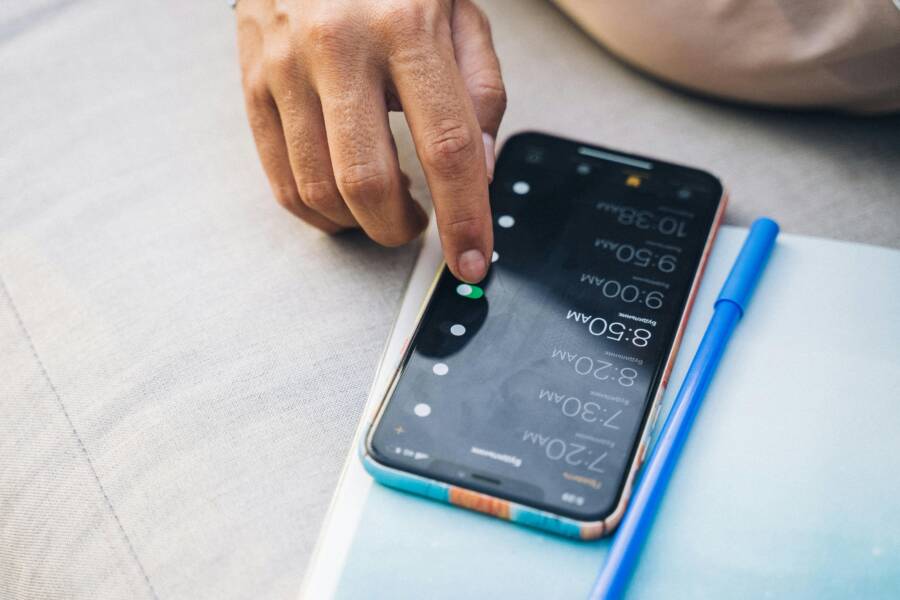
You’re zooming into a photo and your finger presses a bit harder to peek at a menu, but nothing happens. Frustrating, right? Pressure sensitive touch lets your screen read how hard you press. Some brands call it 3D Touch, others use Haptic Touch or similar ideas. This guide covers quick fixes and deeper troubleshooting so you can get pressure sensing back on your phone. Results vary by device, but the steps work for most smartphones. You’ll find practical, step by step actions you can try today.
How pressure sensitive touch works on modern phones
Pressure sensing is a small but powerful feature. Instead of a simple tap, the screen reads the force behind your press. This lets you peek at options, preview content, or activate shortcuts with a firmer press. Different brands label the feature in different ways, but the core idea stays the same: the screen detects pressure to unlock extra actions. When it works, typing, drawing, and app shortcuts feel faster and more intuitive. When it doesn’t, it can slow you down. This guide explains why it can fail and how to bring it back.
What is pressure sensitive touch and how it works
Pressure sensitive touch uses sensors under the display to read how hard you press. A light touch acts like a normal tap, while a heavier press triggers a special response. Think of holding a menu to reveal extra options, or pressing harder in a drawing app to adjust brush thickness. The system translates the pressure into an action you see on the screen. In simple terms, the phone watches your finger’s force and decides what to do next.
Common reasons it stops working
- Screen damage from drops or cracks
- Screen protector or case interfering with sensing
- Dirt, oil, or lotion on the display
- Software glitches or outdated OS
- Settings that affect touch input or sensitivity
- Hardware wear over time
If you’ve noticed a sudden change or a slow response, start with quick checks before deeper fixes.
Thousands of People Were Struggling With Money Until They Discovered This One Ancient Secret Hidden in Sound
>>> Unlock It Now <<<

Quick fixes you can try today
These steps are safe for most users and don’t require tools. After each fix, test by opening a familiar app and trying a light press and a firmer press.
- Clean the screen and check what blocks sensing
- Restart the phone and apply updates
Clean the screen and check what blocks sensing
Dust, oils, or fingerprints can dull the screen’s ability to sense force. Wipe the display gently with a microfiber cloth. If you use a spray, apply only to the cloth, never directly on the screen. Check for a thick or loose screen protector. A misaligned protector can keep the sensors from reading pressure. If a case presses on the display, remove it and test again. After cleaning and adjusting, try a light tap and a firm press in a few apps.
Restart the phone and apply updates
A simple restart clears many glitches. Hold the power button and choose Restart. After it comes back, check for OS updates and app updates. System updates fix bugs that can affect touch input, including pressure recognition. If you notice issues after an update, note which apps behave oddly and test again with those apps.
Deeper troubleshooting for stubborn issues
If quick fixes don’t solve the problem, try these safer, user friendly steps. They aim to reset misconfigurations without wiping your data.
Reset settings without losing data
Many phones let you reset display or touch settings without erasing personal files. This can fix misconfigured options that block pressure sensing. On iOS, you can reset all settings from Settings > General > Transfer or Reset iPhone > Reset All Settings. On Android, look for Reset options under System > Reset, and choose a non destructive option like Reset settings or Reset accessibility settings. Always back up important data first in case something unexpected happens.
He Was Drowning in Bills and Burnout Until a Simple Daily Ritual Rewired His Brain for Wealth in Less Than a Week
>>> Start Your Shift Today <<<
Hardware checks and when to repair
Look for visible signs of trouble. A crack, a bend, or moisture near the screen can damage the sensing layer. If the screen is cracked or you see moisture, stop using it aggressively and contact the manufacturer or a repair shop. Moisture can cause long term harm beyond what’s visible. If your device is under warranty, check your coverage and service options. A professional repair may be needed for damaged sensors or a failing display assembly.
If you own a device with a cracked screen, a high chance exists that pressure sensing is compromised even if the rest of the display looks okay. In these cases, a screen replacement is often the best path to restore full function.
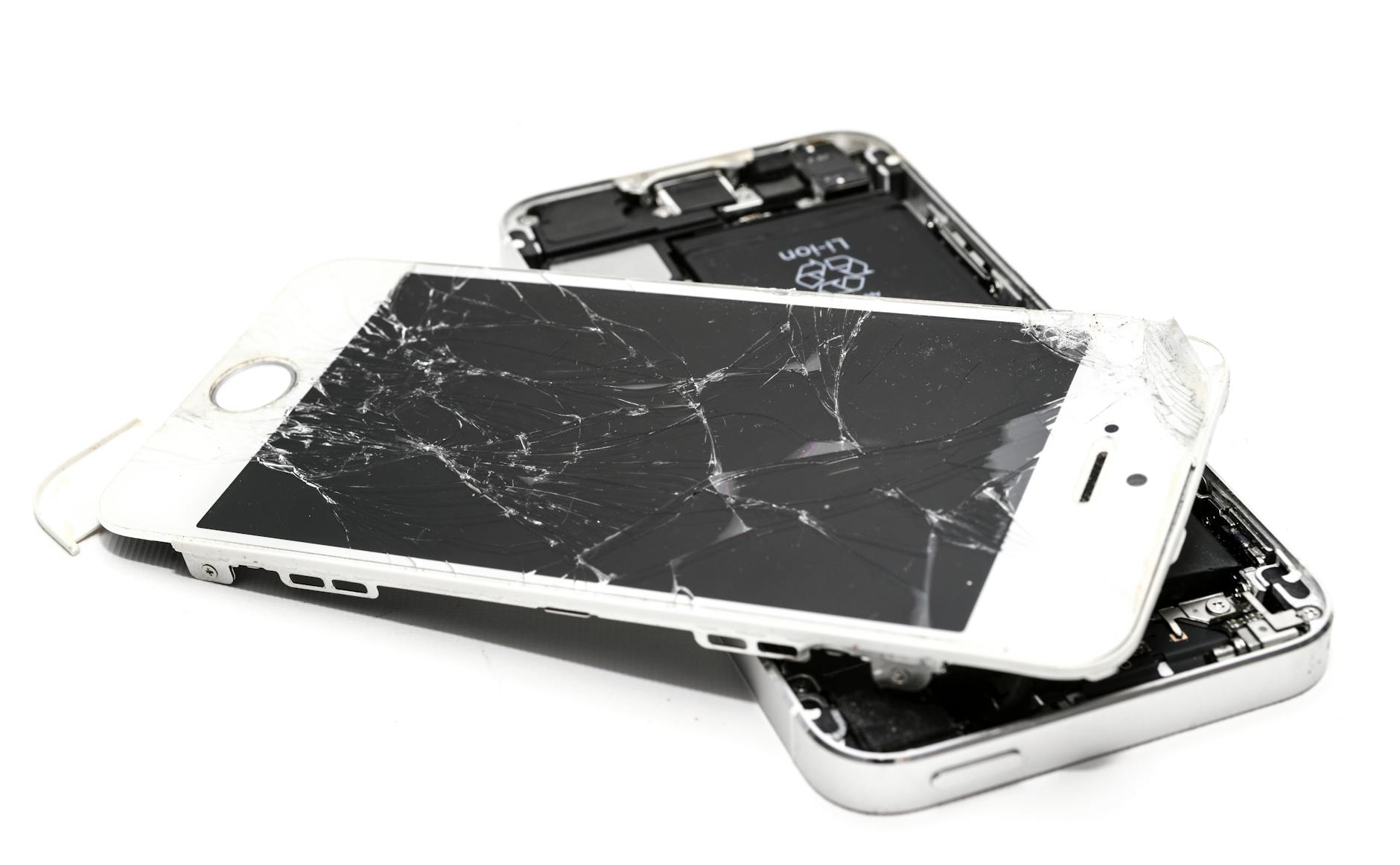 Photo by ClickerHappy
https://www.pexels.com/@clickerhappy
Photo by ClickerHappy
https://www.pexels.com/@clickerhappy
Prevention and ongoing care to keep pressure sensing reliable
A little care goes a long way in keeping pressure sensitive touch responsive. Build habits that protect the screen and maintain software harmony.
Protect the screen and keep it clean
Choose a high quality screen protector that doesn’t interfere with sensing. Some protectors compress the display slightly and dim responsiveness. Look for protectors designed for pressure sensing if available. Clean the screen weekly with a microfiber cloth. Avoid liquids that can seep under the edges and damage the display. If you need to wipe, use a slightly damp cloth and dry immediately. Regular cleaning helps maintain consistent touch input.
Keep software fresh and compatible
Software compatibility matters for pressure sensing. Keep the OS and apps updated; developers frequently refine gesture controls and input responses. If your phone is older, you may face laggier response times or limited support for newer pressure features. In that case, consider applying all available updates and switching off features you don’t use that drain performance. Periodically review accessibility settings that affect touch input and adjust them to your needs.
Conclusion
A phone that doesn’t recognize pressure sensitive touch can disrupt how you interact with maps, drawing apps, and shortcuts. Start with quick checks like cleaning the screen, adjusting a protector, and updating the system. If the issue sticks, reset non essential settings and run a hardware check. Visible damage or moisture is a clear sign to seek repair. With a careful approach, most phones regain their pressure sensing without a full restore.
He Was Drowning in Bills and Burnout Until a Simple Daily Ritual Rewired His Brain for Wealth in Less Than a Week
>>> Start Your Shift Today <<<
Here’s a simple checklist to use:
- Clean the screen and remove anything that blocks sensing
- Remove or adjust a thick screen protector or tight case
- Restart the device and install updates
- Test across a few apps with light and firm presses
- If needed, reset display or touch settings
- Check for hardware damage or moisture and contact support if present
If you try these steps and still have trouble, drop a note in the comments with your model and what you’ve tested. Readers often share fixes that fit specific devices, and your experience can help others solve the same issue.
She Pressed Play on a Strange Audio Track and Within Days Her Financial Reality Started Shifting in Ways She Could Not Explain
>>> See How It Works <<<
