She Pressed Play on a Strange Audio Track and Within Days Her Financial Reality Started Shifting in Ways She Could Not Explain
>>> See How It Works <<<

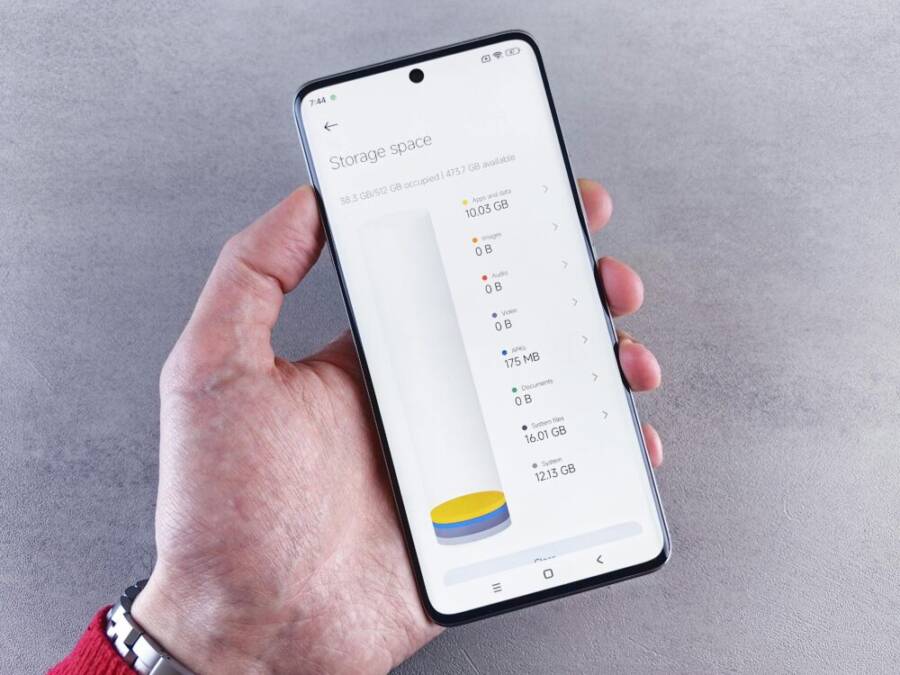
What uses storage on your phone and how to free up space without deleting photos
Every smartphone accumulates data beyond the photos you take. Apps, caches, and offline files quietly clog space, making your device feel slow or cramped. The good news is you can reclaim storage without sacrificing memories. This section breaks down what usually eats space and practical steps to free it up.
Photos and videos: the main space hogs you should know
High resolution media can take up a surprising amount of space. A single 4K video can clock in at several gigabytes, while high resolution photos in formats like HEIC or JPG add up quickly, especially when you shoot in burst mode or enable Live Photos. Here’s a quick overview of the typical size dynamics:
- Photos: HEIC generally uses less space than JPG while maintaining quality. If you export or share, you may convert to JPG, which increases size.
- Videos: Longer clips, 4K resolution, and high frame rates multiply file sizes fast. Even shorter clips can accumulate when you shoot often.
- Formats and storage impact: HEIC reduces file size with modern compression, but not all services and devices play well with it. JPG is universally compatible but larger. Video size depends on length, resolution, bitrate, and encoder.
High level strategies to keep access to memories while saving space:
- Optimize storage on your device. Many phones offer a setting to store full-resolution media in the cloud while keeping smaller, device-optimized previews on your phone.
- Back up and then archive. Regularly back up to a trusted cloud service or computer, and remove local copies of items you can re-download later.
- Create a selective archive. Save only the best shots in high quality while keeping duplicates and near-duplicate shots out of your main library.
- Use non-destructive sharing options. Share links to high quality images or videos instead of duplicating files on-device.
To help balance accessibility and space, consider enabling cloud-backed Photo Library or similar features on your device. These tools can automatically optimize storage while preserving your memories in the cloud, so you don’t have to decide what to delete.
What If the Only Thing Between You and the Life You Deserve Is a Hidden Wealth Code Waiting to Be Activated
>>> Open the Door <<<

He Was Drowning in Bills and Burnout Until a Simple Daily Ritual Rewired His Brain for Wealth in Less Than a Week
>>> Start Your Shift Today <<<

 Photo by Andrey Matveev
Thousands of People Were Struggling With Money Until They Discovered This One Ancient Secret Hidden in Sound
>>> Unlock It Now <<<

- For iPhone users, Apple’s Live Photo and iCloud Photos can be a great pairing. You can enable Optimize iPhone Storage to keep smaller on-device previews while storing full versions in iCloud. Learn more about managing photo storage on Apple devices. https://support.apple.com/en-us/105061
- If you use Android, you can still optimize similar workflows through Google Photos and device-specific options that compress or cloud-backup media automatically. Here is a practical guide on how to keep photos from taking up too much space on Android and iPhone. https://www.makeuseof.com/hidden-files-wasting-space-android/
When in doubt, run a quick audit of your camera settings. Reducing the photo burst rate, lowering video resolution, or limiting live photos can have a meaningful impact without forcing you to delete meaningful memories.
Other big space robbers: apps, caches, and downloads
Photos aren’t the only culprits. App data, caches, and downloaded content can fill your device faster than you expect. The key is to identify non-photo clutter and tackle it in focused steps.
- App data and caches: Apps store data to speed up performance, but this data can accumulate. Cache files from browsers, streaming apps, and social media can grow large over time.
- Offline content: Music and video apps often download for offline listening or viewing. Offline maps and large PDFs or eBooks consume space that isn’t obvious at first glance.
- Downloads and miscellaneous files: Documents, receipts, and miscellaneous downloads can sit on your device long after you’ve finished with them. Clearing old items frees space without touching your photo library.
Here are practical steps to reclaim space without touching memories:
- Clear app caches and offline data
- On most devices, you can clear cached data from the app info screen. This removes temporary files that apps store to speed up usage but aren’t essential long term.
- For browsers, purge cached files, cookies, and history periodically. This can reclaim a surprising amount of space without impacting your saved data.
- Manage music, videos, and offline content
- Review apps that store offline media. For example, music apps often keep downloaded songs; you can delete local copies and re-download when needed.
- Offline maps pack a lot of data. If you rarely use them offline, switch to online maps or delete older map packs you don’t need.
- Tidy up large downloads and documents
- Check your Downloads folder for old PDFs, presentations, or other files you’ve already moved or shared.
- Move large documents to cloud storage or a computer backup, and remove local copies.
- Use smart storage features
- Many devices offer “storage optimization” features that automatically remove or compress unused files. Enable these where available.
- Schedule regular cleanups to prevent clutter from building up again.
To get a sense of where clutter hides, complete a quick audit of your apps and files. You may find a few big caches or offline media that you forgot were there. For more tips on where hidden files live on Android and iOS, see discussions about how caches and downloads accumulate space on modern devices. https://www.thisisglance.com/learning-centre/why-is-my-app-using-so-much-data-and-storage-space
- You can also learn from user experiences about common space hogs and how to address them. For example, a discussion on Reddit highlights how many apps cache data and how that affects storage. https://www.reddit.com/r/mildlyinfuriating/comments/1audv2q/the_majority_of_the_storage_space_on_my_phone_is/
- If you want a broader guide to keeping photos and videos from taking up space, consider guidance that discusses optimizing storage and backup strategies. https://www.wired.com/story/how-to-keep-photos-and-videos-taking-up-space/
When in doubt, start with your most space-hungry apps. Popular culprits include social media apps, streaming services, and navigation apps that cache large amounts of data for quick access. Reducing the footprint of these apps can free up substantial space without removing precious memories or needed files.
Thousands of People Were Struggling With Money Until They Discovered This One Ancient Secret Hidden in Sound
>>> Unlock It Now <<<