She Pressed Play on a Strange Audio Track and Within Days Her Financial Reality Started Shifting in Ways She Could Not Explain
>>> See How It Works <<<

Have you ever grabbed your phone only to face a sudden drop in life when you need it most, even though it was charged? That frustration often comes from a battery that’s lost its edge. Understanding your battery health helps you see how much charge your phone can hold now versus when it was new, so you can plan for better all day performance.
This quick guide explains what battery health means in plain terms and why it matters for everyday use. You’ll learn how to check it on both iPhone and Android devices using built-in tools, plus what each percentage tells you about your phone’s ability to last through a typical day. The goal is simple: you want honest insight into how long your phone can run between charges and when a battery replacement might be worth it.
First, we’ll cover iPhone steps that most users can follow in a minute or two. Then we’ll walk through Android paths, noting brand differences but keeping the approach practical. You’ll also see reliable apps that provide clear wear data if you want extra detail. These built in options and trusted utilities help you stay in control without guesswork.
By the end, you’ll know how to interpret your results and what actions to take to improve longevity. If the health reading is dipping, you’ll have concrete, real world tips to stretch each charge, protect peak performance, and plan for a battery refresh when needed. This knowledge helps a smartphone perform at its best longer, without surprises.
What If the Only Thing Between You and the Life You Deserve Is a Hidden Wealth Code Waiting to Be Activated
>>> Open the Door <<<

What Is Phone Battery Health and Why Check It
Battery health is a simple way to describe how much charge your phone’s battery can hold today compared with when it was new. Over time, every lithium-ion cell loses capacity and becomes less able to deliver peak power. That means shorter usage between charges and slower performance in some tasks. Understanding battery health helps you decide when to adjust charging habits, extend the device’s life, or consider a replacement.
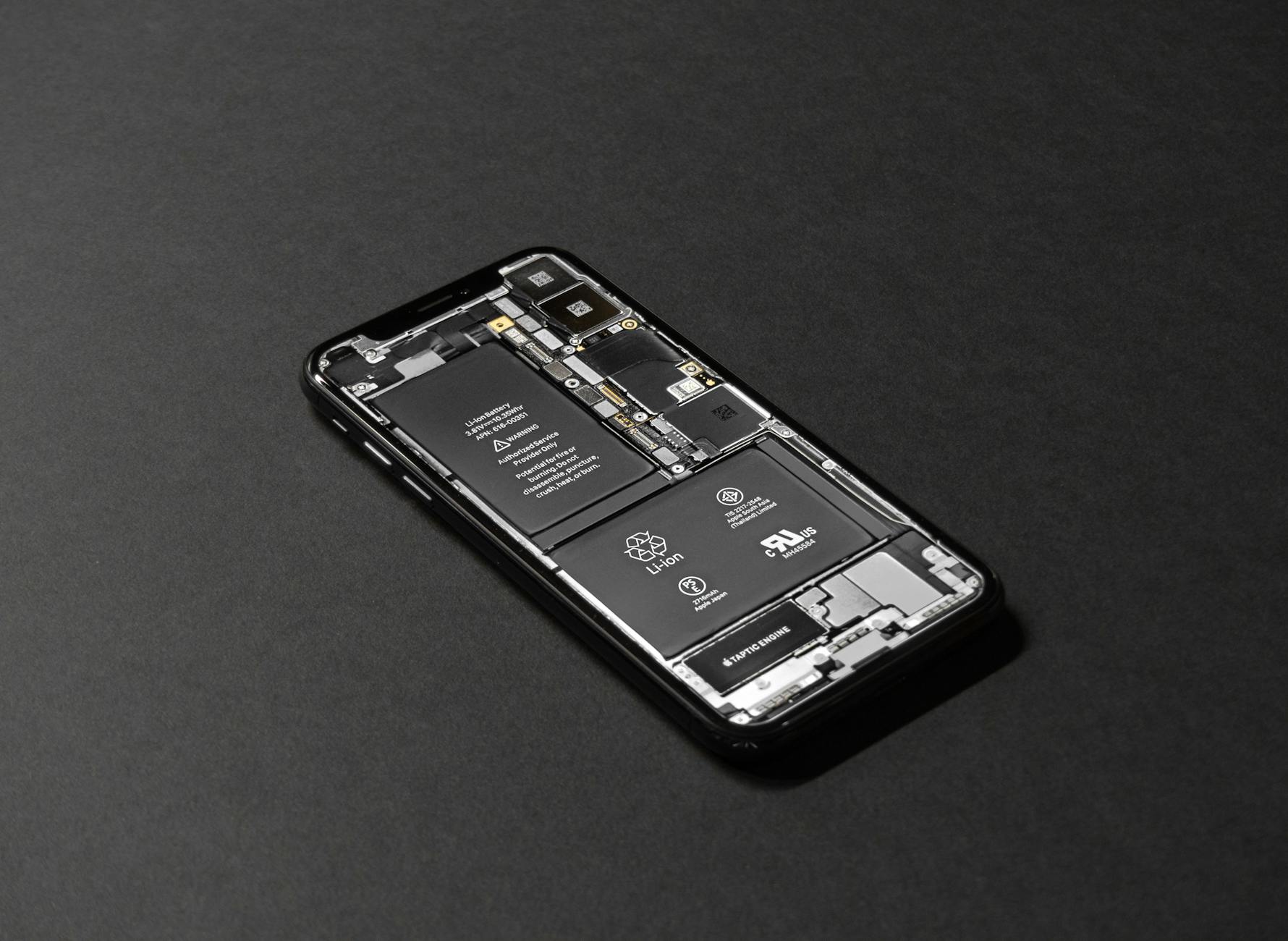 Photo by Tyler Lastovich on Pexels
What battery health really tells you
- Capacity today vs new: Health is often expressed as a percentage indicating current maximum capacity relative to the original capacity. A battery at 80% can still power your phone, but it will run down faster between charges.
- Charge cycles: A cycle equals using 100% of the battery’s capacity, though not necessarily in one go. Recharging from 50% to 100% twice counts as one full cycle. Most devices are designed to endure a few hundred to about a thousand cycles before noticeable degradation.
- Performance correlation: When health drops, phones may throttle performance to prevent unexpected shutdowns, which can feel like slower app launches or hiccups during gaming.
For a practical frame of reference, iPhones from recent generations are engineered to tolerate around 500 to 1,000 full charge cycles before the battery reaches a substantially lower capacity. Android devices vary by model and manufacturer, but the principle is the same: wear leads to shorter screen time between charges and sometimes reduced peak performance. For a detailed breakdown, see resources like iFixit’s overview on smartphone battery health and Apple’s official battery and performance guidance.
Why you should check battery health regularly
- Plan for replacements before you’re left with an dead device during a busy day.
- Decide if you should calibrate, adjust charging habits, or enable battery-optimized features.
- Compare your device’s health to a fresh unit of the same model to gauge remaining life.
- Be prepared for longer-term budgeting when you plan to upgrade or repair.
If you want a quick read on how Android battery health is evaluated, Tom’s Guide explains the steps to check health in common Android setups and highlights when to consider a replacement. For a brand-specific view, Samsung’s battery care guidance outlines maintenance steps that keep your Galaxy battery performing well over time.
How battery health is measured
- Nominal capacity: The rated capacity of a new battery, typically expressed in milliampere-hours (mAh) or watt-hours (Wh). As health declines, the usable capacity falls below this value.
- Current maximum capacity: The live capacity your device can store now. When this drops significantly, you’ll notice quicker drain.
- Performance throttling: Some devices slow down processing to protect the battery when health is poor or temperatures spiking.
If you’d like to explore these concepts deeper, you can read about battery health on iFixit, which explains cycles and aging in accessible terms, and Apple’s explainer on how iPhone performance relates to battery aging.
Quick guide to reading your battery health
- If health is above ~90%, you should expect near-nominal daily performance and long runtime.
- Around 80% health, you’ll notice shorter days between charges; keeping your phone charged more often helps, but plan for a replacement soon.
- Below 70%, plan for a battery replacement if longevity is important for your daily use.
Practical tips to maximize health and longevity
- Maintain a stable charging routine: avoid extreme 0% and 100% states whenever possible.
- Keep software updated: updates often optimize power management.
- Avoid heat: high temperatures accelerate wear; don’t leave the phone in hot cars or direct sunlight.
- Use official chargers: third-party adapters can be unreliable and slower to charge.
- Enable power-saving features when needed to preserve remaining health.
If you want more practical steps, Apple’s battery and performance guide provides clear context for iPhone users, while Samsung’s battery care resources offer brand-specific maintenance tips. For broader Android guidance, Tom’s Guide covers common checks and when to replace or repair.
Takeaways
- Battery health is a practical indicator of how much usable life your phone has left.
- Regular checks help you avoid surprise shutdowns and plan replacements.
- Simple habits can slow wear, but all rechargeable batteries have a finite life.
Links for deeper reading:
- Smartphone Battery Health overview — iFixit
- iPhone battery and performance — Apple Support
- How to check Android battery health — Tom’s Guide
- How to check and maintain Android battery health — PhoneCheck
Photo credits:
- Photo by Tyler Lastovich on Pexels: High-resolution image of a smartphone showcasing its internal components on a dark surface.
How to Check Battery Health on Your iPhone Step by Step
Advanced iPhone Battery Insights with Shortcuts
Battery Report Vcard is a powerful shortcut for power users who want deeper insight into their iPhone’s battery. The setup is simple: install the shortcut, grant analytics access, and run it to see design capacity and current cycles. When you open Analytics Data, the shortcut reads system logs that traditional battery menus don’t display. The result is a clear readout of your battery’s design capacity (the original mAh) and the number of charging cycles your battery has completed. This can help you judge wear more precisely than a simple maximum capacity percentage.
- Install and run: Add the Battery Report Vcard shortcut from a trusted source, then launch it from the Shortcuts app.
- Analytics data: Allow iOS to share analytics so the shortcut can extract real wear metrics.
- Interpret results: Focus on design capacity versus current capacity and remember cycles indicate wear.
If you want the deepest dive, this method complements the standard steps in Settings and keeps you ahead of surprises. Learn more about the shortcut here: https://routinehub.co/shortcut/19090/
Easy Ways to Check Battery Health on Android Phones
Battery health tells you how much life your phone’s battery has left and how that affects daily performance. On Android, there are quick built-in checks and a range of apps that give clearer wear data. In this section, you’ll find simple, actionable methods to gauge battery health on Samsung Galaxy devices, Google Pixel and other Android phones, plus a trusted third-party app that works across brands. Use these checks to plan maintenance, calibrations, or a battery replacement with confidence.
Samsung Galaxy Battery Check with Members App
Samsung’s official diagnostic tools are designed for quick, accurate insights without third-party apps. Here’s how to access them and what to look for.
- Open the Samsung Members app and go to the Support tab.
- Tap Phone Diagnostics and choose Test All or specifically Battery Status.
- You’ll see a health status such as Normal, Weak, or Bad, plus details like remaining capacity and cycle count. This helps you decide whether a replacement is needed now or in the near future.
- For deeper logs, you can use the hidden dialer code *#9900#. It opens the SysDump menu with logs that advanced users sometimes use to analyze battery behavior. You’ll find data related to battery cycles and charging events, which can corroborate what you see in the standard diagnostics.
- If you don’t want the extra detail, you can still rely on Settings for a quick view: go to Settings > Battery and Device Care > Battery to see usage patterns and health indicators, though it’s less granular than the Samsung Members outputs.
- Outputs you’ll typically interpret: a healthy device shows “Normal” with a high current maximum capacity; a degraded battery shows reduced capacity and possibly guidance to replace.
Tip: Run diagnostics after a few charge cycles to see how health trends evolve over time. For Samsung owners seeking brand-specific maintenance tips, the official battery care resources offer practical steps to extend life without extra tools.
Google Pixel and Other Android Built-in Tools
Android 15 introduces more direct battery health insights, while many manufacturers keep a consistent set of built-in tools. Here’s how to access them and what each option reveals.
- Settings path for Pixel and Android 15+: open Settings > Battery > look for Battery Health. You’ll see a percentage that compares the current capacity to the original, plus guidance on sustaining longevity.
- If you’re using a non-Pixel Android device, the core concepts remain the same. Some brands may place health indicators under Device Care or Battery within settings, with slightly different wording.
- Dialer codes let you pull quick hardware-level details. Enter
*#*#4636#*#*to access a battery information screen on supported devices. It may show battery status, level, scale, and health if your model supports it. - Some manufacturers include
*#*#6485#*#*for diagnostic data specific to certain models (not all devices support this). Use cautiously; these codes are intended for advanced users and can vary by OEM. - Practical interpretation: a healthy battery maintains a high health percentage, steady charge acceptance, and minimal throttling. If health dips, you’ll notice shorter daily uptime and more frequent charging needs.
- If the built-in tools don’t satisfy your curiosity, you can supplement with third-party apps, but start with the stock readings to avoid confusion. For many users, Pixel’s health readout and similar OEM tools provide enough clarity to guide daily charging habits.
Keep in mind that health readouts are estimates. Temperature, charging habits, and background usage can influence readings. When in doubt, monitor trends over a few weeks to separate temporary fluctuations from real wear.
Best App for Any Android: AccuBattery
A dependable third-party option can offer consistent wear data across diverse devices. AccuBattery specializes in showing battery wear, real capacity, charging currents, and more than the stock tools.
- How to get started: download AccuBattery from the Play Store, install, and use it for a few days to collect data. The app needs a short period of access to charging and usage information to provide meaningful insights.
- Health tab: you’ll see the current health percentage, which reflects the ratio of current maximum capacity to the designed capacity. This gives you a concrete read on wear.
- Wear estimation: AccuBattery tracks how many charge cycles you’ve completed and estimates wear based on real-world charging and discharging. This helps you forecast when a replacement might be prudent.
- Cross-reference: for deeper technical insight, compare data with other tools like CPU-Z or Battery Monitor apps. This context helps you confirm patterns rather than rely on a single source.
- Why it’s reliable: AccuBattery bases its readings on observed battery behavior rather than generic estimates. It provides practical guidance for charging habits that can slow wear and extend overall life.
- Quick note: if you’re new to battery health tracking, start with the Health tab and then explore charge cycle data, discharge rates, and temperature. A consistent pattern is more valuable than a single data point.
Using AccuBattery across devices helps you build a clear picture of wear over time. It’s especially helpful when you own multiple Android devices or switch between Galaxy and Pixel hardware. The app is straightforward, nonintrusive, and designed for real-world use, making it a reliable companion for ongoing battery health monitoring.
Takeaways
- Samsung Members offers a focused, brand-specific diagnostic path with clear battery status indicators.
- Pixel and other Android built-in tools give a simple health readout and practical tips for preserving longevity.
- AccuBattery provides cross-device wear data and actionable insights, making it a solid companion app for Android users.
What Your Battery Health Number Means and When to Replace
Understanding your battery health number helps you predict how long your phone will last between charges and when a replacement makes sense. This section explains what the health percentage tells you in real life and offers clear guidance on replacement timing for both iPhone and Android devices.
She Pressed Play on a Strange Audio Track and Within Days Her Financial Reality Started Shifting in Ways She Could Not Explain
>>> See How It Works <<<
What the health percentage tells you
Your battery health percentage compares your current maximum battery capacity to the original capacity when the battery was new. A higher number means more usable capacity and longer life between charges. A lower number signals more wear and faster drain. In everyday use, this translates to:
- Shorter days between charges as health drops.
- More frequent charging, especially after heavy use.
- Potential slowdowns or throttling to protect the battery when wear is high.
For many users, the health percentage is a practical cue. If you’re consistently seeing a drop in daily performance, a health reading in the 70s or below often signals it’s time to consider a replacement. If you’re above 90 percent, you can expect near-nominal performance and runtime. These guidelines align with common industry considerations and user experiences across iPhone and Android devices.
Practical tip: health readings are estimates. Temperature, charging habits, and background tasks can influence the number you see. Track the trend over several weeks rather than reacting to a single reading.
For more context, you can explore how experts view battery wear and its impact on performance in independent guides and brand notes.
What If the Only Thing Between You and the Life You Deserve Is a Hidden Wealth Code Waiting to Be Activated
>>> Open the Door <<<
When to replace your battery: iPhone vs Android
There isn’t a single universal trigger for every phone, but real-world guidance helps you decide before you’re stuck with a sudden shutdown or poor performance.
- iPhone: Replacement is generally recommended when battery health falls to 80% or lower. At this level, you’ll notice shorter days between charges and a higher chance of unexpected shutdowns or slower performance. AppleCare+ may cover battery replacement if you’re within warranty or meet specific conditions. Newer iPhones aim to keep around 80% capacity after roughly 1000 charge cycles, while older models hit that mark sooner. For a quick read on the policy and practical tips, see How-To Geek’s guide on telling when an iPhone battery needs replacement. https://www.howtogeek.com/how-to-tell-you-need-to-replace-your-iphone-battery/
- Android: There is no single official threshold. Most users and manufacturers consider replacement around 80–85% health, especially if you notice rapid drain, overheating, or slower performance. Since Android devices vary by model, rely on your device’s health readout and real-world behavior as the primary signals. A practical overview of Android battery health checks and when to replace is available in general guidance across popular guidance sites. For broader context, see discussions on Android battery health practices. https://thelabrepair.com/blog/when-to-replace-your-cell-phone-battery/
If you want a compact reference, a simple table helps you compare the typical thresholds:
| Phone Type | Replacement Battery Health Threshold | Notes |
|---|---|---|
| iPhone | 80% or below | AppleCare+ may cover replacement; consider upgrades after many cycles |
| Android | ~80–85% or below | No universal official threshold; replace if rapid drain or overheating occurs |
Key takeaway: use health as a forward-looking signal. If you’re nearing 80% and relying on your phone daily, plan for a replacement so you aren’t caught off guard.
How to decide based on real-world symptoms
Even if the percentage isn’t at the threshold, symptoms can point to a replacement:
- Rapid or unexpected shutdowns, especially at higher battery levels.
- Noticeable performance throttling during games or video streaming.
- Excessive heat during charging or normal use.
- You routinely need to recharge midday or carry a power bank.
If you notice these signs, check the health reading, observe any trends over a few weeks, and consider a replacement if the symptoms persist.
How to extend battery life while you plan a replacement
- Avoid deep discharges and keep the charge between 20% and 80% when possible.
- Use official chargers and cables to ensure safe, efficient charging.
- Keep software up to date. Power management improvements ship with updates.
- Manage heat. Don’t leave your phone in hot cars or direct sun.
- Enable battery saving features during heavy use or long days away from a charger.
If you want to dive deeper into maintenance, there are brand-specific guides that walk you through optimizing charging habits and using battery health tools to prolong life.
Takeaways
- Your battery health percentage is a practical gauge of how much usable life your phone has left.
- A common replacement cue is 80% health for iPhones; Android users often aim for 80–85%, depending on symptoms.
- Regular checks help you avoid surprises and budget for a replacement when it makes sense.
Further reading and reference points
- How to tell you need to replace your iPhone battery — How-To Geek: https://www.howtogeek.com/how-to-tell-you-need-to-replace-your-iphone-battery/
- When to replace your cell phone battery — The Lab Repair: https://thelabrepair.com/blog/when-to-replace-your-cell-phone-battery/
If you’d like a quick, brand-specific read that ties the numbers to real-world behavior, check resources from Apple Support and reputable outlets that summarize battery health thresholds.
Simple Tips to Maintain and Boost Your Phone Battery Health
Keeping your battery healthy isn’t about one big fix. It’s a set of small, consistent habits that reduce wear and help you get the most from each charge. This section lays out practical steps you can start using today, whether you’re an iPhone user or Android pro. Think of it as a toolkit you can pull from when you want that extra hour or two of screen time without hunting for a charger.
Daily habits that extend life
Good daily routines matter more than rare, dramatic changes. Small choices add up.
- Use a moderate charge range: aim to keep your battery between 20% and 80% when possible. Constantly hitting 0% or 100% wears the cell faster.
- Dim the display and adjust brightness: a brighter screen drains power quickly. Set brightness to auto or lower it in most situations.
- Limit background activity: close apps you aren’t using and limit background data when you’re away from a charger.
- Keep your device cool: heat speeds wear. Avoid leaving your phone in a hot car or in direct sunlight for long periods.
- Update software regularly: power management improvements come with updates, so don’t skip them.
A quick read on Android power saving and general tips can help you tailor these habits to your device. For example, Google’s guidance highlights settings that stretch a charge on many phones, especially when doing heavy tasks. You can explore practical steps for your Android device on their support pages. https://support.google.com/android/answer/7664692?hl=en
Smart charging practices for longevity
Charging habits have a big impact on long-term health. Small adjustments keep the battery happier.
- Avoid overnight charging when possible: modern phones handle charging safely, but long periods at 100% still imposes stress.
- Use the right charger: official or high-quality, device-rated adapters ensure safe, efficient charging.
- Don’t rely on fast charging all day: reserve fast charging for when you truly need a quick top-up, and use slower charging otherwise.
- If your phone supports optimized charging, enable it: this feature learns your schedule to finish charging just before you wake up or start your day.
- Calibrate sparingly: if your readings feel off, a rare full cycle can help, but don’t rely on calibration as a regular procedure.
Helpful brand guidance exists for iPhone users and Android devices. Apple’s battery guidance walks through practical approaches to maximize lifespan and maintain performance, while Android manufacturers offer varying tips tailored to their hardware. For a broad view, Apple’s guidelines focus on maximizing performance and battery lifespan across iOS devices. https://www.apple.com/batteries/maximizing-performance/
Settings to enable for better efficiency
Most phones let you tune power use without sacrificing too much. Start with these.
- Enable battery saver mode during long days away from a charger.
- Reduce screen refresh rate if your device supports it.
- Turn off features you don’t use often, like always-on display or high refresh rate in apps that don’t need it.
- Manage location and push notifications for nonessential apps.
- Review app permissions that cause background activity, and restrict unnecessary access.
On Android, built-in power saving options and battery health insights vary by manufacturer, but the core idea remains the same: fewer background tasks and less display power mean longer life between charges. If you want a quick, brand-agnostic read, Google’s tips to extend Android battery life cover these kinds of adjustments in practical terms. https://support.google.com/android/answer/7664692?hl=en
Brand-specific tips: iPhone vs Android
Different ecosystems have different levers. Here are concise, actionable tips for each.
- iPhone users: keep iOS updated, enable optimized battery charging, and use low power mode when needed. Battery health is managed in Settings under Battery, where you can see usage patterns and health indicators. Apple’s official guidance emphasizes balancing peak performance with longevity. https://www.apple.com/batteries/maximizing-performance/
- Android users: check your device’s Battery or Device Care sections for health indicators and usage patterns. If you notice rapid drain, look for rogue apps, enable battery saver, and consider OEM tips for long-term care. Android devices vary, so refer to your manufacturer’s support page for model-specific steps. For general Android battery life improvement, you can start with Google’s guidance. https://support.google.com/android/answer/7664692?hl=en
If you want a cross-device view, third-party apps can help you monitor wear and charging history without locking you into one ecosystem. AccuBattery is a popular option for Android users seeking a broad, device-agnostic read on health and wear. It tracks real-world usage to estimate remaining life and helps you spot trends early. Health data from such apps should be used as a guide rather than an exact forecast.
Practical monitoring: when to act
Regular checks help you catch wear early and plan ahead. A single reading isn’t enough; track patterns over several weeks to separate normal variation from real wear.
- If health stays around 90% or higher and you’re not seeing performance issues, you’re in a good zone.
- If health trends toward the 80s, keep an eye on daily runtime and consider adjusting charging habits or enabling battery saver during heavy use.
- If health slips into the 70s or lower and you notice faster drain or unexpected shutdowns, plan for a replacement or repair.
For readers who want deeper context, there are brand-agnostic explanations of how wear occurs and how to interpret readings, as well as brand-specific maintenance tips from Apple and major Android manufacturers. These resources provide practical steps you can apply right away. For reference, Apple’s guidance and Android battery life tips offer clear, real-world insights. https://www.apple.com/batteries/maximizing-performance/ https://support.google.com/android/answer/7664692?hl=en
Takeaways
- Small daily habits reduce wear and extend usable life.
- Smart charging and targeted settings save energy without sacrificing experience.
- Brand-specific tips help you tailor actions to your device, while cross-device monitoring provides a broader view of wear.
- Regular checks let you plan for replacements before you’re left with a drained phone.
To read more about practical ways to squeeze more life from a smartphone, you can explore widely used guides that cover easy, realistic tips for both iPhone and Android users. For example, a detailed consumer-focused guide discusses simple care steps to help your phone last longer. https://www.cnet.com/tech/mobile/make-your-iphone-android-phone-last-years-longer-with-my-easy-tips/
If you want a quick, brand-agnostic look at how to maximize battery life, reputable sources also explain the core ideas behind health readings and how to act on them. A concise overview from a trusted tech site covers the essentials you can apply today. https://www.android.com/intl/en_in/articles/tips-to-extend-android-battery-life/
Key takeaways for your day-to-day
- Consistency matters: establish a comfortable charging rhythm rather than chasing peak performance all the time.
- Readings are guides, not guarantees: temperature, background work, and usage patterns affect numbers.
- Be proactive: plan a replacement before it becomes a problem, especially if you rely on your phone for daily tasks.
If you’d like more depth on any single tip, I can expand this section with device-specific steps, step-by-step checklists, or a quick comparison chart across popular models.
Conclusion
Regularly checking your phone’s battery health is a smart move for staying in control of performance and daily reliability. Remember the key steps: open your device’s Battery or Battery Health section, note the current maximum capacity, and watch for signs like faster drain or unexpected shutdowns. Use built in tools first, and if you want more detail, try a trusted third party app to confirm trends over time.
A healthy number is not an exact forecast but a clear signal. Higher health means longer days between charges and steadier performance; lower health points to quicker drain and the need to plan for a replacement or repair. Watch for stubborn changes over several weeks rather than a single reading, then take action based on real usage.
Put these practical tips to work today. Keep charging within a sensible range, enable optimized charging, and avoid heat that speeds wear. If your device supports it, activate power saving modes when you need a stretch between charges. Brand notes matter, but the core ideas stay the same: regular checks, mindful charging, and timely maintenance extend life.
What’s your battery at right now? Share your result in the comments and any patterns you’ve noticed. Your input helps others see how readings translate to daily life. Bookmark this post and try the steps to see what changes you can make this week. Good battery health keeps your smartphone running longer, saving you time and money.
Thousands of People Were Struggling With Money Until They Discovered This One Ancient Secret Hidden in Sound
>>> Unlock It Now <<<
