
He Was Drowning in Bills and Burnout Until a Simple Daily Ritual Rewired His Brain for Wealth in Less Than a Week
>>> Start Your Shift Today <<<

Hearing a voice message play through the loudspeaker when you expect it to come through the earpiece can feel like a small tech glitch that trips you up. It happens more often than you think, especially when a device briefly pairs with a Bluetooth speaker or a headset. The good news is that most cases are quick to fix. This guide walks you through simple steps to restore the correct playback path, no matter which phone you use.
Voice messages are a staple of modern communication. But the way your device routes sound can change in a flash. A stray Bluetooth connection, a quick app update, or a setting that toggles automatically can flip your audio output. By following these steps, you’ll regain control with confidence. Think of this as a routine tune up for your phone that keeps your conversations private when you want them to be.
Understanding why this happens helps you prevent it in the future. The issue often sits at the intersection of Bluetooth, system audio routing, and per app behavior. When a device is paired with a speaker or a headset, the system can choose that path for all media, including voice messages. If a Bluetooth device disconnects unexpectedly, the phone might still default to the last known route until you correct it. Sometimes the problem is as simple as a quick setting change in the control center or quick settings panel. In short, audio routing is a small but powerful feature that can surprise you if you are not paying attention.
Quick checks you can do before diving in
What If the Only Thing Between You and the Life You Deserve Is a Hidden Wealth Code Waiting to Be Activated
>>> Open the Door <<<

- Confirm no Bluetooth device is actively connected. A forgotten headset can still influence routing.
- Open the volume control and check the current output. If you see a speaker icon with a device name, switch to the phone.
- Check for a recent app update. New versions sometimes reset or modify audio behavior.
- Restart the device. A quick reboot clears temporary glitches that may affect routing.
- Test with another voice message app. If the issue happens in one app but not another, that app may have its own routing quirks.
A visual cue can help you get oriented quickly. The next section shows practical steps for iPhone and Android users.
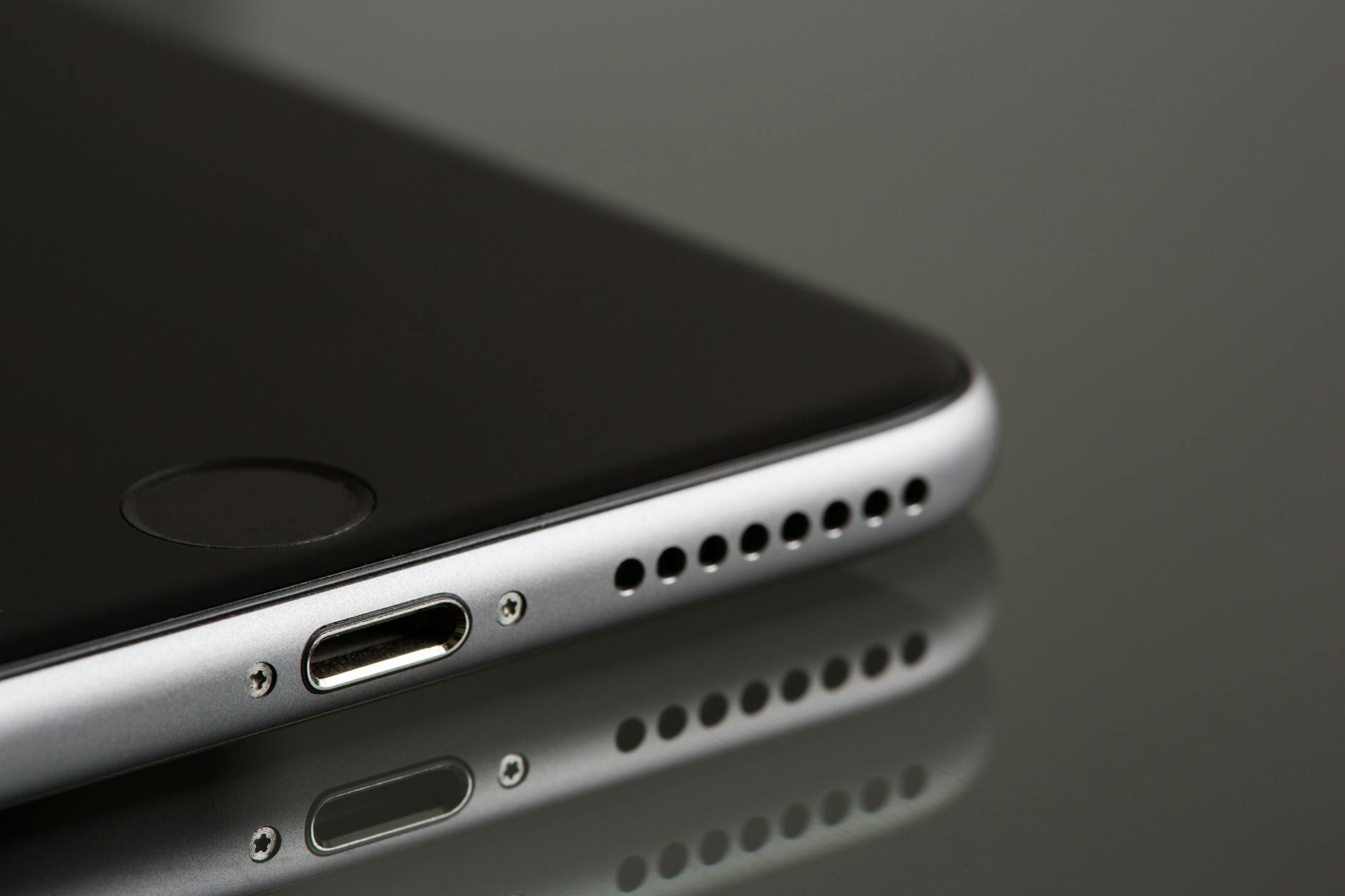 Photo by Torsten Dettlaff
Thousands of People Were Struggling With Money Until They Discovered This One Ancient Secret Hidden in Sound
>>> Unlock It Now <<<

Troubleshooting by platform
iPhone users often find audio routing easiest to manage from the quick access controls. Android users gain flexibility through a broader set of options in the settings and quick settings panel.
iPhone (iOS)
- Use Control Center to switch audio output during playback. Swipe down from the top-right corner to reveal controls, then press and hold the volume control to see the audio route. From there, select iPhone or headphones. This step makes the path explicit for the current session.
- Check the AirPlay options while a voice message is playing. Tap the AirPlay icon if it appears and choose iPhone. If you see a Bluetooth device listed, disconnect it or switch to iPhone.
- Consider a short reset of app audio routing. Open Settings, then Accessibility, then Audio/Visual. Look for an option labeled Audio Routing and set it to Auto or to the desired device. If the app seems stubborn, force quit the app and reopen it.
- Verify Bluetooth connections. If a device is paired but not in use, it can still influence routing. In Settings, go to Bluetooth and forget devices you are not using. Reconnect only when needed.
- Update and test. Install any pending iOS updates and check if the behavior repeats. A software patch can fix a lot of routing quirks.
Android
- Access the quick settings shade during playback. Look for a Media Output or Sound Output toggle. If you see a connected device, switch to the phone speaker or a preferred device.
- Check Bluetooth settings. Go to Settings > Connected devices > Connection preferences > Bluetooth. Disconnect any device you are not actively using, or forget it if it keeps reappearing.
- Use per-app audio routing when available. Some Android skins offer app-specific audio routing in Settings > Apps > [Your App] > Noise and audio settings. If present, force the app to use the device speakers.
- Try a safe reset of audio routing. Turn Bluetooth off, close the app, and restart the phone. Then play a voice message to confirm the route is back to the intended speaker.
- Update the device and the app. An update can fix a bug that causes misrouting.
App specific fixes
There Is a Frequency That the Wealthiest Families Have Used for Generations and Most People Will Never Know It Exists
>>> Open the Door <<<

Some messaging apps handle audio routing differently from the system defaults. If the problem seems confined to a single app, try these targeted steps:
- Clear the app’s cache or data (on Android). This can remove a corrupted setting that interferes with playback output. If you clear data, you may need to sign in again.
- Reinstall the app. A fresh install resets internal routing logic that can get stuck.
- Check in-app settings. Some apps offer their own playback options, including whether to use the earpiece or a speaker. Set the preferred option and test with a new voice message.
- Update the app. Developers push fixes that address audio routing glitches. If an update is available, install it and test again.
- Run a quick test with another app. If other apps play through the right speaker, the issue is app-specific rather than device-wide.
When the wrong speaker persists even after fixes
If you still hear messages through the wrong speaker after trying the steps above, a few deeper checks can help:
- Check for system accessibility features that force mono audio or specific routing. On iOS, mono audio is in the Accessibility settings. If it is On, turn it off, then test again. On Android, look for accessibility alternatives that might affect how audio is routed.
- Review any recent device changes. A new Bluetooth device, a fresh OS update, or a new headset can shift routing behavior. Reassess connections one by one to identify the culprit.
- Consider a factory reset as a last resort. This erases all settings but returns the device to default behavior. Back up important data first.
- If the issue remains, consult support channels. A carrier or device manufacturer can offer guided diagnostics that go beyond standard troubleshooting.
Preventive measures to keep playback on the right path
- Maintain clean Bluetooth management. Periodically review linked devices and remove those you no longer use.
- Use consistent audio devices for voice messages. If you often switch between headphones and speakers, create a habit of rechecking the output path before listening.
- Keep software up to date. Patches often address audio routing problems that users encounter after updates.
- Test after large updates. When you install a major OS or app update, do a quick playback check to confirm everything routes correctly.
- Stay mindful of privacy. If you share a device with others, a quick check before listening helps protect sensitive information.
A simple checklist you can tuck into your routine
- Is Bluetooth off when I want to listen privately? If not, turn it off and test.
- Is the current output showing the phone’s speaker? If not, switch to the phone in the control center or quick settings.
- Did I update the app or the OS recently? If yes, retest playback.
- Did I restart the device after changes? If not, a restart can fix stubborn routing.
- Is this behavior happening in all voice messages or just one app? If only one app, focus on app-specific fixes.
Real world examples to guide your approach
- A busy mom uses WhatsApp voice messages while jogging. The phone kept routing audio to a Bluetooth headset that she wasn’t actively using. A quick toggle in Control Center and a Bluetooth forget of the headset resolved the issue.
- A freelancer often tests recordings in Telegram and Messages. After an OS update, Telegram started playing messages through the loudspeaker. A check of Telegram’s in-app settings and a system audio routing reset fixed the problem.
- A student switched between a Bluetooth speaker during group study and the phone speaker during a lecture. Restoring default routing in Android’s quick settings brought back normal behavior for all apps.
Conclusion
Voice message playback on the wrong speaker is usually a quick fix away. Start with the simplest checks, like disconnecting lingering Bluetooth connections and using the control center or quick settings to route audio back to the device. If the problem is app specific, reinstalling or updating the app often clears the issue. For persistent problems, a broader reset or professional support can help get everything back on track.
By staying mindful of how audio routing works and keeping software up to date, you cut down on surprises. Your conversations stay private when you want them to, and you can switch between private earpiece listening and hands-free playback without a second thought. If you’ve found a fix that worked well for you, share it with others. Small tips add up to smoother, more reliable communication.
Photo by Torsten Dettlaff. Photo by Torsten Dettlaff
Thousands of People Were Struggling With Money Until They Discovered This One Ancient Secret Hidden in Sound
>>> Unlock It Now <<<