He Was Drowning in Bills and Burnout Until a Simple Daily Ritual Rewired His Brain for Wealth in Less Than a Week
>>> Start Your Shift Today <<<

Are you watching important calls slip through because your call recording stopped working on your phone? You’re not alone. When recording fails, it can cost you timely insights, hold up essential conversations, and add stress to everyday coordination. In this quick guide, you’ll learn practical steps to get back on track without heavy jargon or tech overwhelm.
Call recording behaves differently on Android and iPhone, so it helps to understand the basics first. On many Android devices, the problem often comes from app permissions, recent security updates, or carrier restrictions. iPhone users may face limitations from system settings or the way apps access the mic and call stream. The goal here is simple: identify the likely cause, apply a reliable fix, and verify that future calls are captured correctly.
This introduction gives you a clear path to action. We’ll cover quick checks you can do right away, then walk through a few dependable fixes that work across most phones. By the end, you’ll know how to diagnose the issue, choose the right fix for your setup, and protect your important conversations. Expect practical tips, real‑world examples, and fast results so you can restore reliable call recording with confidence. If you’ve tried a few fixes before, these steps are designed to reset the odds in your favor and save you time.
Why Call Recording Stops Working on Your Phone
Call recording is a handy tool for keeping important conversations, but a glitch can derail it in a hurry. Problems pop up for a variety of reasons, from permission blocks to software conflicts. The good news is you can usually pinpoint the cause and fix it with a few targeted steps. In this section, we break down the two most common culprits: permissions and settings blocks, and software glitches and conflicts. Read on to get back to reliably capturing calls.
There Is a Frequency That the Wealthiest Families Have Used for Generations and Most People Will Never Know It Exists
>>> Open the Door <<<

Permissions and Settings Blocks
Your phone needs the right permissions and access to function as a reliable call recorder. Without mic access, storage for saved recordings, and the ability to access calls, a recording app won’t be able to do its job. On Android, check that the app has microphone, storage, and phone permissions, and review any system alerts that block access after a security update. On iOS, ensure the app is allowed to access the microphone and that it’s permitted to manage or save call recordings according to your device’s policy.
Start with quick checks:
- Android: Go to Settings > Apps > [Your Recorder] > Permissions. Confirm Microphone, Storage, and Phone are allowed. If a recent Android update changed a permission model, you may see a prompt asking to re‑authorize the app.
- iOS: Open Settings > Privacy > Microphone and verify the recorder has access. If the app stores recordings in Notes or a files location, ensure that access is enabled or that the integration is set up correctly.
- Third‑party quirks: Some recording apps rely on specific accessibility or notification settings to work around platform restrictions. If a setting seems off, revisit the app’s built‑in help or reinstall the app to reset its permissions.
If you’re still stuck, consult the official permission guides from Google and Apple. For Android users, changes to app permissions can affect how recording apps behave, so review these steps carefully in your device’s version. For iPhone users, ensure the app complies with system rules about recording and that you’re within regional legal constraints that Apple enforces. For practical steps and visuals, see the Android permissions guide and related support articles, which offer step‑by‑step screens to follow. When you’ve adjusted permissions, restart the device and test with a short call to confirm the fix is solid. Change app permissions on your Android phone
Be mindful of legal and privacy rules in your area before recording calls. If you’re using a built‑in feature or a specific app, make sure all parties are aware and consent where required. For iPhone users, some built‑in approaches may not be available in all regions, so verify what’s allowed in your country.
Software Glitches and Conflicts
Software hiccups can surface quickly after a system update or when multiple apps fight for mic or storage resources. A cache buildup, outdated app versions, or an antivirus that scans calls can disrupt how a recorder operates. The fix is usually straightforward: clear the app cache, update to the latest version, and check for conflicting software.
Begin with these steps:
- Clear cache and data (Android): In Settings > Apps > [Your Recorder] > Storage, clear cache first, then consider clearing data if the app’s behavior remains odd. Note that clearing data removes saved recordings, so back them up if possible.
- Update or reinstall (Android and iOS): Ensure you’re running the latest version of the recorder. If issues persist, uninstall and reinstall to reset the app’s internal settings and permissions.
- Check for conflicting apps: Some antivirus or privacy apps can block mic access during a call. Temporarily disable or configure these apps to exclude the recording process during calls.
- Test with a clean state: Try recording with a different app to determine if the problem lies with the recorder or the device. If another app works, focus on the original app’s settings or switch to a more reliable option.
If the problem seems tied to a specific device or app, consult reviews or support threads for that product. You’ll often find practical, version‑specific tips that aren’t in general guides. For Android users, issues can stem from recent updates that change how permission prompts are handled. For iPhone users, discussions often center on how iOS’s restrictions and regional rules affect whether a recording is possible. If you need a deeper dive, these community discussions can be a helpful next stop: Call Recorder not working – Google Phone app Community and Why I can’t record my iPhone calls? – Discussions on Apple
If you’ve ruled out permissions and still see trouble, consider broader device health. A crowded storage drive or a stale operating system can hinder app performance. Keeping both your operating system and apps up to date reduces the chances of glitches cropping up after a reboot. For Android users, the impact of cache and background processes is well documented in various troubleshooting guides, which can help pinpoint whether the problem is app or device‑level. For iPhone users, stability often improves after a fresh install of the recorder or after a major iOS update when the system has time to re‑index and re‑optimize background tasks. Even if you don’t want to switch apps, performing a quick reset of the recorder’s data and reconfiguring it can clear stubborn bugs and restore reliable behavior. If needed, you can find general guidance on avoiding cache buildup and keeping apps fresh here: Automatic Call Recorder app not working? crashes or has problems?
Quick Fixes to Restart Call Recording
When call recording stops working, it can feel like a small crisis for your daily routine. These quick fixes cut through the noise and get your smartphone back on track. Start with permissions, then move to practical resets that don’t require data loss or heavy setup. You’ll be surprised how often a simple toggle or refresh restores reliability.
Grant Full Permissions to Your Recorder App
Permissions are the backbone of any recording app. Without microphone access, storage to save files, or the ability to detect calls, the app won’t capture audio correctly. On Android, verify that the recorder has Microphone, Storage, and Phone permissions, and watch for prompts after a system update. On iPhone, ensure the app can access the microphone and that it has permission to manage or save recordings as allowed by iOS policies.
How to do it quickly:
- Android: Settings > Apps > Your Recorder > Permissions. Enable Microphone, Storage, and Phone. If a recent update changed permission prompts, re-authorize the app.
- iOS: Settings > Privacy > Microphone to confirm access. If recordings are saved to Notes or Files, ensure the integration is enabled.
Tip: If permissions look correct but recordings still fail, consult official guides to confirm you’re following the right steps for your device version. And remember to restart the device after adjusting permissions to solidify the change. For Android users, see the official guidance on changing app permissions on your Android phone. https://support.google.com/googleplay/answer/9431959?hl=en
Clear App Cache and Force Stop
A cluttered cache or stuck background process can block the mic during calls. Clearing the cache cleans out temporary files and can resolve hiccups without affecting your saved recordings. If the app still misbehaves, a full force stop can reset background tasks without a full reinstall. Be mindful that clearing data removes locally saved recordings, so back up anything important first.
How to proceed:
- Android: Go to Settings > Apps > Your Recorder > Storage. Tap Clear Cache, then (if needed) Clear Data. If you see odd behavior after clearing data, back up files before proceeding to avoid data loss.
- iOS: Force close the app from the app switcher and reopen it. If problems persist, a fresh install can help, but back up any unsaved data first.
Test immediately after these steps with a quick call to confirm the fix. If you’re still stuck, compare with another dialing or recording app to isolate whether the issue is the original app or the device itself. For Android users, this approach aligns with practical guidance on clearing app cache and ensuring a clean state. Learn more about cache management and related tips here. https://justuseapp.com/en/app/1550451091/automatic-call-recording-log/problems
Android Call Recording Fixes That Actually Work
If you rely on call recording for work or personal notes, you know how frustrating it is when it suddenly stops. On Android, fixes often come down to permissions, battery optimization, and choosing a reliable recorder. In this section, you’ll find practical, proven steps you can apply today. The goal is simple: restore reliable recordings without guessing and without heavy tech talk. Below are targeted actions that work across many devices and setups.
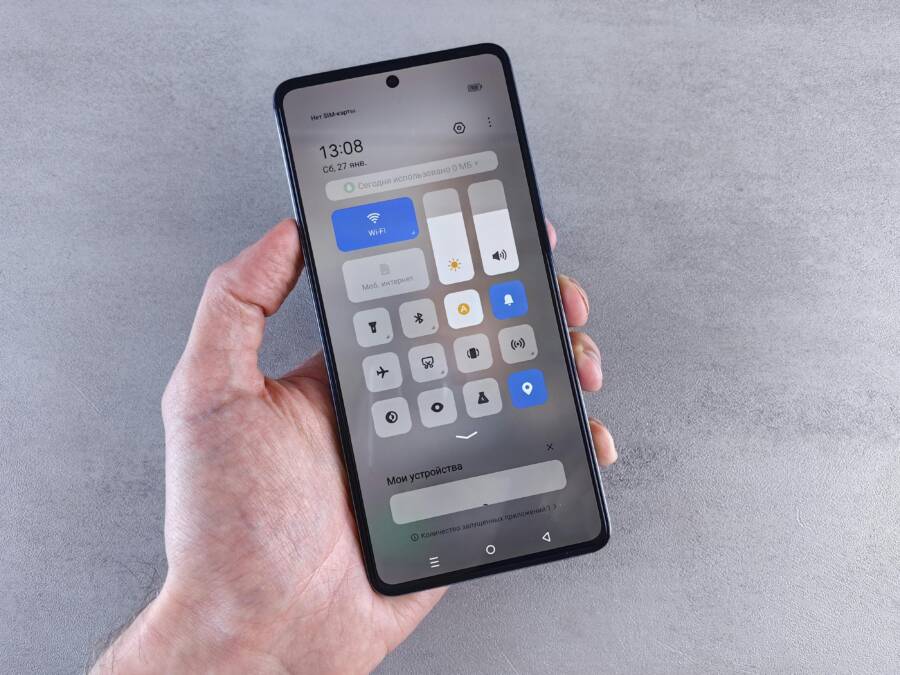
 Photo by Andrey Matveev
Adjust Phone App and Dialer Settings
Stock dialers and third‑party recorders handle permissions differently. Start with the simplest checks and move to device‑specific tweaks if needed.
- Stock dialer users: Open Settings > Apps > Phone > Permissions. Make sure Microphone, Storage, and Phone are allowed. If you see a prompt after a system update, re‑authorize the app. Then test with a short call to verify stability.
- Third‑party dialer users: Confirm the recorder has Microphone, Storage, and Phone permissions. Some apps require special access or accessibility features to work around restrictions. If you suspect a conflict, reinstall the app and regrant permissions.
- Quick test: After adjusting, restart the device and place a test call. If you still see issues, try a different recorder to determine whether the problem is the app or the device.
For additional guidance, review Google’s help article on recording with the Phone app and ensure you follow the exact steps for your device and region. If you need a direct reference, see the official guide: Use the Phone app to record calls. It’s a reliable baseline before diving into third‑party options.
Bypass Battery Optimization Restrictions
Battery optimization can quietly suspend background tasks, including call recording. Turning this off for the recorder lets it run in the background during calls.
- Settings path: Battery > App optimization. You’ll see a list of apps with different optimization statuses.
- Common apps to check: the native Phone app, your recorder, and any third‑party dialer you use. Set these to “Don’t optimize” or “Unrestricted” where available.
- Quick checks: On many devices you can also enable Background data. If your phone allows it, add the recorder to the Never sleeping apps list.
A don’t‑kill approach helps especially on devices from Samsung, Xiaomi, and similar brands. If you want a quick explainer, see practical steps here: General and a device‑specific guide from Android vendors. For Pixel users, recent updates sometimes add a dedicated Call Recording menu under Settings in the Phone app; keep an eye on Settings > Call Recording after updates. You can also reference guidance on turning off battery optimization here: How to Turn Off Battery Optimization for Specific Apps on Android (Android 12–15).
Remember, legal rules vary by region. Always confirm consent requirements before recording any call. For a quick policy check, review Google’s call recording support and related discussions as a starting point: Phone app help thread on recording settings.
iPhone Call Recording Workarounds and Fixes
If you need reliable call recording, sometimes the simplest path is to use trusted tools designed for this task. This section covers practical options you can depend on, plus hands-on techniques that don’t require a new app. You’ll learn which apps to consider, how to set them up, and why they’re worth a try. Then we’ll switch to quick hardware tricks that often salvage recordings when software hits a snag. And yes, you can keep your smartphone workflow smooth without getting bogged down in tech jargon.
What If the Only Thing Between You and the Life You Deserve Is a Hidden Wealth Code Waiting to Be Activated
>>> Open the Door <<<

Use Trusted Third-Party Apps
Third-party apps can fill gaps left by built-in call handling. They often provide straightforward setup and consistent performance across many devices. Here are 2–3 reliable options to consider, with quick setup steps and a glance at pros and cons.
- TapeACall: A popular choice for iPhone users. Setup is simple: install the app, follow the in-app prompts to enable call recording via a three-way call method, and start recording with a tap. Pros include easy sharing, decent transcription options, and broad compatibility. Cons can include subscription costs and occasional mic permission prompts after updates. For more on TapeACall, visit TapeACall’s official site.
Setup quick-start: install → grant microphone and storage permissions → during a call, open TapeACall and tap to add the call to the recording line. - Rev Call Recorder: Another strong option with clear setup and strong support. Rev offers both recording and transcription services, which is handy if you need written notes from calls. Pros include solid reliability and good customer support. Cons include limited free usage and potential pricing for long transcripts. Learn more about Rev’s approach and setup on their support page.
Setup quick-start: install → grant microphone and phone permissions → initiate a call and use the app’s recording feature as directed. - Notta (or similar multi-platform options): Notta provides cross‑platform support and transcription features. Pros include versatile sharing and good transcription quality; cons may involve occasional syncing delays. See Notta’s overview for details on features and setup.
Setup quick-start: install → log in and authorize mic/storage → start a call via Notta’s recording option.
Why these work well: third-party apps tailor permission handling and call routing to the app itself, which reduces the friction caused by OS restrictions. They also give you consistent access to saved files, backups, and easy sharing across devices. When choosing, weigh factors like transcription needs, price, and whether you prefer a one-time fix or ongoing subscription. For a quick reference on popular options, you can explore TapeACall, Rev Call Recorder, and Notta as starting points.
External resources for deeper reading:
- TapeACall: https://www.tapeacall.com/
- Rev Call Recorder support: https://support.rev.com/hc/en-us/articles/360034612112-How-Do-I-Use-Rev-s-Call-Recorder-App
- Notta best call recorder apps guide: https://www.notta.ai/en/blog/best-call-recorder-app
Speakerphone and External Mic Tricks
If you want to capture a call without a dedicated app, you can sometimes get clean results with smart audio routing and a good mic setup. These practical hacks avoid extra software while still delivering usable recordings.
- Use the speakerphone during the call: Put the call on speaker so the iPhone’s mic picks up your voice clearly and minimize ambient noise. Move the phone closer to your mouth and away from loud backgrounds.
- Try an external microphone with a simple adapter: A small wired or USB-C microphone can dramatically improve audio quality. Position the mic close to your mouth and test with a short call to gauge clarity.
- Optimize the iPhone mic setup: If you’re using the built‑in mic, make sure you’re not speaking too close to the phone. A steady, moderate distance reduces distortion and wind noise. If you have a headset or wired mic, keep it connected for the duration of the call and switch to speaker only if needed for the other party to hear you clearly.
- Quick quality tips: Record a brief test call and playback the file to check for clipping or hiss. A clean test helps you adjust mic placement or move to a better mic quickly. If you hear muffled audio, try switching to a higher input gain via an optional accessory microphone. For those exploring broader options, Live Listen on iPhone can turn the phone into a remote mic when paired with compatible accessories. See Apple’s guidance on Live Listen for details.
Practical advantage: these approaches are fast, don’t require a new app, and work well when you’re in a pinch. They’re especially useful if you only need occasional recordings or want to preserve a specific call moment without signing up for another service. If you decide to experiment with external gear, start with a modest portable mic and a simple adapter to keep things affordable and easy to replace if needed.
External reference on external mic use:
- How to use iPhone with Live Listen: https://support.apple.com/en-eg/guide/iphone/iph8bf9386f5/ios
If you’ve hit a wall with apps, these hardware tricks can buy you time and keep conversations accessible for later review. They’re also handy for quick interviews or on‑the‑go notes when you don’t want to rely on a single app.
Note: always be mindful of local laws and consent rules before recording any call. If you’re unsure, check the guidelines in your country or state before proceeding.
Advanced Steps and Best Apps for Reliable Recording
When simple fixes aren’t enough, you need a more deliberate approach. This section lays out advanced steps you can take on both Android and iPhone, plus a concise guide to the best apps that consistently deliver reliable recordings. Think of it as your shortlist for dependable, long-term use, not a one-off workaround. And yes, a well‑chosen setup can keep your smartphone workflows smooth even on busy days.
Refined Android Strategies for Stable Recordings
Android devices present a mix of permissions, background processing, and carrier quirks. A disciplined approach often pays off.
- Lock in robust permissions: Make sure the recorder has Microphone, Storage, and Phone access. Any missing permission can silently derail a recording. If a recent system update changed behavior, re‑authorize promptly.
- Titrate battery and background activity: Exclude the recorder from aggressive battery optimization and enable background data. This prevents the app from being paused mid-call.
- Use a trusted, feature-rich app as a baseline: Some apps are built to gracefully handle OS changes. Start with a well-reviewed option and compare its behavior across several calls to confirm consistency.
- Consider a known workaround for specific devices: Samsung and other brands sometimes require extra steps in Settings to ensure the Phone app and recording tool don’t step on each other during calls. For device-specific guidance, see practical guides that cover Samsung Galaxy phones and similar models.
- Test with a controlled scenario: Record a short test call in a quiet environment, then review the file for missing segments or distortion. If issues persist, try a different app to confirm whether the problem is the device or the software.
Useful reference on Android setup and troubleshooting:
- Android permission and app behavior basics: https://support.google.com/googleplay/answer/9431959?hl=en
- Device-specific Samsung guidance: https://www.guidingtech.com/fix-cant-record-calls-on-samsung-galaxy-phones/
Reliable iPhone Workarounds and Best Practices
iPhone users often run into system limitations, but there are practical paths that deliver dependable results without overhauling your workflow.
- Prioritize trusted third‑party apps: A solid recorder can sidestep some built‑in restrictions. Look for apps with clear setup steps, reliable performance, and good support.
- Explore hardware-backed options when software struggles: If an app cannot capture both sides cleanly, a hardware approach may help in pinch situations.
- Use Apple supported methods when available: Apple provides official guidance for recording and transcribing calls. While options vary by region, following Apple’s recommendations helps keep things compliant and stable.
- Combine approaches for resilience: Having a primary app plus a backup option gives you a fallback if one tool misbehaves on a particular day.
Helpful references for iPhone users:
- Apple Support: Record and transcribe a call on iPhone: https://support.apple.com/guide/iphone/record-and-transcribe-a-call-iph57c6590e9/ios
- iPhone focused call recording guidance and alternatives: https://www.rokform.com/blogs/rokform-blog/how-to-record-a-phone-call-iphone?srsltid=AfmBOopjmgB2eXZMp84UkA0TxktzBRJsCAkGiENrfplKhOGQjhgk5nIb
Best Apps to Consider for Long-Term Reliability
Selecting the right app makes a big difference. The options below are known for steady performance, clear setup, and accessible file management. Each has its own strengths, so choose based on your priority—transcription, sharing, or ease of use.
- TapeACall: A well-known option with straightforward recording and easy sharing. It emphasizes reliability and broad compatibility across devices.
- Quick start: install → grant mic and storage permissions → during a call, open TapeACall to add the call to the recording line.
- External reference: TapeACall official site: https://www.tapeacall.com/
- Rev Call Recorder: Strong on reliability and includes transcription support. Good for turning calls into written notes.
- Quick start: install → grant microphone and phone permissions → start recording as directed in the app.
- Support overview: Rev Call Recorder support: https://support.rev.com/hc/en-us/articles/360034612112-How-Do-I-Use-Rev-s-Call-Recorder-App
- Cube ACR (Call Recorder): A feature-rich option with broad device support and multiple recording methods.
- Quick start: install → choose recording mode (phone, VoIP, etc.) → start recording during or after a call.
- Play store listing: Call Recorder – Cube ACR: https://play.google.com/store/apps/details?id=com.catalinagroup.callrecorder&hl=en_US
- Notta: A cross‑platform choice with good transcription and sharing capabilities.
- Quick start: install → log in → start a call via Notta’s recording option.
- Overview: Notta best call recorder apps guide: https://www.notta.ai/en/blog/best-call-recorder-app
- For iPhone users who want more options: not all apps appear in every region, so verify local availability and policy adherence. A cross‑platform option like Notta can be handy in mixed device ecosystems.
Why these apps tend to perform well: they handle permission prompts and call routing in ways that align with the app, reducing OS friction. They also offer straightforward save, backup, and sharing workflows that help you stay organized.
External references for deeper reading:
- Best call recorder apps for Android and iPhone in 2025: TechRadar, Android Authority, Cube ACR listings, and more (select guides): https://www.techradar.com/best/best-call-recorder-software, https://www.androidauthority.com/best-call-recorder-apps-android-1001838/, https://cubeacr.app/
- iPhone focused options and guidance: https://www.withallo.com/blog/best-call-recording-software, https://support.apple.com/guide/iphone/record-and-transcribe-a-call-iph57c6590e9/ios
Quick Hardware and Workflow Tweaks That Save Recordings
If software keeps acting up, hardware and workflow tweaks can rescue your work without committing to a new app or plan.
- Use speakerphone strategically: For certain calls, placing the phone on speaker can improve mic reach and reduce background noise, making the recorded audio clearer when you later isolate the mic track.
- External mics on a pinch: A small wired or USB-C microphone can dramatically boost clarity. Position it close to your mouth and test with a short call.
- Keep a consistent mic distance: Whether you use the built-in mic or an external one, a stable distance helps avoid distortion and wind noise.
- Quick test routine: Do a 30-second test recording and listen for clipping or hiss. Adjust mic placement or switch to a better mic if needed.
A few practical resources on external mics and iPhone audio enhancements:
There Is a Frequency That the Wealthiest Families Have Used for Generations and Most People Will Never Know It Exists
>>> Open the Door <<<
- How to use Live Listen on iPhone for improved audio capture: https://support.apple.com/en-eg/guide/iphone/iph8bf9386f5/ios
These hardware workarounds bring immediate value when software fixes lag. They’re especially useful for on‑the‑go work, quick interviews, or moments when you need a specific conversation saved with minimal setup.
Legal and privacy note: always confirm consent requirements before recording any call. If you’re unsure, check local guidelines in your country or state before proceeding.
External resources for broader context and advanced guidance:
- Android call recording troubleshooting: https://www.boldbeast.com/android/call_recorder_troubleshooting.html
- Truecaller call recording troubleshooting: https://support.truecaller.com/support/solutions/articles/81000412455-call-recording-troubleshooting
If you’re ready for a deeper dive, these references can help you tailor a setup that stays reliable across a range of devices and situations. The right combination of app, settings, and hardware can turn erratic call recording into a dependable part of your daily toolkit.
Conclusion
If call recording isn’t working, start with the basics and move to precise fixes. Recheck permissions for the recorder app, then disable battery optimization and test with a short call. Clear the app cache if needed, and try a reinstall to reset settings. On iPhone, consider trusted third party apps or a hardware workaround when software options stall. The goal is to restore reliable recordings without adding complexity.
Recap the key fixes:
- Confirm microphone, storage, and phone permissions on Android; ensure microphone access on iPhone.
- Disable aggressive battery optimization for the recorder and allow background data.
- Clear cache and, if needed, reinstall the app to reset behavior.
- Test with a short call after each change to verify stability.
- If software continues to fail, try a different recorder to isolate the issue.
- When software won’t cooperate, use a headset or external mic and speakerphone for practical results.
Follow these steps one by one and document the outcome. A quick, step by step test helps you decide whether the problem is the device, the app, or a setting. Always verify you use call recording in a legal way and obtain consent where required. Smartphone etiquette and local rules matter.
If you find a method that works, share your experience and subscribe for more practical guides. Your success stories help others avoid common roadblocks. By sticking to reliable fixes and clear testing, you can keep important conversations accessible and organized.
He Was Drowning in Bills and Burnout Until a Simple Daily Ritual Rewired His Brain for Wealth in Less Than a Week
>>> Start Your Shift Today <<<