She Pressed Play on a Strange Audio Track and Within Days Her Financial Reality Started Shifting in Ways She Could Not Explain
>>> See How It Works <<<

If your phone keeps swallowing storage with huge system data, you’re not imagining things. This sneaky chunk of space usually hides in plain sight as caches, logs, and temp files that apps and the system leave behind. It slows everything down and can leave you stuck with a full device even when you have plenty of photos or apps.
This post explains what system data means in simple terms and why it affects both Android and iPhone users. You’ll learn where this space comes from and why it can balloon after updates, streaming, or heavy messaging. The goal is to help you reclaim gigabytes without risking your personal data.
You’ll see a clear, tested plan you can follow step by step. We start with safe, obvious moves like clearing caches and browser data, then move to cleaning up old messages and media. The idea is to remove the junk while keeping photos, chats, and apps intact.
Next, you’ll explore practical options that work on most new phones. Offloading or uninstalling unused apps, updating software, and managing storage settings are common fixes that pay off quickly. The guidance is written for real devices and real users, not theoretical tricks.
He Was Drowning in Bills and Burnout Until a Simple Daily Ritual Rewired His Brain for Wealth in Less Than a Week
>>> Start Your Shift Today <<<

By the end, you’ll have a practical checklist you can apply right away. It’s all about regaining control of your storage and keeping your smartphone running smoothly. These steps are reliable, with no data loss if followed carefully, and they’ll help you move forward with confidence.
There Is a Frequency That the Wealthiest Families Have Used for Generations and Most People Will Never Know It Exists
>>> Open the Door <<<

What Causes High System Data on Your Phone?
When your phone suddenly shows a huge chunk of storage labeled as System Data, it can feel mysterious. In practice, this space hides in plain sight. It’s often made up of caches, logs, temp files, and leftovers from apps and OS updates. Understanding what pushes this data up helps you reclaim space without losing personal information or disrupting how your phone works.

Photo by Andrey Matveev
Hidden Culprits Like Cache and Logs
The cache holds the tiny files apps create to speed things up. These temporary scraps can accumulate quickly. Every time you scroll a social feed, stream a video, or open a web page, copies of those pages, images, and video previews get stored for faster load times. Over weeks and months, these caches grow from MBs to GBs.
Logs are the system’s diary. They record events like app crashes, errors, and performance metrics. On Android devices you’ll see logs from Google services and system diagnostics. iPhones keep diagnostics data as well. These logs aren’t usually essential to keep long term, but they pile up if you never prune them.
Residual files are the leftovers after uninstalling apps or after OS updates. When a program is removed, some pieces stay behind. Updates can also leave behind old components that no longer get used but still take space. It’s common to find remnants from apps you haven’t touched in months.
Different kinds of apps contribute to this growth in distinct ways. Browsers store a lot of data from your surfing sessions, including offline pages and saved media. Games cache textures and large assets to reduce load times, and streaming apps keep temporary video and audio data for smoother playback. Over time these tiny scraps amount to a noticeable chunk of System Data.
Key takeaway: even routine app activity can quietly feed System Data. Regular maintenance helps prevent these hidden culprits from spiraling out of control.
Big Files from Messages and Downloads
Attachments in messages are a major source of hidden storage any time you exchange media. Photos, videos, voice notes, and large PDFs can accumulate across conversations. If you use chat apps heavily, you may notice a steady rise in the System Data bucket as shared media sits there waiting to be cleared.
Downloads matter too. Files saved from browsers, email attachments, or cloud apps often end up in your device’s storage. They can linger long after you’ve read or watched them. The problem is compounded when you download high resolution content or keep multiple versions of a document for offline use.
Duplicates are another quiet drain. The same photo or file can exist in more than one location because of automatic backups or how sharing works. Gallery apps may display duplicates, but they aren’t automatically merged or deleted. This redundancy adds up, especially for media-heavy users.
Old media in Messages and Downloads can hide in plain sight. A quick sweep through your message apps to remove large attachments and a review of your downloads folder can free substantial space. If you’re using cloud backups, ensure you’re not storing local copies that you don’t need anymore.
Pro tip: set media auto-delete policies for chats you use a lot. For example, enable expiration for temporary media in messaging apps or adjust how long attachments stay on your device.
Integrating efficient habits now pays off later. Regular checks of messaging attachments and recent downloads prevent the System Data category from becoming a storage sink.
Next steps to reclaim space quickly include targeted cleanups and smarter storage settings. The goal is a lean System Data footprint that reflects actual use rather than accumulated leftovers.
How to Check What’s Eating Your Storage
If your device suddenly feels heavier with storage going up, you’re not imagining things. The culprit is usually a mix of caches, logs, app data, and temporary files that pile up over time. This section walks you through a practical way to identify what’s taking up space on both iPhone and Android smartphones, so you can reclaim gigabytes without risking your data.
Start with a quick glance at the storage breakdown
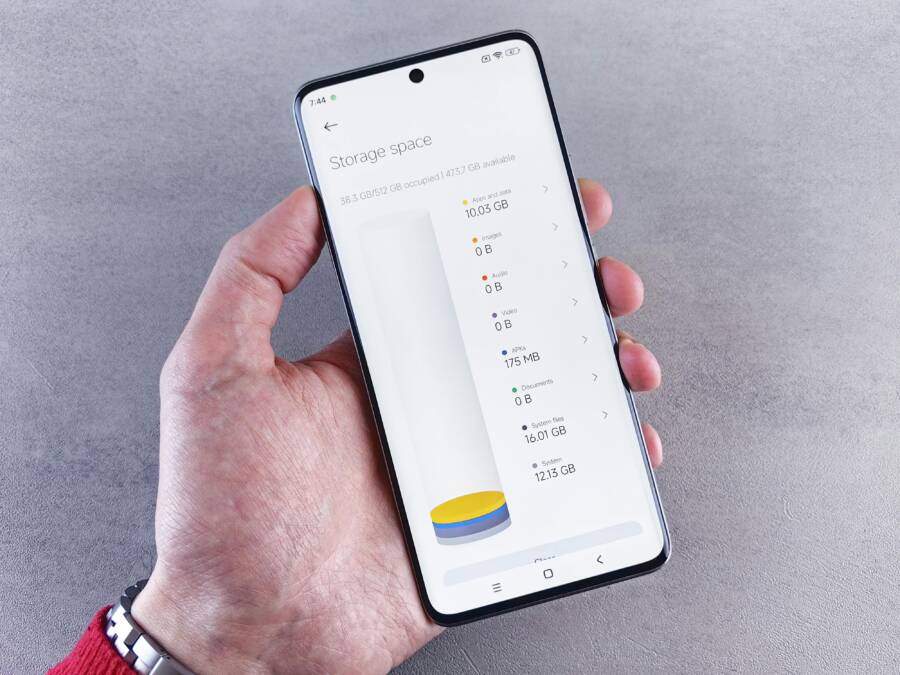
Begin with a high level look to spot where the biggest chunks live. On both types of smartphones, you’ll see a graphic or list that shows categories such as Photos, Messages, Apps, System Data, and Other. This snapshot helps you decide where to focus first.
- For iPhone users, go to Settings > General > iPhone Storage. The bar at the top shows used versus free space and a list of categories below. Tapping any category reveals more detail.
- For Android users, open Settings > Storage (or Device care on some brands). You’ll see a breakdown with sections like Apps, Images, Videos, Audio, Cached Data, and System Data. Tap into the largest segments to see specifics.
Key takeaway: start with the biggest category. If System Data dominates, you’ll want to investigate caches and residual files more carefully.
Dig into System Data on iPhone and Android
System Data is a catchall. It includes OS files, caches, logs, and other temporary items that aren’t easy to delete directly. The exact makeup varies by device and OS version, but the approach is similar.
- iPhone: System Data can include caches from iOS, app caches, and diagnostic logs that aren’t easy to purge manually. Regular maintenance like a software update can help, but you may still see a sizable bucket even after cleaning other stuff.
- Android: System Data often contains OS components, app caches, and sometimes data left behind after updates. On some devices, you’ll see “Other” or “Cached Data” as a proxy for similar items.
Pro tip: if you notice a dramatic jump after a recent update or a big app install, plan a targeted clean up after the update settles in. This is common and usually safe to address.
Identify the biggest space hogs
To move fast, identify the top offenders and plan targeted actions.
- App caches: Browsers, social apps, and streaming services frequently store media for quick access. Clearing these caches can free substantial space without affecting your personal data.
- Messages and attachments: Large photos, videos, voice notes, and PDFs in messaging apps add up quickly.
- Downloads: Files saved from the web, email, or cloud apps linger long after you’ve finished with them.
- Duplicates and backups: Duplicate media and local backups can quietly double your storage use.
Actionable tip: check messaging apps first if you send a lot of media. A quick purge of large attachments often releases the bulk of the space.
Safe cleanup steps you can perform now
Here’s a practical sequence you can follow on a real smartphone to reclaim space without risk.
- Clear app caches for the biggest apps
- Open the app, look for settings related to storage or data, and clear cache if available.
- For browsers, clear cache and offline data from the browser settings.
- Review large messages and media
- In your messaging apps, search for large attachments and delete or export them to the cloud.
- In photos and videos, enable “optimize storage” if available, and delete duplicates.
- Tidy up downloads and offline media
- Open the downloads folder and remove files you no longer need.
- Move important files to the cloud or a computer and remove local copies.
- Offload or uninstall unused apps
- On iPhone, offload unused apps to free space while keeping documents and data.
- On Android, uninstall apps you rarely use and clear their cache if you don’t need the data.
- Manage system data gently
- Restart the device to clear temporary files that don’t need to persist.
- Ensure the OS is up to date; updates often clean up behind the scenes.
- If system data remains stubbornly large, a device reset is a last resort after backing up.
Practical habits to prevent future buildup
A few habits make a big difference over time.
- Regular quick checks: set a monthly reminder to review storage and prune old media.
- Media management policy: decide how long to keep attachments in chat apps and when to auto-delete media.
- Cloud backups and offline copies: store important media in the cloud and keep local copies lean.
- Software updates: keep the device updated so the system can manage space more efficiently.
When to seek deeper help
If you consistently see a large System Data bucket despite cleanups, consider deeper steps.
- Backup and reset: back up photos, messages, and essential data, then perform a factory reset. Restore selectively to avoid bringing back the same clutter.
- Professional diagnostics: some devices offer hidden diagnostics tools or logs that a technician can interpret to find unusual data thickets.
- Consider storage expansion options: if your phone supports microSD cards or cloud storage tiers, expanding capacity can reduce frustration.
Quick reference checklist
- Check storage breakdown on the device.
- Identify the top space hogs: caches, messages, and downloads.
- Clear caches and large attachments first.
- Clean up duplicates and old media.
- Offload or uninstall unused apps.
- Keep the system updated and restart periodically.
- Back up before any major cleanup or reset.
This practical approach helps you see what’s consuming space and take decisive steps. With a clear plan, you can reclaim precious GBs and keep your smartphone performing at its best.
Easy Fixes for Android Phones
When your Android device starts acting sluggish or storage stays stubbornly high in the System Data category, simple, practical fixes can reclaim space without risking your data. This section covers quick wins you can apply today. Each sub-section focuses on a targeted cleanup so you can see results fast and keep your phone running smoothly.
Clean Junk with Files by Google
Files by Google offers a straightforward path to reclaim space by removing junk files, cache, and duplicates. Start with the Clean tab for a guided sweep, then enable auto-clean to keep the clutter in check long term.
- Open the app and tap the Clean tab to view space-saving suggestions.
- Review the categories, focusing on junk and cache first. The app highlights temp files, duplicates, old photos, and other nonessential data.
- Select items to delete or use the suggested Clean x MB option to remove sizable junk quickly.
- Move unwanted files to Trash and empty it to free space permanently.
- Turn on auto-clean if available. This keeps recurring clutter from piling up, though you’ll still review suggestions occasionally to avoid deleting something you want to keep.
If you prefer a direct method outside the app, you can clear cache for individual apps from the system settings. This two-pronged approach—app-level cleanups and a broader Files by Google sweep—lets you reclaim gigabytes without touching personal data.
Clear Cache on Big Apps
Large apps often keep caches that add up over time. Clearing the cache for the biggest space hogs can deliver a noticeable boost in free space without removing your data.
- Go to Settings > Apps, then select the top storage hogs.
- Tap Clear cache for each app that shows a large cached data amount.
- Repeat for the next biggest apps until you see a meaningful drop in System Data and overall storage usage.
Tip: After clearing caches, monitor performance. Some apps may rebuild caches quickly, so you might repeat this process every few weeks if you use memory-heavy apps daily.
Manage Downloads and Media
Downloads and media folders tend to accumulate old files that serve no purpose after you’ve finished with them. A quick pass can free substantial space and reduce clutter in System Data.
There Is a Frequency That the Wealthiest Families Have Used for Generations and Most People Will Never Know It Exists
>>> Open the Door <<<
- Open Files or your preferred file manager, then go to Downloads.
- Delete old files, movies, and installers you no longer need.
- In media folders, delete duplicates and large files you’ve already saved elsewhere.
- Consider moving important videos or large documents to cloud storage or a computer, then removing local copies.
Pro tip: set a monthly reminder to review downloads. This habit prevents buildup and keeps your local storage lean.
What to watch for:
- Large video or high-resolution image files you’ve already backed up.
- Files with long-term value only, like project assets or receipts.
Quick wins that protect your data
- Restart after major cleanup to clear temporary files that don’t need to persist.
- Keep your OS and apps updated; updates often optimize storage handling.
- If System Data stays stubborn after these steps, a backup followed by a factory reset can be a last resort. Restore only essential data to avoid reaccumulating junk.
Sticking to these practices helps you avoid the trap of hidden storage while keeping your device responsive.
Practical habits to prevent future buildup
- Schedule regular checks: a quick monthly review of storage can stop junk from piling up.
- Define a media policy: decide how long to keep attachments in chat apps and when to auto-delete media.
- Use cloud storage for photos and large files to keep local space available.
- Keep software up to date: updates fix bugs and improve storage management.
By forming these habits, you’ll maintain breathing room on your Android phone and reduce the chance of System Data creeping back.
If you want a concise path to big wins, follow these steps in order and tailor them to your usage pattern. The goal is a lean, fast phone that feels responsive again.
Simple Solutions for iPhones
When your iPhone storage is creeping up and System Data won’t budge, you can reclaim space with practical steps that don’t risk your data. This section focuses on straightforward, proven actions that work on most recent iPhone models. Follow these subsections in order to see quick wins and steady improvements in performance.

Photo by Déji Fadahunsi
Delete Large Message Attachments
Messages can quietly fill storage with big files over time. Start by trimming these attachments to release space fast.
- Open Settings and navigate to General > iPhone Storage.
- Tap Messages to see the bulk of large attachments.
- Use Review Large Attachments to select and delete old photos, videos, voice notes, and PDFs you no longer need.
- Consider turning on auto-delete for chats that send frequent media so future clutter doesn’t pile up.
Pro tip: regularly prune conversations with heavy media. If you routinely share videos, schedule a monthly cleanup to keep the bulk in check.
Offload Unused Apps
Offloading keeps the app’s data intact while removing the app itself, letting you reinstall later without losing anything important.
- Go to Settings > General > iPhone Storage and wait for the list to load.
- Find apps you rarely use; they show space usage beside them.
- Tap the app and choose Offload App. Reinstalling is as simple as tapping the app icon on your Home screen.
- Review ongoing apps that keep data locally and offload only those you truly don’t need.
Why this matters: offloading frees space without affecting photos, documents, or apps you still rely on. It’s a safe way to reclaim room while keeping flexibility.
Optimize Photos and iCloud
Photos often become a large part of System Data if you keep full-resolution copies on-device. The right settings keep your library usable while saving space.
- Open Settings > Photos and enable Optimize iPhone Storage. Full versions stay in iCloud; smaller versions live on the device.
- Review duplicates in the Photos app: go to Albums > Duplicates and merge or delete extras.
- If you’re using iCloud, consider a tier that matches your needs so you don’t over-collect local copies.
Benefits: you’ll notice more free space without sacrificing access to your memories. This approach is especially helpful for devices with limited internal storage.
Additional tip: keep your iCloud photos in sync but lean on the cloud for the heavy files. This reduces the likelihood of large System Data chunks building up from local copies.
If you want to squeeze extra space, periodically audit your library for very old or low-value images and back them up to a computer or cloud account before deleting from the phone.
This combination of settings and cleanups helps you stay in control of photo storage while preserving the experience you expect from your iPhone.
Prevent System Data Buildup Long-Term
Keeping System Data in check isn’t a one-off task. It’s about forming simple, repeatable habits that stop junk from creeping back. Think of it as a maintenance routine for your smartphone that preserves breathing room, speeds up performance, and reduces anxiety over storage alerts. The goal is steady control rather than a one-time clean.
 Photo by Leeloo The First: Smartphone displaying a storage management scene, a memory card and glasses on a table.
Build a lightweight storage hygiene plan
A simple, repeatable routine keeps System Data from ballooning. Establish a monthly check that covers caches, downloads, and media attachments.
- Quick audit: glance at Settings > Storage to spot the biggest culprits.
- Cache discipline: clear caches for the top 2–3 apps that accumulate data fastest.
- Media pruning: sweep messages and downloads for large, old, or duplicate files.
- Offloading mindset: identify apps you rarely use and offload or uninstall them.
Concepts to keep in mind: regular checks beat massive cleanup sessions. A little weekly effort saves hours later.
Prioritize persistent, low-risk cleanups
Some actions always pay off without risking your personal data. Treat these as the core of your long-term plan.
- Clear app caches for the heaviest apps. This often frees the most space without affecting documents or media.
- Manage message attachments proactively. Delete or export large files you no longer need.
- Move important media to the cloud or computer. Leave only what you must have on device.
- Restart after cleanups. A quick reboot helps the system reset temporary data.
By focusing on these low-risk steps, you keep System Data from growing unchecked while preserving access to your memories and files.
Automate where possible, without losing control
Automation reduces effort while keeping you in the loop. Use built-in tools and safe defaults to prevent buildup.
- Enable auto-delete for temporary media in messaging apps where supported.
- Use cloud backups for photos and large files, then remove local copies.
- Turn on auto-clean features in Files by Google or similar tools for Android, or use iCloud optimization on iPhone.
- Schedule a quarterly deep clean as a backup to your monthly habit.
Automation should aid your workflow, not replace it. Stay aware of what’s being removed and why.
Align updates with storage health
Software updates often improve storage management, but they can also shift where System Data sits. Plan updates thoughtfully.
- Keep devices up to date to benefit from built-in cleanup improvements.
- After a major OS update, run a targeted cleanup to handle new caches or leftover components.
- If you notice a spike after an update, give it 1–2 weeks of normal use before taking further action.
A steady update rhythm supports long-term storage health without interrupting daily use.
When a deeper cleanup is warranted
There are times when routine maintenance isn’t enough. If System Data remains stubborn after following the plan, consider these steps.
- Back up essential data and perform a factory reset. Restore selectively to avoid reintroducing clutter.
- Check for device-specific diagnostics. Some manufacturers offer tools that help identify unusual data patterns.
- Consider storage expansion options. If your phone supports microSD or tiered cloud storage, add capacity to reduce pressure on System Data.
These options are last resorts, chosen with care to protect your memories and files.
Quick-start checklist for long-term health
- Run a monthly storage review to spot spikes early.
- Clear caches on top space hogs and prune large attachments.
- Offload or uninstall unused apps, and optimize media storage.
- Back up to the cloud and keep local copies lean.
- Update the OS and reboot after major cleanups.
- If needed, perform a targeted reset and restore selectively.
Following this checklist helps you stay ahead of storage spikes and keep your smartphone responsive.
Practical mindset shifts for sustained results
- Treat storage health as a routine, not a mystery. Small, regular actions prevent big problems.
- Keep a minimal set of apps on the device that you truly rely on every day.
- Use cloud storage as a true extension of device capacity, not a placeholder for clutter.
- Review storage every 30 days, then adjust the plan as your usage shifts.
With these mindset tweaks, you’ll maintain headroom and avoid the frustration of space warnings.
Final tip to cement the practice
Create a simple reminder system: a 5-minute monthly check and a 15-minute quarterly cleanup. Short, predictable bursts beat sporadic, long sessions every few months. Your smartphone will feel faster, and you’ll enjoy more peace of mind knowing you’re in control of System Data long term.
Conclusion
reclaiming storage from a sneaky system data bucket is doable with a simple, repeatable plan. Start by checking the breakdown to see where the space is going, then clean caches and junk first. This often frees meaningful space without touching your photos or apps.
next, optimize what you keep. Move large media to the cloud or computer, review downloaded files, and offload or uninstall unused apps. A quick restart after cleanup helps the system reset temporary data and keep gains.
finally, set up habits to prevent buildup. Schedule monthly checks, enable auto delete for temp media where available, and keep your OS and apps up to date. These steps reduce the chance of a sudden storage spike and keep your smartphone responsive.
action now: try one fix today, like clearing caches on the heaviest app or reviewing large attachments in messages. Share your results in the comments or with a friend who might benefit. A small change can free GBs and restore speed, so you can enjoy a calmer, more capable smartphone experience.
He Was Drowning in Bills and Burnout Until a Simple Daily Ritual Rewired His Brain for Wealth in Less Than a Week
>>> Start Your Shift Today <<<