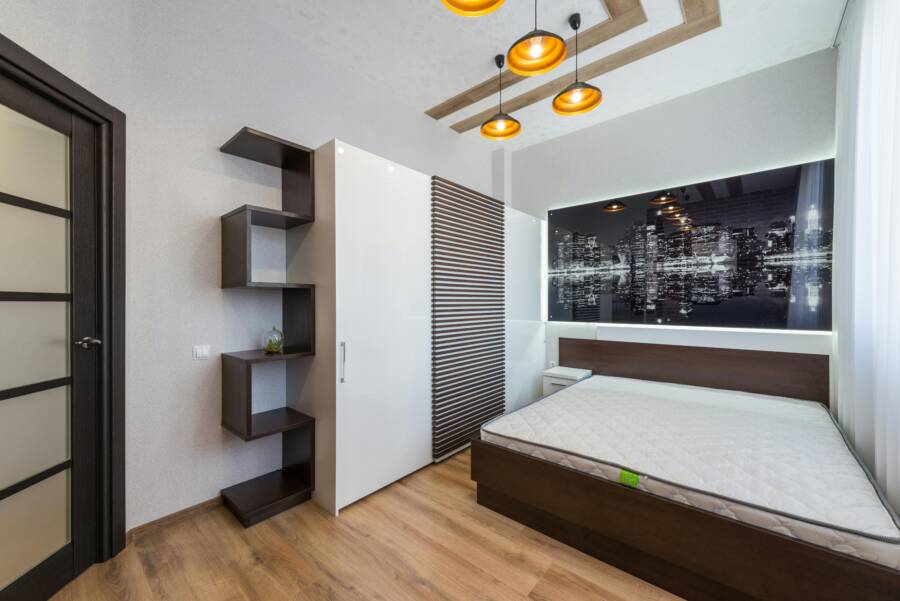
A few well placed picture ledges can turn a blank wall into a personal gallery. With basic wood from Home Depot, you can build sturdy, attractive ledges that fit your space and taste. This guide walks you through a straightforward two piece design that’s easy to cut, finish, and mount. You’ll learn how to plan the size, pick the right lumber, and get the ledges up in no time.
If you want a fast upgrade that doesn’t require fancy tools or advanced carpentry, this project is for you. It combines practical strength with a clean, modern look that works in living rooms, hallways, and bedrooms alike. Let’s get started.
Why choose DIY picture ledges with Home Depot lumber
Building your own ledges keeps costs low and gives you complete control over how they look. Pine boards from a big box store are budget friendly and easy to work with. You can customize length, depth, and lip height to accommodate your most common frame sizes. The result is a display that feels tailor made for your home.
Another benefit is adaptability. If you relocate or change your decor, you can take the ledges with you or repurpose them. There’s no bulky shelf to remove and no special hardware to undo. Simple, sturdy, and flexible sums up this approach.
Planning your ledges: size, spacing, and style
Before you pick lumber or fire up the saw, sketch a quick plan. A clear layout saves time and reduces trips back to the store.
- Length and depth: A common choice is a 32 to 36 inch long shelf with a depth of about 6 inches. This depth is deep enough for most frames and keeps the wall from looking crowded.
- Lip height: A lip of 1 inch to 1.5 inches works well. The lip cradles frames and prevents slips.
- Number of ledges: Start with two or three ledges in varying lengths to create visual interest. You can space them evenly or stagger them for a dynamic display.
- Wall layout: Map out a rough grid on the wall with painter’s tape. This helps keep levels straight and shows how the frames will sit together.
- Finish plan: Decide whether you want a natural wood look, a warm stain, or a bright coat of paint. A protective clear coat helps longevity in high traffic areas.
Tip: keep all measurements parallel to the floor. Consistency helps the display feel intentional rather than improvised.
Materials and tools you’ll need
Here is a practical shopping list for a single ledge. You can multiply quantities for multiple ledges.
- Lumber: one 1×6 pine board, 6 feet long for the back piece; one 1×2 pine board, 6 feet long for the lip.
- Wood glue: standard interior wood glue.
- Fasteners: two to four 1-1/4 inch wood screws for lip to back board, plus two 2 inch wood screws for mounting to wall.
- Sandpaper: 120 and 220 grit.
- Finishing supplies: your choice of stain and a clear top coat, or a small can of white or colored paint.
- Mounting hardware: wall anchors if you aren’t hitting studs, plus a level and a stud finder.
- Optional safety gear: eye protection and a dust mask when cutting.
Cost is typically modest. A single ledge usually costs under $20, depending on finish choices. If you make three ledges, plan on around $50 to $70 for materials and hardware. If you already own tools, the project becomes even cheaper.
Tools you’ll want on hand include a sharp handsaw or miter saw, a drill or screwdriver, clamps to hold pieces while gluing, and a level to ensure straight mounting. A tape measure, pencil, and square help keep lines precise.
Simple two piece picture ledge build: step by step
This design keeps things straightforward. You’ll create a back board that sits flush on the wall and a lip that extends outward to cradle frames.
-
Cut to size: Cut the back board from the 1×6 to your chosen length. For a first ledge, 32 inches is a friendly starting point. Cut the lip piece from the 1×2 to match the width of the back board. The lip should run the entire length of the back board.
-
Sand and smooth: Lightly sand both pieces starting with 120 grit and finish with 220 grit. Wipe away dust.
-
Attach the lip: Apply a thin bead of wood glue along the front edge of the back board. Position the lip piece along the top front edge so it projects outward about 1 to 1.5 inches. Secure with two small nails or screws from the top side into the lip and back board. Wipe away excess glue before it dries.
-
Check for smoothness: Ensure there are no sharp edges or splinters. Sand lightly if needed and wipe clean.
-
Finish: Apply your chosen finish. If you want a natural look, a quick stain followed by a clear coat works well. If you prefer a painted look, a single coat of primer followed by two coats of paint yields a clean, modern result. Let the finish cure fully.
-
Prepare mounting holes: Decide where you want the ledge on the wall. Use a level to mark two studs on the wall with a pencil. If you don’t have a stud at the exact location, use wall anchors rated for the ledge weight. Pre drill pilot holes to avoid splitting the wood.
-
Mount to wall: Drive screws into the studs through the back board or use longer screws to go through a mounting bracket. Ensure the ledge sits level. Wipe away any dust.
This two piece design keeps assembly quick and gives you a solid display platform right away. Once you’re confident with one ledge, building additional ones follows the same steps and keeps a cohesive look.
Finishing and mounting for stability and style
Finishing matters as much as the build. A finish protects the wood and makes the ledges easier to clean. If you choose a stain, test it on a scrap piece first to confirm the color. Apply a wipe-on polyurethane or a spray top coat for a smooth, durable seal. For painted ledges, use a semi gloss finish to balance sheen with durability.
Mounting technique affects safety and longevity. Always aim to anchor into wall studs when possible. If you must use anchors, pick ones rated for the weight you expect the ledges to carry. A good rule is to assume frames will weigh more than they look. Heavy or unusually shaped pieces should be supported by multiple fasteners.
Use a level during installation. A tiny tilt can throw off an entire display. After mounting, place lightweight frames first to see how the layout feels. Then add larger pieces gradually.
Spacing between ledges matters. If you plan a vertical row, keep even gaps, typically 8 to 12 inches. A wider wall lets you experiment with different lengths. The goal is a balanced, organic rhythm rather than a rushed arrangement.
Creative variations to try
A single idea can spark a room. Here are several easy twists that keep the project fresh without adding complexity.
- Mix lengths: Cut ledges in 24, 28, and 32 inches. A staggered lineup creates visual interest and accommodates a broader range of frame sizes.
- Vary depths: Use different depths for each ledge. A deeper shelf supports larger frames while a shallow one handles smaller prints.
- Play with color: Paint some ledges in bold hues and others in a neutral finish. This contrast draws the eye and helps highlight special pieces.
- Use reclaimed or differently grained wood: Even framing boards from different lots adds character. A light stain on some boards with white painted others can look intentional and stylish.
- Add small trim: A slim edge molding along the outer edge of each ledge gives a refined, custom look. It’s a simple touch that pays off in the final display.
- Create a theme: Align frames by subject or color. A travel wall might feature small mementos and photos grouped by destination.
Maintenance, cleaning, and care
Wood shelves benefit from a light touch of care. Dust regularly with a soft cloth. If needed, dampen the cloth slightly rather than using water directly on the wood. For painted ledges, touch up chips as they appear to keep the display fresh. If you sit heavy frames on the ledges, recheck the mounting every six to twelve months. A quick tightening of screws keeps everything secure.
Cost considerations and time estimate
A practical approach saves money without sacrificing quality. Here’s a rough breakdown based on typical Home Depot prices.
- 1×6 pine board, 6 feet: about $5 to $8
- 1×2 pine lip board: about $1 to $2
- Wood glue and screws: about $5
- Sandpaper and finishing supplies: about $4 to $8
- Mounting hardware and wall anchors: about $3 to $6
Total per ledge: roughly $18 to $28, depending on finish choices. Building three ledges involves multiplying those numbers, plus a little extra for fasteners you may already own.
Time wise, plan 1.5 to 2 hours per ledge for cutting, sanding, assembling, finishing, and mounting. If you’re comfortable with power tools, the process speeds up. A weekend project easily yields a ready to hang wall display.
Real world tips for a lasting display
- Start with a dry run layout on the floor or wall using painter’s tape. It helps you refine the spacing before drilling.
- Use studs for mounting whenever possible. Heavier frames benefit from solid anchors and longer screws.
- Keep frames light at first. It’s easier to adjust the layout with lighter pieces.
- Test a small sample finish on scrap wood to confirm color and sheen before applying to the ledges.
- Always sand between coats if you apply multiple finishes. A smooth surface improves the final look and durability.
Let’s talk about a few quick design notes
- A uniform look with equal lengths and gaps creates a clean, modern vibe.
- A varied set can feel curated and personal. The key is balance and repetition in the placement.
- If wall space is limited, stack two ledges above a console or bed headboard for a gallery feel.
- Lighting can enhance the effect. A simple LED strip under the lip catches light and adds depth.
Practical setup example
Imagine a 6 foot long wall in a living room. Install three ledges: 32 inches, 28 inches, and 24 inches long. Space them 10 inches apart vertically. Use a natural pine finish on all pieces for a cohesive look. Choose frames in black, white, and natural wood tones to maximize contrast. With a little planning, this straightforward setup becomes the room’s focal point.
Quick-start checklist
- Decide ledge lengths and lip height.
- Buy two boards per ledge: one 1×6 for the back, one 1×2 for the lip.
- Cut, sand, and assemble with glue and nails.
- Finish with stain or paint and seal.
- Mark wall studs, or prepare anchors.
- Mount and arrange frames.
Conclusion: Your wall gallery, built with purpose
A simple project with humble materials can transform a room. DIY picture ledges built from lumber bought at Home Depot offer a flexible, affordable way to display memories and art. You control the size, the finish, and the arrangement. The result is a practical wall feature that reflects your style and adapts as your taste changes.
If you’re looking for a small, stylish upgrade, start with one ledge and grow your wall gallery over time. With steady hands and a little patience, you’ll have a warm, inviting display that makes every photo feel at home.
This approach keeps things clear and doable. It’s practical, it’s attractive, and it fits real life. Your wall, your story, ready to tell.