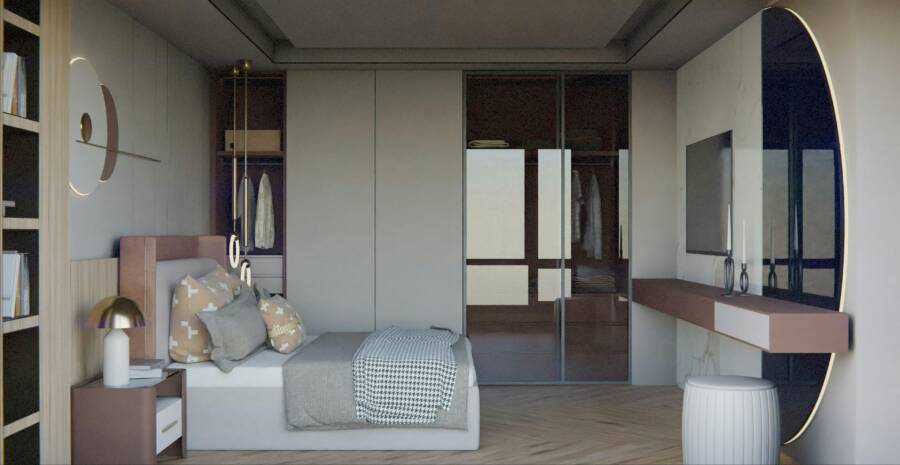
A wall shelf can turn a blank wall into a focal point without taking up floor space. It acts like a small stage for the things you love, from favorite books to heirloom trinkets. With shelves from Home Depot, you have real choices in style, size, and price. This guide walks you through choosing, placing, and styling wall shelves so you get a look that feels deliberate, not random.
Why wall shelves make a smart home move
Shelves are one of the simplest ways to add character to a room. They give you vertical storage and a place to display items that reflect your personality. A well chosen shelf can:
- Create balance in a space by filling empty walls without crowding the room.
- Highlight collections or a theme, such as a coffee bar, a reading nook, or an art corner.
- Be flexible. If you decorate differently next season, you can move shelves and rearrange items with ease.
Home Depot offers a broad range of options, from compact, decorative units to sturdy wall systems built to hold heavier items. The key is to match the shelf to the wall where it will live and to the weight you expect to display.
Choosing the right shelves from Home Depot
Start with the basics: material, size and weight, and finish. Home Depot stocks shelves in several common configurations.
- Material variety: You’ll find solid wood shelves that feel warm and substantial, metal or iron shelves with an industrial vibe, and engineered wood options that are lighter in weight and price. If you plan to display a mix of books, plants, and frames, choose a sturdy option with solid mounting hardware.
- Weight rating: Always check the weight rating for each shelf and match it to what you plan to place on it. If you expect to stack heavy items, you may need additional brackets or a thicker shelf board.
- Size and depth: Shallow shelves work well for display items, while deeper shelves support larger objects or a small collection. Think about how far the shelf will protrude from the wall and whether the items you plan to display are easily visible from your seating area.
- Finish and style: A clean white shelf blends into a contemporary room, while a dark wood tone can feel warm and traditional. Metal shelves tend to look more industrial or modern. Consider the room’s existing furniture and hardware to guide the finish you choose.
- Hardware and mounting: Read the product description for the mounting system. Some kits include brackets, screws, and anchors; others require you to buy hardware separately. For most living spaces, mounting into studs provides the best support.
Tips for picking the right setup
- Start with a test layout on the floor or wall using painter’s tape. This helps you visualize height, spacing, and groupings before you drill.
- Plan on odd numbers and varied heights for interest. A trio often looks better than a straight line of matching pieces.
- If you’re decorating a kids’ room or a busy hallway, choose shelves with rounded edges and simple boards to reduce risk of snagging or bumps.
Styles to suit your space
Shelves from Home Depot come in many looks. Here are four that cover most homes.
Modern and minimalist
- Clean lines, flat panels, and a monochrome finish. This style keeps the wall feeling open and calm.
- Pair with small potted plants, mono frames, and a few sculptural pieces for contrast.
Rustic and farmhouse
- Warmer wood tones, visible grain, and simple hardware create a cozy vibe.
- Combine with ceramic vases, woven baskets, and a few vintage books to establish charm.
Industrial and open shelving
- Metal frames with wood shelves offer an edgy, yet practical, feel.
- Keep items light and purposeful; use baskets to corral smaller items and maintain a tidy look.
Floating and corner shelves
- A floating shelf with no visible brackets works well in tight spaces or above a desk.
- Corner shelves maximize odd nooks, making the most of small rooms without crowding.
Placement and spacing guidelines
Good placement makes a shelf sing. Consider how the room is used and how you move through it.
In living rooms and dens
- Place most shelves at or slightly above eye level for easy viewing. A shelf at around 58 to 66 inches high is common, but adjust for seating height.
- Group shelves in odd numbers and vary the distance between them. A single shelf next to a pair can look off balance.
In kitchens and dining areas
- Use shelves to keep everyday dishes reachable but visible. A shallow shelf can hold mugs, bowls, or small glassware.
- Consider a two-tier display for a coffee station or a wine display. Keep it near the prep area for convenience.
In bedrooms and home offices
- A low shelf can serve as a nightstand alternative, while a wall mounted unit above a desk can hold supplies and decor.
- Use closed storage or decorative boxes on lower shelves to reduce visual clutter.
In bathrooms
- Choose water resistant finishes and ensure hardware is rated for moisture. Use shelves for towels, toiletries, and decorative jars, but avoid overcrowding the space.
How to install wall shelves safely
Safety and stability come first. Take a methodical approach and you’ll avoid most common issues.
Steps to install
- Locate studs: Use a stud finder to identify solid mounting points. If you can’t hit a stud, pick a heavy duty wall anchor rated for the shelf and its load.
- Mark and level: Mark your mounting points with a pencil. Use a level to ensure brackets sit evenly.
- Pre drill: Drill pilot holes at your marks. This helps prevent wood from splitting and makes screw insertion smoother.
- Attach brackets or rails: Secure brackets into studs or anchors according to the hardware instructions. If your shelf uses a rail system, mount the rail first and then hang the shelf.
- Place the shelf: Lift the shelf into position and secure it to the brackets or the wall plate. Double check that everything stays level as you tighten.
Tips for stability
- Use multiple brackets for longer shelves. This distributes weight more evenly and reduces sag.
- When possible, fasten shelves into wall studs. If you must use anchors, select ones rated for heavy loads and your wall type.
- Don’t overload shelves beyond their stated capacity. Keep heavy items closer to the brackets and lighter items toward the front edges.
Decorating tips that elevate your shelves
Shelving is a display tool as much as a storage solution. A thoughtful arrangement makes a room feel polished.
- Start with a focal item: A strong piece like a bold vase or a framed print anchors the display.
- Use varying heights: Stack books horizontally or propped upright next to tall objects to create rhythm.
- Mix textures and colors: A plant, a ceramic piece, and a wooden box add layers without clutter.
- Balance negative space: If one shelf is loaded, keep the neighboring shelves lighter to avoid a crowded feel.
- Add light: A small LED puck or a strip of warm lighting can spotlight your best pieces and add warmth to the room.
- Rotate seasonally: Swap out a few items every few months to keep the display fresh.
Cost, quality and how to buy at Home Depot
Home Depot makes it easy to shop shelves in-store or online. You’ll find everything from simple open shelves to multi-shelf kits that come with hardware.
- Price range: Basic single shelves can be affordable, while larger kits with metal frames or solid wood shelves will be higher. If you need a system for a kitchen or pantry, expect to invest a little more for sturdiness.
- Bundles and sets: Look for sets that group several shelves with matching brackets. Bundles save time and ensure a cohesive look.
- In-store vs online: If you want to see the finish up close, visit a store. For wide selection and home delivery, online shopping is convenient. Check customer reviews to assess real-world strength and stability.
- Installation help: Some Home Depot locations offer installation services for shelving. If you’re not comfortable mounting shelves yourself, this is a practical option to consider.
Maintenance and longevity
A shelf is a small piece of furniture, but it handles daily use. A little care goes a long way.
- Cleaning: Wipe shelves with a soft, dry cloth or a damp cloth for tougher grime. Avoid abrasive cleaners that could dull the finish.
- Check screws and brackets: Every few months, check that screws remain tight. If you notice wobble, re-tighten or replace hardware.
- Humidity matters: In damp rooms like bathrooms or kitchens, choose moisture resistant finishes and metal hardware that won’t warp or rust.
- Protect surfaces: Use coasters or mats under objects that might scratch the shelf surface.
Common mistakes to avoid
- Overloading the shelf: Exceeding the weight limit is a fast track to sagging and potential failure.
- Mismatched hardware: Using cheap anchors with heavy shelves undermines safety.
- Poor spacing: A long, empty wall with just one shelf can look out of place. Pair shelves or add supporting decor.
- Ignoring wall type: Drywall needs proper anchors; brick or plaster may require different mounting methods.
- Neglecting ventilation: In kitchens and baths, ensure moisture tolerant materials are used and proper seals are in place.
Quick styling makeovers you can try
- Kitchen vignette: A shallow shelf above the counter holds a row of mugs, a small plant, and a ceramic canister. Leave space between items so the display breathes.
- Living room console swap: Replace a single tall piece with a set of three staggered shelves above a sofa. Add a few framed photos, a plant, and a pair of small sculptures.
- Hallway display: Create a mini gallery with three to five frames, a candle, and a compact sculpture. The shelves will guide the eye as people walk through.
- Bathroom refresh: A moisture resistant shelf with rolled towels, a jar of cotton balls, and a plant adds spa-like calm without clutter.
A practical shopping plan for Home Depot
- Define the room and wall: Measure the space, assess wall type, and decide how many shelves you need.
- Set a budget: Determine how much you’re willing to spend on shelves, brackets, and display items.
- Choose a style: Pick a look that complements your furniture and finishes.
- Check hardware: Confirm the shelf kit includes brackets, screws, and anchors suitable for your wall.
- Plan layout: Sketch a quick layout and test it with tape on the wall before drilling.
Conclusion
Wall shelves from Home Depot offer a straightforward way to add storage and style to any room. They accommodate a calm, organized living space while letting your personality shine through the objects you choose to display. Start small with a single shelf and a simple display, then expand as you refine your taste and see how the space feels. With thoughtful selection and careful mounting, shelves become more than just shelves — they become a quiet stage for everyday life.
If you’re ready to start, pick a room and a shelf set that fits your style. Mount it with care and arrange a few favorite items first. As you grow more comfortable, you can add a second or even a third shelf to create a cohesive display that evolves with your space. The result is a home that feels both useful and inviting, with decorative touches that reflect who you are.
Bold takeaway: a well placed wall shelf is a small investment with a big payoff. It changes how a room looks and how you use it, without adding clutter or sacrificing space. Take the next step, browse Home Depot options, and begin your transformation today.