What If the Only Thing Between You and the Life You Deserve Is a Hidden Wealth Code Waiting to Be Activated
>>> Open the Door <<<

Finding the right lights for your home can feel like decoding a map. Home Depot stocks thousands of bulbs, fixtures, and terms that might not be familiar at first glance. This guide breaks down the core concepts so you can shop with confidence. Expect to see three guiding ideas repeated across product pages: brightness, color, and how the light behaves. With this knowledge, you’ll pick the right bulb for each room and avoid common missteps.
Understanding Brightness: Lumens, Watts, and Efficiency
Brightness is usually the first term shoppers notice. In most cases, you want to focus on lumens rather than watts. A higher lumen count means more light output. Watts measure energy use, not brightness, and that can be misleading if you compare different bulb technologies.
- Lumens tell you how much light a bulb emits. A typical LED A19 bulb might deliver around 800 lumens, similar to a 60 watt incandescent.
- Watts indicate energy consumption. An LED uses far fewer watts to produce the same lumen amount as an old incandescent.
- Efficiency is the ratio of lumens to watts. It explains how far the energy goes in lighting your space. LEDs generally offer the best efficiency, followed by CFLs and halogens.
If you’re replacing a room’s lighting, a quick rule of thumb is to aim for a total lumen output that suits the room size and activity. A bright kitchen task area benefits from more light, while a living room or bedroom can feel comfortable with fewer lumens if you prefer a softer vibe. Home Depot product pages often list lumens as a primary specification, with watts shown as a reference for energy use.
Thousands of People Were Struggling With Money Until They Discovered This One Ancient Secret Hidden in Sound
>>> Unlock It Now <<<

Bulb Bases and Shapes You’ll Encounter
The base or socket type determines which bulbs fit which fixtures. In the United States, the most common base is the E26 medium screw base, but you’ll also see smaller or specialty bases in certain fixtures.
- E26 (Medium) is the standard base for most residential bulbs. It’s what you’ll find in ceiling fixtures, lamps, and recessed lights.
- E12 (Candelabra) is a smaller base used in many chandeliers and decorative fixtures.
- GU10 is a twist-and-lock base used in some track lights and recessed fixtures; typically for bulbs with a two-pin, bi-pin style.
- Common shapes include A-series bulbs like A19 and A21 for everyday lamps, PAR bulbs for directional lighting, and BR or AR shapes for spreads and accents.
When you shop, check the fixture’s label or the product description for the required base. If you’re unsure, bring the old bulb or the fixture model to the aisle. Bulbs also come in several shapes and sizes, such as A19 for standard bulbs, BR30 for recessed or can lights, and PAR38 for outdoor flood lighting. Matching the shape to the fixture ensures a proper fit and even light distribution.
Color Temperature: Warm, Neutral, and Cool Light
Color temperature describes the tone of the light, measured in kelvin. It influences how the room feels and how colors appear.
- Warm white (around 2700K to 3000K) creates a cozy, inviting glow. It’s typical for living rooms, bedrooms, and dining areas.
- Soft white or warm neutral (around 3500K) sits between warm and bright; it’s versatile for kitchens and bathrooms.
- Bright daylight (5000K to 6500K) mimics natural daylight and helps with task work. It’s common in workshops, home offices, and garages.
Labels on Home Depot bulbs usually show the color temperature as a number in kelvin. For a kitchen where you trim herbs and read recipe notes, you might choose 3000K for warmth with enough brightness. For a home office, 4000K or 5000K can improve focus by providing crisp, clear lighting. The right temperature makes a big difference in how comfortable a space feels and how accurately you see colors.
Color Rendering Index and How It Affects Your Space
The Color Rendering Index, or CRI, measures how faithfully a light source reveals colors compared with natural light. The scale runs from 0 to 100, with higher numbers indicating truer color rendition.
- CRI 80 and above is suitable for most homes and general tasks.
- CRI 90 plus matters in rooms where color accuracy matters, such as kitchens for food presentation or craft spaces.
- Some bulbs also expose a color rendering nuance called R9, which affects reds and skin tones. High CRI with solid R9 performance helps surfaces and people look natural under the light.
When shopping at Home Depot, you’ll often see CRI listed in the product specs. If you do a lot of color-sensitive work or simply want room aesthetics to feel natural, aim for CRI 90 or higher in rooms where you’ll spend time.
LED, CFL, and Halogen: Choosing the Right Bulb Type
The bulb type affects efficiency, longevity, heat, and upfront cost. Here’s what to know about the three most common options you’ll encounter.
- LEDs are the workhorses of modern lighting. They use little energy, last many years, and come in many shapes and bases. A typical LED uses a fraction of the watts of an incandescent for the same brightness.
- CFLs use less energy than incandescent bulbs and can be a good value, but they contain small amounts of mercury and don’t reach full brightness instantly in cold weather.
- Halogen bulbs are a type of incandescent with slightly better efficiency and color warmth. They have a shorter lifespan and higher energy use than LEDs.
For most homes, LEDs win on value and performance. They’re available in a wide range of bases, shapes, and color temperatures, and many are labeled as dimmable or smart compatible. If you’re upgrading older fixtures, look for LED retrofit kits or LED replacements that fit your existing sockets.
Dimmable and Smart Lighting Terms
She Pressed Play on a Strange Audio Track and Within Days Her Financial Reality Started Shifting in Ways She Could Not Explain
>>> See How It Works <<<

Dimming and smart features add flexibility to how you use lights, but not all bulbs work with every dimmer or system.
- Dimmable bulbs can be reduced from full brightness. Some bulbs buzz with certain dimmers; if you hear hum, try a different dimmer-compatible bulb.
- Dimming efficiency can vary with color temperature. In some cases, warmer tones dim more smoothly than cool whites.
- Smart bulbs connect to WiFi or a hub so you can control brightness and color with an app, voice, or scenes. They often pair with assistants like Alexa or Google Home.
- Compatibility matters. If you have an existing smart home setup, choose bulbs that work with it. If you only want remote control, a basic dimmable bulb might be enough.
- You’ll see terms like ZigBee, Z-Wave, or Bluetooth in product specs. These indicate how the bulb talks to a hub or device.
At Home Depot, many bulbs are marketed as dimmable or smart. A smart bulb can be a good fit for living rooms and bedrooms where you want easy lighting scenes for movie nights or reading. For kitchens and hallways, a simple dimmable LED often does the job with less setup.
Outdoor and Weatherproof Lighting Terms
Outdoor spaces demand bulbs and fixtures designed to withstand the elements. Look for ratings and terms specific to weather exposure.
- IP rating indicates how well a light resists dust and water. A higher IP number means more protection.
- Wet location and damp location classifications tell you where a fixture can be used. Wet locations tolerate direct water spray; damp locations get moisture but not direct spray.
- Outdoor fixtures often accompany weatherproof seals and corrosion resistance for metal parts. When pairing bulbs with exterior fixtures, ensure the bulb itself is rated for outdoor use if needed.
- Popular outdoor options include flood lights and path lights. For security or landscape lighting, you’ll find a mix of LED and halogen options with weatherproof casings.
If you’re updating a porch, patio, or yard, choose bulbs and fixtures that specify outdoor use and match the local climate. A little planning here prevents early replacements and keeps your exterior spaces bright.
Common Fixture Terms You’ll See in the Aisles
Understanding a few fixture terms helps you choose the right product quickly.
- Luminaire is the complete lighting unit that includes the bulb and housing. It’s the whole thing you install in a ceiling, wall, or fixture.
- Integrated LED means the light source is built into the fixture and isn’t replaceable as a bulb. This can simplify installation and ensure consistent color and brightness.
- ** retrofit kit** lets you swap an existing non LED fixture for LED performance without changing the fixture’s housing.
- Recessed lighting installs into the ceiling and uses trims to direct light. It’s popular in kitchens and living rooms for a clean look.
- Track lighting uses adjustable heads on a track to direct light where you want it. It’s flexible for accent lighting and task areas.
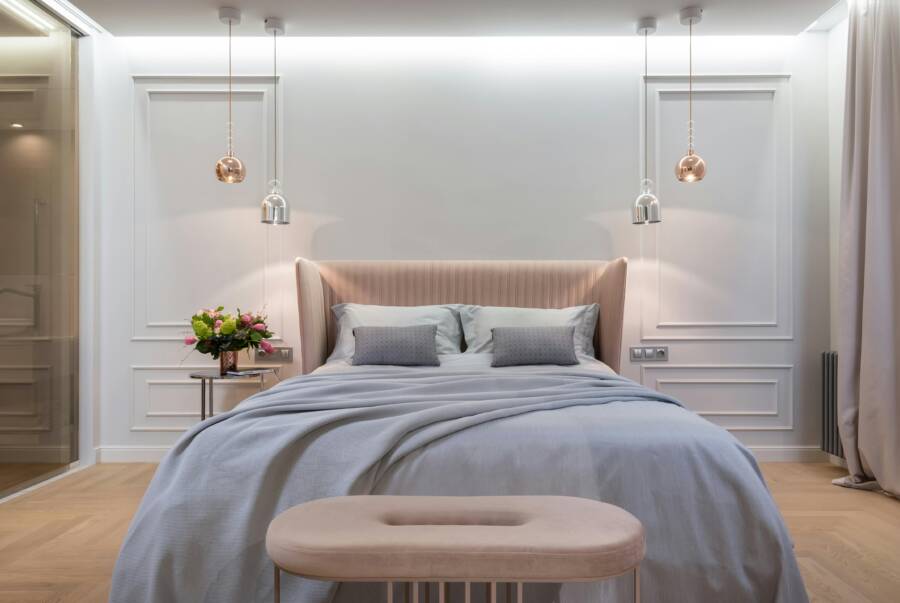
- Pendant and chandelier fixtures bring light down from ceilings for dining areas, entryways, or statement spaces. They often pair with LED bulbs for long life and good color.
When selecting fixtures, consider how the light will spread. A recessed flood provides broad coverage, while a track light or pendant creates focal points. The right combination adds depth and warmth to rooms.
Buying Tips for a Practical Home Upgrade
A few practical steps help you make a smart purchase at Home Depot without overthinking every choice.
- Start with the task. For kitchens and workspaces, aim for brighter, cooler light. For living spaces, warmer tones with a bit of dimming usually feel inviting.
- Check lumens first, then color temperature. A high lumen count matters for visibility, but the tone should suit the room’s mood.
- Confirm the base type. If you’re replacing bulbs in existing fixtures, the base must match (E26, E12, GU10, etc.).
- Choose the right bulb type. LEDs are the best all-around choice for most homes; select CFLs only if you have cost constraints and need a short-term fix.
- Look for the energy label. Energy Star certified bulbs meet certain efficiency standards and can save money over time.
- Review dimming compatibility. If you use dimmers, pick bulbs labeled as compatible with your dimmer type to avoid flicker or noise.
- Check warranty and lifespan. A longer warranty and higher rated hours mean fewer replacements, which adds up over years.
- Consider color consistency. If you buy bulbs from different brands, aim for the same color temperature and CRI to keep lighting uniform.
- Plan for outdoor spaces. Outdoor lighting should be weather rated and suited to the exposure level of each location.
A quick shopping approach is to map rooms to bulbs. In the kitchen, pick bright LED bulbs around 3000K with high CRI. In the living room, 2700K to 3000K with dimmable LEDs creates a cozy vibe. In the home office, 4000K to 5000K with a high CRI helps you see details clearly.
Putting It All Together: A Simple Shopping Script
- Step 1: List each room and the light tasks you’ll perform there.
- Step 2: Note the fixture type and base you’ll replace or install.
- Step 3: Pick a color temperature that fits the room’s mood.
- Step 4: Choose an LED bulb for energy savings and long life.
- Step 5: If you want smart or dimmable options, verify compatibility with existing devices.
- Step 6: Buy a few extra bulbs in the same batch to avoid color differences in future replacements.
This approach keeps you consistent across all purchases and reduces the risk of mismatched lighting in a space.
Practical Room Scenarios
- Kitchen task lighting: bright neutral light around 3500K to 4000K, high CRI for accurate food color perception.
- Living room ambiance: warm white around 2700K to 3000K, soft dimming for evenings.
- Home office: daylight white around 5000K for clarity and focus, with a color rendering index above 90 for true color perception.
- Bathrooms: bright white around 3000K to 3500K with good CRI to help with makeup or shaving.
- Outdoor spaces: cool white with adequate lumens, weatherproof fixtures, and an IP rating suitable for the location.
Common pitfalls to avoid
- Buying too few lumens for a large room. If a space feels dim, add another light source instead of cranking up one fixture.
- Ignoring bulb shape. A recessed can needs a specific bulb to avoid glare and ensure proper beam spread.
- Overlooking dimmability. If a fixture is wired for dimming, use a dimmable bulb; otherwise the bulb may flicker or fail early.
- Mixing color temperatures in a single room. Keep your rooms cohesive by sticking to a similar range of kelvin values.
- Skipping the CRI check. Rooms where color accuracy matters benefit from higher CRI bulbs.
Conclusion
He Was Drowning in Bills and Burnout Until a Simple Daily Ritual Rewired His Brain for Wealth in Less Than a Week
>>> Start Your Shift Today <<<

Lighting is about more than brightness. It shapes the feel of a room, influences mood, and frames colors in everyday life. By focusing on lumens, base types, color temperature, CRI, and the right bulb family for your fixtures, you’ll make smarter picks at Home Depot. Whether you’re refreshing a single fixture or upgrading every room, these terms translate into real improvements in how you live with light. Start with one well chosen bulb and a plan for each room, and you’ll see the difference quickly. If you’re planning a broader lighting update, consider matching color temperatures across spaces for a cohesive home glow. Thanks for reading, and may your next lighting upgrade be straightforward and satisfying.
Thousands of People Were Struggling With Money Until They Discovered This One Ancient Secret Hidden in Sound
>>> Unlock It Now <<<