
A reliable bathroom seal starts with the right caulk. From tub surrounds to sink basins, the material you pick helps keep water out, fights mold, and keeps your fixtures looking fresh. This guide shows you how to choose bathroom caulk and sealants at Home Depot, so you can shop with confidence and finish projects faster.
The right sealant does more than fill gaps. It protects against moisture, adapts to movement, and plays a key role in the long term durability of your bathroom. Below you’ll find a practical path from understanding options to making a smart purchase at your local Home Depot.
Why the right caulk matters in a bathroom
Bathrooms present constant moisture, heat, and the possibility of mold. A good caulk forms a water resistant barrier between tiled surfaces, fixtures, and walls. It also tolerates tiny shifts caused by temperature changes or building settling. Choosing the wrong product means peeling, cracking, or mildew growth that can require costly replastering.
Key benefits of selecting the proper caulk include:
- Preventing water intrusion around edges and joints
- Reducing maintenance and cleaning time
- Extending the life of tile, counter tops, and fixtures
- Matching your design with color and finish for a clean look
When you shop at Home Depot, you’ll see several brands and formulas. The challenge is picking one that fits your climate, project type, and how long you want the seal to last.
Key types of bathroom caulk and sealants
Understanding the main categories helps you compare products quickly.
Silicone based caulk
Silicone caulk is famous for staying flexible and resisting water. It does not shrink much and generally lasts longer in wet areas. If you’re sealing a tile shower or a bathtub lip, silicone is a dependable choice.
Pros
- Excellent water resistance
- High durability in moist areas
- Clear or white options available
Cons
- Not paint friendly
- Can be harder to tool smoothly on a first try
Silicone acrylic hybrid sealants
Hybrid sealants blend silicone’s waterproofing with acrylic’s paintability. They’re easier to apply than pure silicone and often work well around sinks and tub edges.
Pros
- Easier to apply than pure silicone
- Some paintable options
- Good moisture resistance
Cons
- Not as flexible as pure silicone in extreme conditions
Acrylic latex caulk (water clean up)
Acrylic latex caulk is a common go to for dry areas or non continuous wet zones, like around bathroom vanity backsplashes or decorative niches. It cleans up with water and can be painted after curing.
Pros
- Easy cleanup with water
- Paintable
- Easy to apply
Cons
- Less water resistant than silicone
- May require more frequent replacement in damp spaces
Mold and mildew resistant formulas
Look for labels that say “mildew resistant” or “mold resistant,” especially for showers and tub surrounds. Some products include biocide additives that inhibit mold growth and maintain smoother finishes over time.
Pros
- Reduces mildew formation
- Maintains appearance longer in moist spaces
Cons
- May be slightly more expensive
- Requires proper surface prep to maximize performance
Backer rod compatible and paintable options
For large gaps, you may need a backer rod to fill the space before caulking. Some seals are designed to be painted to match grout or tile. If you want a seamless color, check for paintable products and wipe away excess before curing.
Image placement
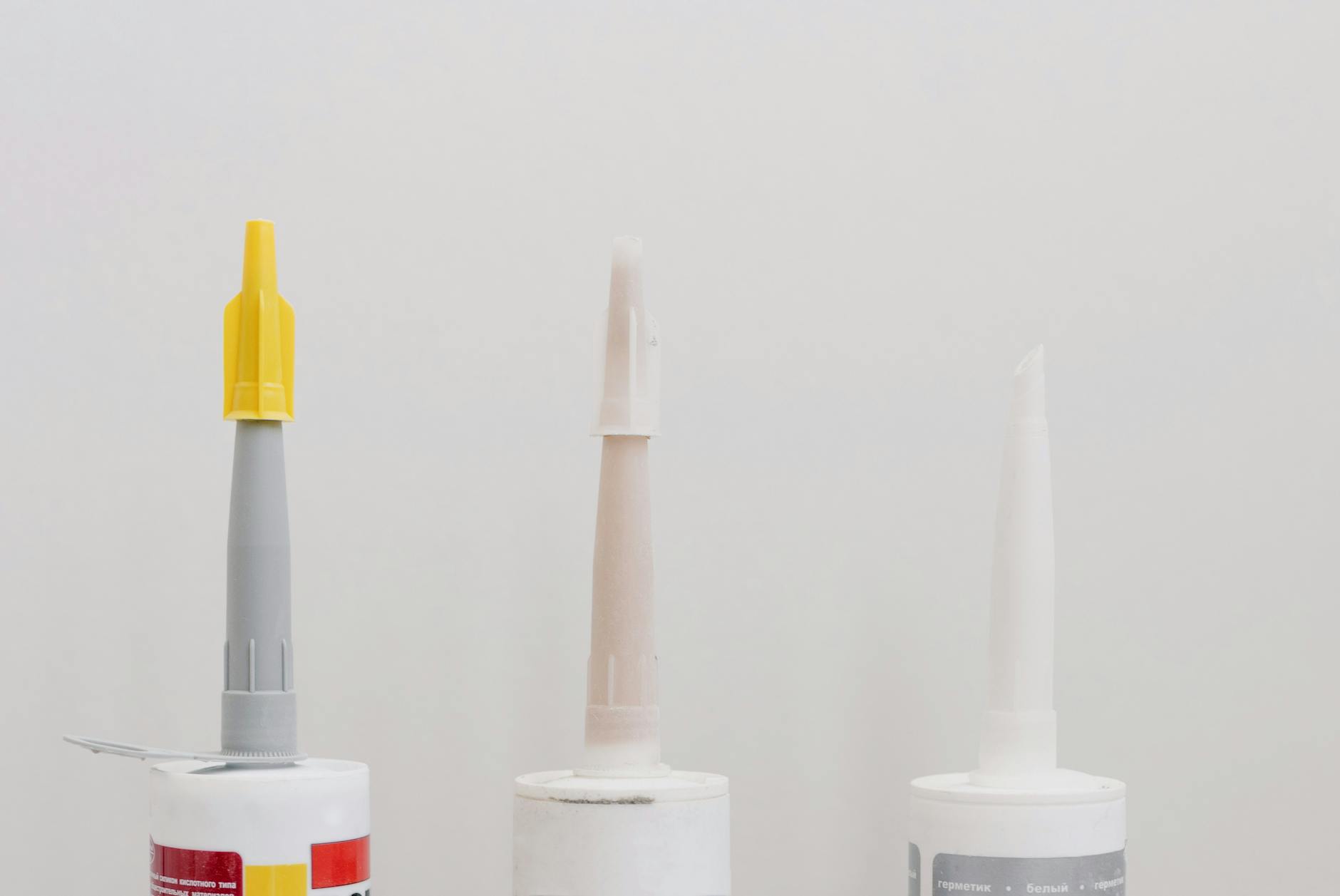
Photo by Ksenia Chernaya
Quick decision guide
- If you’re sealing a shower or tub edge: choose a pure silicone or a silicone hybrid for maximum water resistance.
- If you want to paint the caulk to blend with grout or tile: pick a paintable acrylic latex or a silicone acrylic hybrid labeled as paintable.
- If you’re on a budget or sealing non wet areas: acrylic latex is often the most forgiving option.
How to shop at Home Depot for bathroom caulk
Home Depot carries a wide range of caulks and sealants. To save time, use these practical tips.
Read the label before you buy
Product labels reveal important details. Look for:
- Wet area performance and water resistance ratings
- Cure and tack times
- Paintability and cleanup method
- Temperature resistance and humidity tolerance
- Mold and mildew resistance claims
Check the format and packaging
Caulk comes in cartridges, squeeze tubes, and sometimes preset guns. Cartridges are best for longer runs or projects needing steady bead size. Squeeze tubes work for small spots or quick touch ups. For a bathroom with many joints, a caulk gun and standard cartridges are typically the most efficient.
Match color and finish
Most common bathroom caulks come in white or clear. If you have colored grout or tile, you may want a hue that blends in or complements the design. Some products offer off white or almond tones. For a seamless look, consider a transparent option around glass and metal fixtures.
Consider installation time
Cure times vary. Some caulks skin over in about 20 minutes and cure fully in 24 hours. Others may need 48 hours or longer in high humidity bathrooms. Plan around bathroom use to avoid re wetting uncured sealants.
Look for warranties and warranties
A good sealant often carries a warranty. Home Depot typically lists manufacturer warranties on product pages. A longer warranty can reflect product durability and performance expectations in real homes.
How to read product labels for bathroom needs
Product labels are your fastest source of truth. Focus on a few key phrases.
- Water resistance rating: Made for showers and tubs? If yes, it’s designed to handle constant moisture.
- Mildew resistance: This is especially important in bathrooms with limited ventilation.
- Paintability: Do you want to repaint later? If so, confirm it can be painted after cure.
- Curing time: Shorter times help you finish faster but ensure you won’t be exposed to water during cure.
- Temperature tolerance: Some bathrooms face temperature swings that affect curing.
When you’re comparing options, line up three items side by side. Note the differences in cure times, clean up, and paintability. This method helps you pick the right product quickly.
How to apply bathroom caulk like a pro
A solid seal begins with prep. Without clean, dry surfaces, even the best caulk will fail.
Prep surfaces thoroughly
- Remove old caulk with a utility knife or a caulk removal tool.
- Clean joints to remove soap, mold, and dirt.
- Dry surfaces completely. Moisture trapped under the seal causes problems.
Use the right tools
- A caulk gun is essential for cartridge caulk.
- A caulk smoothing tool or a wet finger helps create a neat seam.
- For small gaps, a squeeze tube can do the job.
Apply in steady, even beads
- Hold the gun at a steady angle and apply in a continuous bead.
- Smooth promptly to avoid air pockets.
- Wipe away excess with a damp cloth before the seal sets.
Allow proper curing
- Protect the cured bead from moisture during cure time.
- Don’t re water or scrub until full cure is complete.
- Some products dry to touch in minutes but cure fully in 24 to 48 hours.
Backer rod and foundation
For large gaps, insert a backer rod first. It fills most of the gap and helps caulk seal better. It also reduces the amount of sealant you need.
Color and finish options
Color choice can impact the bathroom’s look as much as its durability.
- Clear: Best around fixtures and glass, where you want the line to disappear.
- White: Classic and versatile, works in most bathrooms.
- Off-white and almond: Good options to match warm tile tones.
- Paintable: If you want a grout or tile match, pick a paintable sealant and cover it after curing.
The finish should align with adjacent materials: a glossy look around a glossy tile is fine, but you may want a matte finish for a softer, modern appearance.
Common mistakes to avoid
- Skipping surface prep: Residue or damp joints ruin the seal.
- Jumping to the longest cure time: Quick cure products can fail in wet zones if misused.
- Underestimating heat and humidity: Bathrooms with steam need a more moisture resistant sealant.
- Choosing the wrong color or finish last: Pick early to avoid mismatch in trim or tile.
Maintenance and re caulking timing
Sealants do not last forever. With time, amine odors fade but the seal can crack or peel. Signs you need to recaulk include:
- Cracks along the seam
- Mildew or mold growth that won’t clean
- Water leaks behind non visible joints
- The seal feels soft or crumbly to the touch
Most bathrooms will benefit from a re caulk every 5 to 10 years, depending on usage and the quality of the original installation. If you remodel or swap fixtures, a fresh seal is wise.
Quick decision checklist for Home Depot shoppers
- Identify the area to seal and choose the formula suited for that space (shower, tub, or vanity).
- Decide between silicone and acrylic latex based on water exposure and paint needs.
- Check for mold and mildew resistance and confirm cure time matches your schedule.
- Confirm color and finish matches your bathroom palette.
- Look for packaging that includes a backer rod option for large gaps if needed.
- Verify the product is within your budget and has a reasonable warranty.
Where to find the right bathroom caulk at Home Depot
- Look in the Caulks and Sealants aisle where you’ll see silicone, acrylic, and hybrid products.
- Use the store app to filter for “mildew resistant,” “waterproof,” and “paintable” features.
- If you’re unsure, ask a Home Depot associate for guidance on surface type and climate considerations.
Installation scenario: sealing a shower surround
Imagine a typical bathroom remodel where you replace a shower surround. You’ll likely choose a silicone or silicone acrylic hybrid for the wet edges. Prep thoroughly, remove old caulk, wash the surface, and dry it. Apply a smooth, continuous bead around all joints. Tool the bead with a little water for a perfect finish. Allow the seal to cure fully before the first shower. If you want to repaint adjacent trim later, choose a paintable option or plan color coordination ahead of time.
Special considerations for Taiwan inspired bathrooms or small spaces
If you’re updating a compact bathroom with tight corners, you’ll benefit from clear or translucent sealants that visually open up the space. In areas with high humidity, a mildew resistant formula is a smart choice. Always check local brand availability at Home Depot and compare the latest customer reviews for real world performance.
Final thoughts and a plan of action
Choosing bathroom caulk and sealants at Home Depot is about matching function with finish. Start by identifying the area to seal, select the right formula for moisture exposure, and confirm cure times fit your schedule. The right product protects your bathroom for years and keeps it looking clean.
If you’re tackling a first project, stick to acrylic latex or a silicone acrylic hybrid. They offer a forgiving application and a straightforward cleanup. For showers, tubs, and high humidity zones, lean toward pure silicone or a top rated hybrid for best performance.
Begin with a quick inspection of your bathroom joints. Decide where you need a flexible, water resistant seal and where you want to paint the caulk to blend with tile. Then head to Home Depot with a short list:
- Area and joint type
- Preferred formula (silicone, hybrid, or acrylic)
- Paintability needs
- Mildew resistance
- Cure time and budget
This approach keeps the process calm and the result durable.
If you want to refresh your bathroom without a full remodel, a new seal is a cost effective upgrade. It can transform the look of corners and joints, reduce maintenance, and extend the life of your tiles. With the right product in hand, you’ll complete the project in fewer steps and less time.
Photo by Ksenia Chernaya
Photo by Ksenia Chernaya
Note: If the product you pick lacks a feature you require, you can often pair it with a backer rod or a finishing tool to improve performance and finish. The key is planning your steps and following the product’s label for best results.
Would you like help narrowing down options for your specific space at Home Depot? Share your bathroom layout, the joints you’re sealing, and your preferred finish, and I’ll help you pick the best caulk and method to get a solid seal that lasts.