
Buying storage at Home Depot can feel like a win. You stroll the aisles, spot sturdy racks, clear bins, and clever organizers, and imagine a tidier space tomorrow. But common missteps can turn a smart pick into a clutter problem that lasts for years. This guide breaks down the biggest mistakes and shows how to choose, place, and use Home Depot storage to actually get organized.
Making a plan up front matters more than any single item. Start with a simple map of the space, what you want to store, and how you move around the room. Then pick solutions that fit that plan, not the other way around. The right approach saves time, reduces waste, and keeps your space usable every day.
Plan First, Measure Thoroughly
One of the most painful mistakes is skipping a real space plan. People grab shelves because they look sturdy or because a deal seems too good to pass up. Without measuring, you end up with units that don’t fit between doors, under windows, or along the wall.
- Measure three times, choose once. Note ceiling height, door clearances, and the depth of every potential footprint.
- Sketch a quick layout. Include work zones for tasks you perform often, not just storage dead space.
- Consider traffic flow. You need room to reach items without moving a dozen boxes first.
A common trap is buying tall units to save floor space, only to find that ceiling clearance or shelving depth blocks access. If you can’t reach the back of a shelf without stepping on a stool or bending awkwardly, the system fails in practice.
Image suggestion for this section
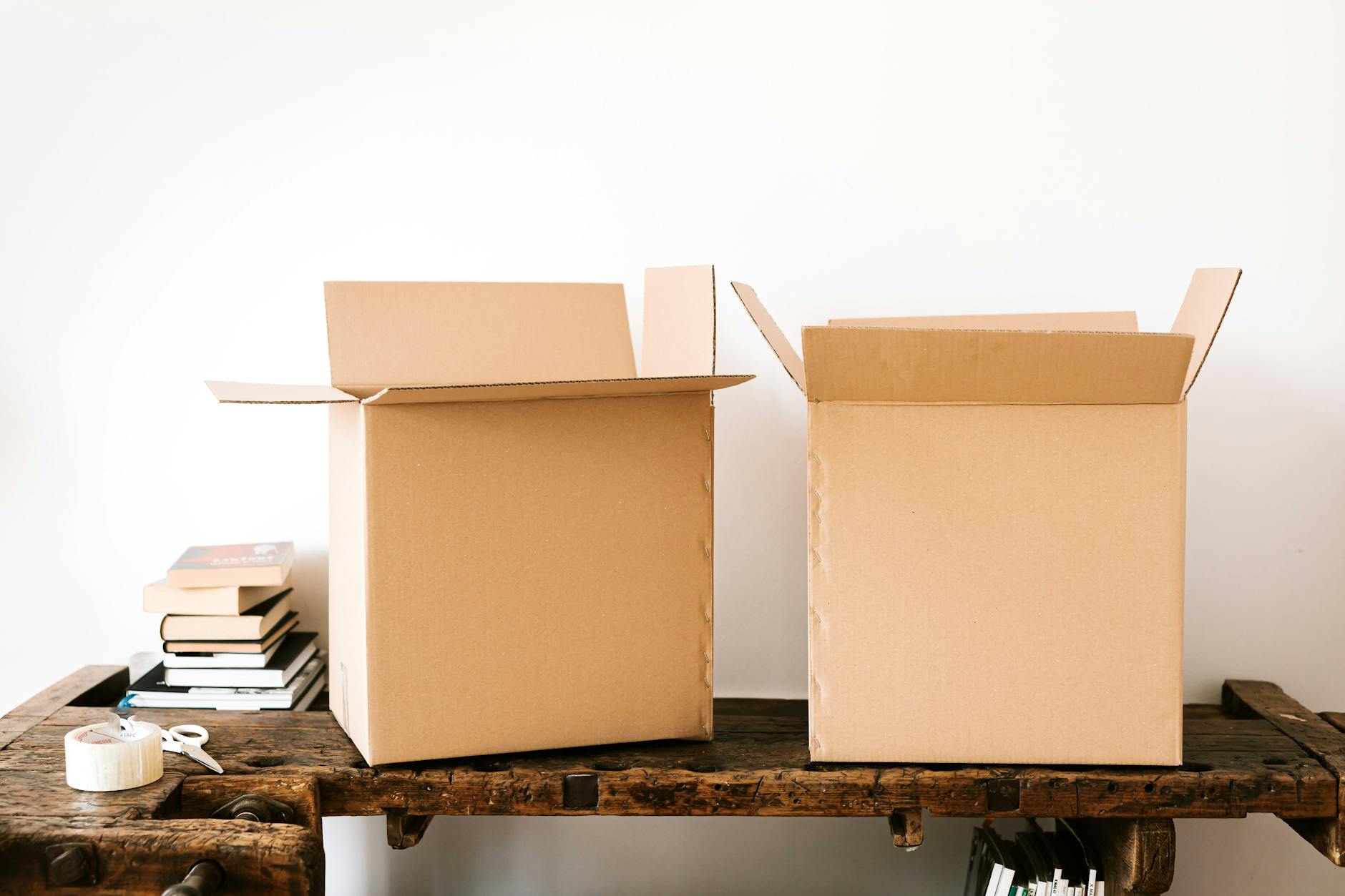 Photo by Karola G
Choose the Right System for the Job
Home Depot shelves come in metal, wire, and heavy-duty plastic, with a range of coatings and layouts. The wrong system for your load or space creates a fragile feel and shortens the life of the storage.
- Light items and a clean, dry garage or shed respond well to plastic or wire systems.
- Steel shelves handle heavy tools and stacked bins, but they require anchors and careful weight planning.
- Fully adjustable modular units shine in rooms that change with seasons or projects. They adapt as your needs evolve.
Avoid mixing too many different systems in one area. Each system has a weight range and a task it handles best. When you mix mismatched components, you risk sagging shelves, misaligned doors, and uneven loading that stresses joints.
Respect Weight Limits and Load Capacity
A frequent oversight is ignoring load ratings. Shelves, brackets, and wall anchors all carry limits. Pushing beyond them is a fast path to bent frames, cracked walls, or items tipping.
- Start with a per-shelf rating and tally the expected weight of the items you’ll place there.
- Don’t forget about the weight after you add bins, tools, and packaging material. A single shelf can become heavy quickly.
- If you’re storing abrasive or sharp items, place them in sturdy bins with secure lids to prevent accidental punctures or spills.
Best practice is to spread weight evenly and anchor tall units to studs or masonry. If you rent or plan to move soon, choose freestanding systems with solid baselines rather than wall-mounted options that require drilling.
Think Ahead to Future Needs
Storage should flex with your life. Projects come and go, but clutter sticks around unless you plan for it.
- Use adjustable shelves so you can reconfigure as your tool list grows or shrinks.
- Choose modular cabinets with doors or drawers to protect seasonal items from dust.
- Leave space for future bins and organizers. A little foresight saves a full redo later.
If you anticipate changes like a home workshop, a kid’s play area, or a garden workbench, pick solutions that can grow with you. This reduces the chance you outgrow your setup within a year or two.
Accessibility Is Key
Storage that’s hard to reach feels like a tease. You’ll end up leaving things out or forced to move other items to access what you need.
- Place frequently used items at waist height where you can grab them easily.
- Put seasonal or rarely used items higher up or in the back of a cabinet.
- Use pull-out shelves, bins with clear fronts, and labeled drawers to speed retrieval.
A simple rule of thumb is to keep the most used items in the most accessible places. This small choice compounds into big time savings week after week.
Labeling and Inventory Management
Good labeling turns a storage system into a workflow, not a guessing game.
- Label shelves or bins with clear descriptors: item type, size, and quantity.
- Use a simple system for recurring items like nails, screws, and fasteners. A color code or a two-word tag can save minutes each time you shop or restock.
- Keep an inventory list handy, either on a wall-mounted board or in a quick digital note. Update it as you add or remove items.
Without labels, you end up with duplicate buys, forgotten items, and wasted space. With labels, you reclaim time and reduce frustration.
Shelving for Moisture and Climate Matters
Garage spaces, basements, and laundry rooms can swing with humidity and temperature. The wrong storage can warp wood, corrode metal, or mold in damp corners.
- In damp spaces, favor sealed plastic bins and metal shelves with rust-resistant coatings.
- Avoid particleboard or veneered surfaces in garages and basements. They soak up moisture and warp.
- Elevate storage off the floor where possible to prevent splash and moisture wicks.
If you’re in a coastal or humid area, invest in a dehumidifier or a small air purifier alongside your storage. A dry, stable environment keeps tools and supplies in better condition longer.
Quality and Durability Beyond the Price
Budget might tempt you to choose the cheapest option, but durability pays off over time.
- Look for reinforced corners, solid fasteners, and smooth glide drawer systems.
- Check for a fit that minimizes wobble when you load items. A sturdy system remains stable even with frequent use.
- Read the warranty. A longer warranty often signals better materials and construction.
Cheap shelving that sags after a year leads to a domino effect: items fall, shelves shift, space becomes unsafe. Investing in better components up front saves hassle down the road.
Budget Smarts and Hidden Costs
Storage can slide from a simple purchase to a full project, especially when you add doors, casters, or wall mounting.
- Include installation hardware in your budget. Some units require anchors, studs, or wall screws.
- Don’t overlook accessories like bins, labeling systems, and moisture absorbers.
- Allow for unexpected moves or reconfigurations. A little cushion in the budget buys flexibility.
The goal is to avoid the sinking feeling of realizing you saved a little on the shelf only to pay more for the right size or the extra pieces you forgot.
Installation and Assembly Pitfalls
Even the sturdiest system fails if it’s not assembled correctly. Improper anchoring, misaligned shelves, or over-tightening can cause damage.
- Follow manufacturer instructions step by step. Skipping steps invites wobble or failure.
- Use the correct hardware for your wall type. Wood studs, masonry, and drywall each need different anchors.
- Check levelness as you go. A level frame protects the long-term stability of the unit.
If the space is awkward, avoid forcing an awkward setup. Sometimes a different configuration or a smaller footprint is a wiser choice than squeezing a tool into an ill-fitting spot.
DIY Versus Professional Help
Some installations are straightforward, others need a pro touch.
- For freestanding units, a confident DIY approach works, provided you follow safety guidelines.
- For wall-mounted or heavy loads, consider a professional install. Proper anchoring prevents accidents and damage.
A quick contractor check can also reveal structural issues in older walls or corners. Spending a little on expertise can prevent big problems later.
How to Choose the Right Home Depot Storage Solutions
If you’re starting fresh, here is a practical approach that blends simplicity with effectiveness.
- Define your goal. Is this for tools, crafts, outdoor gear, or seasonal items?
- Assess the space. Note height, width, and the floor condition.
- Prioritize accessibility. Place daily use items in easy reach and reserve corners for bulk storage.
- Select a system with adjustable features. This lets you adapt without buying new furniture.
- Verify weight limits. Match the load to what you store now and in the near term.
- Check for moisture protections. In damp spaces, prioritize sealed bins and rust-resistant shelves.
- Plan for future needs. Leave room for growth and reconfiguration.
In short, pick a cohesive system that can adapt as your needs change. A little foresight prevents multiple upgrades and a disorganized space.
Quick Wins You Can Try This Weekend
- Create a single staging area near the door for gear that moves in and out often.
- Label three bins for restocking and one for seasonal items to avoid misplacing things.
- Install vertical storage on a free wall to free up floor space.
- Use clear bins at eye level so you can see what you have without opening every lid.
- Add a small dehumidifier in damp spaces to protect tools and electronics.
This approach turns a big project into a set of doable tasks. Each win stacks onto the next, building a space you’ll actually use.
Conclusion: Make Storage Work for You, Not the Other Way Around
Home Depot offers the tools to build a clean, practical storage solution. The real difference comes from how you plan, select, and place those tools. Start with a solid plan, pick the right system for the job, and respect weight and accessibility. Add labels, consider climate, and think ahead to future needs. Don’t chase the lowest price at the expense of durability, and never skip the installation steps that keep things safe and stable.
With careful choices and a simple setup, your storage can become a reliable helper instead of a constant source of clutter. Take a moment to map your space, pick a cohesive system, and then commit to that plan. The result will be a room that feels calmer, functions better, and helps you find what you need in seconds rather than minutes.
Photo by Karola G