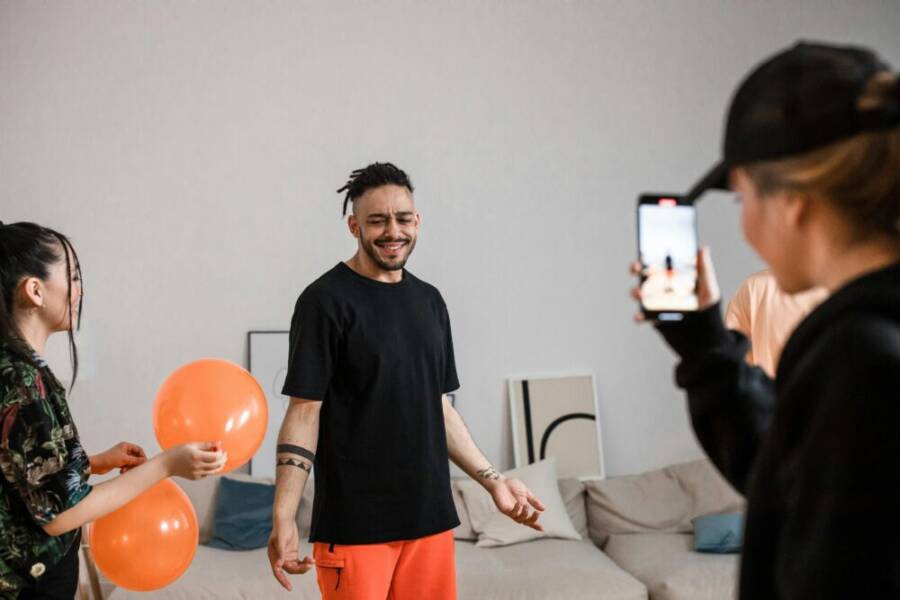
What makes a phone matter for TikTok dance content is the jump from raw moves to polished videos. This guide helps you choose the best phone for dance content creators on TikTok by focusing on frame rate, stabilization, lighting, and fast editing.
You’ll learn what to look for in a phone that handles high frame rates, strong video stabilization, and reliable vertical video workflow. We’ll break down the key features that improve TikTok dance videos, from low light performance to quick editing, so you can pick a device that fits your style and budget.
If you’re wondering which phone tops the list for dancers, you’ll find practical tips to test on your own and simple choices based on your needs. The goal is clear: smoother, brighter, faster videos that keep the focus on your choreography and energy.
Top phones for TikTok dance content creators in late 2025
Moving from basic filming to high energy, studio-like dance videos requires a phone that handles fast motion, sharp detail, and quick edits without heating up. The following picks are tailored for TikTok dance content creators who need dependable stabilization, versatile lenses, strong low light performance, and smooth color science. Each section highlights why these devices stand out for dance content, what to expect in real-world shoots, and practical tips to get the most out of your setup.

Photo by Ron Lach
iPhone 17 Pro Max advantages for dance videos
The iPhone 17 Pro Max is built for long dance shoots that demand stability and consistent image quality. First, the camera system delivers robust video options that are friendly to dance workflows. Cinematic video stabilization reduces shake across 4K and 1080p modes, which means cleaner takes even when you’re moving quickly between sets or juggling tricky footwork. For creators layering motion, the option to shoot at higher frame rates provides buttery slow motion that makes sync moments pop in post.
Vertical video optimization is a standout feature for TikTok creators. The phone handles framing in portrait mode without requiring extra steps, so you can capture dynamic spins and leaps while keeping skin tones natural and evenly lit. Battery life remains a reliable ally during marathon shoots; expect extended sessions from a device engineered to manage heat effectively, reducing griping about heat buildup during longer takes.
The camera system itself has evolved toward more pro-like video workflows. Pro-grade options let you shoot in formats that align with industry pipelines, simplifying editing in iOS apps. Color science remains consistent across lighting scenarios, giving dancers a reliable baseline for skin tones from studio lights to natural light.
In practice, quick edits are painless on iOS. Apps like iMovie, LumaFusion, and other popular editors respond quickly, and the color profiles make skin tones sit naturally in post. If you want a single device that can both film and finalize content without switching ecosystems, the iPhone 17 Pro Max earns its keep.
- For more on video stabilization and specs, see Apple’s official specs: iPhone 17 Pro and 17 Pro Max – Technical Specifications
- If you’re curious about overall camera performance and battery behavior, a detailed review covers real-world endurance and heat management: iPhone 17 Pro review: Come for the camera, stay for the battery
Samsung Galaxy S25 Ultra benefits for mobile dance shoots
The Galaxy S25 Ultra shines in fast moving environments thanks to its adaptable stabilization, multiple lenses, and strong zoom that lets you switch angles on the fly. Manual controls give dancers and creators more on-screen tweaking opportunities, letting you dial in focus, shutter speed, and ISO in real time as you perform. This is especially useful when you’re bouncing between bright studio lights and darker corners of a rehearsal space.
Stabilization is well rounded, with software and hardware integration designed to keep frames steady during dynamic choreography. The 4K and 8K capture options open up manifold creative possibilities, from ultra-dlow to ultra-high resolution. Slow motion is responsive and smooth, ideal for emphasizing precise footwork or snaps in the routine. Bright lenses help in dim studios, delivering usable footage without heavy post-reconstruction.
The phone’s zoom stack lets you craft on-screen storytelling without changing devices. A 5x or more optical zoom can capture close-ups of quick hand motions or facial expressions without compromising depth of field. For dancers who want more control over the look of their clips, the Galaxy S25 Ultra’s options encourage experimentation with angles and pacing.
- Learn more about camera features and manual controls at Samsung’s official page: Galaxy S25 Ultra – Features & Highlights
- For setup basics and camera app guidance, Samsung’s support article explains how to access different shooting methods: Galaxy S25 Camera Guide
Google Pixel 10 Pro and Pixel 9 Pro AI editing features
AI-powered editing can shave minutes off your post-production while preserving or enhancing the energy of your dance routines. The Pixel 10 Pro and Pixel 9 Pro bring smart editing tools that automatically stabilize footage, tweak color, and reduce noise after you’ve wrapped a take. This is a huge time saver when you’re juggling multiple takes or working with tight posting windows.
AI-driven color enhancements help keep skin tones natural across varied lighting, a common challenge in dance shoots where bright LEDs and colored lighting are common. Noise reduction can be a real boon in low-light rehearsal spaces, where grain can creep into fast-motion footage. The AI suite can also suggest cropping and framing adjustments that preserve action while maintaining strong composition for vertical video.
Speed is the name of the game on TikTok. With AI assistance, you can polish clips and publish faster, keeping your feed fresh and engaging. The Pixel line’s AI editing tools are designed to integrate smoothly with typical posting workflows, making it easier to move from filming to posting without getting bogged down in manual tweaks.
- You can explore Google’s AI video features and color capabilities in coverage like this overview: Pixel AI editing features and smart editing
- For a deeper look at Pixel video stabilization and color science, see reporting on Pixel camera performance: Google Pixel camera features and performance
Note: When choosing alongside devices from Apple and Samsung, Pixel devices bring a compelling AI-first approach to the editing stage, helping you trim your workflow without sacrificing video quality.
This section provides a concise look at the top options for TikTok dance content creators and how each phone can streamline both filming and editing. If you want to dive deeper into any specific device, I can break down recommended accessories, specific shooting presets, and example workflows tailored to your dance niche.
How to pick the right phone for your TikTok dance niche
Choosing the right phone is more than picking brand names. It shapes how smoothly you film, how clean your edits look, and how fast you post new moves while the hype is fresh. For a TikTok dance niche, you want a device that handles high frame rates, steady stabilization, strong low light performance, and a workflow that keeps you in the groove rather than in settings menus. This section breaks down practical factors from lighting interactions to editing habits, so you can match your niche to the best phone for you.
Match your lighting and space to camera tech
Lighting and camera specs go hand in hand. A phone’s raw video quality depends on how well its sensor and processing manage light, but the scene you shoot in matters just as much. Here’s how to align your setup with the tech you choose.
- Indoor routines: Rehearsals often sit under mixed lighting from LEDs, softboxes, and practicals. In this scenario, phones with robust dynamic range and good noise control will save you post work. Look for models with bright, reliable autofocus and color science that stays natural under tungsten or daylight-balanced LEDs. A camera that stabilizes well at 4K or 1080p helps keep footwork sharp when you move quickly between positions.
- Outdoor routines: Natural light shifts, shadows, and backlighting can challenge a camera. Phones with efficient HDR and good exposure stacking will keep skin tones balanced as you pivot through high-energy spins. If you plan to shoot in shade or overcast light, a device with solid ISO performance avoids grain in longer takes.
- Quick choosing tips: prioritize a phone with strong color science, good skin-tone rendering, and reliable stabilization at your target frame rate. If you often shoot vertical video, ensure the UI supports portrait framing without heavy cropping. Real-world testing matters more than spec sheets; try a quick shoot in your typical space and compare how each device handles highlights and shadows.
For reference, many creators find that devices with flexible video profiles and pro-level controls reduce the need to color-correct heavily after recording. This keeps your workflow tight from capture to posting. If you want to explore stabilization specifics and how different phones perform in practice, see official and expert reviews linked in this section.
- Apple’s approach emphasizes stable handheld video and consistent color across lighting setups. You’ll find this philosophy reflected in how Cine and standard video modes behave in real environments. If you’re leaning toward iOS, consider how readily the device integrates with post apps you rely on.
- Android options often offer broader manual controls, more lens options, and flexible shooting modes. On a dance set with quick transitions, these can translate into faster on-device tweaks.
When evaluating, don’t forget to check how the phone handles heat during long takes. A device that stays cool won’t throttle performance mid dance sequence. For more on how stability and sensor performance play into dance shoots, see the detailed breakdowns in the linked reviews.
Editing workflow on phone vs computer
Your editing path influences the phone you buy as much as the camera itself. A smooth flow from shoot to post can shave minutes off every video, which matters when you post daily.
- Edit on the phone when: you’re batching content, needs are quick, or you’re traveling light. Apps like CapCut and LumaFusion on iOS, or InShot and VN on Android, offer fast timelines, straightforward color tweaks, and ready-made templates. If you’re posting multiple takes in one session, on-device editing keeps you in motion.
- Move to a computer when: you have longer projects, heavy color grading, or a need for precise audio work. A desktop editor can handle larger files, complex multicam timelines, and more exact color correction without draining your battery.
- Quick app suggestions by platform:
- iOS: CapCut, LumaFusion, iMovie. These apps deliver fast cuts, stable color presets, and easy exports to TikTok.
- Android: CapCut, VN Video Editor, InShot. These offer strong performance for mobile-first workflows and good export options.
To keep edits fast for posting on TikTok, set up a consistent export ladder. Shoot with a preferred aspect ratio, apply a baseline color profile, and save a project template you can reuse. Having a routine reduces decision fatigue and speeds up publishing windows. If you want deeper guidance on editing ecosystems, the linked resources cover common workflows and optimizations for both iOS and Android.
- Practical tip: batch similar takes in a single edit pass. It saves time to apply the same color and stabilization presets across several clips before finalizing.
- Real-world testing helps you decide which ecosystem feels most natural for you. Explore the links below to read more about mobile editing options and how creators structure their pipelines.
Reflecting on real-world use, these sources provide concrete insights into how editors approach mobile and desktop workflows for fast TikTok production:
- For a broad look at mobile editing apps and how they fit into a creator’s routine, see a current roundup of top apps: CapCut, InShot, VN, and more.
- If you want a deeper dive into professional-grade editing on a computer, CPMag and similar reviews offer a sense of how desktop tools complement on-device work.
Storage, speed, and future proofing
Dance content can grow fast. High frame rates, 4K captures, and multi-take sessions create large files quickly. Planning storage and processing headroom now prevents bottlenecks later.
- Storage: Aim for at least 128GB if you only post many short clips, but 256GB or more is safer if you shoot long sessions or plan to keep the raw footage for reference. Remember that apps, caches, and system files also eat into space. If possible, choose a device with expandable storage or fast onboard memory to keep editing smooth.
- Speed: A capable processor, ample RAM, and fast memory noticeably shorten render times and keep edits responsive. For motion-heavy content, you want a phone that can handle 60fps recording and real-time previews without stuttering.
- Future-proofing: Technology evolves quickly. A device with a strong stacking of AI features, efficient cooling, and a robust software update cadence will serve you longer. Look for devices that offer regular security and OS updates, plus ongoing access to editing apps you rely on.
- Practical minimums: 8GB RAM at a minimum for smooth multitasking on Android; 6GB RAM can work but may feel tight with heavy apps. Storage of 128GB is a reasonable floor; 256GB provides breathing room for 4K footage and multiple projects.
- Growth planning: If you’re serious about long-term growth, align your phone with the editing apps you plan to use and the external storage options you may adopt. Cloud storage can support collaboration and offload, but check data costs and upload speeds in your region.
For additional context on camera performance and how storage and speed affect real-world use, explore the linked reviews and guides. They offer concrete guidance on choosing a device that remains capable as your dance content expands.
- A practical overview of camera performance and endurance across popular devices can help calibrate expectations for 4K and high frame rate shoots.
- If you’re weighing cloud storage versus local storage, see guidance on typical data usage for dance content and how to balance cost with speed.
Accessories that boost dance videos
Small add-ons can have a big impact on how clean and engaging your videos feel. Affordable accessories help you capture better footage without slowing you down between takes.
- A compact gimbal: Stabilizes movements during quick spins and footwork, helping you keep the frame steady as you switch directions. It’s especially helpful when you need to maintain a consistent horizon during fast choreography.
- A portable light: A small LED panel or ring light improves skin tones and color accuracy in indoor spaces where ceiling lighting is uneven. Look for panels with adjustable color temperature and brightness to match your environment.
- A compact microphone: Clear audio is secondary to your dance, yet crucial for emphasis and rhythm cues. A lavalier or compact clip-on mic ensures your footwork and vocal cues are crisp, especially when you perform in larger rooms or outdoors.
- How each accessory helps:
- Gimbal: Reduces shake, enabling smoother pans and follow shots.
- Portable light: Improves exposure and reduces post-work color fixes.
- Compact mic: Improves on-camera sound for voiceovers and sync cues during edits.
- Quick setup tips: test your gear before a shoot. Ensure the gimbal’s balance is correct, the light is diffused to avoid harsh hotspots, and the mic is securely mounted and connected to your phone.
In practice, these affordable tools can turn a good video into a polished piece that stands out on TikTok. They’re small enough to carry between rehearsal spaces while still delivering noticeable gains in video quality. If you want a starter kit curated around a specific phone model, I can tailor recommendations to your budget and typical shooting environment.
This section provides a concise road map for choosing a phone that fits your TikTok dance niche, along with practical workflow and accessory guidance. If you want to dive deeper into any device,
Practical tips to maximize your phone for dance content
Ready to turn your next rehearsal into a standout TikTok dance clip? This section gives you practical, do-it-now tips to maximize the performance and polish of your videos using just your smartphone. You’ll find quick setup guidance, budget-friendly lighting and sound ideas, and efficient posting strategies designed for busy creators.
Camera settings quick start
Getting solid video starts with a simple, repeatable setup you can rely on in most rooms. Here’s a straightforward starting point you can reproduce every shoot.
- Resolution and frame rate: Shoot at 1080p or 4K with 60fps if your phone supports it. 60fps keeps motion smooth as you spin and snap through steps; switch to 30fps for slower, more cinematic looks when you want a punchy edit cadence.
- Stabilization mode: Enable optical or electronic stabilization, whichever your device offers. If you’re moving a lot, use a mode labeled “stabilization” or “cinematic” to minimize shakes as you transition between positions.
- Exposure and white balance: Lock exposure on your baseline lighting, and keep white balance consistent across takes. If you’re bouncing between studio LEDs and natural light, consider a neutral white balance preset to avoid color shifts.
- Focus and framing: Use a fixed focus for choreo shots in crowded spaces, especially when you’re close to the camera. For interviews or voice cues, keep the frame steady with a small buffer above and below your body to give you room to breathe as you move.
- Portrait framing for vertical video: If you post mainly in portrait, confirm that your camera app shows a clean edge on the screen. Avoid tight crops that cut off feet or hands during dynamic moments.
Quick setup tip: test a short two-take run in your typical space, then compare how your phone handles highlights, shadows, and motion blur. The goal is clean skin tones, sharp edges on feet, and stable frames from start to finish. If you want a deeper look at how camera performance translates to real-world dance shoots, see practical reviews and real-world tests linked in this section.
- For credible guidance on stabilization and video formats, explore how these features affect dance video workflows: How to Make Your TikTok Dances Look Good on Camera
- To see how creators handle fast motion and storytelling on mobile, check community experiences: Reddit: How do I record better videos using my phone?
- If you want a quick read on dance-specific shooting and editing workflows, this guide offers solid, practical tips: How to Film & Edit Dance Videos Like a Pro
Lighting and sound on a budget
Good lighting and clean sound can dramatically elevate dance videos without blowing your budget. Here are practical, affordable ideas that actually work in small studios or living rooms.
- One reliable key light: A single, adjustable LED panel placed at a 45-degree angle from the dancer can deliver flattering depth and skin tone accuracy. Aim for a color temperature around 3200–5600K so you can adapt to indoor bulbs or daylight. If your room is small, choose a light with a soft diffuser to avoid harsh hotspots.
- Fill and bounce: Use a white wall or foam board as a natural reflector to soften shadows on the opposite side of your face. This trick helps you avoid flat lighting while staying within a budget.
- Room acoustics: Echo is your enemy in dance videos. Soft furnishings, rugs, or a simple acoustic panel can cut reflections and improve voice or music clarity. If you can’t fix the room, position the mic close to the source and use a windscreen or small foam pad to reduce room noise.
- Budget mic options: A compact lavalier mic or clip-on condenser mic can noticeably improve captured audio, especially during voice cues or music cues that require precision. Mount the mic close to your mouth but out of frame to preserve motion.
- Managing echo and background noise: Record a quick room test before you shoot. If you hear fluttering or ringing, a quick move to a softer surface or an additional small panel will dramatically reduce it.
Budget lighting tips you can apply today include setting up a single, well-placed light and using a diffuser to soften light. For a guided approach and setup ideas from budget specialists, see these resources:
- Budget lighting setup and practical tips: Tiktok lighting: What TikTokers use and how to set it up
- General lighting guidance for indoor video work: What Lighting Is Best for Indoor Videos
Describing your sound setup in plain terms helps readers visualize a simple plan. Think of the smartphone as your control hub. A small microphone closes the gap between your footwork and the rhythm you want to emphasize, while a single light keeps you from washing out your limbs during quick spins. This combination unlocks cleaner tracks and sharper dance moments.
Posting and optimization for TikTok
Posting isn’t just clicking publish. It’s about timing, clarity, and how you present your content to your audience. Here are practical steps to maximize engagement without overdoing it.
- Best times to post: Your audience habits matter. Experiment with early morning, lunch hour, and early evening slots to see when your followers are most active. Consistency beats frequency, so pick a schedule you can maintain.
- Simple captions: Keep captions short, energetic, and on-brand. Consider including a quick hook in the first line to encourage viewers to watch through. If you use a call to action, keep it natural, not salesy.
- Hashtags that work: Use 3 to 6 targeted hashtags rather than piling on dozens. Include one broad trend tag, one niche tag specific to your style, and a couple of location or community tags to reach nearby viewers.
- Trends without overdoing it: Jump on a trend if it fits your dance style and you can put a fresh twist on it. Don’t chase every trend; pick the ones that align with your routine and personality.
- Thumbnails and first frames: Choose a frame that captures a dynamic moment in your dance. A striking opening frame increases the likelihood viewers will tap to watch.
- Consistent editing style: Use the same baseline color settings and pacing across videos. A recognizable look helps your content stand out in a crowded feed.
- Metadata discipline: Add a concise description and a few relevant hashtags to guide TikTok’s algorithm without clutter. If you post in series, reference previous videos to build a sense of continuity.
For deeper reading on how creators tune posting strategies and optimize reach, consider these examples:
- Quick tips for better lighting and video quality on TikTok from a practical creator standpoint: How to Have The Best Lighting in Videos
- A guide focused on improving dance videos and making them look good on camera: How to Make Your TikTok Dances Look Good on Camera
Balancing quality with speed is essential. A well-tuned smartphone workflow lets you shoot, edit, and post in one sitting. Batch your content when possible, apply a consistent preset to all clips, and keep your editing timeline lean. This approach helps you stay in motion without losing quality.
If you’d like more depth on any section, I can tailor a repeatable workflow for your typical space, including preferred apps, exact preset settings, and example timelines aligned with your dance niche.
Conclusion
The top picks for dance content creators on TikTok center on stabilization, frame rate, and editing flow, with each device offering a distinct strength. The iPhone 17 Pro Max stands out for buttery stabilization and pro-level editing options, making it ideal for quick post work and smooth motion. The Galaxy S25 Ultra shines with flexible controls, strong zoom, and AI-assisted editing that saves time in a fast posting cycle. The Pixel 10 Pro XL delivers solid image quality and approachable AI features at a friendlier price point, perfect for creators building a mobile-first workflow on a tighter budget.
When choosing, weigh your filming space, budget, and preferred editing style. If you shoot indoors with bright lights and want effortless post polish, the iPhone may be your smartphone of choice. If you value on-device tweaks and rapid highlight reels, the Galaxy could fit your needs. If you keep a lean setup and rely on AI helpers, the Pixel is a smart bet.
Ready to decide? Try a model in your typical space, test stabilization and lighting, and share your results with the community so others can learn from your setup.