He Was Drowning in Bills and Burnout Until a Simple Daily Ritual Rewired His Brain for Wealth in Less Than a Week
>>> Start Your Shift Today <<<

A quick story to start: you land in a new city, you tap your phone, and a student at a café helps you order a meal in their language. You practice a few phrases, and within minutes the exchange feels natural. That moment shows how simple and powerful language learning can be when it fits your day.
This guide highlights the best language learning apps you can use right on your phone. You’ll see why short, bite sized lessons work for busy days, how fun features improve recall, and how smart review schedules keep progress steady. Whether you’re aiming for travel confidence or real conversation, these apps make language learning approachable anywhere.
You’ll find five standout options in this roundup: Duolingo, Babbel, Memrise, Drops, and HelloTalk. Each app brings something different to the table, from structured courses to chat with native speakers. Grab your smartphone and start today, and stay with us for practical reviews, tips, and picks tailored to your needs.
Why Phone Apps Beat Traditional Language Learning
Learning a language on your phone changes the game. The format is compact, personalized, and built for real life moments. Instead of committing to long study sessions, you can squeeze meaningful practice into a commute, a coffee break, or a waiting line. Here’s why phone apps often outperform traditional methods, and how that translates into faster, more lasting progress.
Thousands of People Were Struggling With Money Until They Discovered This One Ancient Secret Hidden in Sound
>>> Unlock It Now <<<

Accessibility and Flexibility
- Anytime, anywhere: A smartphone sits in your pocket or bag. You can practice in every spare moment, whether you’re on a train or waiting for a friend. This constant, low-friction access is hard to match with a classroom schedule or textbook routine.
- Tailored to you: Apps adapt to your goals and pace. They track what you know, what you forget, and what you’re ready to tackle next. That means you’re not redoing material you’ve already mastered or stuck in a one-size-fits-all path.
- Micro lessons that fit busy lives: Short, 5 to 10 minute sessions let you stay consistent without derailing your day. The consistency matters as much as the content, and mobile apps make it easy to show up every day.
Spaced Repetition and Retention
- Smart review cycles: Apps use spaced repetition to present material right before you’re likely to forget it. This method strengthens memory and speeds up long-term recall.
- Visible progress: You see streaks, milestones, and scores, which reinforces daily habit formation. When progress is visible, motivation stays high without needing external accountability.
- Active recall is built in: Quizzes, flashcards, and quick recall prompts force your brain to retrieve information. This strengthens neural pathways more effectively than passive reading.
For a deeper look at how mobile tools perform, see research that summarizes the impact of mobile language learning across studies. A meta-analysis found meaningful improvements in learning outcomes when apps are used as part of a broader approach. This isn’t a slam dunk for every learner, but it does show a clear advantage when apps are used thoughtfully alongside other methods. https://pmc.ncbi.nlm.nih.gov/articles/PMC9479751/
Engagement and Motivation
- Gamification and rewards: Points, levels, and streaks add a playful, low-pressure layer to learning. This can transform a dull drill into a compelling habit.
- Multisensory experiences: Sound, text, and visuals work together to reinforce memory. Hearing pronunciation, seeing characters, and typing responses all at once enhances recall.
- Social features optional, but powerful: Some apps offer native speaker chats, buddy systems, or micro challenges. Even if you use them sparingly, they provide real-world relevance and accountability.
If you want a perspective from researchers on how apps compare to traditional instruction, one study notes that app-based learning can outperform classroom delivery on certain metrics, especially when the app complements other methods. You can explore a broader discussion here: https://www.sheffield.ac.uk/research/power-language-apps-multilingual-world
Real-World Practice
- Immediate applicability: Everyday phrases, travel slang, and practical vocabulary appear in context. You practice what you’ll actually say in real situations, not just textbook examples.
- Adapted content for travel and daily life: Many apps curate content for common scenarios—ordering at a restaurant, asking for directions, shopping, small talk. This keeps learning relevant to your life.
- Feedback that guides real improvement: Quick corrections help you adjust your pronunciation and phrasing on the spot, reducing the gap between knowing and using.
For those curious about how real-world outcomes stack up against traditional methods, research in the language learning space shows that mobile tools deliver substantial gains when used properly. A comprehensive review highlights a moderate to strong effect size for mobile-assisted learning, indicating solid benefits in practical language use. See the meta-analysis here: https://pmc.ncbi.nlm.nih.gov/articles/PMC9479751/
What This Means for Busy Learners
- Consistency beats intensity: Short, regular practice wins over long, infrequent sessions. Your phone makes daily practice effortless.
- Choose the right mix: Use apps for vocabulary, pronunciation, and quick drills, then supplement with conversation practice or structured courses when you can. The combination yields the best results.
- Set realistic goals: Define what you want to achieve in 4, 8, or 12 weeks. Track progress and adjust the app mix to stay on target.
If you’re exploring how apps stack up against traditional methods, notice that while apps are highly effective for certain aspects of language learning, they don’t replace all traditional approaches. A balanced plan—apps for practice and real-world use, plus occasional structured instruction or tutoring—often yields the strongest results. For a broader view, this article provides a balanced perspective on when apps fit best: https://www.lingo.edu.sg/blog/language-learning-apps-vs-traditional-methods-why-traditional-learning-still-works/
This section is designed to fit within a larger article about the best language learning apps for busy learners. It stays practical, evidence-informed, and easy to scan, with concrete takeaways for readers who want to maximize their smartphone practice. The next sections can dive into how to choose the right app for your goals, plus quick-start tips to get the most from your daily sessions.
Essential Features in the Best Language Apps
Choosing the right language app means looking for features that keep practice consistent, push you toward real conversation, and fit into busy lives. The best apps blend motivation, flexible learning paths, and practical feedback. They turn a few quick minutes into real progress. Below are the essential features that define top picks for learners with demanding schedules.
Gamification That Keeps You Coming Back
Gamified elements turn study into a habit you actually want to maintain. Points, levels, and streaks create a gentle competition with yourself, driving daily practice. Leaderboards add a social twist without pressure, making progress feel visible and rewarding. The right balance helps you stay engaged without sacrificing accuracy or depth. For strong research on motivation in language learning games, see studies on gamification benefits and flow states. https://pmc.ncbi.nlm.nih.gov/articles/PMC10135444/
A well designed gamified system also supports active recall and spaced repetition, nudging you to revisit material just before you forget it. Short, bite sized challenges fit easily into a morning routine or a commute, turning tiny sessions into cumulative gains. The best apps pair rewards with meaningful tasks, so earning a badge actually correlates with learning a pronunciation pattern or vocabulary nuance. If you want a research perspective on how gamification boosts engagement, explore this overview: https://www.fabulingua.com/blog/gamification/
Smartphone friendly gamification works best when it’s lightweight and transparent. You shouldn’t have to chase badges to learn; you should chase steady improvement. A well crafted system shows you what you’ve earned, what you’re close to unlocking, and what to study next. This clarity keeps motivation steady while you practice in short bursts.
Offline Mode for Non-Stop Practice
Travel, commuting, or spotty connections should not interrupt learning. The best language apps offer offline access to core lessons, flashcards, and pronunciation drills. You can download modules before a flight or a long train ride and resume where you left off when you reconnect. Offline practice is a lifeline for travelers who want to keep momentum. For travelers who rely on offline access, this feature is non negotiable.
Offline content also protects your study streaks. You can maintain daily habits even when you’re without signal, then sync your progress automatically when you reconnect. This is particularly valuable for busy people who may only have tiny windows for learning in airports or hotel lobbies. If you’re curious about how offline access supports language learning on the go, this resource explains practical benefits of offline practice: https://pmc.ncbi.nlm.nih.gov/articles/PMC9479751/
In a smartphone world, offline mode means you control when and where you learn. It avoids the frustration of trying to stream lessons in crowded spaces or on unreliable networks. The most effective apps keep a core set of lessons downloadable and structured so your practice remains purposeful, even without internet.
Speech Recognition for Clear Pronunciation
Instant feedback on speaking builds confidence fast. High quality speech recognition listens to your pronunciation, intonation, and rhythm, then marks accuracy and points out where you need to adjust. You get immediate guidance, which speeds up learning and reduces the anxiety around speaking aloud in a new language. The quickest path to clear pronunciation is a steady loop of speaking, feedback, and correction.
A good system uses visual cues and phonetic guidance to help you fix issues you might not notice on your own. Regular practice with real time corrections accelerates fluency and helps you move from parroting phrases to expressing ideas naturally. To explore research on the effectiveness of speech feedback in language apps, check this article: https://pmc.ncbi.nlm.nih.gov/articles/PMC10135444/
Speech practice should feel natural, not robotic. Expect prompts that simulate real conversations, with varying speeds and accents. The best apps also support your preferred speaking goals, whether you’re dialing up travel phrases, business terminology, or day to day conversation with friends.
Lots of Languages to Choose From
A truly global app offers 30 plus languages, including less common ones like Swahili, so you can learn with a tool that fits your context. More language options mean you can switch between projects—travel vocabulary in one language, casual conversation in another—without changing apps. This flexibility is a big plus for international travelers and multilingual families.
Having a broad catalog also helps you explore language families and related cultures. It keeps practice fresh and expands your motivation. When you can access both widely spoken languages and niche options, you’re more likely to stay with the habit long term. For a look at how broad language coverage benefits learners, see reviews of popular apps’ language libraries here: https://www.smartico.ai/blog-post/gamification-in-language-learning
If you’re planning a study plan that includes multiple languages, a wide selection prevents unnecessary switching between tools. You can keep your learning rhythm intact while expanding your linguistic reach.
Personalized Paths and Progress Tracking
Apps that tailor your journey feel like a private tutor in your pocket. They assess your starting level, then adjust speed, difficulty, and content to match how you learn. Clear progress tracking shows your daily activity, accuracy, and the long view of your growth. This personalization keeps goals realistic and reachable.
A strong progress dashboard highlights strengths and gaps, guiding you toward targeted practice. When you see concrete milestones, motivation stays high. The right system uses adaptive review to remind you what to revisit and when to move forward. For insights into how personalization impacts outcomes, look at this research on adaptive learning in language apps: https://pmc.ncbi.nlm.nih.gov/articles/PMC9479751/
In practice, personalized paths mean you don’t waste time on material you’ve already mastered. The app suggests new topics based on your mistakes and your pace, so every session feels productive. Pair progress tracking with visual cues like streaks and weekly goals to keep you moving forward, even when life gets busy.
If you want to verify how progress dashboards influence habit formation, you can reference user experience studies linked here: https://www.sheffield.ac.uk/research/power-language-apps-multilingual-world
This section provides a focused view on the features that make language apps effective for busy learners. The next sections will explore how to pick the right app for your goals and quick-start tips to maximize daily practice.
Top 5 Language Learning Apps for Your Phone
Learning to speak a new language can feel like a passport to better travel, work, and connection. When time is tight, the right mobile app can become your best study buddy. Below, you’ll find compact, practical reviews of five standout options. Each section highlights what the app does well, who it’s best for, and a few tips to maximize daily practice. If you’re in a rush, skim for the core strengths and a quick-start tip you can apply today.
Duolingo: Free Fun for Beginners
 Photo by Alexey Demidov
Duolingo makes starting a new language feel light and approachable. The app offers more than 100 languages, with bite-sized lessons that feel like a game. You set daily goals, and the system nudges you to keep the streak alive, which helps with consistency even on busy days. The core experience is free and supported by ads; there’s a premium option at about $7 per month that removes ads and unlocks extra features. For beginners, the gamified structure makes practice addictive in a good way.
What you’ll love here
- Short lessons that fit a tight schedule without losing momentum.
- A friendly, colorful interface that keeps motivation high.
- Quick reviews that reinforce memory through spaced repetition.
Where it shines and where to watch out
- Best for beginners who want to build foundational vocabulary quickly.
- Less depth for advanced grammar or nuanced conversation, so pair with other tools as you advance.
- The free version is solid for daily practice, while premium adds extra drills and offline access.
Pro tips
- Use Duolingo with friends or family to spark gentle competition and accountability.
- Start with a daily 5-minute goal, then increase as you gain confidence.
- Use the buddy feature to compare progress and stay motivated.
Useful links
- Duolingo on Google Play: https://play.google.com/store/apps/details?id=com.duolingo&hl=en_US
- Duolingo on the App Store: https://apps.apple.com/us/app/duolingo-language-lessons/id570060128
Babbel: Real-Life Conversation Skills
Babbel focuses on practical dialogues and grammar in context. It supports 14 languages and centers on phrases you’ll actually use in everyday situations. The lessons are structured to build speaking confidence, with a stronger emphasis on pronunciation and real-world usage. Pricing ranges from roughly $7 to $14 per month, depending on the plan. This makes Babbel a compelling choice for travelers who want quicker, more usable language results.
What you’ll love here
Thousands of People Were Struggling With Money Until They Discovered This One Ancient Secret Hidden in Sound
>>> Unlock It Now <<<
- Dialog-centric lessons that mimic real conversations.
- Grammar explained in context rather than in isolation.
- Clear progress tracking and a well-designed review flow.
Where it shines and where to watch out
- Best for travelers who want practical language that translates quickly in social or service contexts.
- Works best when you commit to regular practice; the full benefits come with ongoing use.
- The subscription model means it isn’t free, but the quality often justifies the cost for serious learners.
Pro tips
- Use the daily review mode to reinforce new phrases and tinker with pronunciation.
- Focus on one language first before adding a second, so your mental map stays clean.
- Pair Babbel with short speaking sessions in real-life scenarios to cement what you learn.
Useful links
- Babbel official site: https://www.babbel.com/
- Babbel app on Google Play: https://play.google.com/store/apps/details?id=com.babbel.mobile.android.en
- Babbel on the App Store: https://apps.apple.com/us/app/babbel-learn-language-skills/id829587759
Memrise: Memorable Vocabulary with Humor
Memrise blends user-made courses with humor, memes, and spaced repetition. It’s especially strong for building a broad vocabulary quickly while keeping the tone light. The app offers free access with optional pro features at about $9 per month. You’ll see a mix of user-generated content and official courses, including native speaker videos to help with natural pronunciation and listening. The variety means you can tailor your learning to your interests, which keeps recall sharp and motivation high.
What you’ll love here
- Memorable recall through humor and meme-based examples.
- Native video clips that help with authentic pronunciation.
- Lots of user-generated courses to customize your learning path.
Where it shines and where to watch out
Thousands of People Were Struggling With Money Until They Discovered This One Ancient Secret Hidden in Sound
>>> Unlock It Now <<<
- Best for vocabulary building and exposure to different accents and registers.
- Content quality varies because some courses are user-created; pick well-rated ones.
- The value comes from the community and the breadth of topics, not a single master plan.
Pro tips
- Create your own flashcards for words you encounter in real life.
- Schedule regular review sessions and mix Memrise with short speaking practice.
- Explore courses that match your interests to keep learning enjoyable.
Useful links
- Memrise official site: https://www.memrise.com/
- Memrise app on Google Play: https://play.google.com/store/apps/details?id=com.memrise.android.memrisearabic.android
- Memrise on the App Store: https://apps.apple.com/us/app/memrise-learn-new-vocab-id493145008
Drops: 5-Minute Visual Word Games
Drops is all about quick, picture-based vocabulary, with a visual-first approach. It intentionally avoids grammar in favor of rapid word association, which works well for memory and recall. The library covers 40+ languages and offers free access with a premium tier at about $5 per month. The design is stunning, making it easy to pick up for a few minutes during commutes or breaks.
What you’ll love here
- Visual vocabulary that’s easy to memorize with images.
- Clean, beautiful design that makes practice feel pleasant.
- Fast sessions that suit a busy schedule.
Where it shines and where to watch out
- Best for busy learners who want quick vocabulary boosts without heavy grammar.
- Vocabulary only, so pair with another app or method if you need conversation practice.
- Premium adds offline access and extended content.
Pro tips
- Pair Drops with a speaking app to practice using the new words aloud.
- Use it during short breaks to keep your streak steady.
- Create a color-coded flashcard set for themes you care about.
Useful links
- Drops official site: https://www.dropsapp.com/
- Drops app on Google Play: https://play.google.com/store/apps/details?id=com.languagetranslator.drops
- Drops on the App Store: https://apps.apple.com/us/app/drops-learn-languages-fast/id945372950
HelloTalk: Chat with Native Speakers
HelloTalk centers on real language exchange. You can chat via text, voice messages, and calls with native speakers around the world. The app is free to use, with a VIP option around $5 per month that unlocks enhanced features. It’s ideal for intermediate learners who want practical conversation practice and cultural exchange. You’ll receive corrections from native speakers, which makes your learning feel authentic and grounded.
What you’ll love here
- Real conversations with native speakers across 100+ languages.
- In-app corrections and feedback from language partners.
- Flexible formats, from text chats to voice calls.
Where it shines and where to watch out
- Best for intermediate learners who want to push into natural conversation.
- Requires self-discipline to stay productive and steer conversations toward your goals.
- VIP features add value if you want more messaging options and priority access.
Pro tips
- Set clear conversation goals for each chat, such as five corrections per week.
- Use voice messages to practice pronunciation and rhythm.
- Balance text and voice chats to build listening and speaking skills.
Useful links
- HelloTalk app on Google Play: https://play.google.com/store/apps/details?id=com.hellotalk&hl=en_US
- HelloTalk on the App Store: https://apps.apple.com/us/app/hellotalk-language-exchange/id557130558
This section is ready to slot into your article. For readers who want a quick starting point, keep in mind the following: If you’re new to language learning, start with Duolingo to build momentum. If you need practical phrases fast for travel, Babbel can get you there. For vocabulary and a broader catalog, Memrise and Drops are superb companions. Finally, to practice real conversation, HelloTalk offers direct access to native speakers. The right mix depends on your goals, schedule, and the level you want to reach.
Images
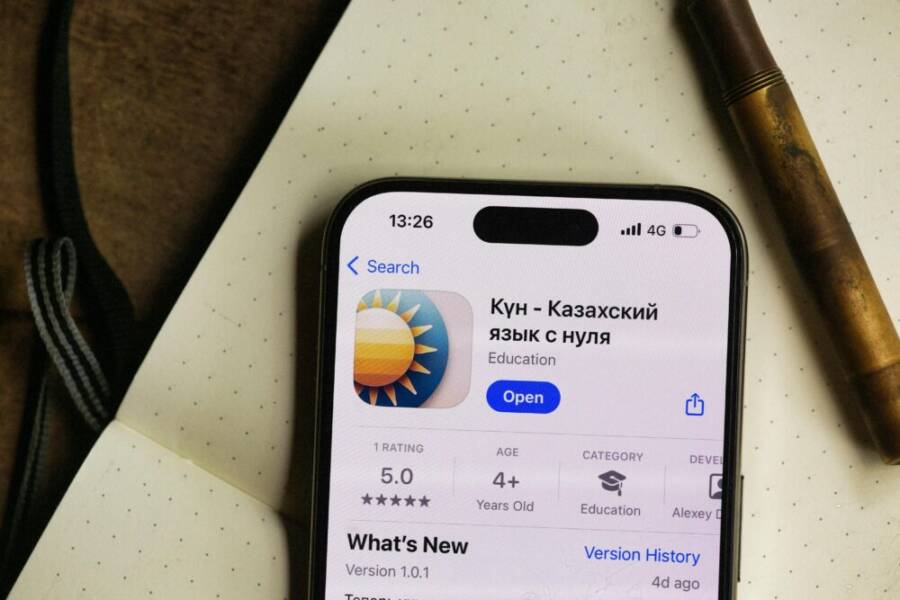
- Photo by Alexey Demidov on Pexels: Smartphone displays for language learning in a cozy setting. https://www.pexels.com/@alexeydemidov
Pick the Right App and Extra Tips for Success
Choosing the right language learning app is less about the hype and more about aligning features with your daily life and goals. This section helps you map your objectives to practical app choices and adds a few smart tactics to maximize every minute you spend on your smartphone. Think of it as your quick-start guide to turning small, regular practice into real progress.
Define your goal first
Your aim shapes the apps you should consider. If you want to build a sturdy foundation fast for travel or daily interactions, you’ll lean toward apps that emphasize vocabulary, pronunciation, and short, repeatable sessions. If your target is real conversations with native speakers, you’ll prioritize apps that offer speaking practice, feedback, and access to language partners. Start with a clear target, for example:
- Travel confidence in 6 weeks: focus on practical phrases, role-play scenarios, and quick pronunciation drills.
- Daily conversation in a business context: prioritize formal phrases, industry vocabulary, and real-time feedback on speaking.
- Broad vocabulary across multiple languages: pick platforms with large word banks and varied themes.
This goal-first approach keeps you from bouncing between apps. It also helps you measure what really matters: retention, ability to recall on demand, and comfort speaking aloud.
Match features to your goals
When you evaluate apps, look for features that directly support your objective. Here’s a practical filter you can use:
- If you need quick wins and consistency: favor apps with short daily lessons and reliable spaced repetition.
- If pronunciation matters: look for built-in speech recognition and clear feedback loops.
- If you want real-life practice: choose apps with language exchange or native speaker content.
- If you travel or have spotty connectivity: confirm offline access to core lessons.
- If you study multiple languages: ensure a broad language catalog and a single, unified dashboard.
You don’t have to use every feature, but the right combination supports your daily routine. For guidance on how top apps compare in real-world use, see industry roundups from trusted outlets: The best language learning apps have been tested and reviewed across platforms to help readers pick with confidence. For example, you can explore detailed reviews from PCMag and The New York Times Wirecutter to see how modern apps stack up against each other. https://www.pcmag.com/picks/the-best-language-learning-software https://www.nytimes.com/wirecutter/reviews/best-language-learning-apps/
Quick-start checklist for busy learners
A practical plan helps you start strong and stay on track. Use this 5-step checklist to set up your first week and then adapt as you go:
- Pick two apps that align with your goal. Use one for structured lessons and one for real-world practice.
- Set a daily time block of 10 minutes. Consistency beats long, infrequent sessions.
- Create a simple log of what you learned. A quick note every day helps you see progress.
- Schedule a weekly practice goal. For example, 50 new words this week or five speaking sessions.
- Test offline access before you travel. Ensure core content is downloadable so your practice isn’t disrupted by a flaky connection.
This straightforward plan keeps you moving. It also minimizes friction, which is essential when you’re juggling work, family, and travel.
How to combine apps for maximum impact
No single app does everything perfectly. The most effective approach blends a few tools to cover all bases:
- Core vocabulary and drills: use an app with spaced repetition for daily vocabulary building.
- Pronunciation and listening: pair with a tool that offers speech feedback and native speaker examples.
- Real conversation practice: schedule regular chats with native speakers or language partners.
- Contextual usage: add an app that provides situational phrases for travel, work, or daily life.
- Convenience: keep at least one offline option for commutes, flights, or slow networks.
This mix mirrors how you learn in real life: exposure, production, feedback, and practical use. When you combine resources, you create a well-rounded pathway that remains engaging over weeks and months.
Real-world validation you can trust
If you want evidence beyond anecdotes, research supports the value of mobile language learning when used thoughtfully. Meta-analyses and systematic reviews show meaningful improvements in language outcomes when mobile tools complement broader study plans. This research helps you set realistic expectations and avoid overhyping any single app. For a broader view of mobile learning outcomes and practical guidance, explore studies and reviews from credible sources. A good starting point is a review that highlights how mobile tools contribute to practical language use. https://pmc.ncbi.nlm.nih.gov/articles/PMC9479751/ You can also check industry roundups for balanced app comparisons here: https://www.pcmag.com/picks/the-best-language-learning-software
Practical tips to stay on track
- Keep it human. Pair app practice with real conversations when possible. The social aspect gives your learning meaning and accountability.
- Protect your streaks. If you miss a day, resume quickly with a short session to rebuild momentum.
- Tweak your plan quarterly. Your goals evolve as you gain confidence, so adjust app choices and daily targets accordingly.
- Use smartphone habits to your advantage. Tie practice to routine moments like commuting, lunch breaks, or waiting in line for appointments.
Quick-start ideas you can try today
- If you’re new to language learning, start with a beginner-friendly app to build momentum. Duolingo is a popular entry point for many learners.
- For travel readiness, pick an app focused on practical phrases and quick drills, then add a speaking partner to practice in real life.
- To expand vocabulary across multiple languages, use Drops or Memrise for fast, image-based or humorous learning that keeps you engaged.
- To practice conversation, open HelloTalk and set a simple weekly target, such as five corrections or ten minutes of voice chat.
External resources can offer you additional perspectives on when and how to use these tools most effectively. For instance, articles comparing apps and outlining buyers’ tips can help you refine your choices. A buyer’s guide to language learning applications provides a concise framework you can apply to your selection process: https://www.unitedlanguagegroup.com/blog/global-news/a-buyers-guide-to-language-learning-applications
This section helps you pick the right app with practical criteria and proven strategies. The next sections will guide you through practical tips to get started fast and sustain momentum over weeks and months. To make your smartphone a solid study companion, keep these ideas in mind as you set up your learning plan.
Conclusion
For busy language learners, the standout takeaway is simple: choose one app, stick with it, and practice daily to see progress in weeks. Duolingo remains a reliable starting point for building momentum, especially when you keep sessions short and regular on your smartphone. The key is consistency; small, steady wins compound into real ability over time.
A practical path is to pair one core app for core vocabulary with targeted real world practice you can do on your smartphone every day. Track your daily hits, celebrate small milestones, and let the streaks push you forward. The method works best when you match your goal to the tool and use it as your daily habit rather than a weekend project.
If you try this approach, you’ll notice you can move from phrases to real conversations faster than you expect. Try Duolingo now, and share your progress in the comments to inspire others. Thanks for reading, and may your daily practice turn into real communication soon.
He Was Drowning in Bills and Burnout Until a Simple Daily Ritual Rewired His Brain for Wealth in Less Than a Week
>>> Start Your Shift Today <<<