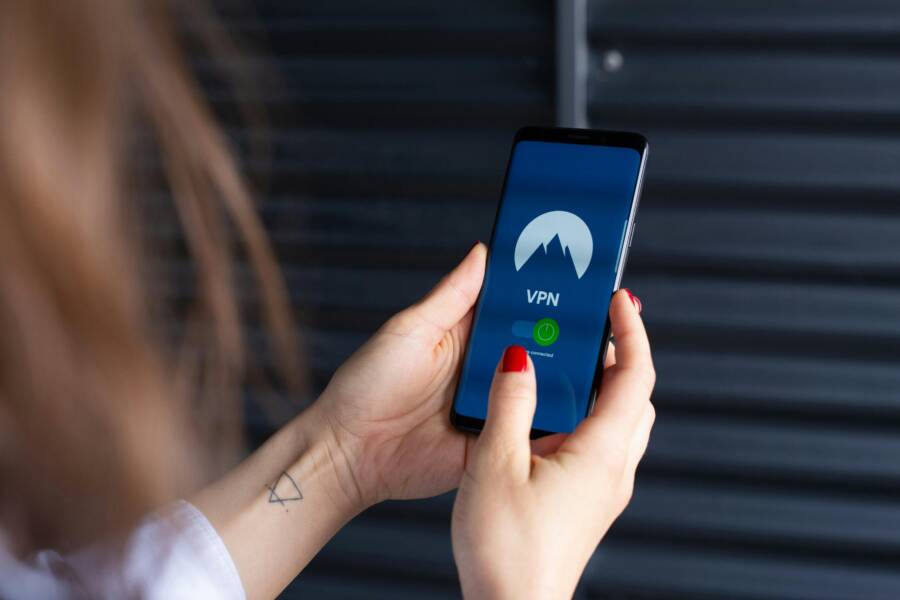
Turning on automatic updates is the single most effective way to keep your smartphone and computer safe from online threats. These updates fix security holes that hackers use to access your personal data.
When you ignore these updates, you leave your devices exposed to known bugs and digital intrusions. Enabling automatic protection stops this cycle because the system installs patches as soon as they become available.
This practice keeps your software current without requiring constant manual attention from you. You can follow the steps below to secure your technology today.
The Dangers of Skipping Software Updates
Ignoring software updates creates a wide path for attackers to access your information. Manufacturers release these updates to fix identified weaknesses in the code of your operating system. When you skip these alerts, you leave your smartphone and computer vulnerable to automated scripts that scan the internet for unpatched devices. Attackers target these flaws to gain unauthorized control, which often leads to the loss of sensitive data.
How Outdated Software Exposes Your Personal Data
Security holes function like an unlocked window in your home. Once hackers find a vulnerability in your software, they use malicious code to crawl through that gap. They do not need physical access to your device to steal your files. A successful breach often results in the immediate theft of login credentials for your email, social media, and banking accounts.
Your photos and private messages also become targets during an intrusion. If an attacker gains administrative access to your smartphone, they can view stored media or install spyware that monitors your activity in the background. Financial data is another major risk. Once a criminal harvests your stored credit card numbers or banking passwords, they can empty your accounts or steal your identity. The impact often goes beyond just the loss of data; it results in long periods of stress, financial cleanup, and the need to reset every digital account you own.
Preventing Malicious Exploits Before They Happen
Security patches are the primary defense against digital threats. When you install an update, your device receives a code fix that seals the specific backdoors hackers try to exploit. By applying these patches promptly, you effectively neutralize the threat before it can reach your files. Most updates act as a preemptive shield that blocks common entry points used by malware developers.
You can rely on automated systems to manage this protection for you. When the background process runs, it performs the following functions to keep your data safe:
- It scans the current system state for known security flaws.
- It downloads verified code modifications from the manufacturer.
- It replaces vulnerable files with secure versions that resist exploitation.
- It restarts services to ensure the new security measures are fully active.
Regularly updating your smartphone or computer is the most effective way to stay ahead of automated attacks. This simple habit keeps your digital environment stable and prevents unauthorized users from turning a minor software bug into a major privacy violation. By enabling automatic updates, you remove the burden of manual maintenance while maintaining a robust barrier against online threats.
How to Turn On Automatic Security Updates on Any Device
Keeping your software current is the best way to block digital threats. Most modern operating systems include built-in features to manage these updates without your constant input. Activating these settings ensures your smartphone and computer stay protected against new vulnerabilities as they emerge.
Enabling Updates for Your Smartphone
Managing security patches on a smartphone takes only a few taps. Both Apple and Android devices provide simple menus to handle these tasks automatically while you sleep.
If you use an iPhone, open the Settings app and select General. Tap Software Update, then choose Automatic Updates. Toggle both “Download iOS Updates” and “Install iOS Updates” to the on position. Your smartphone now handles the entire process in the background.
For Android devices, the steps vary slightly depending on the manufacturer. Open your Settings app and look for Software Update or System Update. Most devices have an option labeled Auto Download or Auto Update. Enable this setting so your phone downloads security fixes over Wi-Fi.
You can also check your Google Play Store settings to keep apps updated. Tap your profile icon, select Settings, and then choose Network Preferences. Ensure that Auto-update apps is set to “Over Wi-Fi only.” This protects your smartphone from threats hidden in outdated applications.
Managing System Updates on Your Computer
Computers often perform large updates that can slow down your work during the day. You can schedule these tasks to run overnight so your workflow remains uninterrupted.
On Windows, click the Start button and select Settings. Choose Windows Update and look for Advanced options. You can set your active hours here to tell your computer when you are usually working. The system will avoid restarting during these times, allowing it to apply security patches during late-night hours instead.
Mac users can navigate to System Settings and select General. Click Software Update to view the current status. Select the small “i” icon or the Advanced button next to Automatic Updates. Toggle on “Install Security Responses and System Files” and “Install macOS Updates.” Your computer will now download and apply fixes quietly in the background.
These settings provide a reliable barrier against digital intrusions. By automating the process, you remove the risk of forgetting a critical security patch. Your devices will remain secure and perform at their best with minimal effort from you.
Common Misconceptions About System Updates
Many users delay updates because they fear hidden drawbacks. These myths often keep people from protecting their digital data. Understanding the truth about how software patches work helps you secure your device without worry.
Addressing Concerns About Device Performance
Some people believe updates slow down their hardware. While older devices may struggle with the latest features, the code within a security patch usually focuses on efficiency and protection. Developers work to keep these fixes lightweight. If you feel your smartphone or computer is sluggish, the cause is often lack of free storage rather than the new software.
You can clear space to help your device run smoothly:
- Delete unused apps that consume background resources.
- Clear your browser cache and temporary file folders.
- Move large photos or videos to a cloud backup service.
- Disable unnecessary startup programs on your computer.
These steps create room for the system to process data effectively. A clean device handles security patches with ease. You should never trade your private information for a slight boost in speed. Security remains the top priority for your daily activity.
Why Compatibility Fears Are Usually Overblown
A frequent worry is that an update will break a favorite app or cause hardware malfunctions. Modern software developers prioritize backwards compatibility to prevent these issues. Most apps receive updates alongside the operating system to remain functional.
Serious failures are rare because manufacturers test updates extensively before release. If you rely on a specific tool for work, check the developer website for compatibility notes. You will find that most mainstream software supports the latest versions of any operating system.
If you use a specialized or older program, check its version history. Software providers often release patches to maintain support for current security standards. Staying current prevents the bigger problem of apps refusing to launch because they detect an outdated and insecure environment. Keeping your smartphone and computer fully patched supports the long-term health of your entire software library.
Beyond Automatic Updates: Maintaining Your Digital Hygiene
Automatic updates form the foundation of device security, but they represent only one part of a healthy digital routine. You also need to manage how your data interacts with the apps and accounts on your smartphone. True digital hygiene requires consistent habits that limit your exposure to trackers, data leaks, and unauthorized access.
Audit Your Installed Applications
Many users download apps for a single task and forget them immediately. These unused applications often remain installed, syncing data or running background processes that increase your privacy risk. You should review your app list every few months to remove programs you no longer use.
Deleting these apps reduces the number of entry points available to attackers. If an old app stops receiving developer updates, it becomes a permanent weakness in your device security. Go through your smartphone settings to identify unused software and uninstall it to keep your storage clean and your privacy intact.
Manage App Permissions Regularly
Apps frequently ask for access to your camera, microphone, location, or contacts during installation. Over time, these permissions accumulate and grant apps more control than they actually need to function. You can revoke these permissions through your privacy settings to tighten your grip on your personal data.
Review these privacy settings for common categories:
- Location services should stay off for apps that do not require navigation features.
- Microphone and camera access ought to stay restricted to essential communication or photo tools.
- Contact access should remain limited to apps that handle messaging or calling tasks.
Checking these settings ensures that a third-party app cannot collect sensitive data without your direct knowledge. Limiting these connections is a simple way to minimize the impact if one of your accounts suffers a breach.
Strengthen Your Account Security
Updates protect the software, but your passwords protect the identity inside that software. Use a password manager to generate unique, complex login credentials for every service you use. If one site experiences a data leak, you prevent the risk of hackers using those same credentials to access your other sensitive accounts.
Enable two-factor authentication (2FA) on every major account you own. This adds a second layer of verification that stops attackers even if they obtain your password.
Combining these practices with automatic updates creates a robust environment for your smartphone. Your device remains secure when you combine system-level protection with mindful account management and regular privacy audits.
Conclusion
Automatic updates provide a simple, effective way to maintain your smartphone and computer security. By enabling these settings, you stop worrying about manual patches while gaining constant protection against common digital threats. This choice improves your overall device performance and keeps your private data out of the hands of attackers.
You should verify your system settings right now to confirm that automatic updates are active on every device you own. Open your security menu today to ensure your software remains current and secure.