What If the Only Thing Between You and the Life You Deserve Is a Hidden Wealth Code Waiting to Be Activated
>>> Open the Door <<<

Repairs and renovations don’t have to mean emptying the wallet. Before you reach for a new panel or a fresh piece of trim, take a moment to explore what you already own and what your local community offers. Reusing materials can cut costs, reduce waste, and add character to your project. This guide lays out a practical path to reuse first, with concrete steps you can apply on your next Home Depot run or DIY project.
A smart rethink starts at home. Gather what you have, assess its condition, and map out projects where it can shine. You’ll often find that old items, with a little care, become the perfect fit for new needs. The goal is not to replace every worn part but to leverage what’s already in your toolbox, garage, or attic.
Take a quick inventory of working materials you might repurpose. Measure critical dimensions, note any damage, and list potential uses. If you treat this like a blueprint rather than a scavenger hunt, you’ll save time and avoid buying items you already own. The next step is to widen your view beyond the shopping cart. Local reuse networks and salvage channels can supply materials with a unique look and a fraction of the price of new goods.
Start with a quick inventory of what you have and what could be repurposed. This sets a clear baseline for your project and helps you decide when a new purchase is truly necessary.
There Is a Frequency That the Wealthiest Families Have Used for Generations and Most People Will Never Know It Exists
>>> Open the Door <<<

Locate Local Reuse Avenues Before a Store Run
Home improvement stores are not the only places to find materials. A few practical channels often yield good results and support sustainable choices.
- Habitat for Humanity ReStores and local salvage yards offer doors, cabinets, tiles, and more at discounted prices. These venues are designed to move items quickly, which keeps costs down and materials out of landfills.
- Community swap groups, freecycle networks, and neighborhood buy-sell apps can be surprising sources for hardware, hardware parts, or even full pieces that only need minor refinishing.
- Curbside bulk programs and municipal reuse events reveal odds and ends that stores sometimes cannot move quickly enough. These occasions can turn up unexpected treasures.
Engaging with reuse channels is usually simple. Bring measurements, a clear sense of color or finish, and a flexible approach. The goal is to find items that fit your project as well as your budget.
Upcycling Ideas for Common Materials
Turning old materials into useful parts of a project requires a mix of imagination and practical know-how. The ideas below cover frequent situations homeowners face, from wood and metal to flooring scraps and hardware.
Reusing Wood and Metal
Wood and metal surfaces carry warmth and texture that new materials struggle to replicate. If a piece is structurally sound, you can often rework it.
- Sand and refinish wood boards from old pallets or trim. They become shelves, decorative wall planks, or garden edging.
- Use weathered metal elements for brackets, frames, or rustic hardware accents on furniture.
- Create planter boxes or a wall rack from narrow boards. A fresh coat of paint or stain can transform aged wood into a feature piece.
Reusing Tile and Flooring Scraps
Tile remnants and floor scraps can drive creative accents without the cost of full tiles.
What If the Only Thing Between You and the Life You Deserve Is a Hidden Wealth Code Waiting to Be Activated
>>> Open the Door <<<
- Create a mosaic or border in a mudroom or bathroom. Small bits paired with neutral grout lines still read as deliberate design.
- Patch small floor areas or craft a unique backsplash tile pattern in a kitchen backsplash. Mixing textures can add depth without heavy expense.
- Use scrap pieces to test colorways before committing to a larger purchase. It helps you nail the look without risking a big mismatch.
Reusing Cabinets, Doors, and Hardware
Cabinets and doors can often find new life with a little planning.
- Refinish cabinet doors as decorative wall panels or room dividers. They can also be repurposed into a bench seat with storage.
- Turn old doors into coffee tables, headboards, or room dividers after a simple cut and refinish.
- Reuse hardware for new pulls and hinges on updated furniture. Fresh finish and a coat of clear sealer keep the look cohesive.
Smart Shopping at Home Depot Without Buying New
Even when you need new elements, you can integrate reused pieces into your Home Depot project. There are practical ways to save and still achieve a polished result.
- Look for discounted or discontinued items that can work in your design. Clearance sections often include finishes, trims, or stock items that pair well with older pieces.
- Compare price points for reclaimed or reclaimed-style products. Some manufacturers offer reclaimed-inspired options that satisfy both aesthetics and budget.
- Consider affordable resurfacing options. Laminate sheets, faux wood panels, and tile overlays can refresh a surface without tearing out existing foundations.
- Rent tools or buy refurbished equipment if you only need a few hours of heavy use. This reduces your upfront cost and storage needs.
- Tap into loyalty programs and manufacturer rebates. Combine promotions for deeper savings on items that fit your plan.
These strategies help you stay inside budget while keeping a cohesive look that blends old with new.
Thousands of People Were Struggling With Money Until They Discovered This One Ancient Secret Hidden in Sound
>>> Unlock It Now <<<

Plan Your Home Depot Visit with Reuse in Mind
A little planning goes a long way. You can integrate reuse principles into every trip to Home Depot by knowing what to look for and how to ask.
- Define the project scope before you go. List the essential items first and then identify any gaps where reuse could fit.
- Talk to store associates about salvage or discount options. They can point you to sections with return-to-stock items, misordered batches, or discontinued lines.
- Bring measurement notes, color swatches, and photos of the space you’re remodeling. A quick show-and-tell helps staff steer you to compatible pieces.
- Visit during off-peak hours to get longer one-on-one time with staff. You’ll gather better guidance on reuse opportunities and alternatives.
Tools and Materials to Consider Within Home Depot
Home Depot offers multiple pathways to reuse friendly options, even when you’re shopping for new components. Here are practical avenues to explore.
- Reclaimed-looking products: Some lines use distressed finishes or weathered textures to evoke a vintage or rustic vibe without relying on old materials.
- Mix-and-match finishes: Choose a couple of finishes that complement older pieces you plan to reuse. The key is balance; avoid overloading the space with too many textures.
- Surface upgrades: For countertops or backsplashes, consider composite materials that simulate the look of natural stone or tile. They’re often more affordable and durable for busy households.
- Salvage-first displays: Some stores feature sections dedicated to reclaimed or salvaged items. These displays are curated to work in modern layouts while maintaining character.
- Accessories and small parts: Brackets, handles, decorative moldings, and casings are affordable upgrades that can tie together old and new elements with a cohesive feel.
When to Buy New and When to Wait
Choosing between new and reused depends on safety, function, and the intended use. A few practical guidelines keep you from overrelying on secondhand options.
- Structural integrity matters: For load-bearing components or safety-critical parts, prioritize new or professionally inspected items.
- Aesthetic goals are decisive: If you’re pursuing a specific finish or color that must be exact, new pieces or purpose-built reclaimed items can be a smarter match.
- Availability and fit: If a reused item requires extensive modification, it might end up costing more time and money than a new, ready-to-install piece.
- Timelines and permits: If a project has deadlines or requires permits, factor in the time needed for prep and restoration of reused items.
A Simple Budget Case Study
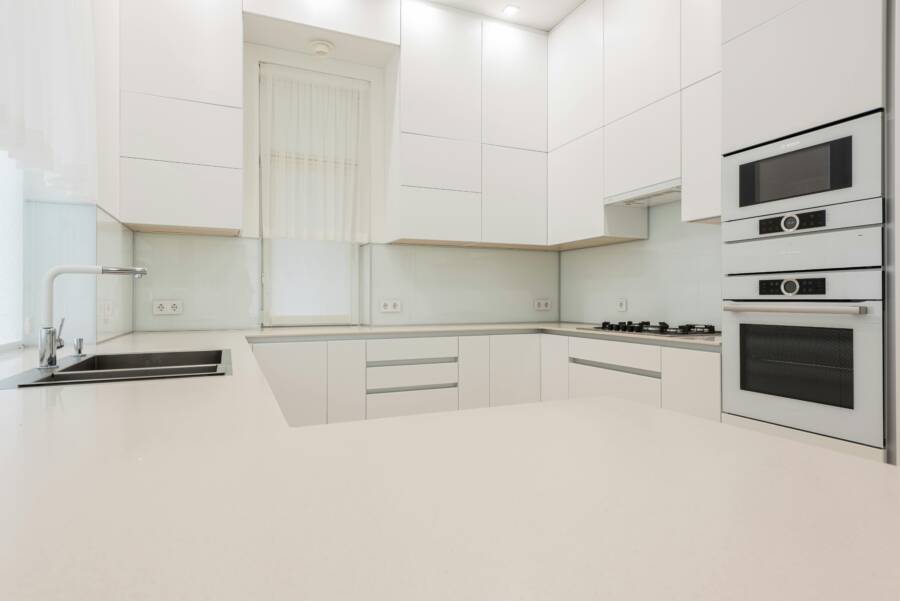
Let’s walk through a small kitchen refresh to illustrate the approach. The homeowner wants a warmer tone with practical updates, not a full replacement.
- Step 1: Inventory. Found several doors from an old cabinet that could be repurposed as a decorative rack and a few shelving boards that could become a spice wall.
- Step 2: Local sourcing. Found matching tile remnants at a salvage yard and a set of handles that complemented the new hardware plan.
- Step 3: Home Depot integration. Used a mix of reclaimed tile pieces for a backsplash accent and chose a durable, affordable countertop overlay. Kept existing appliances and plumbing fixtures to avoid major disruptions.
- Step 4: Results. A cohesive, warm look at about half the cost of a full replacement. The project delivered a distinct personality with practical upgrades that wear well.
Maintaining Safety and Compliance
Reuse is smart, but safety comes first. Keep these tips in mind.
- Inspect for damage and contamination. Check wood for rot, metal for rust, and tile for cracks. If damage is substantial, replace with new or professionally refurbished items.
- Verify compatibility. Ensure materials will work with your current systems, like cabinet heights, door clearance, and plumbing alignment.
- Handle hazardous materials with care. Old paint, lead-based finishes, or asbestos require professional handling. If in doubt, consult a licensed contractor.
- Follow manufacturer guidelines. When refinishing or applying coatings, adhere to product instructions for heat, moisture, and wear.
A Thoughtful Approach to Materials
Reuse is about more than saving money. It’s about reducing waste and celebrating character. When you mix aged, storied pieces with fresh surfaces, you create a space that feels timeless rather than disposable. You’ll also find that reuse teaches patience. You learn to plan, wait for the right piece, and modify your design to fit what’s available.
Case in point: a kitchen with a warm, lived-in vibe can emerge from a handful of reclaimed boards, a handful of new parts, and a clear plan. The result is a space that looks intentional rather than patched together.
Conclusion
Reusing old materials before buying new is more than a money saver. It’s a way to build a space that reflects your taste and your values. Start with a simple inventory, explore local reuse outlets, and consider how aged materials can form the backbone of your project. Use Home Depot as a partner, not the only option. Seek discounted or refurbished items, plan your layout, and select finishes that harmonize with reclaimed pieces.
If you’re ready to start, map out your project first. Then set aside a time to visit your local store with measurements and color ideas in hand. You’ll be surprised how often a handful of scraps, a trip to a salvage shop, or a refurbished tile sample can spark a real transformation. And when you do pull the trigger on new purchases, let them complement the reused elements rather than dominate the design.
Ultimately, reuse is a practical path that yields strong results without sacrificing style. It keeps projects affordable while letting you craft a space that feels personal and well thought out. If you have a reuse win to share, drop it in the comments. Your method might inspire someone else to take a smarter route on their next Home Depot project.
He Was Drowning in Bills and Burnout Until a Simple Daily Ritual Rewired His Brain for Wealth in Less Than a Week
>>> Start Your Shift Today <<<
