Thousands of People Were Struggling With Money Until They Discovered This One Ancient Secret Hidden in Sound
>>> Unlock It Now <<<

Measuring a room accurately is the first step in a successful flooring project. A precise measurement helps you order the right amount of material and minimizes waste. With the right tools from Home Depot, you can measure quickly and confidently, whether you prefer old school tape measures or modern laser devices. This guide walks you through the process, with practical tips and clear steps you can follow today.
Measuring might seem simple, but small errors multiply when you calculate area for flooring. The goal is to capture every inch of space, including doorways, closets, and alcoves. When you finish, you’ll have a reliable figure you can use to price materials, estimate waste, and schedule installation with confidence.
Why accurate room measurements matter
Precision saves money. Flooring is sold by the square foot, and a 1 percent miscalculation becomes a noticeable difference when you multiply by length and width. A well measured room also reduces the risk of awkward seams, misfitted boards, or uneven transitions at doorways. In short, good measurements lead to cleaner results and fewer surprises on installation day.
What If the Only Thing Between You and the Life You Deserve Is a Hidden Wealth Code Waiting to Be Activated
>>> Open the Door <<<

Accurate measurements speed up ordering. When you know the exact square footage, you can order the right quantity of planks, tiles, or sheets. It helps you compare material options and estimate waste before you buy. Home Depot offers a range of tools to support this process, from tape measures to laser distance meters. Using them correctly keeps projects on track and on budget.
Set up a clean measuring workspace. Clear a path around the room, remove obstacles, and note any built-ins or irregular features. A tidy space makes it easier to take steady measurements. If you plan to measure multiple rooms, keep a small notebook or digital note handy to track lengths, widths, and any special notes for each space.
Gather your tools
Having the right tools quickens the job and cuts down on mistakes. Here’s a practical list you can pull from Home Depot:
- Tape measure, 16 feet or longer
- Laser distance meter for quick, accurate readings
- Measuring wheel for long distances or oddly shaped rooms
- Graph paper or a flooring calculator app to map out the space
- Pencil and notepad, plus a calculator for quick math
- A helper to hold one end and record figures
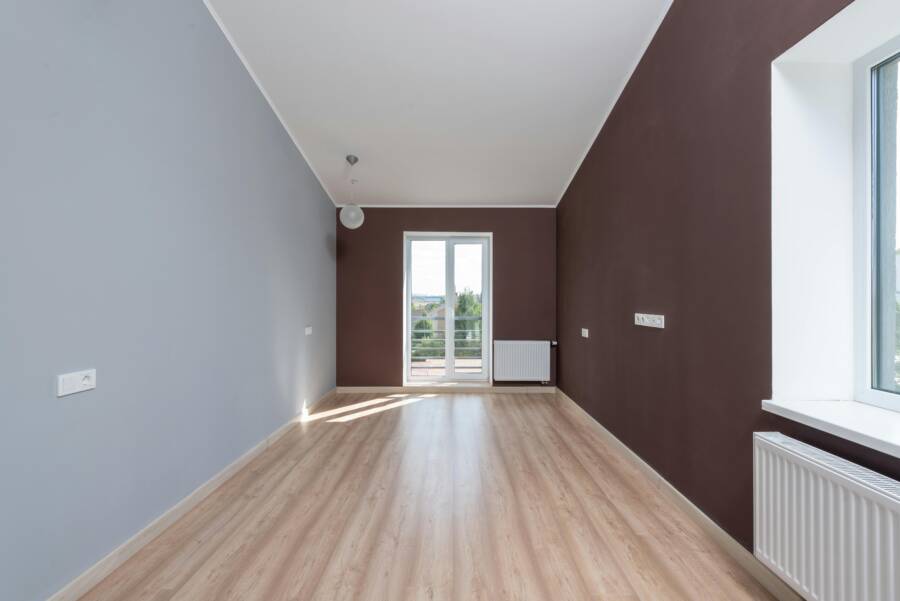
With these basics, you can tackle most rooms in under an hour. For a visual reference, the photo below shows a typical measuring setup in action.

Photo by Meruyert Gonullu
Manual measurement: the classic tape measure method
He Was Drowning in Bills and Burnout Until a Simple Daily Ritual Rewired His Brain for Wealth in Less Than a Week
>>> Start Your Shift Today <<<

The old fashioned approach is dependable and rarely wrong when done carefully. Here’s how to measure a standard rectangular room and capture the necessary details.
- Establish a baseline. Pick a corner and designate it as the starting point. This point becomes the reference for all measurements.
- Measure length and width. Stretch the tape measure along the long wall from the corner to the opposite wall. Record the length. Do the same for the width. If walls aren’t perfectly straight, measure from several points to capture variations.
- Use the corner to opposite corner method. For accuracy, measure from one corner to the diagonally opposite corner. This gives you a baseline that helps detect any misalignment in walls.
- Check doorways and returns. Measure each doorway opening, including the clear width of the opening and the full height if you’re planning underlayment that requires clearance. Note any door swings that might affect the layout.
- Include alcoves and features. Measure spaces around built-ins, closets, or protruding features. Record the approximate width of each alcove and the depth of any recessed areas.
- Confirm irregular shapes. If the room isn’t perfectly square, break it into simpler shapes. Measure each section separately and sum the areas. This reduces error when you calculate total square footage.
This technique works well for most spaces. Take a moment to double-check your numbers before moving on. A short re-check helps prevent costly mistakes later.
Laser distance measurement: a faster, precise option
Laser distance meters simplify the process, especially in larger rooms or rooms with awkward layouts. They reduce the need to stretch a tape measure across walls and corners. Here’s how to use them effectively.
- Power up and align. Turn on the device and select the distance measurement mode. Point the laser at the far wall or corner you’re measuring to.
- Measure corners and lengths. Start at a known corner, then shoot distances to each boundary. Record each measurement in your notebook or digital app. Many devices store multiple measurements for quick recall.
- Verify with a second reading. Take at least two measurements for major dimensions. If there’s a discrepancy, repeat to confirm which figure is correct.
- For irregular rooms, map key anchors. In rooms with alcoves or protrusions, measure from the same reference point to each boundary. This creates a simple diagram you can translate into square footage.
- Include doorway widths. Don’t skip door openings. Measure the clear width along the doorway if you’re planning to install flooring up to the threshold.
A laser meter makes the process safer and faster. It’s especially handy when you need to measure ceilings, steps, or high shelves that would be awkward with a tape measure. It can also be a real time-saver if you’re measuring multiple rooms in one trip to Home Depot.
Measuring irregular spaces and unusual features
Not every room is a neat rectangle. You’ll often encounter irregular shapes or features that require extra attention.
- Break the space into simpler shapes. A room can be divided into rectangles and triangles. Measure each section separately, then sum their areas.
- Measure alcoves as separate zones. Record their dimensions so you can include their square footage without double counting adjacent space.
- Factor in built-ins and bump outs. A bay window, fireplace alcove, or wall unit adds area that counts toward flooring needs. Note the depth and length of these features.
- Don’t forget transitions. If the room connects to a hallway or another room, note if you’ll need extra trim or transitions that affect your total material count.
Precise measurements equal cleaner results when you lay down flooring. It’s worth the extra minutes to map these details.
Calculating area and accounting for waste
Once you’ve captured all dimensions, convert your numbers into square footage. For rectangular spaces, multiply length by width. Add the results from any irregular sections. Then estimate waste and overage.
She Pressed Play on a Strange Audio Track and Within Days Her Financial Reality Started Shifting in Ways She Could Not Explain
>>> See How It Works <<<

- General waste factors. For straightforward rooms, add 5 to 10 percent to cover cuts and pattern alignments. For tile or plank installations with complex patterns, a higher waste margin may be needed.
- Pattern and direction. If your flooring pattern requires specific alignment, the waste may increase. Plan for extra boards or tiles to match seams and directions.
- Sample calculations. For a 12 by 14 foot room, the base area is 168 square feet. Add 12 square feet for waste, bringing you to about 180 square feet. Round up to the nearest whole square foot as you place orders.
Use Home Depot’s flooring calculator or a simple spreadsheet to organize your numbers. A clear plan speeds up ordering and reduces trips back to the store.
Tips to improve accuracy
Two sets of eyes help. Have a friend verify numbers, particularly when measuring long walls or tricky alcoves. A second person helps hold the tape, read measurements, and catch mistakes.
Measure twice, order once. It’s a basic rule, but worth repeating. If you’re unsure about a dimension, repeat it before finalizing an order.
Record every detail. Create a simple map of the room with labeled dimensions for each wall. This becomes a quick reference for installers and helps prevent miscommunication later.
Common mistakes to avoid
- Forgetting to include doorways and closets in the total area.
- Measuring from the wrong corner or inconsistent starting points.
- Rounding measurements too aggressively, which can lead to gaps or waste.
- Skipping irregular spaces like alcoves or bump outs.
- Failing to use a helper for long measurements or lifting heavy flooring.
A practical example you can apply today
Think of a living room with a sofa niche and an entry alcove. Start at one corner and measure the main walls. Note the niche depth and width. Use a laser meter to cross-check the longer wall distances and the doorway width. Break the space into a big rectangle plus two smaller rectangles (for the alcove and the niche). Add their areas together, then apply a 7 percent waste factor to cover potential cuts and layout mistakes. This gives you a precise total to order from Home Depot.
Maximizing accuracy with Home Depot tools
Home Depot stocks a broad range of tools that fit every measuring style. If you want speed with accuracy, a laser distance meter is the best bet for most rooms. If you’re measuring on a tight budget, a sturdy tape measure and a simple calculator do the job well. For large projects, a measuring wheel helps you cover long walls without crawling on hands and knees.
Quick-start checklist
- Choose a reference corner and label it A
- Measure length and width of each wall from A
- Record doorway widths and alcove dimensions
- For irregular rooms, split into simple shapes and measure each part
- Use a laser distance meter to confirm key distances
- Sum all areas and add waste
- Double-check your numbers before ordering
Organization matters. Keep your notes in one place, aligned with the exact room name or address if you’re handling multiple spaces. This helps when you compare flooring options and place orders at Home Depot.
Case study: from measurement to purchase
A homeowner measured a dining room with a long wall and a small alcove. They used both a tape measure and a laser distance meter to cross-check. The main area came in at 160 square feet, the alcove added 25 square feet, and the doorway area added another 5 square feet. After a 7 percent waste factor, the total came to about 198 square feet. The homeowner placed the order for planks with a consistent grain and saved time replacing a few minor cuts during installation.
Concluding thoughts
Measuring a room for flooring is not a task you rush. The right approach blends simple math with reliable tools. Home Depot makes this easier by offering a range of measuring devices, calculators, and helpful guides to keep your project on schedule. Start with a solid plan, verify measurements, and account for every nook and cranny. A careful, well-documented measurement set is a foundation that supports a successful install and a finish you’ll love.
If you’re ready to begin, gather your tools, map out your spaces, and step through the process with care. Your future self will thank you for the extra attention. And when you’re ready to buy, Home Depot can provide the materials and help you estimate exactly what you need.
Would you like a printable measurement worksheet tailored to your room size? I can customize a simple grid you can fill out as you measure, making the ordering step fast and error free.
Conclusion
A precise room measurement saves time, money, and frustration. Use a tape measure for the traditional approach, or opt for a laser distance meter for speed and accuracy. Take your time with irregular spaces, record every detail, and add a sensible waste factor. With these steps, you’ll be well prepared to choose flooring that fits your space perfectly and install it smoothly with results you’ll be proud of.
Thousands of People Were Struggling With Money Until They Discovered This One Ancient Secret Hidden in Sound
>>> Unlock It Now <<<