Thousands of People Were Struggling With Money Until They Discovered This One Ancient Secret Hidden in Sound
>>> Unlock It Now <<<

If WhatsApp won’t recognize your phone number, you’re not alone and there’s a practical path forward. This guide helps you diagnose why verification failing happens and what to check first. The focus is on real issues like formatting, carrier quirks, and app settings, not one big bug.
Many problems come from how the number is entered, the network you’re on, or an out of date app. By following simple, repeatable steps you can verify your number quickly and avoid repeating trials. You’ll learn how to diagnose the causes, apply effective fixes, know when to reach support, and prevent future verification hurdles.
This guidance covers the common culprits behind WhatsApp verification problems, including number formatting, mobile signal, and app configuration. You’ll get a clear, step by step plan you can follow with confidence. If you’re using a smartphone, you’ll see how small changes can make a big difference in getting your number recognized.
Common causes behind WhatsApp not recognizing your number
When WhatsApp won’t recognize your phone number, the problem is rarely a single bug. More often it’s a mix of formatting, number type, and network quirks at play. In this section, we cover the most common culprits and set you up with a quick path to verification. Keep in mind that the fix usually starts with a simple check on your smartphone, then moves to the network and app settings. This approach helps you verify your number quickly and reduces trial-and-error.
There Is a Frequency That the Wealthiest Families Have Used for Generations and Most People Will Never Know It Exists
>>> Open the Door <<<

Wrong number format or typos
One of the easiest errors to make is entering the number in the wrong format. Missing the country code, adding extra zeros, inserting spaces, or tossing in symbols can break the verification flow. WhatsApp expects a clean international format, without stray characters. For example, a US number should look like +1 555 123 4567, not 001-555-123-4567 or +1(555)123-4567. The plus sign, country code, area code, and local number should appear without gaps or punctuation that WhatsApp cannot parse.
To avoid these mistakes, always enter the full international format exactly as described, and drop any leading zeros or additional calling codes that aren’t part of the international standard. When you’re unsure, a quick reference is to format numbers the same way you’d dial them from another country: start with a plus sign, then the country code, then the city or area code, then the local number. See how WhatsApp documents this approach in its guidance on international phone numbers. You can review examples and the recommended format here: https://faq.whatsapp.com/1294841057948784 and the related WhatsApp help article on adding an international number: https://faq.whatsapp.com/640432094208718.
Practical tip: before you tap “Verify,” double-check the number in your contacts or the SIM card settings. If the number still doesn’t verify, move to the next checks. A clean format removes the most common verification blockers and keeps your smartphone from tripping on parsing errors. If you want a quick reference for proper formatting, look at WhatsApp’s documentation on international numbers: https://faq.whatsapp.com/1294841057948784.
Unsupported number types like VoIP or virtual numbers
WhatsApp often blocks non-mobile numbers because they may not receive reliable SMS or calls. VoIP and virtual numbers fall into this category in many regions, which can prevent successful verification. If your number is a VoIP line or a virtual service, WhatsApp may require a traditional mobile SIM card to complete activation.
Quick checks to determine if your number is VoIP or virtual:
- Compare the number’s origin with the service you use. If you’re using a VoIP provider, you’ll typically know it from account details.
- Try verifying a different mobile SIM in the same device. If that SIM verifies, the issue is likely with the original number type.
- Look for official guidance from WhatsApp that notes their restriction on certain number types. In many cases, WhatsApp restricts activation to mobile numbers with a physical SIM.
If your number is indeed VoIP or virtual, the typical path to a valid WhatsApp account is to obtain a standard mobile SIM with a physical SIM and use that number for verification. For more context on how WhatsApp handles VoIP numbers, you can see statements from providers and help resources that explain the restriction. See articles like the one on VoIP and WhatsApp activation here: https://www.sobot.io/article/easy-fixes-voip-number-for-whatsapp-registration-issues/ and related guidance in WhatsApp’s own help center: https://faq.whatsapp.com/1120385166078156.
If you need a definitive answer about your current number type, check with your carrier or service provider and confirm whether the line is tied to a physical SIM. If it isn’t, plan to switch to a traditional mobile number for WhatsApp activation. For a broader look at how to choose the right number for WhatsApp, you can review this guidance: https://www.sobot.io/article/can-i-use-a-voip-number-for-whatsapp-registration-guide/.
SMS delivery failures and network issues
Even with the right number and format, verification can fail when the code cannot reach your device. A weak signal, carrier blocks, or spam filtering can block the SMS containing the verification code. Network hiccups are common, but they’re usually fixable with a few concrete steps.
First, improve your signal. If you’re indoors, move to a window or go to a different location with better reception. If you can, switch from cellular data to a stronger network or vice versa to test reliability. If your carrier blocks or delays SMS messages, contact them to confirm there are no blocks on international messages or specific short codes. Some carriers also have spam filters that flag verification messages; asking them to white-list the WhatsApp number can help.
Second, test SMS delivery independently. Send a regular text message to another number and confirm you receive it promptly. If SMS behaves normally, the issue is likely WhatsApp-specific rather than a broader SMS problem. If SMS delivery is inconsistent, work with your carrier to resolve the underlying network or routing issue.
If you have alternate verification options, use them. WhatsApp sometimes offers voice call verification as an alternative when SMS fails. Ensure you’re listening for the call on the correct number and that your device isn’t silencing unknown numbers. For more on common SMS delivery issues and steps to resolve them, see resources like the troubleshooting guides for WhatsApp verification codes: https://www.adspower.com/blog/fix-whatsapp-verification-code-not-received and the WhatsApp help center on completing registration: https://faq.whatsapp.com/1120385166078156.
Additional reading on general SMS verification challenges and carrier considerations can be helpful as you troubleshoot. For broader context on 2FA and message delivery, consider resources such as TidBITS on not receiving SMS codes and carrier interactions: https://tidbits.com/2022/07/13/not-receiving-sms-text-message-2fa-codes-call-your-carrier.
Key takeaway: verify the number format first, confirm the number type, and ensure the network can receive SMS. If one path stalls, try the alternate verification method offered by WhatsApp. Your goal is a clean setup on a well-supported mobile line, tested on a reliable smartphone. If you’re unsure about any step, pause and check the official WhatsApp guidance on international formats and registration. See the official article on international number formats here: https://faq.whatsapp.com/1294841057948784.
Check your number format and SIM status
Verifying your phone number for WhatsApp can fail for small, easily fixed reasons. Before you jump into resets or re-installations, take a moment to confirm two basics: the number is in the correct international format and your SIM is active. These checks often resolve the majority of verification hurdles in one swift pass.
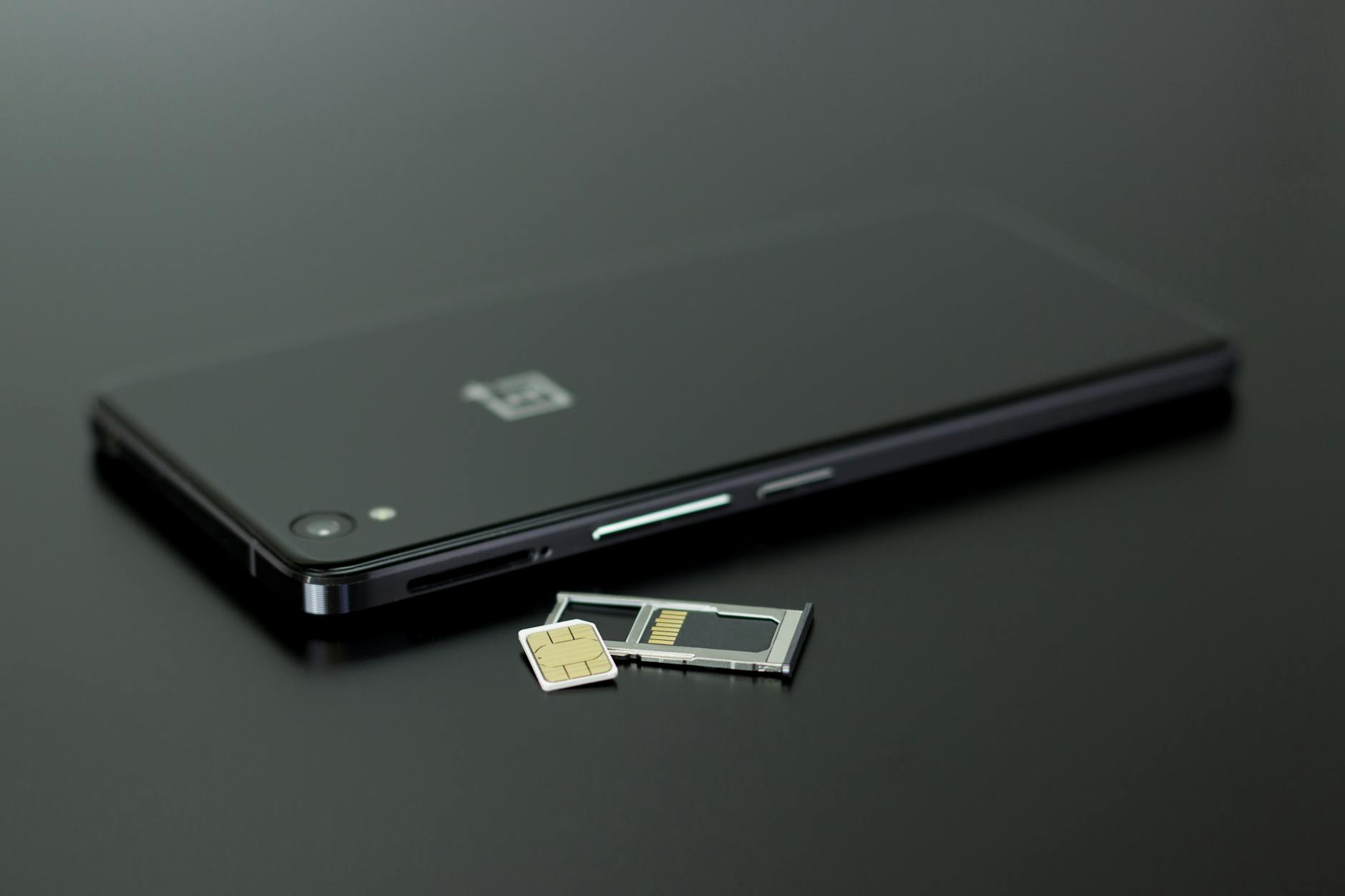 Photo by Silvie Lindemann
Enter full international format correctly
WhatsApp requires a clean international format for numbers. The pattern is simple: a plus sign, country code, and the national number with no spaces, no extra zeros, and no punctuation that the app might misread. A correct example for the United States is: +1 555 123 4567. Common mistakes to avoid include using 001-555-123-4567 or +1(555)123-4567. The key is to present the number as you would dial it from abroad, with no stray characters.
To help you get it right every time, remember these quick guidelines:
- Always start with a plus sign
+. - Include the full country code (for the US, it is
1). - Omit any leading zeros or extra codes that aren’t part of the international standard.
- Remove spaces and punctuation that WhatsApp can’t parse.
If you want a reliable reference, see WhatsApp’s guidance on international phone numbers and examples of proper formatting. You can review the official documentation here: https://faq.whatsapp.com/1294841057948784 and the article on adding an international number: https://faq.whatsapp.com/640432094208718.
Practical tip: before you tap “Verify,” double-check the number in your contacts or SIM settings. If it still won’t verify, proceed to the next checks. A clean format eliminates the most common blockers and keeps your smartphone from tripping on parsing errors. For a quick reference to proper formatting, see WhatsApp’s international number guidance: https://faq.whatsapp.com/1294841057948784.
Unsupported number types like VoIP or virtual numbers
WhatsApp often restricts activation to mobile numbers tied to a physical SIM. VoIP and virtual numbers can trigger verification failures because they may not reliably receive SMS or voice calls. If your number is VoIP or a virtual service, you’ll likely need a traditional mobile SIM to complete activation.
Quick checks to determine if your number is VoIP or virtual:
- Compare the number’s origin with the service you use. VoIP providers typically show up in account details.
- Test verify with a different mobile SIM in the same device. If that SIM works, the issue is with the original number type.
- Look for official guidance from WhatsApp about number types. In many cases, WhatsApp restricts activation to numbers with a physical SIM.
If your number is VoIP or virtual, the typical path is to obtain a standard mobile SIM and use that number for registration. For more on how WhatsApp handles VoIP numbers, see resources like this overview: https://www.sobot.io/article/can-i-use-a-voip-number-for-whatsapp-registration-guide/ and the WhatsApp help center: https://faq.whatsapp.com/1120385166078156.
If you’re unsure about your number type, confirm with your carrier or service provider. If necessary, plan to switch to a traditional mobile number for activation. For broader context on choosing the right number for WhatsApp, explore this guide: https://www.sobot.io/article/can-i-use-a-voip-number-for-whatsapp-registration-guide/.
SMS delivery failures and network issues
Even with the right number, the verification code must reach your device. A weak signal, carrier blocks, or spam filters can block the SMS. Network hiccups are common but fixable with straightforward steps.
First, improve your signal. If you’re indoors, move near a window or to a different spot with better reception. If possible, switch from cellular data to a stronger network or vice versa to test reliability. If your carrier blocks or delays SMS, contact them to confirm there are no blocks on international messages or short codes. Some carriers also use spam filters that flag verification messages; ask them to white-list WhatsApp numbers.
Second, test SMS delivery independently. Send a regular SMS to another number and see if you receive it promptly. If SMS works normally, the issue is likely WhatsApp-specific. If SMS delivery is inconsistent, work with your carrier to resolve the underlying issue.
WhatsApp may offer a voice call verification as an alternative when SMS fails. Make sure you’re listening for the call on the correct number and that unknown numbers aren’t blocked on your device. For common SMS delivery issues and steps to resolve them, check resources like the WhatsApp verification code troubleshooting guides: https://www.adspower.com/blog/fix-whatsapp-verification-code-not-received and the official WhatsApp completion guide: https://faq.whatsapp.com/1120385166078156.
If you want broader context on SMS verification challenges and carrier considerations, you can explore this overview from TidBITS: https://tidbits.com/2022/07/13/not-receiving-sms-text-message-2fa-codes-call-your-carrier.
Key takeaway: confirm the number format first, verify the number type, and ensure the network can receive SMS. If one path stalls, try the alternate verification method WhatsApp offers. Your goal is a clean setup on a reliable mobile line, tested on a well-functioning smartphone. For official guidance on international formats, see the WhatsApp article here: https://faq.whatsapp.com/1294841057948784.
Images included for this section
Photo by Silvie Lindemann on Pexels. Caption: Close-up of a smartphone showing a SIM card and memory card, illustrating common verification contexts.
External resources for quick reference
- How to normalize international phone numbers for WhatsApp: https://wassenger.com/blog/how-to-normalize-international-phone-numbers-for-whatsapp
- How to correctly enter international numbers for WhatsApp: https://green-api.com/en/blog/how-to-correctly-enter-international-numbers-for-whatsapp
- Format for WhatsApp phone numbers: https://support.woztell.com/portal/en/kb/articles/format-for-whatsapp-phone-numbers
- About international phone number format: https://faq.whatsapp.com/1294841057948784
If you’re facing continued trouble, revisit the steps above with fresh eyes and try the alternate verification option. A little patience and precise formatting often get you back into your chats quickly.
Fixing verification problems step by step
Verification issues with WhatsApp can be frustrating, but most problems have simple, repeatable fixes. This section walks you through a practical, step by step approach to get your number recognized again. You’ll learn how to choose the right verification method, handle cooldowns after failed attempts, and address two factor verification and account conflicts. Each sub-section provides concrete actions you can take on a typical smartphone, with quick checks you can perform to move forward fast.
Choose the right verification method: SMS vs call me
Choosing between SMS and a voice call is often the deciding factor when verification stalls. Use SMS when you have stable text message reception and your carrier doesn’t block verification codes. If SMS delivery seems unreliable or if you don’t receive codes promptly, switch to the voice call option. WhatsApp may offer both options, and trying the alternate method can save time.
How to start and what to expect:
- Start from the registration screen and look for the options labeled “SMS” or “Voice Call.” If SMS doesn’t arrive, tap “Voice Call” to get a call from WhatsApp with your code.
- For a voice verification, answer the call and listen for the 6-digit code spoken by the automated system. Enter it on the screen when prompted.
- If you see a missed call verification option, you may receive a code during the missed call. This method is commonly available on Android devices.
Tips to maximize success:
- Ensure your smartphone can receive calls and SMS. Move to a location with better signal if you’re indoors.
- Keep your device unlocked while you wait for the code and check that you haven’t muted or blocked unknown numbers.
- Read the verification code carefully and type it exactly as it appears. A single wrong digit ends the attempt and starts a cooldown.
External resources for deeper guidance:
- About automatic phone number verification and options to verify via SMS or call: https://faq.whatsapp.com/729321962119902
- How to register your account with a phone call: https://faq.whatsapp.com/796575231429493
- How to register with a missed call option: https://faq.whatsapp.com/684051319521343/?helpref=faq_content
Practical note: if your number is VoIP or a virtual line, WhatsApp may require a physical SIM to complete activation. In those cases, switch to a traditional mobile number for WhatsApp verification. See guidance on VoIP and activation: https://www.sobot.io/article/can-i-use-a-voip-number-for-whatsapp-registration-guide/
Handle cooldowns after failed attempts
When you enter codes incorrectly, WhatsApp imposes a cooldown period before you can request another code. This pause helps prevent spam and protects your account. The wait time varies, but you’ll typically see a countdown timer on the verification screen.
What to expect during cooldown:
- A defined waiting period, usually several minutes up to hours, before you can request a new code.
- A soft limit after multiple failures that delays the next attempt. Rushing retries often leads to longer delays.
- An option to switch to the alternate verification method if available, such as switching from SMS to a voice call after the cooldown begins.
Guidance for navigating the wait:
- Do not repeatedly press the verification button while the cooldown is active. This delays you further and can trigger additional blocks.
- Use the alternate verification method when the cooldown ends. If SMS is blocked, a voice call might work, and vice versa.
- Double-check your input next time. A quick review helps avoid another failed attempt.
If you’re stuck waiting, use this downtime to confirm two practical checks: your number in international format and the SIM status. See the section on number format for details. For broader tips on cooldown behavior and verification timing, you can consult resources like WhatsApp help and verification code best practices.
External references:
- How to fix WhatsApp verification code not received (cooldown context and remedies): https://www.adspower.com/blog/fix-whatsapp-verification-code-not-received
- Registering with a phone call and related cooldown awareness: https://faq.whatsapp.com/796575231429493
Two factor verification and account conflicts
Two factor verification and active sessions on other devices can block re registration or sign-ins. If you encounter a prompt asking for a PIN or if WhatsApp detects an existing session, you’ll need to manage 2FA settings and sign out from other devices when appropriate.
Key scenarios and steps:
- Two-step verification (2FA) PIN: If you previously enabled 2FA, you must enter the PIN to proceed with verification. If you forgot the PIN, use the recovery options provided in WhatsApp. If recovery is not possible, you may need to reset 2FA settings.
- Active session on another device: WhatsApp may prevent a new registration if another device is still logged in with the same number. Sign out from that device or remove the account from that device if you have access.
- PIN reset or 2FA setup: If you cannot recall your 2FA PIN, use the account recovery flow, which often includes email-based recovery or a temporary disable option, depending on your region.
How to sign out or reset:
She Pressed Play on a Strange Audio Track and Within Days Her Financial Reality Started Shifting in Ways She Could Not Explain
>>> See How It Works <<<

- On the device that is currently linked, navigate to WhatsApp settings > Linked devices, and sign out that session if you have access.
- If you no longer have access to the other device, use the account recovery options provided by WhatsApp to regain control.
- If you recently changed devices or SIM cards, ensure the new device is correctly set up and the number is entered in international format.
Practical tip: if you’re unsure about 2FA or a conflicting active session, reach out to WhatsApp support with your account details for guidance. They can help you reset 2FA or end an active session on other devices in a secure way.
External references:
- How to register with a phone call (verification options including voice and missed calls): https://faq.whatsapp.com/796575231429493
- Can’t register phone number due to security or 2FA prompts: https://faq.whatsapp.com/1369114327051380
Images and quick-reference reminders
- An image showing a smartphone with a SIM card can help readers visualize the verification steps and the importance of SIM status in the process.
External resources for quick reference
- How to finalize international number formatting for WhatsApp: https://faq.whatsapp.com/1294841057948784
- WhatsApp help article on adding an international number: https://faq.whatsapp.com/640432094208718
If verification remains stubborn after trying these steps, pause and revisit the core checks: number format, number type, and network readiness. Sometimes a short break helps you spot a small oversight. You can also consult the official WhatsApp guidance on international formats and completion steps to ensure you’re following the latest recommendations: https://faq.whatsapp.com/1294841057948784
Images included for this section Photo by Silvie Lindemann on Pexels. Caption: Close-up of a smartphone showing a SIM card and memory card, illustrating common verification contexts.
External resources for quick reference
- How to normalize international phone numbers for WhatsApp: https://wassenger.com/blog/how-to-normalize-international-phone-numbers-for-whatsapp
- How to correctly enter international numbers for WhatsApp: https://green-api.com/en/blog/how-to-correctly-enter-international-numbers-for-whatsapp
- Format for WhatsApp phone numbers: https://support.woztell.com/portal/en/kb/articles/format-for-whatsapp-phone-numbers
- About international phone number format: https://faq.whatsapp.com/1294841057948784
If you’re still stuck after working through these steps, take a moment to retry with fresh eyes and then try the alternate verification method. A little patience and precise formatting often gets you back into your chats quickly.
Addressing carrier, device, and app issues
When WhatsApp won’t recognize your phone number, the culprit is often a mix of carrier restrictions, device settings, and app permissions. This section breaks down the core issues and gives you concrete steps to verify and fix them. Think of it as your quick triage guide for getting back in touch with your chats. You’ll learn how roaming, SIM porting, and SMS routing interact with verification, plus practical checks you can perform on your smartphone right away.
Carrier blocks, roaming, and SIM porting
Roaming or recent SIM porting can disrupt the verification flow if the carrier blocks certain messages or changes routing rules for your number. A quick, calm check up front saves you hours of troubleshooting later. Start by confirming the status of your SIM and the messaging path with your carrier. If you rely on roaming, confirm that international SMS or voice messages to your number are allowed while you’re away from home.
What to verify with your carrier:
- SIM status and activation: confirm the SIM is active, properly inserted, and not flagged as inactive or suspended.
- SMS routing and blocks: ask whether there are blocks on international messages or on short codes used by verification services.
- Roaming settings: confirm roaming is enabled if you’re traveling, and verify whether your carrier blocks or restricts certain verification messages while roaming.
- Porting status: if you recently ported a number, ensure the port has completed and the new network is properly provisioning your line.
Simple steps you can take now:
- Reboot the phone after confirming SIM status with the carrier.
- Ask the carrier to white-list WhatsApp numbers and verify that the code SMS can pass through their spam filters.
- If you’re traveling, consider temporarily using a local SIM from the destination country for testing verification.
If you want deeper guidance, review WhatsApp’s own notes on roaming and registration challenges and see how to handle codes when roaming. The official help article on traveling and code delivery offers practical steps you can follow: https://faq.whatsapp.com/1199905020946636. For a broader look at SMS delivery and carrier considerations, you can also consult general troubleshooting resources: https://tidbits.com/2022/07/13/not-receiving-sms-text-message-2fa-codes-call-your-carrier.
Key takeaway: the fastest path to a stable verification is to confirm SIM status, ensure SMS routing is enabled, and verify roaming settings with your carrier. If blocks exist, you may need a quick white-list or routing adjustment to restore reliable delivery.
Phone and app permissions, updates, and reinstall
WhatsApp relies on a specific set of device permissions to function correctly. If the app can’t access SMS, the phone’s state, storage, or contacts, verification attempts can fail silently. Keeping permissions in sync with the app’s needs is essential for a smooth setup and ongoing use.
What WhatsApp typically requires:
- SMS access to receive codes
- Phone state to verify the device
- Storage permission to save media and backups
- Contacts access to link your friends and improve call and chat experiences
How to grant and manage permissions:
- Android: Go to Settings > Apps > WhatsApp > Permissions. Enable SMS, Phone, Storage, and Contacts as needed. Some devices allow you to toggle all permissions at once; if you see a prompt during setup, grant all requested permissions.
- iOS: Go to Settings > WhatsApp > Allow WhatsApp to Access. Turn on permissions for Messages, Contacts, and Photos as appropriate. If iPhone prompts appear, accept to avoid interruptions in verification.
When to update or reinstall:
- Update: If you’re on an older version, update WhatsApp to the latest release. This counts as a quick fix for many registration issues.
- Reinstall: If problems persist after updating, back up chats, uninstall WhatsApp, then reinstall. This can clear corrupted app data that blocks verification.
- Clear cache (Android only): In some cases, clearing the app cache helps, but use this only if you’re comfortable with the device’s behavior after the reset.
Android and iOS quick checklists you can keep handy:
- Android checklist:
- WhatsApp permissions: SMS, Phone, Storage, Contacts enabled
- App update to the latest version
- Reinstall if issues persist
- Storage space available for backups and media
- iOS checklist:
- WhatsApp permissions enabled (Messages, Contacts, Photos)
- iOS system update, if available
- WhatsApp update to latest version
- Reinstall if necessary
If you want official guidance on permissions and setup, see the WhatsApp permissions article for iPhone and Android: https://faq.whatsapp.com/1533984453785262. For storage permissions scenarios in switching platforms, this support resource offers practical steps: https://support.wondershare.com/how-tos/drfone/what-should-i-do-if-whatsapp-does-not-have-the-option-to-allow-storage-permissions.html. A basic understanding of permissions can prevent future hiccups, so you may also find this discussion helpful: https://android.stackexchange.com/questions/71802/help-understanding-whatsapps-permissions.
Pro tip: think of permissions like gatekeepers. Without them, WhatsApp can’t verify ownership or complete setup. Keep a running checklist handy and tick off items as you confirm them on your smartphone.
Avoid unreliable online numbers and privacy risks
Using temporary online numbers or shared services to verify WhatsApp can sound convenient, but it introduces risks. These numbers are often recycled or flagged as non-standard, which can trigger verification failures or policy violations. A real mobile number linked to a physical SIM is the safest path for long term use and reliability.
Why temporary numbers pose problems:
- VoIP or online numbers may not consistently receive SMS or calls, leading to failed verification.
- Shared or disposable numbers can draw security warnings or result in account restrictions.
- Policy violations can occur, especially if the number is not tied to a real person or device.
Best practice: use a real mobile number with a physical SIM for WhatsApp activation and ongoing use. If you must test, limit temporary numbers to non-critical actions and avoid linking them to main chats.
Practical guidance on number selection:
- Verify the origin of the number with your service provider to confirm it’s a traditional mobile line.
- If you’re unsure, test with a different physical SIM to see if the issue remains.
- Review official WhatsApp policy on numbers and activation to stay aligned with guidelines: https://faq.whatsapp.com/1120385166078156
Real-world caution: online numbers can create gaps that lead to lockouts or longer verification cooldowns. A sturdy choice is a number you can receive SMS and calls on, reliably, from a real SIM. For a broader discussion on choosing the right number, see community guidance here: https://www.sobot.io/article/can-i-use-a-voip-number-for-whatsapp-registration-guide/.
If you’re evaluating a switch, consider checking with your carrier about the best number strategy for WhatsApp. A stable, mobile line reduces verification friction and helps keep your chats flowing smoothly.
Images included for this section
- Photo: Close-up of a smartphone showing a SIM card, illustrating the link between a physical SIM and reliable verification. Caption: SIM status matters for a clean setup.
External resources for quick reference
- How to finalize international number formatting for WhatsApp: https://faq.whatsapp.com/1294841057948784
- WhatsApp help article on adding an international number: https://faq.whatsapp.com/640432094208718
If you still run into trouble after checking permissions and confirming the number, revisit the core checks and consider using an alternate verification method. A little patience and precise steps often bring you back into your chats quickly.
Smart troubleshooting checklist and when to contact support
When your WhatsApp verification still won’t recognize your number, it’s easy to go in circles. This section gives you a tight, evidence-based path from quick checks to advanced options. You’ll find a clear last mile sequence, guidance on what to gather before you reach out, and what to expect from both WhatsApp and your carrier. The goal is to restore a reliable setup with minimal friction.
A last mile troubleshooting sequence
Follow these steps in order, stopping at the first step that resolves the issue. It’s designed to be practical, repeatable, and easy to follow on a busy day.
- Confirm the basics
- Ensure you’re using the latest WhatsApp version on your smartphone.
- Verify you can receive SMS or voice calls on the number you’re trying to register.
- Check there’s a stable internet connection during the process.
- Quick format and SIM sanity check
- Reconfirm the number is in full international format with a leading plus sign, country code, and local number, no spaces or punctuation that WhatsApp can misread.
- Double-check the SIM is active and correctly inserted. If you have dual SIM, test with the primary line you plan to use for WhatsApp.
- If possible, try the same number on a different device to rule out device-specific issues.
- Rapid reset of settings
- On Android: clear WhatsApp cache (Settings > Apps > WhatsApp > Storage > Clear Cache). Do not clear data unless you’ve backed up chats.
- On iPhone: force close WhatsApp, then reopen. If you suspect deeper issues, consider a quick fresh start after backing up.
- Fresh install
- Back up your chats locally or to the cloud, then uninstall WhatsApp.
- Reinstall the latest version from the App Store or Google Play.
- Start the verification flow again with the number in international format.
- Verify with both SMS and voice options
- If SMS verification fails, choose the voice call option when it appears.
- Answer the automated call and enter the 6-digit code exactly as spoken.
- If a missed-call verification option is offered, use it to receive the code or complete the verification.
- Confirm network and blocking checks
- Confirm there are no blocks on international SMS or short codes with your carrier.
- If you’re traveling, verify roaming settings allow verification messages and calls.
- Ask your carrier to white-list WhatsApp numbers to prevent the messages from being filtered as spam.
- Reattempt with a fallback approach
- If SMS still fails, test a different mobile number if available to confirm the problem is not device-specific.
- If voice verification works on a different SIM, the issue is tied to the original line or its routing.
- Final verification pass
- Ensure the number is entered in international format on the verification screen.
- Check for any error messages and take a screenshot if you need to contact support.
If you reach the end of this sequence without a fix, you’re not out of options. Move to the support step with precise details from your tests, including the exact error message, device model, OS version, and WhatsApp version.
Images that illustrate this sequence
- Photo: Close-up of a smartphone displaying Android recovery mode with an SD card inserted. This image can help readers visualize the concept of resetting and reinstalling.
- Photo by Kelvin Valerio
- Source: Pexels
- URL: https://www.pexels.com/@kelvin809
What information to gather before contacting support
Before you reach out, assemble a concise dossier. Having these details ready speeds up the process and reduces back-and-forth.
- Country code and full phone number in international format
- Device model (for example, iPhone 12 or Galaxy S21)
- Operating system version (iOS or Android version)
- WhatsApp version currently installed
- Recent changes to your setup (new SIM, carrier changes, OS updates, app updates)
- Current network status (Wi-Fi vs cellular, signal strength)
- Exact error message or behavior you see (include screenshots if possible)
- Whether you tried SMS, voice call, or both during verification
A short message you can send to support
- “I’m trying to verify my number +1 555 123 4567 on a Galaxy S21 with Android 13 and WhatsApp v2.22.22. I receive an error: ‘Cannot verify this number at the moment.’ I’ve tried SMS and Voice Call verifications, cleared cache, and reinstalled. Please advise.”
Where to share this information
- In-app support: Settings > Help > Contact Us (Android and iPhone)
- WhatsApp website: whatsapp.com/contact for the form
- Official emails if needed: [email protected], [email protected]
Clear, precise details reduce cycles. They help the support team reproduce your issue quickly and offer a targeted fix.
What to expect from WhatsApp and carrier support
Support experiences vary, but most readers will see a predictable pattern. Here’s what you can expect and how to respond.
- Typical response times: In-app help usually yields the fastest replies, often within 1–3 days depending on volume. Website forms or emails may take longer.
- Information requests: Support may ask for your device type, OS version, WhatsApp version, a detailed description of the issue, error messages, and a screenshot or screen recording.
- How to follow up: If you haven’t heard back after a few days, resend your original message with a brief summary and any new details. You can also check the support portal for any status updates.
- Carrier involvement: If the issue is network related, carriers may request you to confirm SMS routing, blocks on international messages, or whether roaming is enabled. They may also advise whitelisting WhatsApp numbers.
Most issues resolve through the steps above. A clean install, correct international formatting, and a functioning network eliminate the majority of verification blockers. If you’re unsure about any step, review official guidance on international formats and registration steps to ensure you’re aligned with the latest recommendations: https://faq.whatsapp.com/1294841057948784
Helpful resources to keep on hand
- WhatsApp registration and verification overview: https://faq.whatsapp.com/441163784889902
- Can’t complete registration: https://faq.whatsapp.com/1120385166078156
- Fixing issues on WhatsApp: https://faq.whatsapp.com/352017614163658
If you’re dealing with a stubborn case, share the exact steps you’ve taken with the support representative. A precise trail makes it easier to identify where the process breaks down.
External references and quick reads
- In-app support guidance and contacts: https://faq.whatsapp.com/684051319521343
- About changing phones and verification timing: https://faq.whatsapp.com/1197347060992858
- General verification code troubleshooting: https://www.adspower.com/blog/fix-whatsapp-verification-code-not-received
Images to complement this section
- When you need a quick visual cue about device state and app health, an image of a smartphone screen showing settings can help readers relate to the troubleshooting steps.
Photo by Silvie Lindemann Caption: SIM status and device health influence verification success.
He Was Drowning in Bills and Burnout Until a Simple Daily Ritual Rewired His Brain for Wealth in Less Than a Week
>>> Start Your Shift Today <<<

External resources for quick reference
- How to finalize international number formatting for WhatsApp: https://faq.whatsapp.com/1294841057948784
- WhatsApp help article on adding an international number: https://faq.whatsapp.com/640432094208718
If verification remains stubborn after trying these steps, pause and revisit the core checks: number format, number type, and network readiness. A fresh pass often reveals a small oversight. You can also consult the official WhatsApp guidance on international formats and completion steps to ensure you’re following the latest recommendations: https://faq.whatsapp.com/1294841057948784
Conclusion
A clean WhatsApp verification starts with three basics: correct international formatting, an active SIM, and proper app permissions. If any of these are off, the number may not be recognized and you’ll hit verification hurdles.
From there, follow the practical sequence: update the app, test both SMS and voice call options, and reduce any network or privacy obstacles like VPNs or spam filters. If the first path fails, try the alternate verification method and consider a fresh install while keeping chat backups safe. A real mobile number with a physical SIM remains the most reliable path for long term use.
Save these checks as a quick reference and revisit them whenever you troubleshoot. Share your results or questions in the comments so others can learn from your experience.
What If the Only Thing Between You and the Life You Deserve Is a Hidden Wealth Code Waiting to Be Activated
>>> Open the Door <<<
