Thousands of People Were Struggling With Money Until They Discovered This One Ancient Secret Hidden in Sound
>>> Unlock It Now <<<

Spam calls hit at the worst times. They’re ringing nonstop during dinner or a work call, pulling you away from what matters. If call screening on your smartphone has stopped working, you miss out on that handy filter keeping robocalls at bay.
Call screening uses built-in features or AI to handle unknown numbers. It answers the call, asks the caller to state their name and reason, then lets you decide to pick up or send it to voicemail. When it fails, though, those spam interruptions flood back in.
Common culprits include outdated software, toggled-off settings, or app conflicts. On Android or iPhone, a quick check often reveals the issue. Don’t worry; simple steps fix most problems fast.
In this guide, you’ll find step-by-step fixes for both platforms. Start with basic checks, then move to advanced tweaks. You’ll cut spam and reclaim your peace in minutes.
What If the Only Thing Between You and the Life You Deserve Is a Hidden Wealth Code Waiting to Be Activated
>>> Open the Door <<<

We’ve tested these on popular models like Pixel, Galaxy, and iPhone. Follow along, and your phone will screen calls properly again. Say goodbye to unwanted buzzes today.
What Is Call Screening and Common Reasons It Stops Working
Call screening is the built-in filter that handles unknown numbers before you decide to answer. It can be a simple feature on older phones or a smart AI assistant on newer models. When it works, you get fewer robocalls and more control over who gets through. When it stops working, spam calls sneak back in and disrupt your day. The reasons are usually straightforward: outdated software, disabled settings, or conflicts with other apps. A quick check on your phone often reveals the culprit, and most fixes are quick to apply.
Key Features on Android vs iPhone
Android and iPhone offer distinct approaches to call screening, each with its own strengths. On Android, live screening asks the caller to state their name and reason for calling, then you decide whether to answer or send to voicemail. This hands-on approach helps you filter calls in real time. On iPhone, unknown callers are silenced or sent to voicemail by default, and some models offer transcription for easier triage. Both platforms typically include this feature at no extra cost on most devices, making it a practical first line of defense.
| Feature | Android (live screening) | iPhone (silence and transcription) |
|---|---|---|
| How it works | Caller interacts with AI, you hear the result and decide | Unknown calls go to voicemail or are transcribed |
| User control | High, you decide after the caller speaks | Moderate, based on the transcription or voicemail |
| Setup ease | Usually quick from Phone or Settings | Quick from Settings, often pre-enabled |
| Typical devices | Pixel, Samsung Galaxy, OnePlus, etc. | iPhone models with built-in screening features |
| Cost | Free on most devices | Free on most devices |
Images help illustrate how these features appear in everyday use.
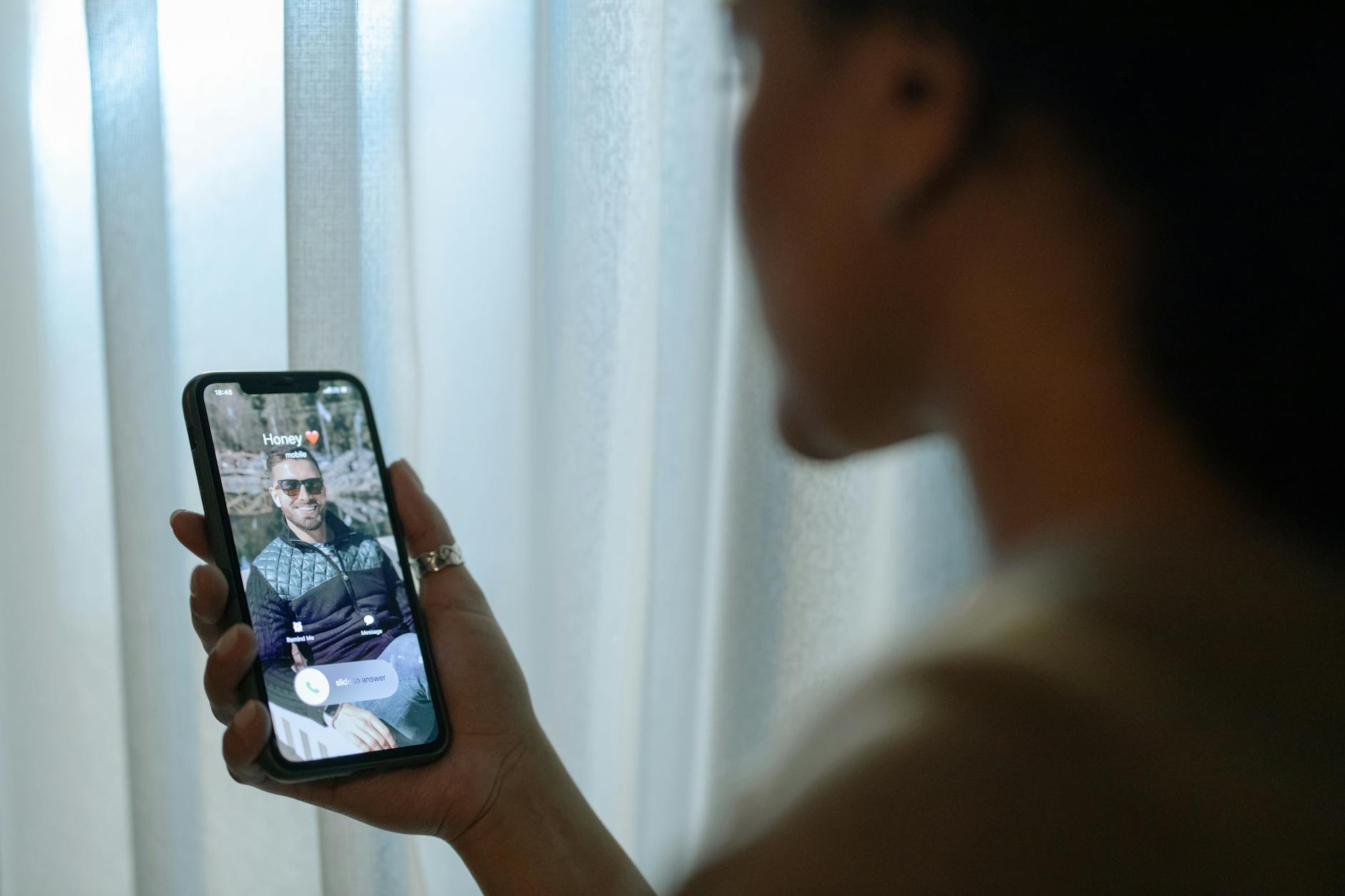
Photo by cottonbro studio
Quick Basic Checks to Try on Any Phone First
When call screening isn’t doing its job, start with simple checks. These quick tests often reveal the culprit and get things back to normal fast. The goal is to confirm the basics are in place before moving to deeper fixes. This section covers three high-impact checks you can perform on any modern phone, whether you’re on Android or iPhone. They’re straightforward, require no special tools, and can save you a lot of time.
 Photo by Kelvin Valerio
Restart Your Phone and Test Call Screening
A full restart resets the phone’s memory and clears minor glitches that build up over time. Start by powering off completely, then turn the device back on and give it a minute to settle. If a force restart is needed, follow your model’s method (hold power and volume down for a few seconds on many Androids, or press and hold the side button and volume on iPhones). After reboot, place a test call from a different number and observe how screening handles it. This simple reset often clears background processes that block screening.
- Steps to try: power off, wait a few seconds, power on; or force restart if the screen is unresponsive.
- Test approach: call from a known number, then from an unknown or blocked number to see how screening responds.
- Why it works: it flushes temporary glitches and reinitializes system services that manage calls.
Review Do Not Disturb and Permissions
Do Not Disturb can override call screening if it’s set to silence all unknown numbers. Open Settings and confirm DND isn’t active for calls from unknown contacts. Then check the Phone app’s permissions. On Android, ensure the app has microphone access and phone permission enabled. On iPhone, verify that the Phone app has Microphone and Phone permissions as well as any needed permissions for screen or transcription features. A quick permission review fixes many cases where screening stops working.
- Android path: Settings > Apps > Phone > Permissions; enable Microphone and Phone.
- iPhone path: Settings > Privacy > Microphone and Settings > Phone > Allow Calls From > ensure desired behavior.
- Result: screening works consistently, and you retain full control over who gets through.
Turn Off Battery Saver for Phone Apps
Battery saver modes can restrict background activity, which may block real-time screening. Check both battery and power saving settings and disable them for the Phone app and any related screening services. On some phones you might see “Adaptive power saving” or “Optimized battery usage” affecting system apps. Make a quick exception list so screening can run in the background without interruptions. After adjusting, run a test call again to confirm the feature stays responsive while you’re on the move.
- Quick checks: disable Battery Saver for Phone and any screening-related apps.
- How to modify: Battery settings > Battery saver or Power saving; add exceptions for Phone app.
- Expected outcome: screening remains active in the background, reducing missed calls.
Fix Call Screening on Android Phones Step by Step
If your call screening feature isn’t doing its job, you’re back to taking every unknown call. This section walks you through practical steps to restore reliable screening on Android devices. Each step is straightforward, designed to be completed in a few minutes. By following these fixes, you’ll regain control over incoming calls and reduce spam interruptions. Think of your phone as a helpful assistant that should filter out the noise so you can focus on what matters. Let’s start with a simple, reliable setup you can test right away.
What If the Only Thing Between You and the Life You Deserve Is a Hidden Wealth Code Waiting to Be Activated
>>> Open the Door <<<
Enable Call Screen in the Phone App
Open the Phone app and go to Settings, then Call Screen. Turn on the option for unknown numbers or for all calls if you prefer. Set the screening language so the assistant understands your region and accents. After you switch it on, place a quick test call from a different number to verify it works as expected. If the feature seems slow or unresponsive, reboot the device and recheck the settings. This basic activation fixes many cases where screening was off or misconfigured. It should feel like a reliable shield against unwanted calls.
Update Apps and Android System
Keeping the Phone app and the Android system current is essential for stable call screening. Open the Google Play Store, search for the Phone app and other related system apps, and install any available updates. Then navigate to Settings > System > Software Update to check for Android updates. Patches commonly fix misbehaving call screening by addressing known bugs and compatibility issues. After updating, restart the phone and test screening again with several calls from known and unknown numbers. Regular updates keep screening predictable and accurate.
Clear Cache and Reinstall Phone App
If issues persist, clearing the app cache can remove corrupted data that blocks screening. Go to Settings > Apps > Phone > Storage, then choose Clear cache and Clear data. If the device still misbehaves, you may need to uninstall updates for the Phone app and reinstall them from the Play Store. In some cases a full reinstall is needed, but back up important data first. After reinstalling, re-enable Call Screen in the app settings and run a test call from a few numbers. This approach resolves stubborn glitches that fresh data often fixes.
Check Carrier Settings and Spam Lists
Carrier settings influence how call screening behaves. Some carriers provide their own screening tools or spam lists that can override or conflict with device features. Dial codes like ##4636## can give you access to test menus on certain Android devices, but be careful with codes and follow prompts from your carrier. If you manage spam lists, review blocked numbers and family or business allow lists. If screening still fails, contact your mobile operator to ensure your account supports the feature and there are no carrier-level blocks impacting it. This quick check can save you hours of troubleshooting.
Troubleshoot Call Screening Issues on iPhone
When call screening on your iPhone isn’t doing its job, unknown numbers can slip through and disturb your day. This section walks you through practical, bite sized steps you can take to restore the filter. Start with quick checks and then move to targeted adjustments. These tips are designed to work across recent iPhone models, so you can regain control without a lot of downtime. A well functioning screening system keeps spam calls at bay and lets you decide who gets through with minimal effort. Let’s get you back to a quieter, more predictable day.
Turn On Silence Unknown Callers
Turn on Silence Unknown Callers to automatically send calls from numbers not in your contacts to voicemail. On your iPhone, go to Settings > Phone > Silence Unknown Callers and toggle it on. This feature reduces interruptions from unfamiliar numbers, especially when you’re in the middle of work or a personal moment. Keep in mind that exceptions exist for numbers saved in Contacts, recent calls, and emergency services. After enabling, perform a quick test by calling from an unlisted number and from a known contact to confirm the behavior. If it works as expected, you gain predictable call flow.
Enable Live Voicemail for Screening
Live Voicemail adds a transcription step before you answer, helping you decide quickly whether to pick up. On supported iPhone builds, navigate to Settings > Apps > Phone and switch Live Voicemail on. When a call comes through, the caller’s message is transcribed in real time, giving you context before you decide to answer or send to voicemail. Be aware that transcription quality may vary with audio clarity and language. If you rely on this feature, test with a few different voices and numbers to ensure it’s capturing details accurately.
Update iOS and Reset Network
Keeping iOS up to date ensures call screening features work with the latest fixes and improvements. Go to Settings > General > Software Update and install any available updates. If you run into trouble updating, or if screening still misbehaves after updating, reset network settings. This action can fix complex conflicts but will remove saved Wi Fi passwords, so have them handy to re connect. After the reset, re connect to Wi Fi and run a test call to verify the feature is functioning normally.
Advanced Fixes and When to Seek Help
If basic tweaks don’t restore call screening, you can take more targeted steps or reach out for hands-on support. This section focuses on practical, strongest options you can try next. You’ll get safe third party solutions that add a safety net, plus guidance on when a professional touch is needed. Whether you’re using a smartphone for work or personal use, these fixes help you regain control without guesswork. Start with the next two subsections to expand your toolbox and know when to escalate.
Try Third-Party Screening Apps
Third party screening apps can supplement built in features and catch robocalls that slip through. Safe options include Hiya and RoboKiller. Pros: they add extra layers of caller ID, spam lists, and shorter contact whitelists. Cons: they may require paid plans for full protection, and some users notice occasional mislabels. Privacy note: review the app’s data policy and opt out of unnecessary data sharing. How to install: download from the Google Play Store or Apple App Store, grant necessary permissions, and follow setup prompts to enable call screening. After installation, run a few test calls to verify performance. If one app seems slow or conflicts with your phone, disable it and try the other.
Reset Phone or Contact Support
A reset can clear stubborn glitches while preserving your data by focusing on settings. Start with backups, then reset all settings or perform a factory reset if needed. On Android, you can usually reset network and app preferences from Settings without wiping media. On iPhone, use Settings > General > Transfer or Reset iPhone to choose Reset All Settings first; a full wipe is a last resort. Before you reset, note key settings like Wi Fi passwords and app logins so you can restore quickly. If issues persist after a reset, contact your carrier or device maker through their support pages or phone lines; visiting a local store can speed things up if you need hands on help.
Conclusion
If call screening isn’t behaving, start with the basics and work up. A quick restart, a permission check, and a sanity review of Do Not Disturb settings fix most issues fast, on both Android and iPhone. Keeping your Phone app and system up to date matters, along with a light touch of background power management so screening stays responsive as you move through the day.
What If the Only Thing Between You and the Life You Deserve Is a Hidden Wealth Code Waiting to Be Activated
>>> Open the Door <<<
The payoff is clear: fewer spam calls, more control, and less time spent screening unknown numbers. By sticking to these practical steps, you regain a reliable shield and keep your routine uninterrupted. If you still need extra protection, third party screening apps offer an added layer of defense, but test them carefully and keep the basics proven first.
Share in comments what fixed it for you, and if you found a shortcut not covered here, tell others. Subscribe for more smartphone tips that keep everyday tech simple and effective. With the right checks and a little patience, your device will filter with confidence again, letting you focus on what truly matters.
He Was Drowning in Bills and Burnout Until a Simple Daily Ritual Rewired His Brain for Wealth in Less Than a Week
>>> Start Your Shift Today <<<
