
Thousands of People Were Struggling With Money Until They Discovered This One Ancient Secret Hidden in Sound
>>> Unlock It Now <<<

Tired of spending hours editing just one TikTok on your phone? You record clips all week, but fitting in edits feels impossible. Your content sits unfinished, and consistency slips away.
Batch editing changes that. You can finish multiple TikToks in 30 to 60 minutes right on your smartphone. Post more often, keep your audience hooked, and watch followers grow faster.
This guide shows you how to edit multiple TikToks on your phone in one sitting. First, prep your clips for quick access. Then pick the right app like CapCut or InShot.
Next, follow a simple workflow: trim, add effects, text, and music in batches. Use time-saving tips to speed things up. Finally, export and schedule posts.
There Is a Frequency That the Wealthiest Families Have Used for Generations and Most People Will Never Know It Exists
>>> Open the Door <<<

No computer needed. Everything works on iPhone or Android. You’ll save time and stay ahead on TikTok.
Ready to batch your edits? Let’s get started.
Thousands of People Were Struggling With Money Until They Discovered This One Ancient Secret Hidden in Sound
>>> Unlock It Now <<<
Prep Your Raw Footage for Fast Batch Editing
You batch edit on your phone because time matters. Start by gathering all clips in one spot. Skip the endless scrolling through your camera roll. Smart prep lets you grab footage fast and switch projects without hassle. Follow these steps to set up everything on your iPhone or Android.
Hunt Down All Your Video Clips in Seconds
Your smartphone holds tons of clips scattered across apps. Hunt them down quick with built-in search tools. Type keywords like “video” or a date into the search bar at the top of your Photos or Gallery app. Results pop up right away, so you spot what you need.
Filter by date to nail recent shoots. On iPhone, open the Photos app and tap Collections. Scroll to Recent Days and swipe through. For exact dates, use the search bar; it pulls up matching clips. Apple details this in their find photos and videos by date guide. Android works similar: in Google Photos, search a date or tap Library to see timelines. Gallery apps on Samsung phones sort by time periods too.
Search by type speeds things up more. Enter “video” or “MOV” to list only footage. No more thumbing through photos. If clips hide in other apps like Files or WhatsApp, import them now. Long-press a video, tap Share, then Save to Photos. Bulk select multiples for faster moves. You pull 20 clips in under a minute this way.
This hunt clears chaos. Your raw footage stacks up ready for edits.
Create Folders to Sort Clips by Project
Folders keep projects tidy, like boxes in a workshop. Name them by idea, such as “Dance Series” or “Recipe Reels.” You jump between batches without digging.
Here’s how to set them up step by step:
- Open your Photos or Gallery app on the smartphone.
- Tap the “+” or New Album button, usually in the top right.
- Name the folder, like “Gym Tips Pt 1,” and hit Create.
- Find your clips from the search you just did. Tap Select, choose multiples, then tap Add to Album.
- Repeat for each project. Drag clips between folders later if needed.
On iPhone, albums live under Library. Android uses similar collections in Google Photos. You build five folders in two minutes.
Benefits hit hard during batch sessions. Switch from dance clips to talking-head videos with one tap. No lost files mid-edit. Stay focused, finish faster. Your workflow flows smooth, and edits stack up quick.
Pick the Top App to Edit Many TikToks at Once
Your clips sit ready in folders. Now pick an app that handles batches without frustration. TikTok’s built-in tools start simple and free. Apps like CapCut add speed for pros. Test a few to match your style. You edit five videos in under an hour once you find the fit.

Photo by Ron Lach
Start with TikTok’s Free Built-in Editor
TikTok’s editor lives right in the app. No downloads needed. You open drafts fast and tweak multiples side by side.
Tap the Drafts icon at the bottom. Your saved clips load in a list. Select one, hit Edit, and adjust trims or speed. Save changes, then jump back to the list. Repeat for the next draft. You cycle through ten clips without closing anything.
Reuse effects to save taps. Apply a filter like glitch or sparkle to your first video. Once it looks good, note the name. Open the next draft, tap Effects, and search that name. Drag it on. TikTok remembers recent picks too. Check TikTok effects tips for popular ones that pop on small screens.
Strengths shine for quick posts. Auto-sync music from trends. Add text stickers in seconds. Limits hit at scale, though. No bulk import from gallery. Effects reset per video, so no true copy-paste. Max resolution caps at 1080p. Fine for starters, but batches over five feel slow.
You handle basic series like daily tips this way. Test it on your smartphone next session.
Level Up with CapCut for Batch Power
CapCut ties straight into TikTok. Export drafts with one tap. It pulls your account clips or gallery folders fast.
Open CapCut, tap New Project. Import multiples: hit the + icon, select gallery folder, choose ten clips at once. They stack on the timeline. Trim all in bulk by selecting layers and dragging ends together.
Templates speed everything. Search “TikTok trends,” pick one, and it auto-fits your clips. Swap footage while keeping transitions and music. Auto-captions work on batches: tap Text, select Auto Captions, and it pulls speech from all videos. Edit text styles once, apply everywhere.
Why it beats others? One-click TikTok upload keeps drafts linked. No quality loss. Free version handles 4K exports. On your smartphone, swipe gestures cut edit time by half.
Batch a week’s worth of dances or reviews here. You finish polished sets without switching apps.
Quick Looks at VN Video Editor and InShot
Other apps fill gaps when TikTok or CapCut fall short. VN Video Editor offers a clean timeline that scrolls smooth. No watermarks on free exports. Pros include keyframe animations for pro moves and multi-track audio. Pick VN for simple cuts on long clips. It shines if you hate cluttered screens.
InShot packs effects like nobody else. Scroll thousands of overlays, stickers, and transitions. Pros cover chroma key for greenscreen fun and speed ramps per clip. Choose InShot for flashy content like challenges. Its picture-in-picture tool layers reactions over mains easy.
Both import gallery batches quick. VN suits minimalists; InShot fits effect lovers. Download one today and compare against CapCut. Your batch flow improves right away.
Follow This Easy Workflow to Edit Clips in Bulk
Your clips wait in folders, and CapCut (or your picked app) stands ready. Now run through this straightforward workflow. You handle trims, text, effects, and music across multiple videos without starting over each time. Think of it as an assembly line on your smartphone: tweak once, apply everywhere. You finish a batch of five to ten TikToks in under 45 minutes.
This method works best in CapCut. It lets you copy edits fast. For details on their batch tools, see CapCut’s batch processing guide. Load your first project with clips from one folder. Make changes, then duplicate or copy to the rest. Swipe and tap keep it simple on your phone screen.
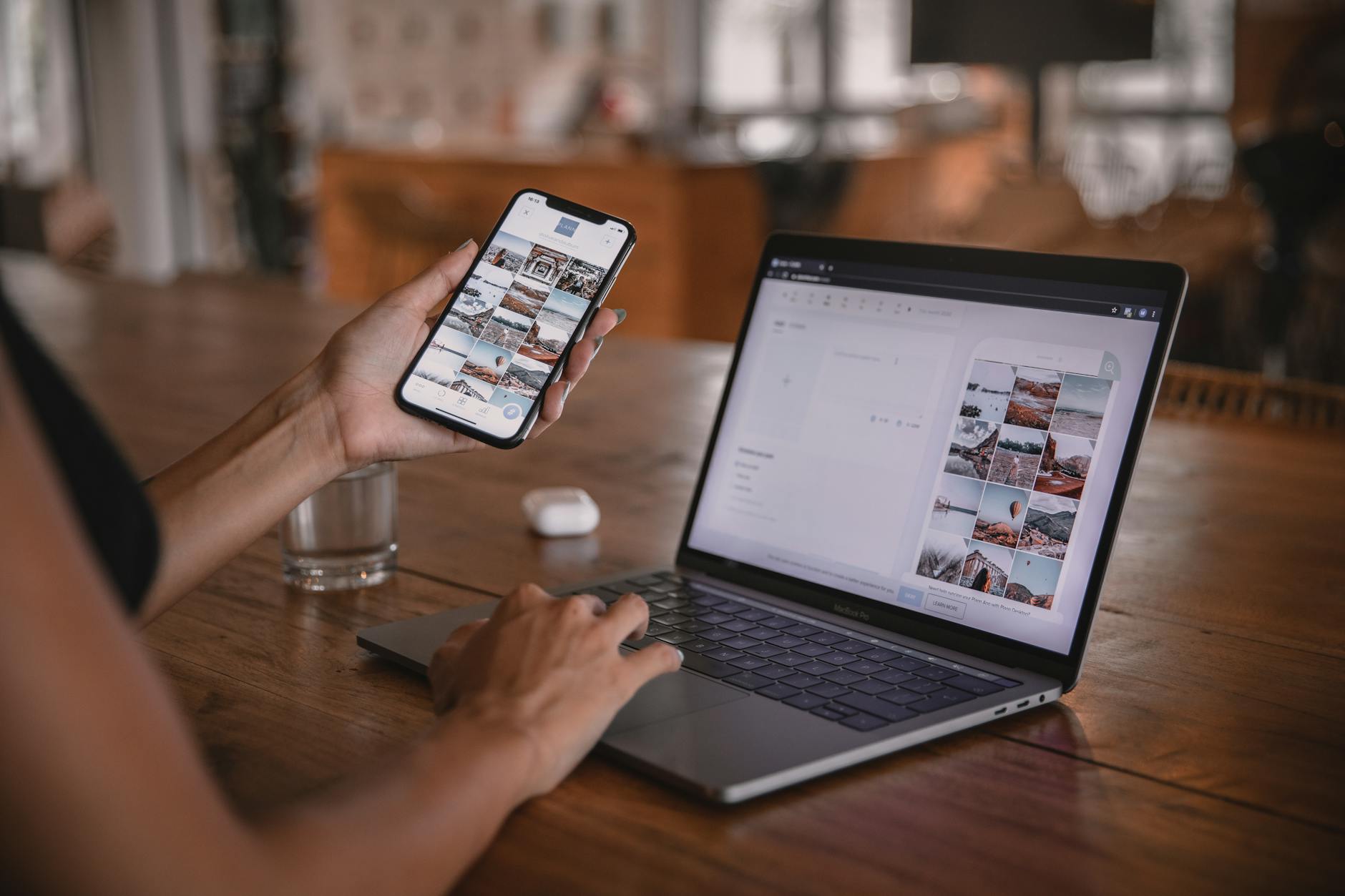
Photo by Plann
Trim, Speed Up, and Cut Clips Super Quick
Start with basics. Load all clips from your folder into one timeline. They stack as layers you adjust together.
Pinch to zoom the timeline on your smartphone screen. This gesture enlarges clips so you spot exact cuts. Drag ends to trim waste from every layer at once. Hold Shift (or tap multi-select) to grab several clips, then slide them aligned.
Speed ramps next. Tap a clip, adjust speed to 1.5x or 2x for energy. Copy the setting: long-press the clip, hit Copy, then Paste to others. All videos match pace without solo tweaks. You sync a dance series or review clips in seconds.
Here is the quick flow:
She Pressed Play on a Strange Audio Track and Within Days Her Financial Reality Started Shifting in Ways She Could Not Explain
>>> See How It Works <<<

- Import batch clips.
- Pinch-zoom timeline.
- Multi-trim ends.
- Copy-paste speed.
Your footage tightens fast. No sloppy starts or drags left behind.
Add Matching Text, Stickers, and Effects
Text and overlays build your brand. Keep them uniform so viewers spot your style right away.
Create once in the first video. Tap Text, pick a font like bold sans-serif, add color and animation. Position it mid-screen. Save as a style: hit the star icon next to Text menu. It stores for quick pulls.
Copy to next videos. Duplicate the project (tap three dots, Save as New), or open a fresh one and Paste from clipboard. Long-press text layer, Copy, switch videos, Paste. Stickers and effects work the same: apply a shake transition or heart overlay, copy it over.
Brand consistency pays off. Viewers trust repeated looks. Test on two clips first. Adjust size if screens vary. You layer pro touches across ten videos smooth.
Match Music and Sounds Across Your Videos
Audio ties batches together. One trending track boosts all your TikToks.
Search sounds once. Tap Audio, type “upbeat pop” or a viral name. Preview and add to your first video. Drag to start at beat one.
Trim to sync: zoom timeline again, split clip at peaks, delete extras. Copy the full audio layer to other projects. Paste aligns it perfect.
Pro tip: Use the same beat drop. Every video hooks at three seconds. Save favorites in Audio’s recent list. You refresh a week’s content with one sound. Batch exports follow right after.
Apply Time-Saving Tips for Pro-Level Speed
Your workflow runs smooth now. Add these tips to hit pro speeds on your smartphone. You finish batches twice as fast. Cut repeats and errors that steal minutes. Focus stays sharp, and edits pile up quick.
Save Templates and Presets for Reuse
Templates act like shortcuts. Build one polished edit, then reuse it across videos. Setup drops by 50% on repeats. CapCut makes this easy for TikTok batches.
Create a template step by step. Finish your first video with trims, text, effects, and music. Tap the three dots in the top right. Select “Save as Template.” Name it “Dance Intro” or “Review Style.” It stores effects, transitions, and timing.
Load it anytime. Start a new project. Tap Templates at the bottom. Scroll your saved ones or search the name. Add clips; they snap into place. Tweak small details only. Check CapCut’s guide on making templates for more options.
Presets work for single elements too. Save a text style: edit font, color, animation. Tap the star icon. Reuse in any project. You prep ten videos from one base in minutes. No starting blank each time.
Master Phone Gestures to Skip Taps
Gestures beat button taps every time. Your fingers fly through edits. Apps like CapCut build them in for speed.
Pinch to zoom the timeline. Spread fingers to enlarge clips; precise cuts follow. Swipe left or right to scrub playback. No play button needed. Two-finger swipe pans the full project view.
In CapCut, pinch-rotate for keyframes. Twist to adjust animation curves fast. Swipe up on layers to split clips. Down swipe deletes extras. iPhone users get haptic feedback; Android adds smooth multi-touch.
Practice on one video first. Soon, you edit without looking. Gestures halve tap counts. Your smartphone screen turns into a pro tool.
Dodge Mistakes That Slow You Down
Small slips kill momentum. Spot them early, and batches fly.
Backup drafts often. In CapCut or TikTok, tap Save after big changes. Auto-save runs, but manual hits prevent losses. Export mid-project to your gallery folder too. No redo hours from crashes.
Close other apps. They hog RAM and heat your phone. Swipe up to app switcher; clear everything but your editor. Battery lasts longer, and playback stays fluid.
Avoid over-editing one clip. Set a two-minute timer per video. Move on, refine later if needed. Check storage first; full space slows exports.
These fixes keep you rolling. You power through ten TikToks without a hitch.
Export Your Edits and Post Without Delays
After you finish the batch edit, the next step is to get your videos out fast without sacrificing quality. This section covers how to export with the right settings, queue your posts for the best times, and push your content to TikTok from your phone in one smooth flow. The goal is to minimize friction so you can publish several TikToks in one sitting and keep your posting rhythm steady.
Pick the Right Export Settings for TikTok
Your export choices matter more than you might think. The correct settings keep your footage sharp, your audio clean, and your file size manageable for quick uploading. For most TikTok batches, aim for a vertical 9:16 frame with 1080p resolution and a frame rate that matches your source footage. This combination delivers crisp visuals while staying within TikTok’s efficient streaming range.
- Resolution and aspect: 1080×1920 (9:16) for full-screen mobile viewing.
- Frame rate: match the original footage, typically 30fps or 60fps, to avoid motion artifacts.
- Codec and format: MP4 with H.264 for broad compatibility and small file sizes.
- Bitrate: 12–20 Mbps for 1080p keeps quality high without bloating the file.
CapCut users can simplify this with templates that lock in your preferred export profile. If you want a quick reference, see guides that outline recommended export and render settings for social videos, such as best practices for CapCut and TikTok uploads. You can also review the official tips on TikTok uploads to ensure your final file aligns with platform expectations. For example, these resources discuss high-resolution options and how to keep audio clean during export.
- Helpful links:
- Best export and render settings for CapCut
- Efficient TikTok upload guidance
Schedule Posts to Maintain Consistency
Even with fast exports, timing matters. Scheduling posts helps you maintain a steady cadence, reach audiences in peak windows, and avoid bottlenecks at publish time. If you publish directly from CapCut or your chosen editor, you can export once and queue multiple videos for later in the day or week. If you prefer native TikTok posting, you can still stagger exports and use the app’s drafts to space out releases.
- Identify your prime windows: mornings, lunch breaks, and evenings tend to perform well for short-form video.
- Use drafts as buffers: export batches in advance and schedule them in your editor or in TikTok’s Drafts for later posting.
- Consistency over volume: aim for a predictable cadence, like 3–5 videos per week, rather than overwhelming bursts.
If you use CapCut, you can export directly and reuse the same settings across all videos in a batch, ensuring each clip looks and sounds like part of a single campaign. For a quick reference on how CapCut handles batch uploads to TikTok, check the platform’s guidance on efficient upload workflows.
- Helpful links:
- CapCut batch processing guide
- TikTok upload best practices
Post Directly from Your Phone Without Losing Quality
Publishing from your phone should feel effortless. Use a workflow that keeps you from re-editing for every upload. A common approach is to export all completed videos to a dedicated folder on your phone, then upload to TikTok in one sitting. If you rely on CapCut, you can push drafts to TikTok with a single tap, preserving the edits and timing you set in the app.
- Prepare a posting plan: name your videos clearly in the export phase (for example, “Dance_Top_10_04-26”).
- Keep a lightweight music and text stack: reuse audio and captions across videos to save time.
- Verify aspect and audio before posting: a quick watch-through of each clip helps catch any last-minute issues.
For those who want a fast route, there are reliable upload guides that explain how to get your video from CapCut to TikTok with minimal steps, ensuring you maintain the quality you built during editing.
- Helpful links:
- CapCut export and upload workflow
- TikTok upload guidance
Quick Quality Checks Before Hit Publish
A final quick pass can save you from posting imperfect content. Run through a tight 60-second checklist:
- Visuals: confirm the clip is in 9:16 and not letterboxed.
- Audio: ensure the music level sits well with voiceovers and sound effects.
- Text and captions: verify legibility against different screen sizes and confirm timing aligns with key moments.
- Branding: confirm your logo, watermark, or style elements appear consistently.
- Export integrity: rewatch the exported file to catch any glitches that slipped through.
Keeping these checks fast ensures you don’t stall at the last step. If a batch fails a single check, fix the issue quickly and re-export the affected clips.
Examples and Quick Reference
- If you’re batch editing five videos, export at 1080p, then upload through CapCut or TikTok with a single batch spine. You’ll save minutes by reusing a single template for text and effects across all videos.
- For a larger batch, create a “post library” so every video shares the same intro, lower third, and call-to-action. This approach keeps your content cohesive and speeds up the publishing process.
This section gives you a practical, repeatable path from finishing edits to posting without delays. By choosing the right export settings, scheduling posts smartly, and performing a brief but thorough quality check, you can keep a steady stream of polished TikToks flowing from your phone.
Conclusion
Batch editing on your smartphone lets you finish several TikToks in one sitting without the usual back and forth. Start by gathering clips, sorting them into project folders, then choose a capable editor like CapCut or TikTok’s built in tools. Move through a simple workflow that trims, adds text and effects, and aligns audio across multiple videos in one pass. Export with consistent settings, schedule posts, and run a quick quality check before publishing.
This approach gives you more content with less stress. You can keep a steady publishing rhythm while still polishing each video. The key is to keep things organized and reuse templates, so you spend less time fiddling and more time posting. The beauty of this method is the smartphone itself, a compact studio you can use anywhere.
If you try one batch editing session this week, you’ll see how quickly a small batch becomes a reliable content flow. Share your results or any tips you discover along the way. Let this be the start of a smoother, more productive posting routine.
She Pressed Play on a Strange Audio Track and Within Days Her Financial Reality Started Shifting in Ways She Could Not Explain
>>> See How It Works <<<