A boot loop occurs when your phone fails to load the operating system completely. This happens because of software glitches, corrupt updates, or interrupted system processes during a restart.
Most of these errors are fixable at home without needing a new smartphone. You can usually restore functionality by using specific button combinations or recovery modes to clear the cache or repair the system files.
Follow these steps to diagnose and repair your device before you visit a repair shop.
How to Fix an iPhone Stuck on the Apple Logo
If your smartphone hangs on the Apple logo during startup, your operating system is likely trapped in a software loop. This error usually occurs after an interrupted update or a corrupted file system. Before you panic or rush to a repair shop, you can perform a few troubleshooting steps to force the device to reload its startup process.
Performing a Proper Force Restart
A force restart cuts the power to the processor for a split second, which clears the temporary memory and forces your smartphone to reboot. Because button configurations differ by model, follow the specific sequence for your device to ensure the command registers correctly.
For iPhone 8 and all newer models, including the iPhone SE (second and third generation):
Press and quickly release the volume up button.
Press and quickly release the volume down button.
Press and hold the side button until the Apple logo appears on the screen.
For iPhone 7 and iPhone 7 Plus:
Press and hold both the volume down button and the sleep or wake button at the same time.
Keep holding them until you see the Apple logo on the display.
For iPhone 6s and earlier models:
Press and hold both the home button and the top or side button simultaneously.
Release both buttons when the Apple logo flashes on the screen.
Once the device restarts, it may take a few extra seconds to populate your home screen. If it continues to display the logo after the restart, you likely need a deeper software repair.
Using Recovery Mode to Restore Your Software
When a standard restart fails, recovery mode offers a direct path to address deeper system corruption. You need a computer with the latest version of iTunes or, if you use a Mac with macOS Catalina or newer, the Finder application.
Connect your smartphone to the computer using a compatible USB cable. Launch Finder or iTunes and keep your device connected while you perform the same button sequence you used for the force restart. Instead of releasing the buttons when the Apple logo appears, keep holding them until you see a screen showing a computer icon and a charging cable. This indicates that your device is in recovery mode.
Once the computer detects the device, you will see a prompt with options to update or restore. Choose the update option first to attempt to reinstall iOS without erasing your personal files. If the update fails, you may have to choose restore. Selecting restore wipes your device and installs a fresh copy of the operating system, which results in the loss of all data not currently backed up. Ensure you have a recent backup available before you select the restore function to avoid permanent data loss.
Troubleshooting an Android Phone Caught in a Boot Loop
An Android smartphone stuck in a boot loop often indicates that the software cannot complete its startup routine. This cycle occurs when the system encounters a corrupt file, a faulty update, or a conflicting background process. You can often resolve this frustration by accessing the built-in system tools that allow for deep maintenance.
Clearing the System Cache Partition
Your Android device stores temporary data in a dedicated cache partition to speed up app loading and system processes. Sometimes, this data becomes corrupted or obsolete, which prevents the operating system from booting correctly. Clearing this partition removes the junk files without touching your photos, messages, or installed apps.
To start, you must enter Recovery Mode using the hardware buttons on your smartphone. The exact combination varies by manufacturer, but most models require you to hold the Power button and the Volume Down button simultaneously until a menu appears. On some devices, you may need to hold the Volume Up button instead.
Once you see the recovery menu, use the volume buttons to highlight the option labeled Wipe cache partition or Clear cache. Press the Power button to select this command. After the process finishes, select the Reboot system now option. Your smartphone will then attempt to start normally. This action clears out the temporary clutter that might be stopping your phone from completing its startup sequence.
Booting Into Safe Mode to Identify Bad Apps
If clearing the cache does not resolve the boot loop, a third-party application is likely the culprit. Safe Mode is a restricted state that loads only the essential software required for the phone to function. If your smartphone starts successfully in this mode, you can confirm that one of your downloaded apps is causing the instability.
To enter Safe Mode, perform a standard restart on your device. As soon as the manufacturer logo appears on the screen, press and hold the Volume Down button until the phone finishes booting. If successful, you will see a small label in the corner of your screen that says Safe Mode.
Once the device is in this state, your phone is stable because it has disabled all non-essential third-party apps. Take this opportunity to uninstall recently added apps that might have triggered the loop. After removing the suspicious software, restart your smartphone normally to see if the problem is gone. If the device boots up correctly, you have identified the faulty application and restored normal operation.
Advanced Solutions When Simple Fixes Fail
If standard restarts and software resets do not solve the boot loop, you need to perform more technical interventions. These advanced methods involve hardware-level tools or deep-system reinstallation. Before you begin, ensure you have a current backup of your files, as these processes often clear your internal storage.
Using DFU Mode for Deep System Recovery
Device Firmware Update (DFU) mode is the most thorough state for an iPhone. It allows the device to communicate with a computer without loading the operating system or the bootloader. This is the last step before assuming the smartphone has a hardware defect.
To enter DFU mode, follow these steps:
Connect your device to a computer and open the recovery software.
Perform the force restart button sequence, but continue holding the final button longer than usual.
Keep the button pressed until the screen stays black, then release it.
If the screen remains black but your computer detects the device in recovery mode, you have successfully entered DFU mode.
Once the computer identifies the device in this state, select the restore option. This action wipes the entire storage partition and installs a fresh version of the operating system.
Re-flashing Firmware via Sideloading
Android users can perform a manual firmware update using a process called sideloading. You perform this by pushing a system image directly to the phone via a computer connection. This approach replaces potentially corrupted system files with healthy ones provided by the manufacturer.
You will need the Android Debug Bridge (ADB) tools installed on your computer. After placing the phone into recovery mode, connect it via a USB cable. Use the following command structure in your terminal or command prompt:
Download the correct firmware package from the official manufacturer website.
Place the device into the Apply update from ADB mode within the recovery menu.
Run the command adb sideload update.zip to initiate the file transfer.
This process overwrites existing system software. It often resolves deep-seated bugs that simple cache clearing or factory resets cannot reach.
Identifying Potential Hardware Damage
Sometimes a boot loop originates from a physical failure inside the smartphone rather than a software issue. If your device recently suffered water damage, a hard drop, or battery degradation, the software might be failing because a component refuses to initialize.
Look for these signs of physical hardware failure:
The screen remains stuck on the logo even after a successful software restore.
The phone feels unusually hot to the touch during the startup attempt.
The device shuts down immediately when you unplug it from the power source.
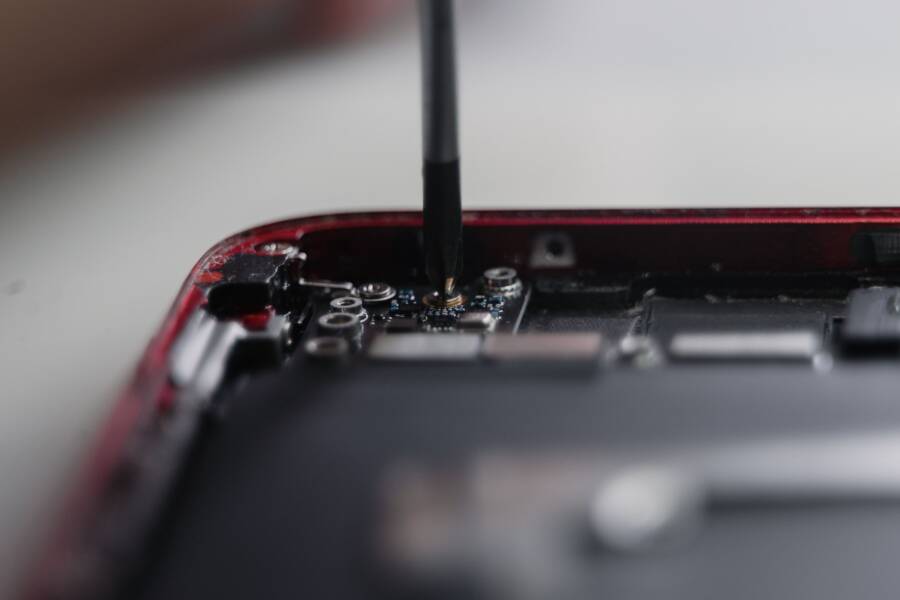
If you encounter these symptoms, you likely have a battery or motherboard failure. At this stage, professional repair services are the safest choice. Avoid opening the device yourself unless you have the proper tools and experience, as modern phones have delicate internal ribbon cables that break easily.
Recognizing When You Need Professional Hardware Repair
Sometimes a boot loop indicates a physical failure that software tools cannot fix. If your smartphone has suffered a hard impact or liquid contact, internal components may be permanently damaged. Attempting to force a software update on a broken motherboard often results in total data loss or complete system failure. You should seek expert help if your device shows signs of hardware malfunction after you exhaust all standard troubleshooting methods.
Signs of Physical Component Failure
Physical damage is often invisible from the outside, but specific behaviors point to internal hardware issues. If the screen remains blank or displays distorted lines during the startup sequence, your display assembly or graphics chip might be the source of the problem. A battery that no longer holds a charge or produces significant heat during charging also suggests a hardware defect that requires specialized tools.
You should consider professional service if you notice these specific indicators:
The device gets extremely hot while sitting idle or during simple reboot attempts.
You hear clicking sounds or feel internal vibrations that do not correspond to notifications.
The phone fails to show a charging icon even after you replace the cable and power brick.
Liquid damage indicators inside the charging port or SIM tray show a change in color.
Risks of DIY Repair Attempts
Modern smartphones are tightly packed with delicate components that require specialized tools for safe handling. Most internal parts, including ribbon cables and sensors, use adhesive that is difficult to remove without damaging nearby circuits. If you decide to open the casing yourself, you risk tearing these connections or puncturing the lithium-ion battery. A punctured battery is a major safety hazard because it can cause fires or chemical leaks.
Professional shops possess the schematic diagrams and diagnostic equipment necessary to pinpoint the exact failure. They also provide warranties for their work, which protects you if the repair does not fully resolve the issue. If your device contains sensitive data or is relatively new, paying for a certified technician often saves you the cost of replacing the entire unit.
Conclusion
Maintaining a functional smartphone relies on consistent habits like regular backups and prompt system updates. You can often resolve boot loops by performing a force restart, clearing the system cache, or entering recovery mode to refresh the software.
When these software steps fail, your device might suffer from physical hardware damage. Professional technicians possess the tools to diagnose and repair internal issues without risking further destruction of delicate components.
A well-maintained device stays responsive and secure for years. Prioritize data protection and seek expert support whenever a persistent hardware error appears.