She Pressed Play on a Strange Audio Track and Within Days Her Financial Reality Started Shifting in Ways She Could Not Explain
>>> See How It Works <<<

It’s incredibly annoying when you set a favorite song or sound effect as your ringtone, only to have your phone revert to the default sound. You rely on those custom alerts to know important calls are coming in, and when they fail, things get frustrating fast. Custom ringtones not working is a common sticking point for many smartphone users across platforms.
This trouble arises from simple file path errors on Android or strict formatting requirements on iPhone. We’re going to walk through proven solutions to get your personal audio playing again promptly. This guide explains exactly how to fix non-working custom ringtones for both your Android and your iPhone. You’ll have your preferred alert sound set correctly by the time you finish reading.
First Steps: Quick Checks Before Digging Deep
When your carefully chosen custom alert suddenly vanishes, making way for a generic sound, it’s natural to feel frustrated. Before you start restructuring your music library or reinstalling apps, it is smart to check the simplest potential culprits first. Many ringtone failures stem from surprisingly basic settings changes that happen without you even noticing. Think of these initial checks as confirming the basics: is the power on, is the volume up, and is the correct name still selected? Addressing these quick items prevents unnecessary troubleshooting later on your smartphone.
Making Sure the Sound is Set Correctly in Settings
Your device’s system is often the first place that betrays you. After an operating system update, adjusting volume profiles, or perhaps installing a communication app that fiddles with sound preferences, your phone might automatically revert to a default ringtone. You need to look directly inside the sound settings menu to verify your custom choice hasn’t been swapped out.
There Is a Frequency That the Wealthiest Families Have Used for Generations and Most People Will Never Know It Exists
>>> Open the Door <<<

For many users, this process involves diving into the main configuration screen. Look for the section often labeled Sound or Sound & Vibration. Inside that area, locate the ‘Ringtone’ option for incoming calls. It’s common for the selection box to magically point back to a factory default tone, even if you saw your custom selection there last week. Confirm that the actual name of your custom sound file is still actively selected, not just one of the preloaded options. If you recently got a notification about a new system sound, this is often the exact moment the device decides to rearrange its sound preferences. You must actively re-select your preferred tone to re-establish the connection.
Checking Volume Levels and Silent Mode Status
It might sound obvious, but sometimes the issue isn’t what is playing, but if anything is playing at all. If you hear no custom ringtone, check the volume sliders. Modern smartphones divide sound into distinct categories: media volume, system alerts, and the actual Ringtone volume. Hitting the main volume rocker often only adjusts the media level. You usually need to enter the full sound settings menu to see if the dedicated ringtone volume is set low or muted separate from everything else.
Equally important is checking modes designed to silence your smartphone. Do Not Disturb (DND) mode frequently overrides custom settings, allowing only starred contacts through, or silencing everything entirely regardless of your ringtone setting. Ensure DND isn’t active, perhaps indicated by a small crescent moon icon near the clock. Furthermore, remember that notification sounds for texts or emails are often controlled independently from the main ringtone. A failed custom ringtone might mean only the main call sound failed, while app alerts or message tones are still working fine because they pull from a different setting pool.
Testing the Ringtone File Itself
If the phone settings appear correct, the next step is examining the source material: the audio file. Just because the file exists in your media folder doesn’t guarantee it’s usable as a ringtone. Audio files can sometimes become corrupted, especially during transfers or format conversions necessary for setting them up.
To test this, avoid the ringtone setting screen entirely. Instead, open your phone’s file manager or music application. Locate the actual audio file you intended to use—maybe it’s an MP3 or M4A file—and simply play it from there. Does it play through without skipping, static, or sudden cutting off? If the playback sounds choppy or cuts out prematurely, the file itself needs replacing or re-editing. If you created the ringtone a long time ago, perhaps using older software, the file encoding might now confuse the current operating system. A fresh, clean copy of the audio track, perhaps trimmed to under 30 seconds, often resolves these playback issues. Finding a reliable source for managing your audio files is important for future customization, such as checking official guidelines on supported formats for Apple devices How to Change Ringtone on iPhone & Android.
Fixing Custom Ringtones on Android Smartphones
When your custom audio selection fails to play on your Android device, the problem usually traces back to the file system or updated security protocols. Unlike iPhone, which tightly controls where ringtones exist, Android offers more flexibility, which ironically creates more places for things to go wrong. Getting your unique sound back requires us to check the file location, confirm necessary permissions, and potentially relocate the file altogether. Don’t worry; these fixes often involve simple adjustments within your device’s settings or file management tools, putting you back in control of your smartphone‘s alerts.
Locating and Verifying the Custom Ringtone File
The first step in troubleshooting a missing custom ringtone involves confirming that the audio file is where your Android smartphone expects to find it. Android devices use specific directories to list and use sounds for alerts. While system tones live in locked-down areas, user-added ringtones are supposed to reside in a dedicated spot within your internal storage.
Generally, the expected location for your custom phone call sound effect is the folder explicitly named Ringtones located in the root directory of your internal storage. If you transferred the file from a computer or downloaded it from a source that wasn’t an app specifically designed to set ringtones, it likely ended up in a less helpful folder, such as Downloads or perhaps even within a specific music album folder. You need to inspect this directory structure carefully using a File Manager app.
When you open your file manager, look for these critical locations:
/Internal Storage/Ringtones: This is the primary target folder. Your audio file must reside here for the system to offer it reliably in the sound settings menu./Internal Storage/Notifications: Files placed here are usually reserved for text messages or other alerts, not main phone calls./Internal Storage/Media/Audio/Ringtones: Some manufacturers or Android versions favor this slightly deeper path instead of the rootRingtonesfolder.
If you recently performed any storage cleanup, perhaps deleting old downloads or cache, you might have accidentally removed the file. If you can’t find it, check your Trash folder within the file manager, or search your entire device storage for the exact file name. If the file seems to have vanished entirely, you might need to re-download or re-create the audio file and try setting it up again. Understanding the storage structure helps you manage where these files live on your smartphone in the future Where Are Ringtones Stored on Android? Easy!.
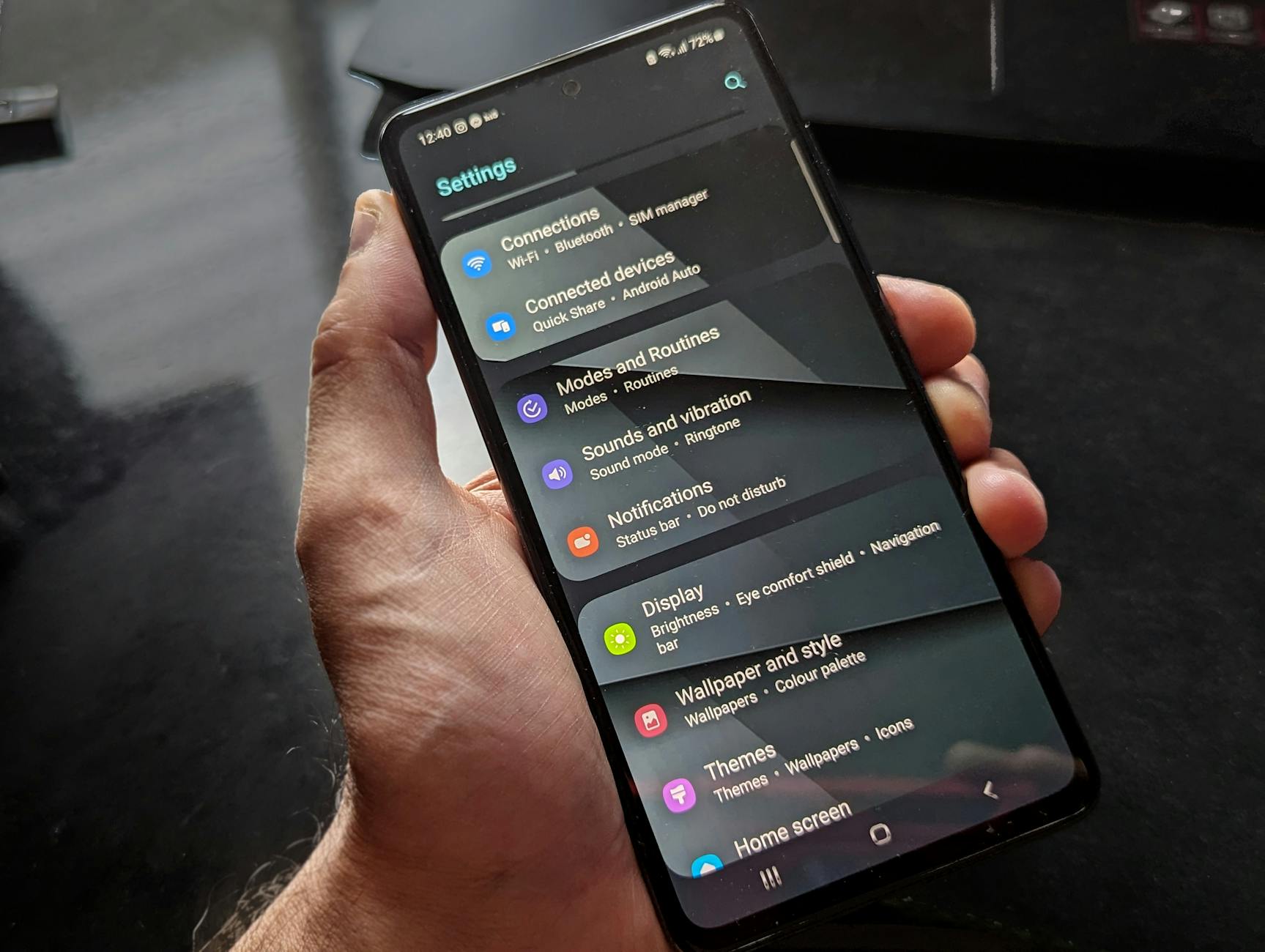 Photo by Watford London Media on Pexels
Restoring App Permissions After a System Update
Sometimes the file is perfectly placed, and the settings show the sound is selected, yet nothing plays. This often points to security restrictions imposed by operating system updates. Android regularly releases security patches, and sometimes these updates tighten access controls, which can inadvertently block apps from accessing user files, even storage locations designated for media use.
Recent security updates have introduced stronger blocking mechanisms. Imagine your phone as a locker with different compartments for pictures, videos, and music/sound files. Now, the lock on the audio compartment has gotten stronger; the phone might be stopping your audio management app from accessing that specific storage area, even if the app was trusted previously. When this happens, your smartphone won’t be able to properly load or play the custom file when a call comes in.
You must actively check the permissions for any third-party app you used to create, manage, or set that specific ringtone. Here is how you review and restore storage access:
- Go directly to your main Settings menu on your device.
- Find and select Apps or Applications Manager.
- Scroll until you find the specific app in question (e.g., a file opener or a ringtone maker app). Tap on it to view its details.
- Look for the Permissions section.
- Find Storage or Files and Media permission.
- Verify that the permission is set to Allow. If it is set to Deny or Only While Using the App, change it to the highest level of access allowed.
Correcting this storage access gap is necessary for a smooth smartphone experience, re-establishing the link between the settings menu and your audio file.
Re-adding the File to the Correct System Folder
If you located your custom audio file, but it wasn’t in the right place—say it was tucked away in your Downloads folder—the solution is straightforward file movement. The phone’s system only looks for ringtones in its designated system folder. Think of it like trying to find a specific book in a library when it’s actually sitting on your kitchen table; the librarian (the operating system) won’t find it in the shelves (the wrong folder).
You need a File Manager application. Most Android devices come with one preinstalled, often called “Files” or “My Files.” If yours doesn’t, you can easily download a reputable one from the Google Play Store. Once you have your File Manager open, follow these steps to ensure the audio file is correctly registered:
- Locate the Source: Navigate to where the audio file currently sits; this is often the
Downloadsfolder. Look for your MP3 or M4A file. - Copy or Move: Tap and hold the file until options appear. Choose Copy or Move. Moving it is fine if you don’t need the copy elsewhere; copying leaves the original in place as a backup.
- Navigate to Destination: Go back to the main storage screen (often labeled Internal Shared Storage).
- Paste: Go into the
Ringtonesfolder and paste the file there. This action places the file directly into the system recognized directory for phone call sounds. - Re-select in Settings: After moving the file, go back into your sound settings menu. Your custom audio file should now appear as an option under the list of available ringtones. Select it again to confirm the setting sticks.
Following this relocation process often resolves issues where the file exists but the operating system ignores it during incoming calls.
Solving Custom Tone Problems on iPhones (iOS Devices)
When you switch to an iPhone, the methods for managing alerts change completely compared to other phone types. Apple enforces a very specific file structure and format for custom sounds. If you transfer an audio file that worked perfectly on another device and suddenly it won’t play, the issue is almost always a formatting mismatch or a failure to properly register the tone with the operating system. Restoring your custom sound requires adherence to Apple’s rigid specifications. We need to make sure the file is correctly named, correctly formatted, and correctly located within the iTunes or Music application structure before it ever sees your iPhone. Pay close attention to the details here; iOS doesn’t offer much room for error when handling these specific files.
Confirming the .M4R Format and Length Limit
The single most common reason an iPhone rejects a custom tone is simple: the file format isn’t right. Forget MP3s or standard M4As for your phone’s alert; Apple rigidly requires the .M4R extension for ringtones. If you think you converted the file but it didn’t actually save with the correct extension, the system will ignore it entirely. It’s like having a key that looks right but has the wrong teeth cut.
Beyond the extension, the duration of the sound is strictly limited. An iPhone will not accept any custom ringtone that exceeds 40 seconds in length. If your carefully edited audio clip runs for 41 seconds or more, the phone simply rejects it silently during the transfer process. This silent rejection is particularly frustrating because the system doesn’t pop up an error message telling you why the sync failed; the tone just never appears in your settings list. You must ensure your audio file is trimmed down to 40 seconds or less to get it accepted by the operating system. You can review the official method for creating these files directly from Apple support Create a custom ringtone on your iPhone.
To summarize the critical physical requirements for an iPhone tone:
- File Extension: Must be
.m4r. Everything else is treated as music or a podcast. - Maximum Length: Strictly 40 seconds. Shorter is safer if you are unsure of the exact endpoint.
If you use older creation methods or convert files using software that isn’t current, double-check that the resulting file isn’t using an older 30-second limit sometimes seen in legacy setups; while 40 seconds is the modern standard, unexpected conversions still happen.
Re-syncing Tones via the Music App or iTunes
Once you are certain the audio file is a properly shortened, .m4r formatted sound, you need to push it from your computer onto your iPhone. This process requires using the management software on your computer, which is either the Music app on newer macOS systems or iTunes on Windows PCs or older Macs. The difficulty often arises because users confuse standard music playback with tone synchronization.
There Is a Frequency That the Wealthiest Families Have Used for Generations and Most People Will Never Know It Exists
>>> Open the Door <<<
The custom tone file needs to be imported into your main media library as a tone, not just added as a song. Here is the generalized procedure for pushing the correct sound to your smartphone:
- Connect Your iPhone: Plug your iPhone into your computer using a charging cable.
- Locate the Device: Open iTunes or the Music app. Your connected iPhone should appear in the sidebar or as a small device icon near the top of the window. Click on it.
- Navigate to Tones: Look within the synced content options for your iPhone. You are looking for a section specifically labeled Tones or Ringtones. Sometimes, these are listed directly under the On My Device section.
- Transferring the File: Drag the correct
.m4rfile directly from your desktop or folder and drop it onto the Tones section in the sidebar of the Music app or iTunes window, or into the specific Tones management screen for your device. This tells the software to treat the file as an alert, not just a track. - Sync: Initiate the sync process if it doesn’t happen automatically. When the sync completes, the system registers the new tone on the phone.
If you just drag the .m4r file into your general music list, the software often treats it like a normal audio file, and it won’t show up under the separate ringtone settings on your iPhone. You must use the dedicated tone syncing mechanism for the device to recognize it as an alert. Many users struggle because they expect the transfer to happen via straightforward drag and drop onto the music list, skipping the specific tone management area.
Dealing with iCloud Music Library Conflicts
A modern complication for iPhone customization involves Apple’s cloud services, particularly when iCloud Music Library (or Sync Library in some newer contexts) is active. If you subscribe to Apple Music or have turned on iCloud syncing for your music, the system prioritizes managing your content through the cloud. This prioritization can cause significant problems for locally created custom ringtones.
When iCloud Music Library is on, your iPhone often expects all audio content, including ringtones, to be managed and stored by iCloud. If you sync a custom .m4r file created on your computer while iCloud is active, the phone may refuse the transfer or, worse, delete the custom tone almost immediately after syncing, saying the file conflicts with cloud management. Some users find that turning off syncing removes their entire Apple Music library from the local storage on their smartphone, which is hardly a desirable outcome.
If you use iCloud Music Library extensively but still need that custom tone, you have two primary paths forward:
- Temporary Disconnect: Temporarily disable Sync Library within the Music settings on both your iPhone and computer. Once disabled, perform the iTunes/Music app sync described above to transfer the
.m4rfile. After the tone appears on your phone, you can attempt to re-enable Sync Library. Often, the custom tone, now locally established, remains present although technically unsupported by the cloud sync feature. - Use GarageBand Directly: If you created the tone directly on your iPhone using the GarageBand app, it is generally stored more reliably locally and is less likely to be swept away by cloud sync settings. For new tones, this method may bypass computer synchronization headaches entirely.
The key to success here is keeping the custom tone locally managed and forcing the sync before the cloud service tries to manage the device again. If you lose the tone after re-enabling the cloud setting, you will need to repeat this process or consider using a dedicated third-party tone manager that integrates slightly differently than standard iTunes imports Create and manage ringtones – Apple Community. This cloud behavior is a well-known stumbling block for users customizing their alerts on their smartphone.
When Simple Fixes Aren’t Enough: Advanced Troubleshooting
You’ve checked the volume, confirmed Do Not Disturb is off, and verified the file is selected, but that custom sound still isn’t playing when someone calls. This is where we step beyond the surface-level checks and dive into the mechanics of how your phone manages system files and audio processing. When routine solutions fail, you are likely dealing with a lingering software glitch or a file integrity issue. These advanced steps tackle common stagnation points within your device’s operating system that prevent the ringtone from properly activating. Getting your personalized alert back often involves giving the system a clean slate to work with or isolating the problematic audio file.
Clearing Cache and Restarting Your Smartphone
Sometimes, temporary operating system files—what we call cache—build up and cause bizarre behavior. This happens because your device keeps small bits of information handy to make apps open faster. When this cached data gets old or scrambled, it can interfere with core functions like playing system sounds. A clean restart is the easiest first step, as it forces the system to dump temporary memory and reload all essential services properly. For an iPhone, a simple power cycle often suffices to refresh file indexes and clear out minor software hiccups affecting ringtone recognition.
Android phones benefit from this reboot, but they also have specific cache locations you can manually clear if the problem persists, targeting the software components responsible for handling media metadata.
- Android Cache Clearing: If a standard restart doesn’t work, locating the system storage cache can help. You typically need to boot your Android device into Recovery Mode (the method varies by manufacturer). Once there, you can select the option to Wipe cache partition. This action removes temporary system files without deleting your personal photos, apps, or data. Alternatively, if a specific app—like your dialer or file manager—seems linked to the corruption, you can clear the storage cache for that individual application via Settings > Apps > [Select App] > Storage.
- iPhone Index Refresh: For iOS users, a full restart helps the operating system re-index all available local files, ensuring the operating system sees your custom tone where it’s supposed to be. If you suspect deep file indexing issues, a forced restart (which involves a specific button sequence for your model) is even more thorough than a regular shutdown and startup sequence.
These housekeeping tasks remove digital clutter that might be physically blocking the operating system from accessing or playing your sound file when it needs to.
Testing with a Brand New, Simple Audio File
If system maintenance doesn’t return your sound, you need to determine if the failure lies with your smartphone’s ability to play any custom tone, or if the issue is isolated to the specific audio file you chose initially. The best way to isolate this is by creating a brand new, extremely simple sound file for testing purposes.
We want to eliminate complexity. Don’t use that complicated 25-second music clip you spent hours editing. Instead, try one of these methods for creating a throwaway test tone:
- Record Silence: Use your phone’s Voice Memos app. Open it, let it record for about three seconds while the phone is completely quiet, and save the recording.
- Record a Simple Noise: Record yourself tapping your finger once or making a quick beep sound directly into the microphone.
- Keep it Short: The file must be very short, ideally under 10 seconds, and use a common format like MP3 (for Android testing) or M4A (if you are prepping a file for later iPhone conversion).
Once saved, try to set this minimalist audio file as your primary ringtone. If this new, simple file plays perfectly when a call comes in, you have your answer: the original custom file is the problem. This means the original file is corrupted, improperly encoded, or has metadata that modern operating systems no longer recognize correctly. In this case, you need to recreate or re-download the desired audio track and ensure the conversion process is up to date. If even this brand-new, simple file fails to play, the issue is deeper within your smartphone‘s sound drivers or system settings that govern all custom sound playback.
What to Do If an Operating System Update Caused the Glitch
Technology is rarely perfect, and one of the most frequent culprits behind sudden ringtone failure is a recent operating system update. Both Android and iOS push significant updates periodically, and sometimes these updates introduce bugs, or more commonly, they tighten security protocols in ways that inadvertently affect established user files. If your favorite ringtone suddenly stopped working the day after your phone notified you of a major software installation, you can reasonably suspect the update is to blame.
When a major update rolls out, it changes how the phone handles permissions, file paths, and system processes. If your custom tone relies on an older method of storage or a specific third-party app that hasn’t yet released a compatibility patch for the new OS version, the tone will simply stop functioning. It’s like installing new security locks on your house; your old key stops working until the lock manufacturer issues you a new one.
Your immediate course of action involves community confirmation and patience. First, check online forums and user communities dedicated to your specific device version. Search terms combining your phone model, the operating system version (e.g., iOS 17.5 or Android 14), and “custom ringtone failure.” If dozens of other users report the exact same issue originating after the same update, you know you are not alone, and the software itself is faulty.
In such scenarios, the ultimate fix often comes from the manufacturer. They will typically release a small, targeted update—often called a “patch release” (for example, moving from 17.5.1 to 17.5.2)—designed only to correct these specific software bugs. Your solution might be as simple as waiting a week or two for the vendor to acknowledge the issue and provide the necessary fix. Trying extreme measures like factory resets before a patch is available is usually unnecessary if the timing strongly suggests a system bug is the root cause for the issue on your smartphone.
Final Solution Path: Recreating the Perfect Tone
If you’ve reached this point, it means the basic settings checks and local file location adjustments didn’t bring your custom sound back to life. This final path focuses purely on the technical specifications of the audio file itself and ensuring that the operating system correctly recognizes it as an alert tone. Whether you use an Android or an iPhone, the system needs a perfectly formed file to play reliably. Think of this stage as performing final quality control on your sound production before handing it over to the phone for playback; precision is key here. We move now to selecting the right conversion utility and reapplying personal settings after the main tone has been fixed.
Choosing the Right Tool for Accurate Conversion
The success of a custom ringtone often hinges on how the audio file was prepared for the device. Using the wrong conversion setting means the file might transfer, but the operating system will not recognize it as a valid sound alert file. Your goal is to produce a file that meets the specific, sometimes strict, requirements of your phone’s audio processor. For Android, this is less rigid, generally welcoming standard formats, but for iPhone, adherence to the correct format is non-negotiable.
You want to use modern, well-regarded conversion software or online services that allow you to fine-tune the output settings rather than relying on outdated, bundled utilities. These tools help you avoid errors that cause silent failures later on your smartphone.
Thousands of People Were Struggling With Money Until They Discovered This One Ancient Secret Hidden in Sound
>>> Unlock It Now <<<

Here are the outputs you generally need to aim for:
- For Android Users: The best format is almost always MP3. Most modern Android systems handle MP3 files seamlessly, provided they are located in the correct
Ringtonesfolder. Ensure the conversion tool outputs standard MP3 audio quality for best compatibility. - For iPhone Users: You absolutely must produce a .M4R file. This extension is unique to iOS ringtones. Furthermore, the critical constraint here is length; the file cannot exceed 40 seconds. Even tools that promise
.m4routput sometimes fail to trim the file correctly, so always verify the final length within the conversion utility (for example, Movavi provides options for precise clipping when converting files). You can research specific utility options for converting MP3 to M4R for iPhone ringtone without relying on iTunes, which can sometimes streamline the process Convert mp3 to m4r for iphone ringtone without itunes).
Making sure your tool can specifically handle the length trimming during conversion is a significant advantage, as it guarantees the file meets the required duration standard before you even try to sync it to your Apple device How to Convert MP3 to M4R for iPhone Ringtone and Make Your Own iPhone Ringtone. If you produce a file that perfectly matches these technical specifications, you bypass most transfer and recognition errors.
Setting Up Your Contact Specific Ringtones Again
After you successfully implement a system-wide fix, perhaps by moving a file to the correct Android folder or successfully syncing a new batch of .m4r files over to your iPhone, you might find that your main call sound is now fixed. Congratulations, that’s a huge step. However, many users overlook a secondary configuration that often resets during deep troubleshooting: the individual contact settings.
If you were previously using a unique ringtone just for your boss or a family member, that specific association often resets to the system default after you perform fixes that involve clearing settings caches or forcing syncs. The phone treats the system-level fix as a disruption, reverting custom contact assignments to the standard selection as a failsafe. It’s like resetting the router; all your custom Wi-Fi passwords reconnect, but your programmed printer shortcuts might need re-entering.
You must go back into your phone’s Contacts application and manually verify those important entries. This is crucial for anyone who relies on tiered alerts to quickly distinguish between a casual call and an emergency.
Reviewing these settings involves similar steps on both major platforms:
- Open the Contacts App: Scroll to or search for the contact whose sound you want to restore.
- Edit Contact Details: Tap on the contact and look for an option labeled “Edit” or a pencil icon.
- Find Sound/Ringtone Setting: Within the contact card details, there is almost always a separate option for Ringtone or Default Sound.
- Re-select Your Custom Tone: Make absolutely certain that your preferred custom sound is selected here, not the general system default. Sometimes, the setting will simply read “Default” even if you know you set a specific song last month. You need to actively choose it again from the list.
Do this for every contact for whom you use a personalized alert. Restoring these individual settings guarantees that your troubleshooting efforts translate into the expected auditory experience when that specific person calls your smartphone.
Conclusion
You’ve successfully navigated the common tripwires that stop custom ringtones from playing. Remember, the failure rarely stems from deep, irreparable phone damage; instead, the problem almost always boils down to a simple file location issue on Android or an overly strict format restriction on your Apple smartphone. By verifying the correct folder structure for Android or confirming the precise .m4r length and extension for iOS, you correct the system’s inability to find or read your personal sound. We are confident that by following these detailed steps, you’ve re-established the correct connection between your settings and your preferred audio files. Enjoy the satisfying sound of your personalized alerts returning to operation on your smartphone.
She Pressed Play on a Strange Audio Track and Within Days Her Financial Reality Started Shifting in Ways She Could Not Explain
>>> See How It Works <<<