She Pressed Play on a Strange Audio Track and Within Days Her Financial Reality Started Shifting in Ways She Could Not Explain
>>> See How It Works <<<

Are you chasing flawless shots from a device you can carry all day, every day? If you take thousands of photos, the right phone matters for storage, speed, and image quality more than any lens you can buy. In this guide we break down what to look for in a flagship that can keep up with heavy shooting and long days on the go.
You’ll learn how to balance camera versatility, large storage options, and daylong performance. We’ll compare top smartphones that excel in real world photo workflows, from fast capture to reliable editing on the fly. By the end, you’ll know which model fits your photo habit without slowing you down.
Along the way, expect practical tips you can apply right away, like choosing the right storage tier, understanding camera modes for everyday and low light, and how to manage backups without sacrificing speed. We’ll also highlight how to optimize a new device for heavy photography so you can focus on the pictures, not the process.
What heavy photo users need from a smartphone
If you take thousands of photos, your phone is more than a camera in your pocket. It’s a portable workflow hub. The best devices blend speed, storage, battery endurance, and image quality into a seamless daylong experience. Below are the essentials heavy shooters should demand from their next smartphone, with practical notes on how each feature translates to real-world use.
What If the Only Thing Between You and the Life You Deserve Is a Hidden Wealth Code Waiting to Be Activated
>>> Open the Door <<<

Storage: think in terms of capacity, speed, and convenience
For heavy photographers, storage is the backbone of a smooth workflow. You need enough space to shoot nonstop without pausing to offload files, and you want fast read/write speeds so backups and transfers don’t bottleneck your day.
- Capacity matters more than you might expect. A phone with 256GB or more is a comfortable baseline for most serious shooters. If you shoot RAW or 8K video, consider 512GB or more, plus expandable options when available.
- Speed is critical for on-device editing and quick backups. Faster UFS storage means snappier app performance and less lag when you’re sorting or editing a large batch of photos.
- Backup reliability is non-negotiable. Look for seamless cloud options and fast wireless transfers to external drives or PCs. Some users prefer phones that support direct USB-C external storage, which can shave minutes off large transfers.
Practical takeaway: when choosing, prioritize devices that offer large built-in storage and robust cloud integration. If you tend to shoot in bursts, you’ll thank yourself for the extra headroom.
Battery life: power to shoot all day without a second thought
Heavy photo sessions demand endurance. A phone that sips battery during the day and still has juice for processing and editing at night is priceless.
- Real-world endurance beats spec sheets. A phone with a big battery and efficient chipset often outperforms a smaller battery on a less efficient core.
- Charging speed matters. Fast charging helps you top up between shoots, while wireless charging adds convenience during desk-based edits.
- Battery health and efficiency across cameras matter too. Some phones optimize power based on camera usage, which preserves capacity during long shoots.
Tip: consider a phone with adaptive charging and a battery capacity that aligns with your typical daily photo load. If you travel light and shoot all day, you’ll value those spare percent more than you expect.
Camera versatility: a wide kit in your pocket
Heavy shooters look for more than a single camera. They want a system that handles everyday snaps and fine art captures alike without swapping devices.
- A strong main sensor with good dynamic range is essential. You’ll want solid detail in shadows and highlights, especially in high-contrast scenes.
- Flexible telephoto and ultra-wide options expand your composition choices. Telephotos help when you can’t physically back up, while ultra-wides capture expansive scenes and architecture.
- Reliable night performance matters. Low light capabilities, including noise reduction and preserved color accuracy, save you from returning with blurry or muddy shots.
- Pro controls and RAW capture give you latitude in post. Having control over white balance, raw formats, and exposure helps when your goal is precision rather than quick, casual shots.
Real-world tip: a phone that offers consistent exposure and color across lenses helps maintain a cohesive library you can edit later without reprocessing each shot.
Processing power and speed: speed your workflow, not your patience
Capturing thousands of photos means heavy bursts and rapid editing sessions. Your phone should handle it without slowing down.
- CPU/GPU performance directly affects contrast adjustments, app transitions, and batch editing. Look for a modern chipset that stays responsive under load.
- RAM matters for multitasking. More RAM reduces the need to reload apps when you switch between camera, gallery, and editing apps.
- Heat management is underappreciated. Sustained use can throttle performance; a well-designed cooling strategy keeps you shooting longer without cooldown pauses.
Quick strategy: pick a phone with enough headroom to run your preferred photo apps smoothly, even when you’re juggling camera, editing, and cloud backup at the same time.
Reliability in real-world conditions: ruggedness and longevity
Your device must perform in the fields you work in, not just in a showroom.
- Temperature resilience helps in sunny or cold environments. Consistent performance in varying weather keeps your rhythm intact.
- Durability features protect your investment. A sturdy build, reliable screen protection, and water resistance reduce downtime from accidental drops or splashes.
- Camera software stability matters. A stable camera app and predictable behavior during bursts prevent missed shots and lost work.
Practical note: read user reviews about how a phone behaves under long photography sessions. Real-world stories reveal quirks you won’t see in spec sheets.
Ecosystem and workflow integration: stay in your rhythm
A heavy photo workflow is about continuity. The right device plays well with your favorite apps and services.
- Cross-device syncing keeps your photos accessible where you work. Seamless transfers from phone to tablet or computer save time.
- Editing apps that handle large files well keep your momentum. If you often work with RAWs or pro presets, ensure your apps support efficient processing on the device.
- USB-C and external storage support reduce friction. Direct connections to drives or hubs let you offload large folders quickly.
Pro tip: choose a smartphone that matches your preferred editing, backup, and transfer routines. Consistency across devices reduces friction and speeds up post-production.
Practical workflow tips for heavy shooters (actionable and simple)
- Plan ahead for storage. If you know you’ll shoot a high-volume day, pre-load your phone with enough space and enable automatic backups to the cloud during idle moments.
- Use time-lapse and burst modes sparingly but strategically. They save time when you’re in fast-moving events, then you can curate later.
- Organize on-device albums by project, location, or date. A clear taxonomy saves minutes during the edit.
- Offload while you shoot. If you can, back up to the cloud or a portable drive between sessions to keep your library organized and safe.
- Calibrate color in bulk. If you shoot across different lighting, a quick LUT or preset can unify look across your library.
Real-world references and further reading
- Storage and memory basics for heavy photo use provide practical thresholds to guide your purchase decisions. See how capacity and speed translate into daily performance. Understanding Phone Storage & Memory
- For a broader look at top camera phones and how they perform in real life, consider a comprehensive review like The Best Camera Phones We’ve Tested for 2025.
- If you’re weighing long-term battery endurance in real conditions, reading about day-to-day usage and battery strategies can help. Best Camera Phone of 2025
Note: external resources are for reference and can help you validate choices that align with your shooting habits. Always verify current model specifics, as features and storage options evolve with each release.
Best phone picks for thousands of photos
If you’re shooting thousands of photos, your phone should feel like a steady workflow partner, not a bottleneck. These four models stand out for heavy shooting, offering standout AI helping night shots, fast image processing, generous storage, and robust ecosystems that make managing large libraries easier. Below you’ll find concise, practical takeaways for each pick, plus quick notes on who they’re best for and what to watch out for in day-to-day use.
Google Pixel 10 Pro
The Pixel 10 Pro centers on smart AI features that actually improve night shots and everyday shooting without slowing you down. Its camera pipeline emphasizes a clean, bright look straight from capture, with software that anticipates your needs during long sessions.
- Night time performance: Night Sight and astrophotography tools help you pull detail from very dark scenes. In real-world use, you’ll notice better noise handling and preserved color in street lamps, dim interiors, and starry skies.
- AI-driven processing: On-device AI boosts dynamic range and reduces blur in bursts, which matters when you’re sorting thousands of images and need consistent results across a large library.
- Storage options: Internal configurations commonly reach up to 1TB in some regions or through high-capacity configurations, with seamless cloud backups to keep your library safe yet accessible.
- Camera workflow: The device’s processing path is tuned for heavy shooters. It handles large RAW captures smoothly and supports quick previews that don’t require long waiting times between shots.
- Real-world note: If you prefer pre-curated edits, you can rely on AI suggestions that align with your current library’s tone, helping you maintain a cohesive look across thousands of photos.
For reference, you’ll want to pair the Pixel with robust cloud backup and a clear on-device organization system, so you can quickly pull up a project from a given shoot. A capable cloud plan ensures you’re never waiting for a backup while you’re on assignment or traveling.
External reading to broaden perspective:
- Understanding how larger storage affects day-to-day shooting and editing (storage thresholds and speed) Understanding Phone Storage & Memory
- A broad look at camera phone performance in real-world usage, useful for comparing how the Pixel stacks up in everyday scenarios The Best Camera Phones We’ve Tested for 2025
Apple iPhone 17 Pro Max
The iPhone 17 Pro Max fuses true-to-life color with a mature ecosystem that streamlines handling large photo libraries. It shines for heavy daily work where you want reliable performance, superb color accuracy, and strong video capabilities.
- Color accuracy and processing: Apple’s Photonic Engine and Smart HDR 6 deliver lifelike tones and precise dynamic range. The result is consistent skin tones and natural skies across multiple lenses.
- Pro-level storage and formats: Storage configurations scale to 1TB, supporting ProRAW and ProRes workflows that many heavy shooters rely on for post-production flexibility.
- Video capabilities: 4K Dolby Vision at high frame rates and ProRes/ProRes RAW options give you pro-grade video alongside your photo work. This is a boon if your routine blends stills and video.
- Ecosystem benefits: Seamless transfers across iPhone, iPad, Mac, and iCloud keep your library consistent. AirDrop makes fast sharing to collaborators or clients straightforward.
- Editing and organization: Large libraries are easier to handle when your editing apps are optimized for RAW formats and when metadata stays intact across devices.
Relying on the Apple ecosystem helps you maintain a steady workflow, especially if you migrate between shooting, editing, and backup devices. If you value a polished, integrated experience for large libraries, this model is a strong fit.
External reading to broaden perspective:
- Color accuracy and color management in high-end smartphones: Color accuracy and color management in smartphones
- Apple’s approach to video workflows and high-res formats: Apple ProRes on iPhone
Samsung Galaxy S26 Ultra
For shooters who cover events and travel, the Galaxy S26 Ultra brings versatility, long battery life, and dependable speed. It’s built for people who shoot with variety and need reliable performance across a busy day.
- Versatile camera system: A strong main camera paired with a capable telephoto and ultra-wide lens gives you more framing options without changing devices.
- Zoom and stabilization: The telephoto offers solid optical zoom, and stabilization helps keep long-range shots sharp in dynamic environments.
- Storage and speed: Large internal storage capacities, fast memory, and sustained performance during bursts help you manage large libraries without pause.
- Battery life: A long-lasting battery supports long shoots, late-night editing, and continuous backups on the move.
- Real-world use: This model suits event photographers and travelers who need dependable speed and steady performance from dawn to dusk.
If you frequently shoot at events or on the road, you’ll appreciate the balance of flexibility and reliability in this choice. It’s not just about image quality; it’s about keeping your workflow smooth in unpredictable settings.
External reading to broaden perspective:
- A practical overview of top camera phones and real-world performance, useful for comparing multi-lens setups The Best Camera Phones We’ve Tested for 2025
Xiaomi 15 Ultra
The Xiaomi 15 Ultra targets heavy photographers who want deep control over image quality and strong low-light performance. It offers a large sensor and robust storage options that appeal to veterans who crave detail and dynamic range.
- Sensor size and image quality: A large sensor helps with dynamic range, color fidelity, and low-light detail. Expect cleaner shadows and better texture preservation in challenging lighting.
- Low-light performance: High ISO capability and thoughtful noise reduction keep night scenes crisp. The camera pipeline preserves color accuracy even in dim conditions.
- Pro features and storage: Pro-level controls and ample storage options are designed for large RAW files and extended sessions. This helps you maintain a detailed archive without constantly offloading.
- Detail and dynamic range: With careful processing, you can extract fine details from highlights and shadows, which matters when you’re building a large, diverse photo library.
- Real-world use: Heavy shooters who want maximum latitude in post will appreciate the device’s emphasis on sensor performance and raw flexibility.
This model is ideal for photographers who treat each shot as a potential keeper and want a camera system that pushes those details through to post with minimal compromise.
External reading to broaden perspective:
- A closer look at big-sensor phones and their advantages in low light: Best low light photography phones compared
- Guidelines for working with RAW on mobile devices: RAW shooting on mobile cameras
What to decide next
- How you manage your library matters as much as image quality. If you rely heavily on cloud backups and cross-device editing, consider how each ecosystem handles large photo libraries across your devices.
- Storage capacity is a practical investment. If you shoot RAW or high-res video often, aim higher than base configurations to avoid bottlenecks during busy shoots.
- Battery life should be tested in real-world conditions. Long days mean you need a phone that maintains peak performance from sunrise to editing night sessions.
Choosing the right device boils down to your workflow. If you want the tightest color accuracy and a polished editing experience, the iPhone 17 Pro Max is a strong choice. If you crave depth of field, wide framing, and robust zoom, the Pixel 10 Pro or the Galaxy S26 Ultra deliver that versatility with reliable reliability. For those who chase detail and dynamic range in tough lighting, the Xiaomi 15 Ultra offers compelling raw capabilities and sensor performance.
Remember, no single device fits every heavy shooter. The best approach is to align your camera options with how you shoot, how you backup, and how you edit. When in doubt, test a recommended model for a few days to see how well it slots into your current workflow. With the right pick, your thousands of photos will feel less like a mountain and more like a curated gallery.
How to optimize storage, battery, and performance
When thousands of photos ride with you, a phone that handles storage, power, and processing with confidence becomes the backbone of your workflow. This section breaks down practical strategies to keep your library safe, your battery lasting through long shoots, and your editing pace brisk enough to match your pace behind the lens. You’ll find actionable tips you can apply today, plus quick comparisons to help you choose the right device for heavy photo workloads.
What If the Only Thing Between You and the Life You Deserve Is a Hidden Wealth Code Waiting to Be Activated
>>> Open the Door <<<
Storage options and file management
For photographers who shoot in bulk, storage strategy is more than a space concern — it shapes your entire workflow. Start with capacity, then look at speed, and finally consider how you plan to back up and archive your work.
- Built-in capacity matters: 256GB is a comfortable starting point for many shooters. If you routinely shoot RAW or 8K video, bump to 512GB or more. Some models offer 1TB configurations in certain regions or configurations, which can be a real lifesaver on multi-day shoots or when you refuse to offload mid-session.
- Speed underpins your day: Fast storage improves on-device editing and makes backups feel instantaneous. Modern phones use fast flash interfaces that reduce lag when you’re sorting large batches or applying edits to many files at once.
- Archiving workflow: A solid plan combines on-device backups with cloud storage and an external option for long-term retention. Cloud plans give you access on the go, while external drives provide a local, transportable archive. Some phones support direct USB-C external storage, which can shave minutes off large transfers.
- RAW vs JPEG workflow: RAW gives maximum latitude in post but takes more space. JPEGs compress naturally and are quicker to share; however, when you want fine-tuned color and exposure across thousands of frames, RAW becomes valuable. A practical approach is to shoot RAW for critical moments or high-contrast scenes and JPEG for routine day-to-day shooting, then batch process the RAWs later.
- File organization matters: Create a consistent folder and album structure on-device. Tag projects by shoot date and location, and consider a simple naming convention that includes date, location, and subject. This saves minutes when you’re moodboarding or returning to a shoot months later.
Practical takeaway: prioritize devices that offer ample built-in storage and strong cloud integration. If you shoot in bursts or travel with minimal gear, extra headroom helps you finish a day with everything safely backed up and organized.
Thousands of People Were Struggling With Money Until They Discovered This One Ancient Secret Hidden in Sound
>>> Unlock It Now <<<

Helpful resources you can explore for deeper context:
- Storage and memory basics for heavy photo use provide practical thresholds to guide your decision making. Understanding Phone Storage & Memory
- For a broad view of how top camera phones perform in real-world use, check out comprehensive reviews that compare a range of devices side by side. The Best Camera Phones We’ve Tested for 2025
- If you’re weighing long-term battery endurance and how storage choices affect daily use, a broader battery-focused read can help. Best Camera Phone of 2025
Tips for optimizing on the ground:
- Enable automatic cloud backups during idle moments to keep your library safe without interrupting shoots.
- When possible, offload large sessions to a portable drive between shoots to maintain an organized, scalable archive.
- Regularly review and prune your library. A yearly cull of duplicates and blurry frames keeps your storage footprint down and your workflow efficient.
Battery life during long shoots
Endurance matters as much as image quality. A phone that drifts from full to ‘almost there’ during a long day disrupts your rhythm and adds friction to post-processing.
- Real-world endurance beats spec sheets: A larger battery paired with a power-efficient chipset often outperforms a smaller battery in a less efficient setup. Look for devices that balance screen technology with processing efficiency.
- Charging strategy matters: Fast charging is handy between shoots. Wireless charging adds convenience when you’re at a desk or in a hotel room. Consider a setup that supports quick top-ups during natural breaks in a shoot day.
- Battery health and camera usage: Some phones adjust power use based on camera load. This helps reserve capacity when you’re running bursts or recording clips alongside stills.
- Screen management: The display is a major energy drain. Reducing brightness, enabling adaptive brightness, and shortening screen-on time between previews can significantly improve uptime.
- Airplane mode in certain scenarios: When you’re in a low-signal area, the radio stays on longer fighting to maintain a connection. If you don’t need network access, temporarily turning off cellular data can save significant power.
Smart charging approach: if you shoot all day, aim for a battery strategy that matches your daily load. A larger capacity device with adaptive charging and thoughtful software optimization will be your best ally.
Practical setup suggestions:
- Use adaptive brightness and a conservative screen timeout. A quick tap to wake is fine; avoid leaving the screen at full brightness during long pauses.
- Consider a dedicated power kit for shoots: a high-capacity power bank with a fast USB-C PD port and a reliable charging cable can keep you rolling when access to outlets is limited.
- Keep camera apps in a warm-safe energy state. Close apps you don’t need, and disable background features that aren’t essential to your shoot.
Helpful reads to broaden your knowledge:
- Top tips for longer phone battery life in outdoor or field conditions. Top tips: longer phone battery life in the backcountry
- Real-world battery saving tweaks that reduce drain across Android devices. 12 settings I changed to extend Android battery life
- A practical guide to making your phone last longer in daily use. 6 Tips to Make Your Phone Last Longer
Pro tips for heavy shooters:
- Plan backup windows during the day. If you can, back up to the cloud or a portable drive between sessions to keep a clean, organized library.
- Bring a compact power kit. A small high-capacity power bank can be the difference between finishing a shoot with full energy or scrambling for a charger.
- Test your battery life in real shoots. Don’t rely solely on lab numbers; confirm that your device holds up across your typical shooting scenarios.
Performance for fast photo processing
A busy workflow requires smooth performance from capture to post. RAM, CPU speed, and smart software features keep your edits quick and your transfers painless.
- Processing power matters for batch editing: When you’re applying adjustments to thousands of frames, a fast CPU and ample RAM prevent the UI from stuttering. Modern chipsets with strong on-device AI accelerate tasks such as noise reduction, color matching, and batch resampling.
- RAM for multitasking: More RAM reduces the need to reload apps as you switch between camera, gallery, and editing tools. This is especially important when you keep multiple projects open or hop between devices.
- AI features and post-processing: On-device AI helps with noise reduction, dynamic range optimization, and auto-masking during edits. These features save time when you’re managing large libraries and applying consistent styles across many images.
- Heat management and sustained performance: Long shoots can push devices to heat limits, which may throttle performance. A good thermal design keeps you shooting longer with fewer pauses for cooldowns.
Practical approach: prioritize a device with headroom. If you edit on the go, you want a phone that handles RAW processing, large files, and quick exports without waiting for the queue to clear.
Practical workflow improvements:
- Use a dedicated catalog or folder structure within your editing app to keep batches aligned by project. This reduces the time spent locating and sorting files.
- Enable accelerated export when available. Some devices offload processing to dedicated hardware blocks or use AI to speed up common tasks like batch sharpening or noise reduction.
- Reduce lag with smart transfer settings. When moving a big batch to the cloud or to an external drive, initiate the transfer while you keep editing, rather than waiting until you’re done.
External references and context can help you compare how different devices handle heavy edits:
- A broad look at multi-lens camera systems and real-world performance. The Best Camera Phones We’ve Tested for 2025
- Insights into color management and RAW workflows on high-end phones. Color accuracy and color management in smartphones
- Understanding how a modern phone supports ProRAW or RAW-style workflows for large libraries. Apple ProRes on iPhone
Real-world takeaway: a device with ample RAM, a capable processor, and thoughtful AI features will keep your editing pipeline smooth. When you pair a fast phone with robust storage and reliable backups, you create a friction-free path from capture to publish.
What to watch for next
- If you rely on cloud editing, ensure your editing apps are optimized for large RAW files and that your cloud plan can keep up with your pace.
- Storage remains a limiter for many shooters. If you expect to keep thousands of RAW files long term, consider configurations with 1TB or higher, plus a solid external backup strategy.
- The right combination of storage, battery, and processing power reduces the burden on you and helps you focus on the craft, not the hardware.
External reading to broaden perspective:
- A practical overview of top camera phones and real-world performance, useful for comparing multi-lens setups The Best Camera Phones We’ve Tested for 2025
Your next move
- Assess your current workflow and identify where bottlenecks happen. Is it storage, battery life, or on-device processing? Answering this helps you pick a phone that fits your everyday rhythm.
- If you’re shopping soon, test a model for a few days with your typical shoot schedule. It’s the fastest way to know how well a device slots into your routine.
Remember, no single device is perfect for every heavy shooter. The goal is to align storage capacity, battery endurance, and processing power with how you shoot, how you backup, and how you edit. With the right pick, your thousands of photos transform from a looming task into a manageable, enjoyable archive.
Practical tips for managing thousands of photos
If you shoot in bulk, your phone or tablet needs a clear, repeatable system. The goal is to keep thousands of frames accessible, safe, and easy to edit. Below are practical, battle-tested approaches you can apply today. You’ll find real-world backups, organization methods, and a straightforward editing workflow designed to stay fast on busy days.
 Photo by ready made
Backups and cloud options
Backups are the safety valve in a heavy photo routine. A dependable plan combines on-device storage, cloud backups, and a portable offline option. Here are the top choices and a simple routine you can follow.
- iCloud, Google Photos, and OneDrive each offer seamless mobile backups. They differ in ecosystem strengths, pricing, and cross-device syncing. Choose a primary cloud partner based on where you already live digitally and how you edit. For many, a mixed approach—cloud backups plus selective offline storage—hits the sweet spot.
- Local backups matter too. Periodic transfers to an external drive or a computer keep a fast, portable archive within reach. A USB-C drive can shave minutes off large transfers and keep a working copy offline.
- A simple backup routine that fits thousands of photos:
- Every shoot, enable automatic cloud backup during idle moments.
- At day’s end, perform a quick offline transfer to an external drive.
- Weekly, run a full local and cloud consistency check to catch any missing files.
- Monthly, prune duplicates and export a high-level catalog for quick searching.
Practical takeaway: balance is key. Use cloud storage for accessibility and offline drives for long-term safety. Prioritize a workflow that doesn’t slow you down when you’re in the middle of a shoot.
External reading to broaden your view:
- Understanding how storage choices affect day-to-day shooting and backup, with practical thresholds: Understanding Phone Storage & Memory
- A broad review of camera phones, useful for comparing how different ecosystems handle backups and photo management: The Best Camera Phones We’ve Tested for 2025
If you want a deeper dive into cloud options and how they perform in real life, this comparison can help you pick a path that won’t bottleneck your library.
Organizing, cataloging and editing workflow
A clean organization system saves minutes every day. Tagging, albums, and a consistent editing routine keep a large library approachable. Here’s a practical setup that stays fast on mobile and scales as your collection grows.
- Tagging and albums: use a simple taxonomy like Project/Location/Date. Tag key subjects (portrait, landscape, event) to speed up later searches. Keep your tags consistent across devices so you can find the same photo in the same way on any device.
- Efficient search tricks: rely on a few strong cues—date ranges, location notes, and focal length. If your editing app supports smart albums or metadata filters, use them to breeze through thousands of frames.
- Editing flow that won’t slow you down:
- Quick cull at import: remove obvious duplicates and outtakes.
- Batch adjust basics: exposure, white balance, and contrast in groups by project or lighting scenario.
- Non-destructive edits: apply adjustments as presets or edits that can be revisited later.
- Archive in batches: move finished projects to cloud folders and label with the project name and date.
- Use RAW for keepers: shoot RAW for high-priority shots, then batch process into a universal format for sharing.
Real-world tip: a consistent catalog and a few favorite presets help you maintain a cohesive look across thousands of photos. This keeps your gallery feel intentional rather than random.
Tips and tricks to enhance your workflow:
- Create smart albums by location and date to pull a project together quickly.
- Use a simple naming convention like YYYYMMDD_Location_Subject to keep files searchable without opening each one.
- Consider a two-tier editing approach: preserve the original RAWs, then apply non-destructive edits for daily work. This keeps the archive pristine while your quick edits stay fast.
Practical resources to explore:
- A straightforward guide to organizing digital photos: 3 Easy Ways to Organize Your Digital Photos
- Real-world tips on photo organization from a broad home-use perspective: Your Phone’s Camera Roll Is a Mess. Here’s How to Clean It Up
External reading to broaden perspective:
- For more on cross-device organization and syncing, see discussions around cloud and device workflows: Color accuracy and color management in smartphones
A practical workflow example you can copy:
- Import a new shoot into a dedicated folder named with the shoot date and location.
- Create an album for the project and start tagging key subjects.
- Apply a batch edit pass on the RAWs to establish a baseline look.
- After approvals, export a small gallery version for sharing and back up the full RAW set to cloud and external storage.
- Archive the project in a long-term folder with a simple index file describing the shoot.
Putting these steps into motion reduces clutter and keeps your library approachable, even as it grows.
Images to illustrate this workflow
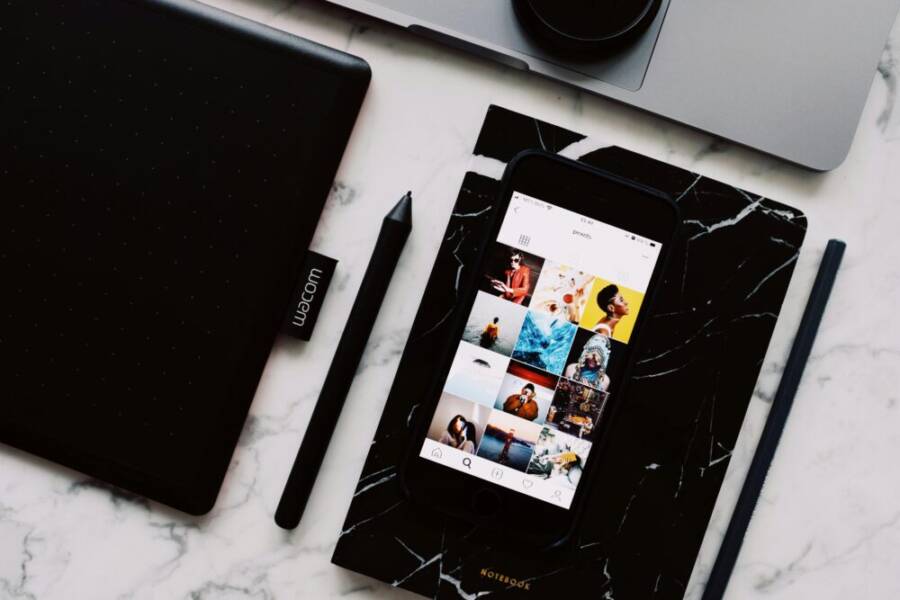
- A clean, organized photo library layout on a mobile screen (if available):
Photo by ready made
External links for further context on organization and workflow:
- Efficient ways to organize digital photos, including practical steps you can apply today: 3 Easy Ways to Organize Your Digital Photos
- Apple and Android users alike can benefit from practical strategies for photo cleanup and archiving: Your Phone’s Camera Roll Is a Mess. Here’s How to Clean It Up
What to watch for next
- When you’re shopping for a new device, check how well its photo apps handle large libraries. A fast catalog, quick previews, and stable RAW processing matter more than a single fancy feature.
- Ensure your backup plan supports large RAW files and long-term storage without recurring bottlenecks.
- Test your workflow with a real day in the life. The fastest way to know if a system works is to run a typical shoot end-to-end, from import to final archive.
External reading to broaden perspective:
- A broader look at top camera phones and their real-world performance, useful for comparing multi-lens setups: The Best Camera Phones We’ve Tested for 2025
Your next move
- Map your current library into a simple folder and tagging scheme. If it feels chaotic, start with a project-based structure and expand later.
- Try a two-step editing routine: non-destructive edits on RAWs, then export a consistently styled gallery version for easy sharing.
Images and references help readers visualize a strong workflow, and the practical steps here aim to keep thousands of photos under control without slowing you down. By building a solid backup plan and a straightforward organizing system, you can focus on capturing moments rather than managing files.
Conclusion
Choosing the right smartphone for thousands of photos comes down to matching storage, battery life, and on-device processing to your shooting rhythm. Prioritize ample built-in storage and robust cloud options so backups don’t slow you down, and test battery life in real-world daylong shoots to avoid mid session drops. For editors on the move, a smartphone with strong RAM and fast processing keeps your workflow smooth from capture to final export. The best pick is the one that fits how you shoot, how you backup, and how you edit, so take time to test storage capacity, endurance, and editing flow before you commit.
He Was Drowning in Bills and Burnout Until a Simple Daily Ritual Rewired His Brain for Wealth in Less Than a Week
>>> Start Your Shift Today <<<
