Thousands of People Were Struggling With Money Until They Discovered This One Ancient Secret Hidden in Sound
>>> Unlock It Now <<<

A minimalist phone setup lets creators capture, edit, and publish with fewer taps and fewer distractions. This guide shows how to strip life down to the essentials while keeping your workflow smooth and reliable. If you want faster captures and cleaner edits, you’ll want a plan that fits your content goals.
We’ll start with choosing a device that fits your style, then design a home screen and a simple shoot to publish workflow that keeps you in the creative flow. You’ll see how to balance power with simplicity, so your smartphone becomes a focused tool rather than a source of clutter.
Finally, we’ll share practical tips to maintain the setup over time. From app choices to screen layouts and routine checks, these moves help you stay consistently productive. This approach keeps your attention on your craft, not on managing a crowded phone.
Why a minimalist phone setup helps creators
A clean, purpose-driven phone setup frees you from constant toggling and decision fatigue. When your device supports your workflow rather than distracts from it, you move from reactive tasks to intentional creation. This section explains why stripping down your smartphone interface and app catalog can boost consistency, speed, and quality in your content. You’ll learn practical changes you can implement today, plus quick references to trusted reads that back up the approach.
Thousands of People Were Struggling With Money Until They Discovered This One Ancient Secret Hidden in Sound
>>> Unlock It Now <<<
There Is a Frequency That the Wealthiest Families Have Used for Generations and Most People Will Never Know It Exists
>>> Open the Door <<<

Clarity and focus
A cluttered home screen is a constant visual reminder of the choices you could make, not the ones you should. For creators, that translates into wasted seconds each time you decide which app to open, where to store footage, or which editing tool to use. A minimal setup reduces this mental overhead, letting you dive straight into filming, editing, and posting.
- Clean home screen, clean mind: When your primary tools live in a predictable place, you spend less time searching and more time creating.
- Fewer apps, fewer prompts: By limiting apps to essentials, you cut down on distractions and the urge to multitask. This keeps you in a flow state during shoots and edits.
- Consistent habits: A lean setup supports repeatable processes. When you know exactly where to launch the camera, where to save files, and which editing path to take, your work becomes more reliable.
Adopting a minimalist approach can also help with long-term focus. It reduces the friction that comes with constant social notifications, updates, and background noise. If you want a deeper understanding of how digital minimalism affects mental clarity, see credible insights from researchers and practitioners who study decision fatigue and well-being. For practical ideas on building a calmer phone home screen, this guide offers useful tips and examples that apply to both iPhone and Android users. https://www.quietscreens.com/letters/minimalist-phone-home-screen-how-to-create-a-clean-calm-setup
When you keep only the essential tools at hand, your brain can focus on the task at hand rather than surface-level friction. This is especially important when you’re filming in rapid-fire environments, like a busy street or a bustling studio. You’ll notice fewer hesitations, smoother transitions between shots, and a more consistent aesthetic across all your posts. The payoff is simple: more time in the creative zone and less time managing the device.
For creators who document the process, a minimal setup also clarifies your on-camera presence. You’re less likely to fumble or overthink the next step, because your workflow is predictable. In turn, your audience experiences a tighter, more confident voice across videos and captions. If you’re curious about how digital discipline translates to better attention and fewer distractions, a growing body of research supports the idea that reducing digital clutter can help protect mental energy. (Further reading is available in the linked resources above.)
To start, audit your current home screen. Move only three or four apps you genuinely rely on for filming, editing, file transfer, and posting. Put them in a single, logical dock or a small grid at the bottom of the screen. The rest can be hidden away in folders or removed. Your future self will thank you for the faster, cleaner access when you’re in the zone.
Faster capture and editing
A minimalist phone setup shines when it comes to speed. The easiest way to shave minutes off your workflow is to streamline the moment you wake the device and the moment you publish.
- Quick camera launch: Configure a fast-access method to open the camera. Some creators prefer a hardware button or a one-tap shortcut from the lock screen. Every extra tap is a hurdle you don’t want when you’re trying to capture a fleeting moment.
- Simplified editing tools: Use a preferred, streamlined editing app and keep its features focused on your signature style. When you train yourself to use a small, stable set of tools, you’ll produce consistent results without re-learning the interface every time.
- Automated workflows: Where possible, automate routine steps like transferring footage to a cloud folder, renaming files with a date-based scheme, or applying a standard color profile. Consistency saves time and helps your content look cohesive across platforms.
A lean approach to capture and edit means you can ride the rhythm of your day. If you frequently shoot in different locations, you’ll benefit from a lightweight, reliable setup that travels well. For those exploring efficient camera strategies, there are practical guides and real-world setups that emphasize quick launches and minimalism. For instance, resources on minimalist filming workflows discuss how to keep only the essential tools close at hand to speed up every stage of content creation. https://www.penbreeze.com/minimalist-video-setup
Beyond speed, a simplified toolset reduces the cognitive load during editing. When you aren’t juggling too many features, you can focus on storytelling and pacing. Short, punchy edits can often outperform longer, overproduced cuts, especially on platforms where attention spans are brief. A clear, concise editing workflow helps you deliver the same quality with fewer decisions, which is exactly what a minimalist phone setup aims to achieve.
To illustrate the effect, imagine this streamlined scenario: you open the camera with a single gesture, record a 60-second clip, drop it into a preselected editing template, apply a consistent color grade, export in the required format, and publish. You’ve cut the overhead and kept your production tight. This approach isn’t about sacrificing quality; it’s about preserving energy for the parts of your work that matter most—creativity, voice, and connection with your audience.
Curated resources on quick camera launches and minimalist workflows can provide additional angles and concrete steps. For example, a concise guide to minimalist video setups shows how to structure your workspace, pick a compact set of tools, and maintain consistency across shoots. [https://jperez.ca/blog/my-minimalist-youtube-setup/]
If you’d like, I can tailor the section to fit specific platforms you publish on or adjust the balance between camera speed and editing depth.
Choosing the right device and mindset
To keep your creator workflow fast and focused, pair a device choice with a mindset that favors simplicity. In this section, you’ll learn two practical paths: using regular smartphones with a clean setup and exploring dedicated minimalist options. Each path helps you reduce friction, speed up capture, and maintain consistency across posts.
Regular smartphones with a clean setup
A tidy home screen acts like a well organized toolkit. Your goal is a single, purpose driven page where the most-used apps sit in easy reach, and everything else stays out of sight. Start by selecting a small set of essential apps that cover capture, editing, and posting. The fewer decisions you face during a shoot, the less you drift from your creative flow.
- Keep the home screen clean and predictable. Put three to four core apps in a bottom dock or a single row at the bottom of the screen. This makes launching the camera, saving files, and publishing a post almost automatic.
- Use a single page. Hide less-used apps in folders or off the home screen entirely. If your device supports an app library or hidden pages, enable them to reduce visual clutter.
- Choose essential capture, editing, and posting apps only. Pick one camera app you trust, one editing tool that fits your style, and one posting or scheduling app. Stick to these for most workflows to avoid re-learning interfaces.
- Optimize for fast access. Set a one tap or hardware button shortcut to your camera, and consider a lock screen gesture to jump straight into recording. Every extra tap drains energy during a moment you want to seize.
- Smart organization tips: group related tools together, label folders clearly, and keep a short, copy-ready caption template in a note app for quick posting. This keeps your attention on the shot, not the setup.
If you want ideas on how to arrange a minimal home screen, there are practical guides that walk through concrete layouts for iPhone and Android. For example, a guide focused on creating a clean, calm home screen offers actionable steps and screenshots you can adapt. See a concise walkthrough here: https://www.quietscreens.com/letters/minimalist-phone-home-screen-how-to-create-a-clean-calm-setup. When you’re ready to explore more, you can also check out practical perspectives on minimalist filming workflows that emphasize keeping only the essential tools close at hand: https://www.penbreeze.com/minimalist-video-setup.
Beyond layout, this approach removes decision fatigue. With a consistent set of tools, you’ll notice faster captures, smoother transitions, and a more cohesive look across posts. If you shoot in varied locations, a simplified app set travels well and remains dependable. A lean system makes it easier to maintain a steady cadence and protect your creative energy.
If you’re curious about how a clean home screen translates into real outcomes, you can audit your current setup and experiment with a three to four app limit. Move them into a simple dock and tuck the rest away. Your future self will thank you for the speed and focus when you’re in the zone.
Dedicated minimalist options
A dedicated minimalist phone takes some of the guesswork away by presenting a simpler, distraction free environment. These devices are designed to limit apps, reduce notification noise, and offer straightforward controls. They can be a great fit if you want a phone that stays out of the way when you’re in the zone, yet still serves as a reliable content creation tool when needed.
- What these phones offer. Expect offline mode, limited app ecosystems, and clear, simple interfaces. These constraints force you to plan ahead, which often leads to more deliberate, higher quality output.
- When it helps a creator. If you travel light, work in noisy environments, or want to curb social media prompts during shoots, a minimalist phone reduces temptations. It also encourages you to script, shoot, and edit in a cohesive rhythm rather than juggling multiple apps mid process.
- Examples to explore. Devices like Mudita Kompakt and similar minimalist options emphasize a focused experience. They can be a compelling choice if you prefer a phone that acts as a tool rather than a hub for endless apps. Learn more about minimalist devices and what they prioritize here: https://store.mudita.com/mudita-kompakt-north-america and a broader comparison of distraction free phones at https://www.vice.com/en/article/best-dumb-phones/. For a quick take on other minimalist options and how they fit creator workflows, see https://nymag.com/strategist/article/minimalist-phone-guide-2025.html.
Choosing a minimalist phone is not about rejecting capability. It’s about alignment: the device supports your workflow without forcing you to fight through it. If you want a practical, low friction path, a dedicated minimalist option can be worth trying for a season. It provides a hard reset on your digital habits and helps you cultivate a disciplined routine that centers on capture, edit, and publish.
If you want to compare more models, a roundup of distraction free devices offers helpful context. It notes how different phones balance usability with restriction, which can guide your testing phase. See the article at https://www.linkedin.com/pulse/best-distraction-free-phones-shako-memon-k91cf. For a broader look at dumbphones and their role in smarter phone use, check https://www.vice.com/en/article/best-dumb-phones/. These sources can help you decide whether a minimalist phone fits your content goals or if a cafeinated regular smartphone with a disciplined setup remains the best path.
In summary, start with the mindset that less can be more. A lean setup, whether on a regular smartphone or a purpose built minimalist device, keeps you in the rhythm of creation. The right choice depends on how you work, not on a trendy label. Try a few approaches, measure the impact on your speed and consistency, and adjust as needed.
External resources and quick reads:
- Clean, calm home screen guide: https://www.quietscreens.com/letters/minimalist-phone-home-screen-how-to-create-a-clean-calm-setup
- Minimalist video workflow reference: https://www.penbreeze.com/minimalist-video-setup
- Minimalist phone options overview: https://store.mudita.com/mudita-kompakt-north-america
- Distraction free phone discussion: https://www.vice.com/en/article/best-dumb-phones/
- Creator perspectives on distraction free devices: https://www.linkedin.com/pulse/best-distraction-free-phones-shako-memon-k91cf
- Additional minimalist phone ideas: https://nymag.com/strategist/article/minimalist-phone-guide-2025.html
If you’d like, I can tailor the section to fit specific platforms you publish on or adjust the balance between camera speed and editing depth.
This section helps creators keep a focused, efficient workflow on a minimalist phone setup. It covers practical apps, quick shortcuts, and simple routines you can adopt today to speed up capturing, editing, and publishing. The goal is to have a reliable, distraction-free toolkit that stays in your pocket rather than slowing you down.
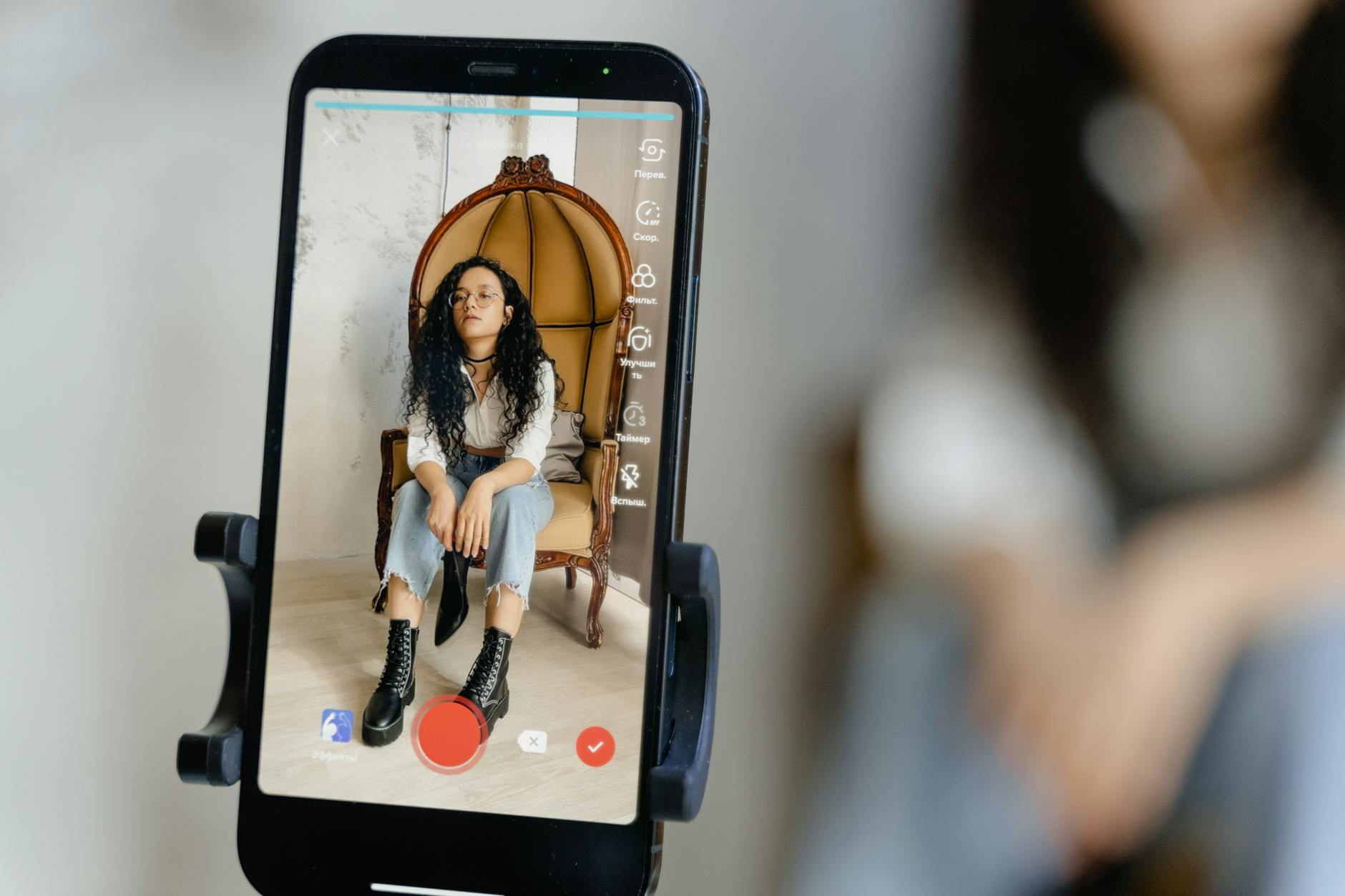
Photo by MART PRODUCTION
Efficient camera and audio workflow
A fast, dependable capture workflow starts with a camera and mic setup you can trust without extra gear. Focus on one camera app you know inside out and a built-in audio option that consistently records clear sound.
- Fast launch and quick access: Set a lock screen gesture or a hardware button to open your camera in one tap. If your phone supports it, enable a continuous video mode from the lock screen so you don’t miss a moment.
- Built-in tools to boost quality: Use native mic enhancement, noise suppression, and automatic level adjustment where available. Pair them with a subtle, consistent audio profile so voice sounds natural across scenes.
- Simple composition rules: Rely on the device’s grid, avoid heavy stabilization tricks, and shoot with adequate lighting. Stability and lighting matter more than elaborate gear.
Practical shortcuts you can adopt now include saving a small set of presets for color, exposure, and white balance that align with your brand. If you want deeper efficiency, use a single editing template for most shoots so your color, crop, and crop scaling stay uniform across posts. For additional guidance on camera launches and minimalist workflows, you can explore these resources:
- Best phone and camera tips for quick, reliable capture
- Quick camera launch techniques for creators
You’ll notice fewer fiddly adjustments and more time in the moment, which keeps your energy focused on storytelling rather than setup. For inspiration on fast, minimalist video workflows, see case studies and quick-start guides from creators who prioritize speed and consistency.
Editing and publishing on the go
Editing on a mobile device should feel light, not overpowering. Choose lightweight editors that align with your style and offer simple publishing paths. Keep the process predictable so you can reproduce it with ease.
- Lightweight editing tools: Pick one or two editors you trust and lean into their most efficient features. Use templates and presets to keep your look consistent.
- Seamless posting workflow: Use apps that publish directly to your platforms or schedule posts in batches. Keep captions, hashtags, and thumbnails ready in advance.
- Quick publishing steps: Import footage, apply a prebuilt template, render in the target format, and publish. If you can automate even part of this, you’ll save precious minutes.
Consider these practical app pairings to streamline editing and posting:
- Lightroom Mobile or Snapseed for fast photo edits, with saved presets to speed up color correction
- CapCut or InShot for quick video edits, using favorites to keep your go-to transitions and effects readily available
- Notion or a dedicated notes app to keep post ideas, captions, and checklists in one place
For further reading on lightweight, reliable mobile editing and publishing tools, check resources that profile efficient workflows and minimal toolkits.
Task management and notes on a single screen
A single-screen approach keeps your day organized from shoot to publish. Use a lean combination of a to-do list and a quick capture notes system that works offline and syncs when you’re connected.
- Easy to-do lists: Choose a simple app with a clean interface and reliable syncing. Create a one-screen workflow where tasks for the day appear in order of priority.
- Quick capture notes: Use a fast-notes tool or a lightweight note app that supports quick voice-to-text notes, checklists, and templates for captions or shot lists.
- Stay organized during shoots: Maintain a short, repeatable pattern for logging takes, ideas, and file names. A consistent naming scheme helps you locate files during post-production.
A practical approach is to start with a single project in your note app and link it to your to-do list. Keep standard templates for shoot day tasks, shot lists, and posting plans. For further ideas on minimalist task management and notes apps that fit creator workflows, you can explore recommended tools and reviews that emphasize speed and clarity.
Images and links are included here to illustrate how a clean, single-screen workflow feels in practice and to provide quick-entry templates you can adapt. For instance, you can read quick-start ideas on minimalist task management and note apps that stay out of your way while you shoot.
- To read more on efficient, distraction-free app ecosystems, look at curated guides to minimalist to-do and note apps
- For an overview of simple, fast capture and logging workflows, explore lightweight toolkits that fit day-long shoots
If you want, I can tailor the section to fit your preferred platforms or adjust the balance between capture speed and post-production depth.
External resources and quick reads:
- Best minimalist approach for camera and audio: https://blog.ipro.cc/best-phone-for-short-form-video-creators/
- Quick-start guide to minimalist video workflows: https://www.penbreeze.com/minimalist-video-setup
- Minimalist phone home screen ideas: https://www.quietscreens.com/letters/minimalist-phone-home-screen-how-to-create-a-clean-calm-setup
If you’d like, I can tailor the section to fit specific platforms you publish on or adjust the balance between camera speed and editing depth.
He Was Drowning in Bills and Burnout Until a Simple Daily Ritual Rewired His Brain for Wealth in Less Than a Week
>>> Start Your Shift Today <<<

A practical, copyable setup you can start today
This section offers a lean, ready-to-use blueprint for creators who want a focused, distraction-free phone workflow. You’ll learn how to configure a one-page home screen, move from capture to publish in five steps, and pick minimal gear that travels well. The ideas here are practical and easy to implement right now, with clear steps you can copy and adapt to your routine.
Home screen layout and widgets
Describe a simple one page layout with essential widgets and a single camera shortcut for fast access.
A clean, one-page home screen keeps your creative brain in the work zone. Start with a bottom dock that holds only three to four core tools: camera, editing, and posting. Everything else sits in folders or on a second page, out of sight but still accessible when you need it.
- Core layout: a single row or dock at the bottom with the camera app, your preferred editor, and your posting/scheduling app. Keep these in the same order every day so you don’t chase icons.
- Essential widgets: add a compact clock, a quick notes widget, and a weather widget only if it helps planning shoots. Avoid cluttering the space with nonessential tools.
- One-tap camera access: set a lock screen gesture or hardware button to launch the camera in one tap. If your device supports it, enable a quick video mode from lock screen.
- Quick capture prompts: keep a small note widget with a few caption templates and hashtags. This speeds up posting without leaving the camera view.
When you want to adjust, do it in small steps. Move only the apps you truly rely on for filming, editing, and posting to the dock. The rest goes into folders. This small shift pays off in seconds saved per shoot and more consistent sound and visuals across posts.
Helpful reads that explore minimalist home screen ideas and widget usage include guides on clean setups for iPhone and Android. See a concise walkthrough here: https://www.quietscreens.com/letters/minimalist-phone-home-screen-how-to-create-a-clean-calm-setup. For a broader look at minimalist filming workflows, you can explore additional perspectives here: https://www.penbreeze.com/minimalist-video-setup.
From capture to publish in five steps
Outline five straightforward steps that cover shooting, light editing, writing captions, scheduling, and posting with cloud backup in mind.
Five concise steps keep your momentum from the moment you lift the phone to the moment it goes live. Each step is designed to minimize decisions and maximize consistency.
- Shoot with purpose: choose a simple framing rule, use natural light when possible, and keep shots short. Let your subject decision drive the shot rather than hunting for gear.
- Light edit on the spot: use a single editing app you trust with a fixed color profile. Apply a small, repeatable adjustment to brightness, contrast, and saturation so your footage feels cohesive.
- Write captions while you edit: draft a caption template in a notes app. Include a hook, a short story beat, and a call to action. Save the template and reuse it.
- Schedule and back up: save a cloud copy of the raw clip and a version you edited. Schedule posts in batches if you publish frequently, so you post consistently even on busy days.
- Post and review: publish at a planned cadence, then review engagement to fine-tune future captions and timing. Use the same workflow to keep results comparable.
To keep things moving, use a single editing template for most shoots. This ensures color, crop, and pacing stay consistent across posts. For quick guides on efficient camera launches and minimalist workflows, check these resources: https://www.simplescrapper.com/2016/10/5-step-photo-workflow-smartphone-scrapbook-page/ and https://www.penbreeze.com/minimalist-video-setup.
Cloud backup is non-negotiable for creators who travel or shoot in busy spaces. A simple rule works: back up every clip to a primary cloud folder within an hour of capture, and keep a local copy until upload completes. This reduces stress if your device fails and ensures you never lose a moment.
A practical example helps illustrate the flow. You capture a 60-second clip, drop it into a prebuilt editing template, apply a consistent color grade, export in the right format, and publish. The overhead is down, and your energy stays on storytelling rather than fiddling with tools.
For a deeper look at quick camera launches and minimalist workflows, explore these quick reads: https://jperez.ca/blog/my-minimalist-youtube-setup/ and https://www.linkedin.com/pulse/best-distraction-free-phones-shako-memon-k91cf.
Low clutter gear and tripod tips
Recommend minimal accessories like a small tripod, a compact mic, and a phone mount that fit a light travel kit.
Minimal gear keeps you agile without weighing you down. Pick a tiny tripod, a compact microphone, and a reliable phone mount that fits in a small pouch. These items should be sufficient for most day-in, day-out shoots and easy to pack when you travel.
- Small tripod: Look for a flexible, lightweight model that stands securely on uneven surfaces and folds compactly. A flexible leg design helps you shoot on stair rails, tables, or risers without extra equipment.
- Compact mic: A lavalier or small shotgun mic that plugs into the phone can dramatically improve audio in noisy environments. If you frequently shoot on the move, a mic with a windscreen saves you from harsh background noise.
- Phone mount: A sturdy mount that grips securely and rotates for vertical and horizontal framing keeps you from juggling devices. A magnetic or quick-release option helps you move between scenes fast.
- Travel kit mindset: Keep gear in a single pouch with a simple checklist. If you know you’ll shoot in a busy street, pre-pack the kit with a charged power bank and spare cables.
If you want a quick sanity check before buying, read up on minimalist video setups that emphasize staying light while keeping the essentials. For more on compact setups and practical gear, see these sources: https://store.mudita.com/mudita-kompakt-north-america and a broader perspective on distraction free phones: https://www.vice.com/en/article/best-dumb-phones/.
Remember, the goal is reliable, expressive output with minimal friction. The right gear should disappear into your workflow, not demand attention.
To help you choose, here are quick comparisons of the core options you might consider: a compact tripod for mobile shoots, a small lav mic for clean audio, and a versatile mount that works in tight spaces. These choices keep you flexible without forcing a heavy bag or a long setup.
If you’d like, I can tailor gear recommendations to your shooting style, location, and the platforms you focus on. The key is simple: pick gear that makes your camera ready to roll in one minute or less.
External resources and quick reads:
- Best minimalist approach for camera and audio: https://blog.ipro.cc/best-phone-for-short-form-video-creators/
- Quick-start guide to minimalist video workflows: https://www.penbreeze.com/minimalist-video-setup
- Minimalist phone home screen ideas: https://www.quietscreens.com/letters/minimalist-phone-home-screen-how-to-create-a-clean-calm-setup
If you’d like, I can tailor the section to fit your preferred platforms or adjust the balance between capture speed and editing depth.
Maintenance, testing, and evolving your setup
Keeping a minimalist phone workflow reliable means treating it like a living system. You’ll need regular maintenance, periodic testing of new tools, and a plan to evolve when your creative needs shift. This section lays out practical habits you can adopt to keep things lean, fast, and future-ready without dragging you into endless tinkering. Expect concrete checklists, clear signals for upgrades, and a quick testing approach that fits a busy creator calendar. And yes, this is where a well-tuned smartphone becomes less of a gadget and more of a tool you trust.
SECTION 0
Weekly checklists for staying lean
A simple, repeatable weekly routine will keep your setup tight. Here’s a compact 3-5 item checklist you can run in under 10 minutes. It’s designed to be easy to follow, so you actually stick with it.
- Review and prune apps: Remove any app you didn’t use in the last seven days. Move essential ones to a dedicated dock and stash the rest in folders. This prevents creeping clutter.
- Clear clutter and duplicates: Delete duplicate photos, unused files, and stale drafts. A quick sweep keeps your media library fast and searchable.
- Tidy home screen and shortcuts: Confirm that your bottom dock holds your three to four core tools. If anything feels awkward or too tucked away, adjust in small steps.
- Check notifications and focus modes: Disable nonessential alerts and verify that your focus or Do Not Disturb settings are aligned with your current shoot schedule.
- Back up and verify: Confirm the latest clips and drafts have a cloud backup. If you maintain local copies, ensure they’re accessible and organized by project.
Practical tips to make this habit stick:
- Use a one-page note to log changes. Include the date, what you removed, and why.
- Set a calendar reminder for the same day each week. A tiny nudge is all you need to maintain momentum.
- Keep a short template for file naming and post captions. When you repeat the format, your process stays fast and predictable.
If you want more structured guidance, digital decluttering checklists offer a thorough framework you can adapt to a creator workflow. A concise weekly routine helps you stay lean without overhauling your entire system every month. See a practical digital decluttering guide for inspiration: https://www.digitalminimalist.com/blog/a-complete-digital-decluttering-checklist
What you gain from this weekly discipline is consistency. Your camera, editing apps, and posting tools stay sharp because you’re not letting old habits creep in. The result is fewer surprises on shoot day and more energy for storytelling.
SECTION 1
When to upgrade or switch tools
A minimalist setup thrives on signal over noise. Knowing when to upgrade or switch tools is essential to staying productive without wasting time. Here are clear signs that it’s time to refresh devices or apps, plus a fast method to test new options before you commit.
- Performance drift: If your device or apps start lagging during captures or edits, or if updates introduce more friction than value, consider an upgrade.
- Battery and storage constraints: When you consistently run out of storage or battery life disrupts your process, it’s time to reassess. A small, targeted upgrade can reclaim significant time.
- Incompatibility with new formats: If your workflow needs new codecs, resolutions, or features that your current setup cannot handle smoothly, testing a fresh option makes sense.
- Reliability gaps: Recurrent crashes, failed exports, or inconsistent color rendering are red flags. Stability matters more than new features.
- Shifting platform requirements: If your go-to apps drop support for your OS version or hardware, plan a controlled switch to compatible tools.
A quick method to test new options before full-swapping:
- Create a parallel test setup: On a spare device or a dedicated profile, install the candidate app or tool and run a single, representative workflow end-to-end.
- Measure core metrics: Time to launch, time to complete a typical edit, export speed, and perceived stability. Note any deviations from your baseline.
- Compare results against your baseline: If the new option offers clear wins in speed, reliability, or quality without introducing new friction, proceed to a limited pilot.
- Pilot in real projects: Use the new tool for one project or a specific episode, while keeping your primary workflow intact in parallel.
- Decide with a clear rule: If the new option improves at least two out of three metrics (speed, reliability, quality) and doesn’t complicate your process, transition gradually. If not, discard and move on.
If you want to see how other creators approach this, explore insights on testing mobile tools and managing minimal workflows. For a guided look at evaluating mobile apps and workflows, check: https://www.kameleoon.com/blog/6-practical-tips-getting-started-mobile-app-testing
When upgrading or switching, aim for incremental changes you can revert if needed. A single, well-chosen improvement is easier to absorb than a wholesale rework. And remember, a minimalist setup isn’t about chasing the latest gear. It’s about preserving focus, speed, and consistency in your unique creative voice.
Helpful context on choosing distraction free devices and how they fit creator workflows can guide your testing phase. See perspectives on distraction free devices and their fit for creators here: https://www.linkedin.com/pulse/best-distraction-free-phones-shako-memon-k91cf
If you’re curious about a broader view on minimalist tech upgrades, the following resource offers practical comparisons and test approaches: https://nymag.com/strategist/article/minimalist-phone-guide-2025.html
Bottom line: upgrade when you gain measurable, meaningful improvements without adding friction. Test with a controlled, time-limited approach so you can keep momentum even during a transition.
Mini-case example to imagine the flow: you’re filming in a busy cafe and notice your current camera app lags when applying color grades. You test a leaner editing path with a different app on a separate profile, capturing a quick clip to compare export times and color fidelity. If the new option proves faster and more stable, you can shift your primary workflow over in a staged move. If not, you know to stay the course with your existing setup.
External reads that offer balanced takes on upgrading or switching tools in minimalist setups:
- A complete approach to mobile app testing and rollout: https://sandra-parker.medium.com/a-complete-guide-to-mobile-app-testing-terms-phases-costs-more-3c1bc787a26b
- Practical tips for starting mobile app testing: https://www.kameleoon.com/blog/6-practical-tips-getting-started-mobile-app-testing
- Full guide on testing mobile apps for better reliability: https://www.numi.tech/post/testing-mobile-applications
For creators who want to keep a strict, low-friction standard, a staged upgrade path helps you avoid downtime. You’ll keep your core workflow stable while testing and verifying improvements in smaller, controlled steps. If you want, I can tailor upgrade criteria to your platforms, shooting environments, and posting cadence.
This approach keeps your setup aligned with your evolving needs. The right upgrade path supports speed, reliability, and a consistent voice across your content. If you’d like, I can tailor the upgrade testing approach to the exact apps and devices you use, ensuring the method fits your calendar and platform mix.
External reads for quick testing methodologies and rollout planning:
- A complete guide to mobile app testing: https://sandra-parker.medium.com/a-complete-guide-to-mobile-app-testing-terms-phases-costs-more-3c1bc787a26b
- Getting started with mobile app testing: https://www.kameleoon.com/blog/6-practical-tips-getting-started-mobile-app-testing
This section helps you maintain a focused, efficient workflow. The goal is to keep the toolbox lean while staying ready to adapt when a genuine improvement presents itself.
Conclusion
A minimalist phone setup helps creators work faster, stay consistent, and tell stronger stories. By removing clutter and sticking to core tools, you gain focus, smoother shoots, and cleaner edits that feel deliberate. Try a 30 day minimalist approach with your smartphone and measure the impact on speed, quality, and energy. Share your tips and experiences in the comments so we can all learn what works best in real life.
There Is a Frequency That the Wealthiest Families Have Used for Generations and Most People Will Never Know It Exists
>>> Open the Door <<<