
Thousands of People Were Struggling With Money Until They Discovered This One Ancient Secret Hidden in Sound
>>> Unlock It Now <<<

Coding on your phone has never been more practical. With busy schedules and constant travel, learning to code in small, real moments is now within reach. This post breaks down the best apps that turn your smartphone into a learning hub you can actually rely on.
You don’t need fancy equipment to start. The top apps offer free lessons, bite sized exercises, and interactive coding challenges that fit into a commute or lunch break. As you peek at tiny screens, you’ll build confidence with every mini project and instant feedback loop.
Why mobile learning works for beginners is simple. You get regular, low pressure practice, plus reminders that keep you moving forward. The tools are designed to be approachable for absolute beginners, with clear explanations and visual examples that make abstract ideas concrete.
These apps also scale with you. Start with the basics like syntax and control flow, then advance to problem solving, data structures, and even small projects that you can ship right from your phone. The flexibility to learn anywhere means consistency becomes your habit, not a chore.
What If the Only Thing Between You and the Life You Deserve Is a Hidden Wealth Code Waiting to Be Activated
>>> Open the Door <<<

For those curious about the market, coding skills are in high demand and expanding across industries. Your smartphone becomes a practical stepping stone to a future where more tasks can be automated or enhanced with code. It’s a simple way to begin building a portfolio and confidence at the same time.
If you’re ready to choose, you’ll find free options that cover fundamentals, practice with real time feedback, and track your progress. In a few weeks, you’ll notice how small daily wins compound into real skills. The journey starts with one tap on your smartphone.
Why Learn Coding Right on Your Phone
Learning to code on a phone isn’t a gimmick. It’s a practical approach that fits real life—whether you’re commuting, traveling, or grabbing a quick lunch break. Your palm-sized device becomes a portable classroom, a sandbox, and a tiny portfolio builder all in one. In this section, you’ll see why coding on your smartphone makes sense, what you gain, and how to start right away.
 Photo by Ron Lach
Accessibility and consistency
Coding on a smartphone lowers the barrier to entry. You don’t need a high-powered laptop or a dedicated workstation. With a phone, you can practice during a short ride, a line at the coffee shop, or a quiet moment before bed. The touch interface helps you experiment with syntax and logic in small, repeatable bursts. The key is consistency: a few focused minutes every day beat a long, sporadic session. If you can squeeze in a daily bite of code, you’ll see progress faster than you expect.
- Short lessons fit into busy schedules
- Instant feedback from interactive exercises
- Portable learning without setup hassles
Mobile learning thrives on quick wins. When you complete a micro-project on a commute or lunch break, you build momentum. Those small victories add up to real competence over weeks.
Real-world relevance and motivation
On a phone, you can link learning directly to what you do every day. You can automate repetitive tasks, analyze personal data, or prototype small tools that solve real problems. This practical angle keeps motivation high. Instead of abstract theory, you’re building something you can use, share, or ship.
- Create a tiny calculator or to-do app
- Automate data collection from chats or emails
- Experiment with APIs and web services on the go
If you want more inspiration, see how others describe mobile coding as a flexible path to upskilling and career growth. For example, many learners highlight the convenience and adaptability of mobile-first approaches in their journey toward more ambitious projects and job opportunities. Can you learn to code on your phone?
Low-pressure learning that sticks
Mobile coding keeps the pressure low. You’re not staring at a daunting screen for hours; you’re solving compact problems and getting immediate feedback. This approach reduces burnout and makes the process enjoyable. The result is a steadier climb from basics to more complex concepts like data structures and algorithms.
- Bite-sized challenges reinforce memory
- Clear explanations with visual aids
- A gentle ramp from syntax to problem solving
A common concern is the thought that you need a powerful device to learn. The truth is that guided, well-structured apps optimize the limited screen space and still deliver meaningful outcomes. If you stay consistent, your progress compounds, even in small doses.
Affordability and inclusivity
Phone-based learning is accessible to a wide audience. Many high-quality apps offer free or low-cost basics, with optional paid tiers for deeper courses. This creates an inclusive pathway for students, professionals, and hobbyists who want to test the waters without a big upfront investment.
- Free entry points to fundamentals
- Flexible pricing that scales with your goals
- The ability to learn anywhere, anytime
For readers curious about the broader message, there are discussions about the advantages of mobile learning and how it fits into a modern upskilling strategy. Explore perspectives like the practical advantages described in discussions about mobile coding and learning on smartphones. The Advantages of Learning to Code on Your Phone
Building a foundation that travels with you
Smartphones travel with you, and so can your learning plan. A mobile-first approach helps you practice consistently, even during short gaps in your day. Over time, these tiny investments yield a robust foundation in:
- Logic, control flow, and basic syntax
- Problem solving and debugging strategies
- Lightweight project development and iteration
As you advance, your on-device experiments can scale to more ambitious goals, including small apps or automation tasks you can share with friends or colleagues.
Practical tips to get started today
- Pick a single goal for your first week, like building a weather app or a unit converter.
- Schedule 15 minutes daily for practice, preferably at the same time.
- Use a single, reliable code editor with offline support to avoid distractions.
- Track progress with simple milestones, not just hours spent.
If you want to explore broader viewpoints on mobile learning, you can read more about beginner experiences and practical steps on mobile coding journeys. For additional context, you may find insights on how people approach mobile learning and why it works well for beginners. What are the best things I can do on my phone to learn coding?
A quick note on how much time people actually spend with phones
Recent trends show adults in the United States spend a significant portion of their day on smartphones. This reality makes the mobile learning path even more compelling. Rather than viewing phone time as a distraction, you can reframe it as a portable classroom. By turning idle moments into study time, you transform your phone into a powerful learning tool. It is not about replacing traditional study but about making learning more accessible and consistent in a busy life.
- Average daily smartphone usage is substantial, with many users spending several hours per day across apps and services
- This pattern supports the idea that learning on a phone can be integrated into daily routines without extra friction
- The right apps can channel that time into productive coding practice rather than passive scrolling
For those who want a broader look at the time they spend on their devices, you can review recent data on daily usage trends and the kinds of activities people engage in. This context helps you design a mobile learning habit that fits naturally into your day. Average Daily Smartphone Usage for US Adults
—
By embracing coding on your phone, you unlock a portable, practical, and affordable path to skill building. It starts with small steps, done consistently, and it can grow into real projects you’re proud to share.
Top Apps for Coding Beginners
Learning to code on your phone can be a surprisingly effective way to build fundamentals in small, consistent bursts. The apps below are friendly to absolute beginners, offer free core content, and provide quick feedback that helps you stay motivated on the go. Each option combines bite-sized lessons with practical practice, so you can turn daily commutes or lunches into a productive coding session.
 Photo by Andrey Matveev
Grasshopper: Fun Puzzles to Learn JavaScript
Grasshopper presents JavaScript basics through game-like lessons that feel more like a puzzle than a lesson. The interface is clean and simple, making it approachable for first-time coders who want quick wins without setup hurdles. The app focuses on foundational JavaScript concepts, which makes it a natural starting point before moving to more complex languages.
- Pros: Short sessions that fit into a busy day, immediate feedback after each puzzle, great for reinforcing syntax and logic without feeling overwhelmed.
- Cons: Limited to JavaScript, so learners may want to pair it with other apps to explore other languages.
Grasshopper has earned solid feedback from educators and learners who appreciate its clear progression and approachable challenges. It’s a strong starter because you can complete a handful of puzzles during a short break and feel accomplished. If you’re curious about how Grasshopper fits into a broader beginner journey, you can see a range of perspectives in reviews such as Grasshopper: Learn to Code Review for Teachers and community discussions like an honest take on Grasshopper. For a professional view, a concise overview highlights that Grasshopper is ideal for beginners, not for advanced topics. You can read more at Grasshopper App Review.
Practical tips to maximize Grasshopper on a smartphone:
- Complete a daily puzzle set to build a habit; aim for 5–10 minutes per session.
- Note down a couple of new terms after each puzzle to reinforce memory.
- Use the challenges as a springboard to write small scripts in another app later.
SoloLearn: Gamified Lessons in Many Languages
SoloLearn turns coding into a social, gamified experience. It covers many languages, including Python, JavaScript, Java, and more, with bite-sized lessons and hands-on practice. The platform supports an AI-assisted learning path, sandbox coding, and quizzes that let you experiment without the fear of breaking something in a real project.
- Pros: Broad language coverage, active community chat for motivation, structured lessons that build from basics to more advanced topics.
- Cons: Some advanced content requires a paid tier; the free plan may feel limited over time for more ambitious learners.
As you progress, SoloLearn’s daily streaks and community interactions help you stay engaged. Real-world stories from users often highlight how the app kept them moving when motivation dipped. For more context on user experiences, explore discussions like An honest review of SoloLearn so far and official listings such as SoloLearn on the App Store. Trustpilot reviews also reflect how learners value the accessible interface and practical practice, with comments like “Sololearn is a great product” and “an easy to use platform” in their feedback.
Getting more out of SoloLearn:
- Pick a language you’re curious about and complete the beginner path first.
- Use the sandbox feature to test ideas from the lessons in a safe, editable environment.
- Track your progress across languages to see how your fundamentals transfer.
Mimo: Quick Daily Bites with Certificates
Mimo focuses on delivering concise daily lessons across Python, HTML, SQL, and more. It’s built to help you assemble a portfolio by completing projects you can showcase. The app’s cadence is ideal for smartphone-based learning, offering practical exercises that translate into real-world results.
- Pros: Short, practical projects that you can add to a personal portfolio; good for forming a habit with daily practice.
- Cons: Some content requires a premium subscription to unlock the full library; level of depth varies by topic.
Mimo shines on iOS with a strong emphasis on habit formation and tangible outcomes. If your goal is to build a small, demonstrable set of skills, Mimo’s project-based approach pairs well with quick daily sessions. To see how people view Mimo in practice, you can check user experiences and ratings on platform pages and reviews that discuss how certificates accompany completed modules.
Tips to get the most from Mimo:
- Start with a “daily bite” routine, then gradually increase the project scope as your confidence grows.
- Build a simple portfolio piece after every 7–10 days to show tangible progress.
- Use the certificate prompts as motivation to finish a course and share your new credential.
Useful links to learn more about each app’s strengths and how other beginners have benefited can be found in the sources above. A quick read on how these apps fit into a beginner’s toolkit can help you decide which path to follow first.
Additional practical ideas for mobile coding on the go:
- Pair any app with a lightweight code editor for offline practice.
- Schedule a fixed 15-minute window daily to avoid intimidation from longer sessions.
- Use a simple project idea you care about, like a personal budget calculator or a to-do list, to maintain momentum.
If you want to compare more options, you can explore discussions and reviews that weigh pros and cons of popular beginner apps, such as Grasshopper and SoloLearn, along with broader app roundups and user feedback threads. For a broader view on mobile learning, you might find insightful analyses in various community discussions and reviews linked above.
Apps for Deeper Skills and Specific Needs
If you want to level up beyond the basics, these apps dive deeper into particular languages and learning formats. They’re built to push your understanding with structured challenges, real-world tasks, and mentorship features. You’ll find options that emphasize Python, Java, JavaScript, and full-stack concepts, all optimized for mobile practice.
Programming Hero: Story-Driven Challenges
Programming Hero blends narrative elements with hands-on coding tasks, making learning feel like a game you actually want to win. The interface is engaging and accessible, turning lessons into story-driven quests that motivate you to push through tough topics. AI aids provide hints when you get stuck, keeping momentum without breaking your flow.
This app lets you build small projects directly in Python and JavaScript, so you can see tangible results as you learn. The approach suits learners who crave creativity and a kid-friendly vibe while still presenting serious concepts like data structures and problem solving. It’s not perfect; occasional bugs can interrupt a workout, but the overall experience remains motivating and approachable.
- Pros: creative, kid-friendly approach; steady project momentum; AI-assisted hints.
- Cons: some bugs and minor UI quirks; depth can vary by topic.
Rating: 4.6
Explore more about Programming Hero through reviews and official listings:
- Programming Hero on Apple App Store
- Programming Hero on Google Play
- Community discussions and quick takes on Programming Hero
Image: a smartphone screen showing a playful code challenge with a story prompt. Photo by Ron Lach (Pexels) — https://www.pexels.com/@ron-lach
He Was Drowning in Bills and Burnout Until a Simple Daily Ritual Rewired His Brain for Wealth in Less Than a Week
>>> Start Your Shift Today <<<

Links to learn more:
- Programming Hero: Coding Fun – App Store
- Programming Hero: Coding Fun – Google Play
- What users think about Programming Hero on Reddit
Encode: Free Real-World Python and More
Encode focuses on practical coding tasks you can complete at your own pace. It offers self-paced tasks with examples in Python, Swift, and JavaScript, giving you a broad view of how different languages solve common problems. The app supports a 4.6 rating, with strong basics and zero upfront cost, making it a strong starter for full-stack curiosity.
What stands out is its balance between accessibility and practicality. You’ll get bite-sized lessons that translate into real-world scenarios, such as building lightweight scripts or small web components. The trade-off is depth; some topics don’t dive as deeply as more specialized platforms, but the foundational skills you gain are solid.
- Pros: zero cost; solid basics; cross-language exposure.
- Cons: shallower in-depth topics; best as a stepping stone to more advanced courses.
Rating: 4.6
Dive deeper with Encode via these sources:
- Encode on Apple App Store
- Encode on Google Play
- Community feedback and discussion threads about Encode
Image: a user-friendly mobile editor showing Python code in a compact layout. Photo by Andrey Matveev — https://www.pexels.com/@an_drey
Links to learn more:
- Encode: Learn to Code – Apple App Store
- Just released Encode Learn to Code – Reddit discussion
- Encode on Google Play
CodeGym: Deep Java Practice on Android
CodeGym targets Java learners who want serious, project-oriented practice on Android. It emphasizes a robust set of tasks—about 1200 in total—paired with mentor help and frequent quizzes. The 4.7 rating reflects a well-structured path for learners who love Java and want clear milestones.
Focus areas include core Java fundamentals, object-oriented design, and practical coding challenges that simulate real programming tasks. The main limitation is platform focus; Android is the primary environment, and the content centers on Java. If you’re a Java enthusiast, CodeGym offers a proven recipe to deepen understanding and sharpen coding habits.
- Pros: highly structured, mentor-supported; extensive task library; good for building Java confidence.
- Cons: Android-only; language scope is Java-centric.
Rating: 4.7
Learn more about CodeGym and related Java resources:
- CodeGym on Android App
- Java-focused coding reviews and community discussions
- Java practice and mentoring discussions for mobile learners
Image: a phone screen with Java code examples and exercise prompts. Photo by Karub — https://www.pexels.com/@karub
In practice, these apps stack well for learners who want depth in a specific language or a guided, mentor-backed path. If your goal is to master Java for Android or build a strong Python foundation with real-world applications, you’ll find clear value in these focused options. You can pair them with supplementary resources to broaden or deepen your understanding as needed.
- For Java enthusiasts: CodeGym provides structure and mentorship.
- For Python and multi-language exposure: Encode offers beginner-friendly problems and cross-language practice.
- For a story-driven, engaging approach: Programming Hero makes practice feel like a meaningful quest.
External resources and reviews can help you decide which path best fits your current goals:
- Apple App Store and Google Play listings for each app
- Community discussions and reviews on Reddit and education-focused sites
Images are included to illustrate the mobile coding experience in action, with captions noting the source credit.
Notes on how to get the most from these apps:
- Start with the planned beginner path if available, then branch into your language of choice.
- Use mentor and community features to stay accountable and get feedback.
- Schedule short, regular sessions to build consistency and momentum.
If you’re evaluating options for deeper skills on the go, consider how each app fits your preferred learning style. Do you benefit from structured quizzes, or do you prefer hands-on projects that you can showcase later? The right mix often combines two or more apps to cover both depth and practical application.
There Is a Frequency That the Wealthiest Families Have Used for Generations and Most People Will Never Know It Exists
>>> Open the Door <<<

Images in this section are drawn from Pexels to reflect authentic mobile coding scenarios. When you choose an app, keep a simple goal in mind for the first week, then expand as your confidence grows.
Scratch: Drag-and-Drop Games and Stories
Scratch makes block-based coding approachable for kids through playful, visual projects. It’s ideal for teaching logic, basic animations, and storytelling without typing syntax. The free Scratch app and its engaging interface help children snap together commands to control characters, create interactive stories, and build simple games. It’s especially friendly for beginners who benefit from immediate, tangible results on a small screen.
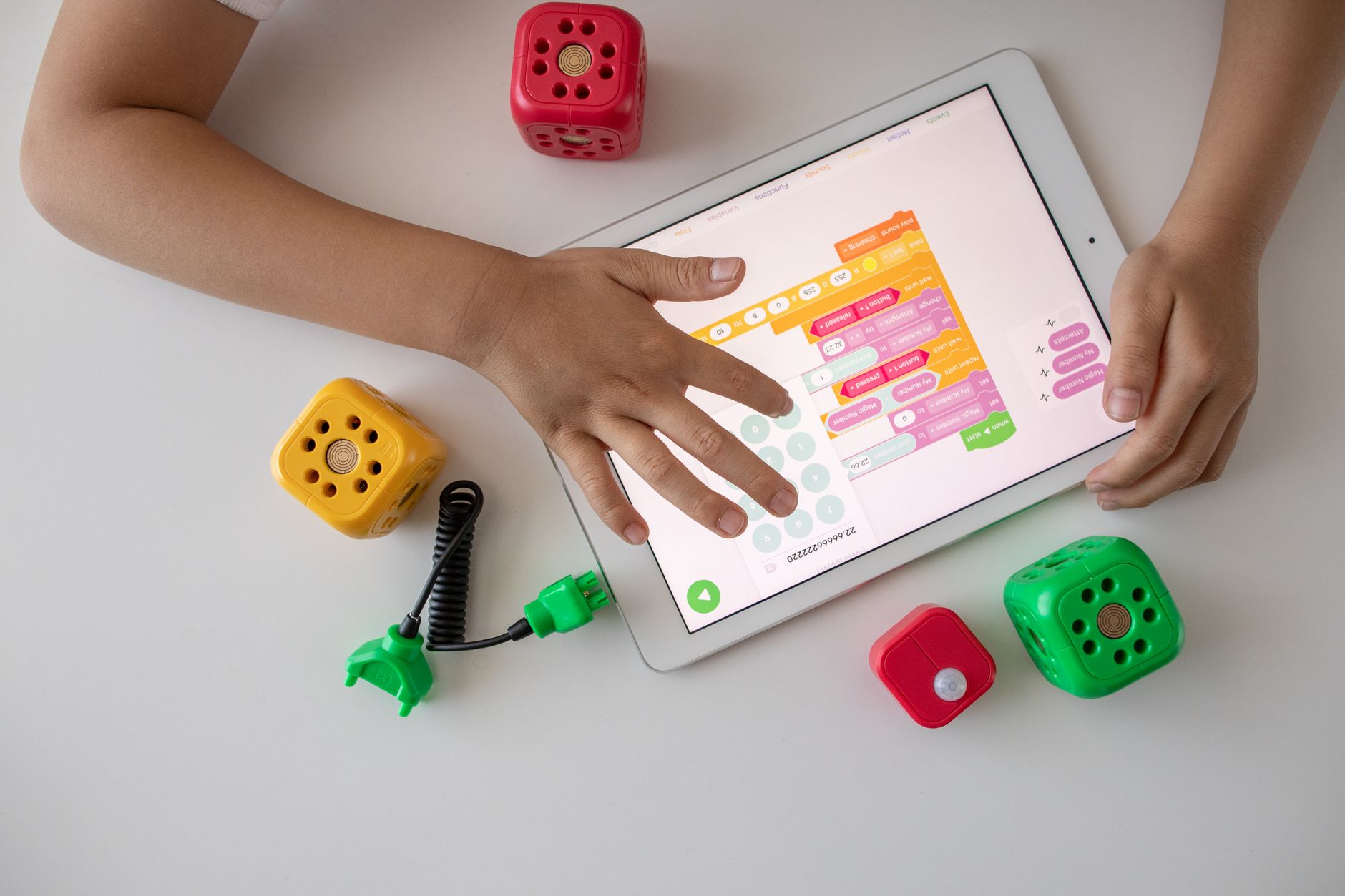 Photo by Robo Wunderkind
What it delivers
- Block-based logic for core concepts: Students learn sequences, loops, conditions, and events by arranging puzzle-like blocks. This hands-on approach cements cause-and-effect thinking—no code syntax to memorize.
- Animation and storytelling skills: Animations, characters, and scenes come to life as projects, helping kids see how decisions influence outcomes. It’s a friendly way to introduce computational thinking through narratives.
- Creative output in a shareable format: Projects can be saved and shared with peers or family, turning learning into a portfolio of tiny, delightful achievements. This visibility keeps motivation high.
Pros and cons at a glance
- Pros: Visual, intuitive, and highly engaging; great for early readers and pre-cautious learners; encourages experimentation with immediate feedback.
- Cons: Not text-based; limits on more advanced topics unless you move to the desktop web version or later Scratch platforms; mobile experiences can feel compact compared to desktop.
Ratings and accessibility
- Scratch is widely praised for its accessibility and kid-friendly design. On mobile, it works well for beginners who want quick wins in short sessions. The platform is free and supports a gradual learning path from simple stories to more complex games. For parents and teachers weighing its fit, reviews highlight how Scratch fosters creativity while building foundational skills.
Tips for parents and beginners
- Start with a simple story or game idea your child loves, like a character that greets them or a tiny memory game.
- Keep sessions short. A few 10-minute runs can deliver meaningful progress without fatigue.
- Use the mobile app to draft, then switch to a browser on a larger screen for more ambitious projects.
- Encourage kids to explain what their blocks do. This reinforces learning and communication.
Getting started and next steps
- If you’re new to Scratch, begin with ScratchJr for younger kids to learn basic sequencing. When your child is ready, move to Scratch for more complex projects. Both apps emphasize hands-on exploration over lecturing.
- Explore the Scratch ecosystem to see what others create and gather ideas for your child’s first projects.
Where to learn more
- Scratch on Google Play
- Scratch on the App Store
- Scratch community and educator perspectives
External resources and reviews can help you decide how to pair Scratch with other tools in your child’s learning path. For a balanced view, consider teacher-focused reviews and parent discussions that weigh the ease of use against the depth of learning. Scratch – Apps on Google Play | Scratch – App Store
Tips for a smooth transition between devices: start projects on the phone during a commute, then finalize and expand on a desktop or tablet later. This keeps momentum without overwhelming your child with too many features at once.
External links you might find helpful as you compare options: see how Scratch is perceived by educators and families, and how it fits into a broader coding toolkit for kids. Scratch Review for Teachers | Scratch Review on Common Sense Education
Choose Your App and Get Started Fast
Picking the right coding app is the quickest path from curiosity to momentum. In this section, you’ll learn how to choose an app that fits your goals, your language of interest, and the way you like to learn on the go. The right start matters because mobile learning should feel simple, enjoyable, and productive from day one.
 Photo by ready made
Define your learning goal first
Before you open an app, ask yourself what you want to achieve. Is your aim to pick up Python basics for data tasks, learn JavaScript for tiny web apps, or understand Java for Android development? Your destination shapes the best starting point. If you’re not sure, start with a language that has broad, practical use and friendly community support. Grasshopper and SoloLearn are popular for beginners because they offer quick wins and clear progress tracks.
- Short-term goal: complete a 5-day starter path
- Mid-term goal: build a small project you can show
- Long-term goal: gain confidence to move to full-stack topics
When you know where you’re headed, you can choose an app that pushes you toward that outcome without clutter. For a broad beginner track, consider apps that cover multiple languages and provide a guided path. If you want a single language focus, pick apps that deeply explore that language and offer mentorship or quizzes to reinforce learning.
Match the language ecosystem to your appetite
Different apps shine with different languages. If you’re drawn to a hands-on, visual approach, you might enjoy block-based or puzzle-driven learning first, then transition to text-based coding. If you’re curious about web basics, HTML, CSS, and JavaScript paths pair well with lightweight project work. For Android developers, Java or Kotlin tracks with practical exercises deliver the most value.
- For JavaScript beginners: look for apps that emphasize syntax, control flow, and small projects
- For Python starters: choose apps that balance explanations with real-world scripts
- For multi-language exposure: pick platforms that let you switch between languages without friction
In addition to the language, verify whether the app supports offline practice. A strong offline mode lets you learn during commutes or flights, when signals are spotty. This is where a robust code editor inside the app becomes a real advantage.
Start with a starter bundle, not a marathon
The fastest path to “getting started fast” is to pick one starter path and complete it before testing others. Many apps offer beginner tracks that progress from fundamentals to small projects in a few days. SoloLearn, Grasshopper, and Mimo are examples where you can complete a short, structured sequence and gain tangible results quickly.
- Grasshopper: JavaScript basics through bite-sized puzzles
- SoloLearn: language variety with guided basics and quizzes
- Mimo: daily bites across several topics with project-based outcomes
If you prefer a more narrative or gamified approach, Programming Hero offers story-driven challenges that can accelerate motivation while building real code. It’s a good option if you enjoy a playful environment but still want substantive learning progress.
Evaluate the app’s learning experience, not just the content
A great mobile learning app balances content with usability. Look for:
- Clear explanations that match your level
- Short, focused activities you can finish in 5–15 minutes
- Instant feedback and helpful hints when you’re stuck
- A clean editor that feels natural on a small screen
- A visible progress path and achievable milestones
A strong starter experience also includes community or mentor support. Some apps offer chat groups or peer feedback, which can help you stay accountable and understand concepts from different angles.
Try a starter path, then broaden your toolkit
Once you complete a beginner track, you’ll have a better sense of which app vibes align with your style. If you enjoy a puzzle-like approach, Grasshopper might be your go-to for day-to-day practice. If you want broader language coverage and social features, SoloLearn can keep you engaged as you branch into new topics. And if you value quick, project-based outcomes, Mimo provides practical builds you can showcase.
- Grasshopper helps you build a solid JavaScript foundation quickly
- SoloLearn encourages cross-language exploration with an active community
- Mimo emphasizes portfolio-ready projects and daily habit formation
External resources can help you compare options and confirm you’re choosing the right path. For example, you can read reviews that compare Grasshopper and SoloLearn, or explore roundups that evaluate multiple beginner apps. Grasshopper app reviews and community discussions offer useful perspectives on its beginner-friendly design, while SoloLearn’s official listings and user feedback highlight its breadth and social features.
- Grasshopper app review
- SoloLearn app and user reviews
Create a simple starter plan you can keep
A practical starter plan keeps you moving without burnout. Here’s a simple framework you can adapt:
- Week 1: Pick one app and complete the primary beginner path
- Week 2: Add one small project that uses what you learned
- Week 3: Explore a second language path or a different app
- Week 4: Build a tiny, real project you can show a friend
- Short, consistent sessions beat long, sporadic bouts
- Track progress with small milestones, not hours logged
- Pair learning with a lightweight editor for offline practice
A quick note on choosing apps for future growth
If you want depth in a single language, CodeGym offers structured Java practice with mentors, though it’s Android-focused. For Python and multi-language exposure, Encode provides accessible problems and cross-language tasks. If you crave a story-driven learning path, Programming Hero can be especially motivating. Use these signals to pick one starter app now, then layer in others later as your goals evolve.
- For Java heavy journeys: CodeGym
- For broad language exposure: Encode
- For a narrative-driven approach: Programming Hero
Quick-start checklist
- Decide your primary language or goal
- Choose one starter path and complete it
- Ensure the app supports offline practice
- Schedule daily 10–15 minute sessions
- Record your progress and plan a mini project
If you want more hands-on guidance, you can explore what others say about mobile coding strategies and learn how people tailor a beginner path to their daily routines. For example, discussions about mobile learning habits offer practical tips on staying consistent and turning small sessions into real skills. What are the best things I can do on my phone to learn coding?
Images and other media can help you visualize how to get started. A quick glance at a well-designed app screen can reinforce how much you can accomplish in 10 minutes. When you’re ready to explore more, you can review app listings and community feedback to see how the beginner paths compare in practice and which one seems best for your daily routine.
External links you might find helpful as you compare options
- Grasshopper app review and teacher resources
- SoloLearn app listings and user feedback
By being intentional about your first choice and keeping the plan lean, you’ll unlock momentum fast. The best app is the one you actually use daily, not the one you read about the most. Start with a single path, then expand as you gain confidence and clarity in what you want to accomplish with code on the go.
Conclusion
If you want to turn daily moments into real coding progress, start with one proven app. SoloLearn and Grasshopper stand out for quick wins, clear paths, and broad language coverage, while Mimo offers steady daily momentum and tangible projects. Pick one that fits your goal—web basics, JavaScript, or Java—and commit to a 10 to 15 minute daily practice. In a few weeks you’ll see noticeable skill gains, from syntax accuracy to small, sharable projects that prove your progress. Tell us how you’re getting on in the comments and share a screenshot or a brief note about your first mini project. Your smartphone can be the doorway to steady improvement, so start today and build momentum you can carry forward.
He Was Drowning in Bills and Burnout Until a Simple Daily Ritual Rewired His Brain for Wealth in Less Than a Week
>>> Start Your Shift Today <<<