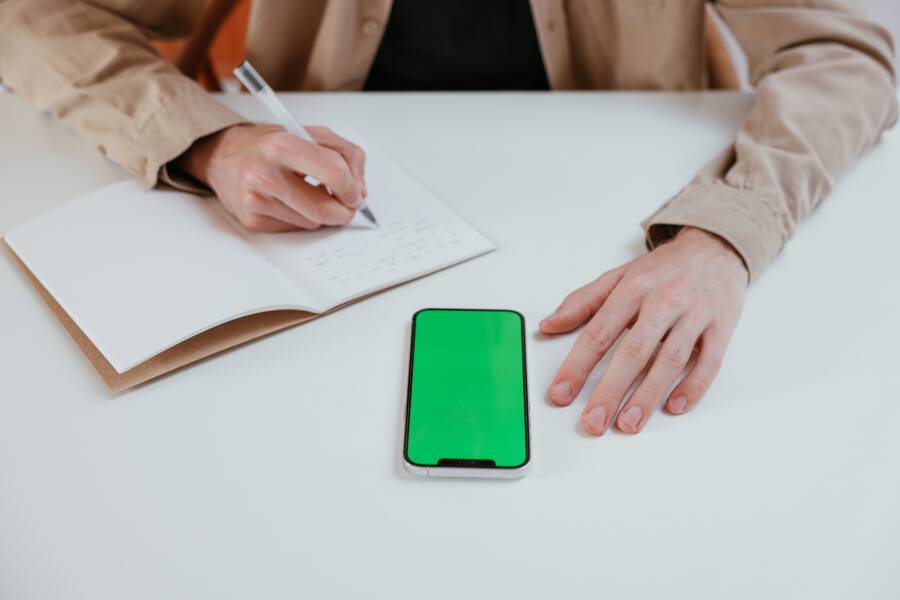
To create a daily plan in three minutes on your smartphone, you must focus only on your three most important tasks. Open your preferred note app or calendar, list these priorities, and set a single reminder for your most difficult objective.
Many busy professionals avoid planning because they believe it requires an hour of reflection. This mistake keeps you reactive instead of productive. Even a quick, imperfect list gives your day structure, reduces decision fatigue, and ensures you make progress on what matters.
A brief plan is always better than no plan at all. Use these steps to build your daily schedule before you leave your commute or finish your first cup of coffee.
Why Your Smartphone is the Best Tool for Daily Planning
Your smartphone is the most effective planning tool because it remains within arm’s reach throughout your entire day. Unlike paper planners that you might leave at your desk or complex software that demands a desktop computer, your mobile device stays with you in every environment. This constant proximity allows you to manage your agenda during small gaps in your schedule. When you rely on a device that is always in your pocket, planning stops being a chore and becomes a natural part of your movement.
Leveraging Digital Accessibility
The primary advantage of a mobile device is its ability to capture thoughts the moment they occur. Memory is notoriously unreliable, and the time between thinking of a task and sitting down to write it down is when most ideas vanish. By using your smartphone, you reduce the duration between intention and action to mere seconds. You can dictate a task while walking to your car or type a reminder while waiting in line for coffee.
This instant capture prevents the mental clutter that happens when you try to hold multiple commitments in your head. When you record a task, your brain releases the effort required to remember it, which lowers your stress and improves your focus. Most modern devices include built-in voice assistants or widgets that allow for one-tap entry. Use these features to offload your mental load immediately. By keeping your tasks in one place, you gain a clear view of your obligations without needing to search through sticky notes or scattered scraps of paper.
Reducing Friction with Minimalist Habits
Planning fails when it feels like a heavy administrative burden. The concept of low friction suggests that the easier a task is to start, the more likely you are to actually do it. Keeping your daily plan under three minutes is the secret to building long-term consistency. When you commit to a three-minute limit, you force yourself to prioritize only the essential goals, which prevents the overwhelm that leads to abandonment of your planning system.
Minimalism in your daily plan means ignoring non-essential details. You do not need to color-code your calendar or log every minor movement to be productive. Instead, focus on these three simple actions to maintain your momentum:
- Identify your three most important goals for the day.
- Enter these specific items into your mobile app or calendar.
- Set a single, time-sensitive alert for your most demanding objective.
When you finish your plan in under three minutes, you preserve your energy for the work itself. This habit creates a feedback loop where you see success every morning, which motivates you to continue the practice. A light, fast planning routine keeps you on track without the exhaustion that comes from over-managing your schedule. Because your smartphone handles the syncing and notification tasks automatically, you get the structure you need with minimal manual input.
The Simple Steps to Building a Plan in Three Minutes
Efficiency starts with clarity. You do not need complex software or hours of reflection to manage your day. A smartphone is sufficient to capture your objectives and maintain focus. By limiting your planning to three minutes, you stop overthinking and start working. Follow this process to organize your priorities before your morning routine concludes.
Focusing on Your Top Three Priorities
The rule of three is a simple strategy for managing your daily output. It requires you to select exactly three high-impact tasks to finish before the day ends. Many people fail because they create massive to-do lists that trigger anxiety rather than action. When your list contains ten or twenty items, your brain struggles to identify where to start. This leads to decision fatigue or the choice to avoid the list entirely.
Focusing on three items forces you to rank your responsibilities. You must distinguish between urgent requests and tasks that move you toward your long-term goals. If you choose more than three, you lose the benefit of deep work. It becomes harder to say no to distractions when your list is already overflowing.
Keep your daily plan narrow to ensure you actually finish it. Achieving three meaningful goals creates a sense of success that carries over into the next day. This rhythm builds momentum and proves that your daily plan is a tool for progress instead of a source of guilt.
Using Voice Input to Save Time
Your smartphone is a powerful tool for recording information when you are on the move. Typing tasks on a glass screen takes time and introduces friction into your planning process. You can skip the keyboard entirely by using the voice-to-text features built into your device. Most modern operating systems include a microphone icon within their note and calendar apps.
Dictation is often faster than typing because it keeps pace with how you think. You can list your three priorities while walking to your car or preparing your morning coffee. This method reduces the gap between identifying a task and adding it to your schedule.
Voice input also captures the specific language you use, which often makes your tasks feel more urgent or clear. After dictating your list, take five seconds to review the text for accuracy before you save it. By integrating this habit into your morning, you eliminate the excuse of not having enough time to prepare. Your phone becomes a reliable partner for your output instead of a barrier to your efficiency.
Comparing Methods: Phone Apps versus Traditional Paper Planners
Choosing between a smartphone app and a paper planner depends on how you work best. Paper planners provide a tactile experience that helps some people memorize their tasks through the physical act of writing. However, they lack the automated features that make managing a schedule efficient. A smartphone offers instant alerts, quick edits, and the ability to carry your entire year of plans in your pocket. Because your phone is always with you, it serves as a central hub for your productivity.
The Advantage of Syncing Across Devices
Your smartphone acts as a bridge between your various workspaces. When you add a task on your phone, it updates on your laptop or tablet immediately. This connectivity removes the risk of arriving at a meeting or a cafe without your agenda. You no longer need to carry a heavy physical planner or worry about losing a loose sheet of paper.
Syncing keeps your information current regardless of which screen you view. If you update a deadline on your desktop while working, your smartphone sends a notification to your pocket before you leave the office. This transition between devices happens automatically. You avoid the manual effort of rewriting tasks across different notebooks.
Consider how this improves your workflow:
- Real-time updates: Changes made on one device appear on others instantly.
- Unified data: You access the same list from a phone, a tablet, or a browser.
- Backup reliability: Your data stays stored in the cloud if you lose your mobile device.
Having your plan accessible on your smartphone means you stay prepared in any environment. You gain confidence knowing that your next steps exist in the cloud. Even if you switch from your primary laptop to a phone, your priorities remain visible and organized. This constant access keeps you focused on your goals without the friction of checking multiple locations for your schedule.
Common Pitfalls When Planning on a Smartphone
Planning your day on a smartphone is fast, yet common errors often derail your efforts. Many people fall into the trap of over-planning by listing every minor chore, which leads to immediate burnout. Others try to organize their schedule in a noisy environment where they lose focus halfway through the process. Your mobile device acts as a gateway to your daily tasks, but it also invites constant interruptions if you don’t manage it correctly.
Staying Focused Without Getting Distracted
Distractions destroy your planning time before it even begins. You might open a task app only to see a notification from social media or a flood of new emails. This shift in attention breaks your flow and makes the quick three-minute planning window feel impossible to maintain.
Use these tactics to protect your focus while you organize your day:
- Turn on Do Not Disturb mode before opening your planning app to block incoming alerts.
- Set app limits on distracting social media or news platforms to keep your attention on your to-do list.
- Use a dedicated widget on your home screen so you can log tasks without opening your mail or browser apps.
- Keep your phone in a clean state by clearing old notifications before you start your morning routine.
If you don’t block notifications, every buzz from your smartphone serves as a reminder of external demands rather than your personal goals. By silencing these alerts, you reclaim your mental space. This simple choice allows you to complete your plan in three minutes without getting caught in a cycle of reacting to others.
You should also designate a specific time for planning, such as right after you wake up or when you first arrive at your office. Consistency turns this three-minute act into a habit that requires little willpower. When you remove the option to scroll through feeds, your smartphone becomes a dedicated tool for structure instead of a source of stress.
Conclusion
Productivity relies on your ability to stay consistent rather than your success at building complex systems. A simple plan created in three minutes carries more weight than an elaborate agenda that takes an hour to organize.
You already possess the tool you need in your pocket. Open your preferred note app on your smartphone right now to record your three primary goals for the next day. This minor habit prevents decision fatigue and keeps your priorities clear.
Start your first three-minute plan tomorrow morning before you leave your house.