She Pressed Play on a Strange Audio Track and Within Days Her Financial Reality Started Shifting in Ways She Could Not Explain
>>> See How It Works <<<

Table tennis demands quick reflexes, precise footwork, and compact bursts of power. Building fitness specifically for these needs helps you move faster, stay balanced during rapid exchanges, and finish points with authority. This guide highlights practical exercises you can add to your training plan to boost speed, balance, and power without turning your routine into a long grind. Clear, actionable drills, plus a sample weekly plan, will help you chase measurable gains.
Table tennis fitness matters because speed and control don’t live in the arms alone. Your legs and core set the pace and stability you feel at the table. With better movement efficiency, you’ll reach more balls, recover faster after rallies, and place your shots with more confidence. The goal is steady progress, not overnight magic. A focused program pays off in consistent, high quality rallies.
Warm-up and mobility for fast, precise play
A sharp start is built in the first 10 minutes of every session. A good warm-up primes joints, activates the core, and tunes your proprioception so your footwork feels natural, not forced.
- Dynamic leg swings to wake the hips
- Ankle circles and light hops to prepare the feet
- Hip openers and thoracic twists to free the spine
- Shoulder circles and arm swings to prepare the racket shoulder
- Scapular pushups to engage the upper back
- Gentle mobility flows that mimic short sprints and lunges
Start with 5 minutes of light cardio, then add 10 minutes of mobility and activation work. Finish with 2 sets of 6–8 footwork shuffles to transition from warm-up to play.
What If the Only Thing Between You and the Life You Deserve Is a Hidden Wealth Code Waiting to Be Activated
>>> Open the Door <<<

[Image inserted here]
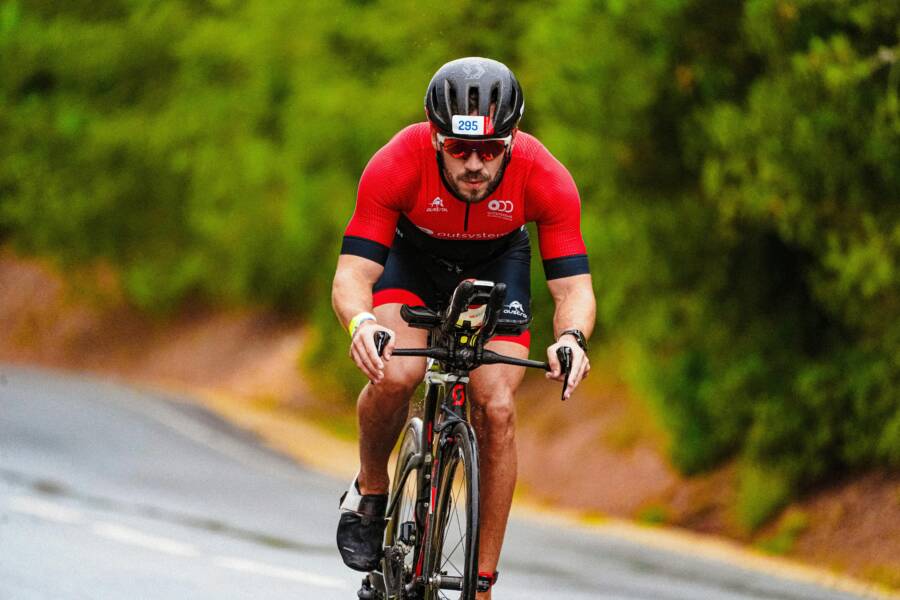
Photo by Sascha Düser
Speed training tailored for table tennis
Speed in table tennis isn’t only raw sprinting. It’s the ability to reach the ball quickly, adjust midflight, and return to position fast enough to attack again.
- On-court shadow play: Move as if you’re rallying, focusing on short, explosive steps. Alternate between forehand and backhand reaches to build multi-directional speed.
- Ladder drills: Use simple footwork ladders to improve foot quickness and timing. Do 2–3 rounds, emphasizing light, precise steps.
- Reaction drills: A partner randomly feeds balls or uses a ball machine; your goal is to split-second decide which direction to move and plant your feet cleanly.
- Short sprints with recovery: 6–8 sets of 10–15 meters, with full recovery. This trains explosive start speed without grinding your legs.
- Plyometric steps: Robotic quick steps in place, fast step-ins and outs that mimic the sprint to a ball.
How to approach it: keep sessions crisp and focused. Quality beats quantity here. If your form slips, cut the drill short and reset.
Balance and footwork: the pillars of control
Balance is the foundation of rapid play. When you stay centered, you can react to short angles and adjust your stance without overreaching.
- Single-leg stance with light reach: Stand on one foot, reach with the other hand to touch a target, then switch sides. Increase challenge by closing eyes for a few seconds or standing on a soft pad.
- Lateral shuffles with braking: Move sideways in a controlled manner, braking softly before stopping. This builds balance during push and recover motions.
- Frontal squats with pause: Stand in a ready position, squat, pause at the bottom for a second, then rise. This builds stabilizers that protect the knees during fast rallies.
- Stability pad drills: Use a balance pad or a pillow under one foot while performing footwork patterns. Switch feet after a set.
- Multi-directional cone work: Set up cones in a radial pattern and practice quick, small steps to each cone, then recover to center.
Incorporate balance work 2–3 times per week. Pair it with footwork drills so your body learns to stay steady at speed.
Power development for sharp shots
Power lets you finish rallies with aggressive topspins and precise drives. Focus on fast, controlled gains rather than heavy lifting that burdens the joints.
- Squat jumps and box jumps: 3 sets of 6–8 reps. Land softly and maintain good knee alignment.
- Medicine ball throws: Light overhead throws or rotational throws to build trunk power, 3 sets of 8 reps per side.
- Rival push presses with light weights: 3 sets of 8–10 reps. Use a controlled press to protect the shoulder.
- Cable or band chops: Anti-rotation and rotational chops help transfer power from the core to the racket. 3 sets of 12 reps per side.
- Plyo push-ups: If capable, perform multiple explosive push-ups with a quick clap or a small height. Keep reps modest to protect joints.
Tip: power work should feel fast and precise. If you feel strain in the shoulders or knees, reduce load or skip that exercise for the day.
There Is a Frequency That the Wealthiest Families Have Used for Generations and Most People Will Never Know It Exists
>>> Open the Door <<<

He Was Drowning in Bills and Burnout Until a Simple Daily Ritual Rewired His Brain for Wealth in Less Than a Week
>>> Start Your Shift Today <<<

Core and conditioning for stability and endurance
A strong core supports quick changes in direction and stabilizes your stroke. Build a routine that targets all planes of motion and keeps you moving through long matches.
- Planks and side planks with brief holds: 3 sets of 30–60 seconds each.
- Pallof presses: A light resistance band or cable at chest height, pushing outward. Great for anti-rotation control. 3 sets of 10–12 reps per side.
- Farmer carries: Two moderate dumbbells, walk back and forth. Builds grip, core, and overall stamina.
- Dead bugs and glute bridges: 3 sets of 12–15 reps to train coordinating movement and hip hinge.
- Mountain climbers: A quick climb to maintain cardio while staying light on the feet. 3 sets of 20–30 seconds.
Keep core work balanced and avoid long, fatiguing sessions late in the day. Short, tight sessions translate to better table performance.
On-court programming: structuring a practical week
A focused plan helps you see results without overdoing it. Here’s a sample week that keeps training varied and sustainable.
- Monday: Speed and footwork focus with short, sharp drills. 45–60 minutes
- Tuesday: Balance training and mobility, followed by light rallying to apply stability to shot choices. 40–50 minutes
- Thursday: Power development and plyometrics with careful progression. 45 minutes
- Saturday: Core and conditioning plus on-court practice emphasizing placement and timing. 50–65 minutes
- Optional short session on Wednesday or Sunday to maintain consistency if you have time
Progression ideas: increase volume gradually every 3–4 weeks, but keep intensity high for a portion of the session to preserve explosive quality. Listen to your body and back off if you feel joint pain or persistent fatigue.
Nutrition, recovery, and sleep for performance
Fitness gains require recovery as much as hard work. Your body rebuilds during rest, so sleep and nutrition matter.
- Prioritize 7–9 hours of sleep most nights.
- Hydrate consistently, especially after intense sessions.
- Consume a balanced mix of protein, complex carbs, and healthy fats to support muscle repair.
- Include a post-workout snack with protein and carbs to jumpstart recovery.
- If you feel unusually sore, add a light recovery day with mobility and easy cardio.
A simple rule: better recovery boosts your next session. If you miss sleep or skip meals, your gains slow down.
Common mistakes and how to avoid them
- Overemphasizing one aspect: A table tennis fitness plan needs balance across speed, balance, and power. Mix drills to keep all areas fresh.
- Skipping warm-up: Jumping into work without activation leaves you prone to injuries and poor technique.
- Poor form in power work: Sacrificing technique for heaviness can cause injuries. Use proper range of motion and control.
- Ignoring recovery: Skipping rest days and undercutting sleep undermines progress.
A smart approach keeps you progressing without setbacks. Track your sessions, note what worked, and adjust.
Putting it all together
The best training plan for table tennis fitness is simple, targeted, and repeatable. Start with a solid warm-up, then rotate through speed, balance, and power blocks. Add core work and conditioning for resilience. Finish with on-court practice to translate gains into match-ready movement.
A practical mindset helps you stay consistent. Treat each session as a chance to improve, not just a workout. Small, regular improvements compound over weeks and months, producing noticeable gains in how you move and how you play.
Conclusion
Table tennis fitness is not a single skill; it combines speed, balance, and power to elevate your game. A focused routine with dynamic warm-ups, targeted drills, and smart recovery yields real results. You’ll move faster to the ball, stay steadier in the exchanges, and finish rallies with confidence.
Commit to a weekly plan that fits your schedule. Start with 2–3 solid sessions and build from there. As you progress, adjust the drills to match your evolving strengths. The more consistent you are, the more your speed, balance, and power will rise, point by point, rally by rally.
If you’re ready to take your table tennis game to the next level, start today with these moves. Your future self will thank you for the focus and effort.
She Pressed Play on a Strange Audio Track and Within Days Her Financial Reality Started Shifting in Ways She Could Not Explain
>>> See How It Works <<<