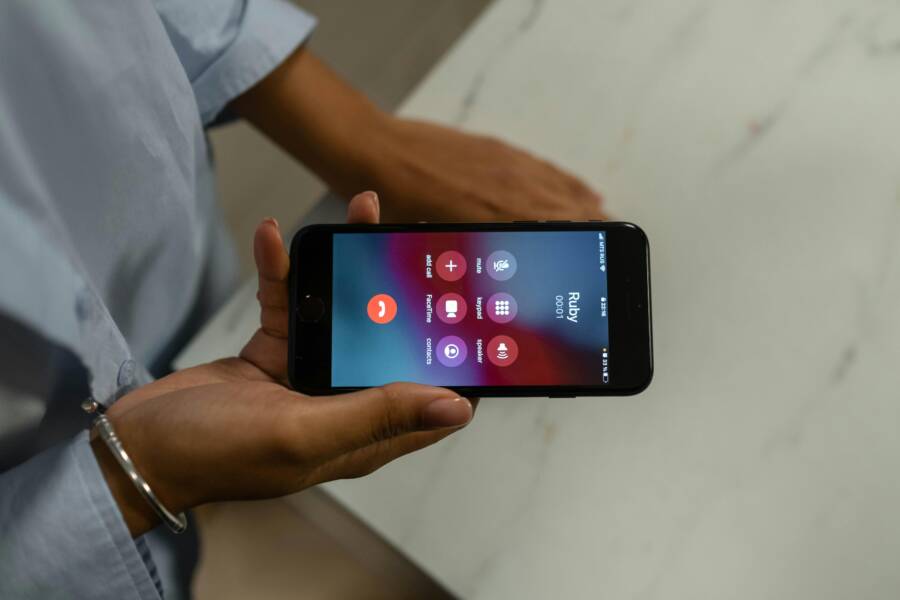
Thousands of People Were Struggling With Money Until They Discovered This One Ancient Secret Hidden in Sound
>>> Unlock It Now <<<

Have you noticed your phone no longer fills the screen when someone calls, leaving a small banner instead of a full image or video? If you miss the instant recognition that came with a big caller photo, you’re not alone. Many recent OS updates and app changes quietly switch this feature off.
In this guide we’ll show you how to get back the full screen caller ID on both Android and iPhone. You’ll learn what full screen caller ID is, why it helps you recognize calls at a glance, and what usually causes it to disappear. You’ll also find practical, step by step instructions for popular Android brands like Samsung Galaxy, Google Pixel, Xiaomi, and OnePlus, plus the iPhone path when needed.
Full screen caller ID makes incoming calls instantly recognizable. A large photo or video of the caller reduces the guesswork when the phone rings, which is especially helpful in busy moments, in the car, or when you’re multitasking. If you frequently juggle many contacts, this small visual cue saves time and reduces missed calls. The catch is that changes to OS versions, default calling apps, or contact photos can erase the feature or revert to a banner view.
Thousands of People Were Struggling With Money Until They Discovered This One Ancient Secret Hidden in Sound
>>> Unlock It Now <<<
This post gives you a clear roadmap. First, you’ll see why the feature changes and when it tends to vanish. Then you’ll find a practical, device specific checklist to restore it. Android users get a brand by brand guide for Samsung Galaxy, Pixel, Xiaomi, and OnePlus, with general options that fit most devices. iPhone users will see what’s possible within iOS and any caveats you should know. Finally, we share quick troubleshooting tips to keep the effect stable after updates.
What If the Only Thing Between You and the Life You Deserve Is a Hidden Wealth Code Waiting to Be Activated
>>> Open the Door <<<

If you’re pressed for time, start here: a quick verification of your current settings and a test call can confirm whether the feature is in place. In most cases you can restore full screen caller ID by adjusting the in call display options, updating or reinstalling the default dialer, and ensuring your contact photos are high resolution. When all else fails, third party caller screen apps offer an alternative, but they require careful permission management and the right default app settings.
By the end of this introduction, you’ll be ready to dive into device specific steps and see your phone return to its recognizable, high contrast caller view. Whether you’re using a well known smartphone or a newer model, the goal is simple: a quick, at a glance identification for every incoming call. If you’re ready, we’ll start with the Android gallery first, then cover iPhone so you can find your path back to effortless call recognition.
Why full screen caller ID can disappear
Full screen caller ID looks like a quick, visual cue that helps you recognize at a glance who’s calling. But between OS updates, app changes, and how a smartphone handles on-screen interruptions, that big display can shrink to a small banner. Below are the common causes you’ll likely run into and simple checks to restore the full screen experience.
Common causes that switch you back to a small caller ID
Many readers report this happens after a few everyday events. A recent OS update can reset display preferences. A new dialer app or a change in contact photo settings can also switch the view. Sometimes, background app behavior or Do Not Disturb modes quietly override the full-screen option. Quick checks:
- Contacts and Photos: verify each contact has a high‑res image sized for full poster display.
- Phone/Dialer settings: look for “Call display” or “Incoming call appearance” and set to Full screen.
- Apps: if a third‑party dialer or caller ID app is installed, test with the stock dialer off to see if the full screen returns. For reference, see guidance on how these settings are treated on different platforms, including iPhone and Android devices.
How OS updates can reset display settings
Major OS updates can revert your call UI to default behavior, moving from full screen back to a banner. After any update, recheck the in‑call display options and reselect Full screen if available. It helps to keep a small reference list of your preferred display option, so you can confirm it quickly after updates. If you don’t see the full screen option, consider visiting the device’s support pages or forums for model‑specific fixes. For additional context on changes that have affected full screen caller ID, see coverage from reputable outlets and user discussions.
Restore on Samsung Galaxy and Google Pixel devices
If you want the incoming call screen to showcase a full screen image or video again, you’re in the right place. This section covers how to restore full screen caller ID on two popular platforms: Samsung Galaxy phones and Google Pixel devices. These quick adjustments are designed to be practical and time-saving, so you can recognize callers at a glance without digging through menus.
Samsung Galaxy: enable full screen via contact photo
Open the Contacts app and select a contact you want to stand out on calls. Tap Edit, then update the profile photo with a high-resolution image that looks good when scaled to full screen. On many Galaxy models, a well-chosen photo displayed on the contact card prompts the in‑call screen to show the full image rather than a banner. After saving, perform a quick test by having a trusted contact call you and confirm the full-screen view. If the option doesn’t appear, check the Phone/dialer settings for a “Call display” or “Incoming call appearance” option and ensure it’s set to Full screen. For further device-specific guidance, Samsung’s support article provides steps to set a picture or video as the call background. https://www.samsung.com/ph/support/mobile-devices/how-to-set-a-picture-or-video-as-the-call-background-on-your-samsung-galaxy-smartphone/ For a quick visual walkthrough, you can also reference tutorial videos that demonstrate the full-screen setup on various Galaxy models. https://www.youtube.com/watch?v=j-KpyQ0dYps
Google Pixel and stock Android: set display to full screen
On Pixel devices, the easiest path is within the Phone app. Open the Phone app, go to Settings, and locate Call display or a similar option labeled for in‑call appearance. Choose Full screen and confirm. This adjustment generally applies to most stock Android phones, including recent Pixels. After saving, test with a call to ensure the full-screen image or card appears as expected. If you don’t see a full-screen choice, consult Pixel help forums or support pages for model-specific notes. For additional context on Pixel calling features, see coverage discussing hidden and enhanced calling options. https://www.computerworld.com/article/1613551/google-pixel-phone-calling-features.html
What to do on other Android phones
If you’re using Android models beyond the big brand names, restoring full screen caller ID still follows a straightforward path. The idea is simple: install a trusted full screen caller ID app, grant the necessary permissions, and set it as the default dialer if the system prompts you. In practice, you’ll want high resolution contact photos for the best effect, and you may need to adjust in-call display options in your phone settings. Below are two focused subsections to guide you quickly, whether you’re on a Xiaomi, OnePlus, or another Android device.
Xiaomi and OnePlus: using a Full Screen Caller ID app
Begin by installing a trusted Full Screen Caller ID app from the Google Play Store. A popular option is the Full Screen Caller ID app that replaces the stock call screen with a full screen image for incoming, outgoing, and missed calls. After installation, grant the app the required permissions—Contacts, Phone, and Storage—to access your contacts and display high‑quality images on calls. Follow the on‑screen prompts to set it as your default dialer if the system asks. For the best results, use high‑definition photos for your most important contacts so the full screen view remains clear when calls come in. If you ever need a reference, see the app’s page: https://play.google.com/store/apps/details?id=com.androminigsm.fscifree&hl=en_US
If you want a quick visual reference, you can also browse the broader ecosystem of full screen caller ID options on Android. Many apps offer similar features, including customizable call screens and HD caller photos, which can be handy if you want to switch between solutions. For a widely used option, check the Google Play listing linked above for features and user reviews. https://play.google.com/store/apps/details?id=com.androminigsm.fscifree&hl=en_US
General tips that apply to most Android devices
To keep full screen caller ID stable across devices, start with fundamental permissions and display settings. Ensure the app has access to Contacts and Phone, and disable any aggressive battery optimization that might kill the app in the background. After installation, run a test call to confirm the full screen appears as intended. Some devices require you to keep the full screen caller ID app as the default dialer to maintain the effect. If you run into issues, revisiting in‑call display options and re‑selecting Full screen can usually fix them. For ongoing guidance on battery optimization for Android devices, see resources like guides for OnePlus and general Android tips: https://dontkillmyapp.com/oneplus
- Grant essential permissions: Contacts, Phone, and Storage.
- Verify in‑call options: look for “Call display” or “Incoming call appearance” and choose Full screen.
- Test with a real call after setup to confirm the effect is active.
If you’d like deeper technical help, there are helpful articles on turning off battery optimizers and ensuring apps stay active in the background. These steps are especially useful after system updates or app updates that reset preferences. For practical steps on your device, see guidance such as how to turn off battery optimizers and related model‑specific tips: https://help.cardata.co/article/175-how-to-turn-off-your-androids-battery-optimizer
Best practices and safety tips
Keeping full screen caller ID reliable requires a mix of solid photo quality, mindful permission handling, and smart device settings. Below you’ll find concise, practical guidelines to maintain a sharp, recognizable caller view across both Android and iPhone. Think of this as your quick-action playbook for trustworthy, persistent results on your smartphone.
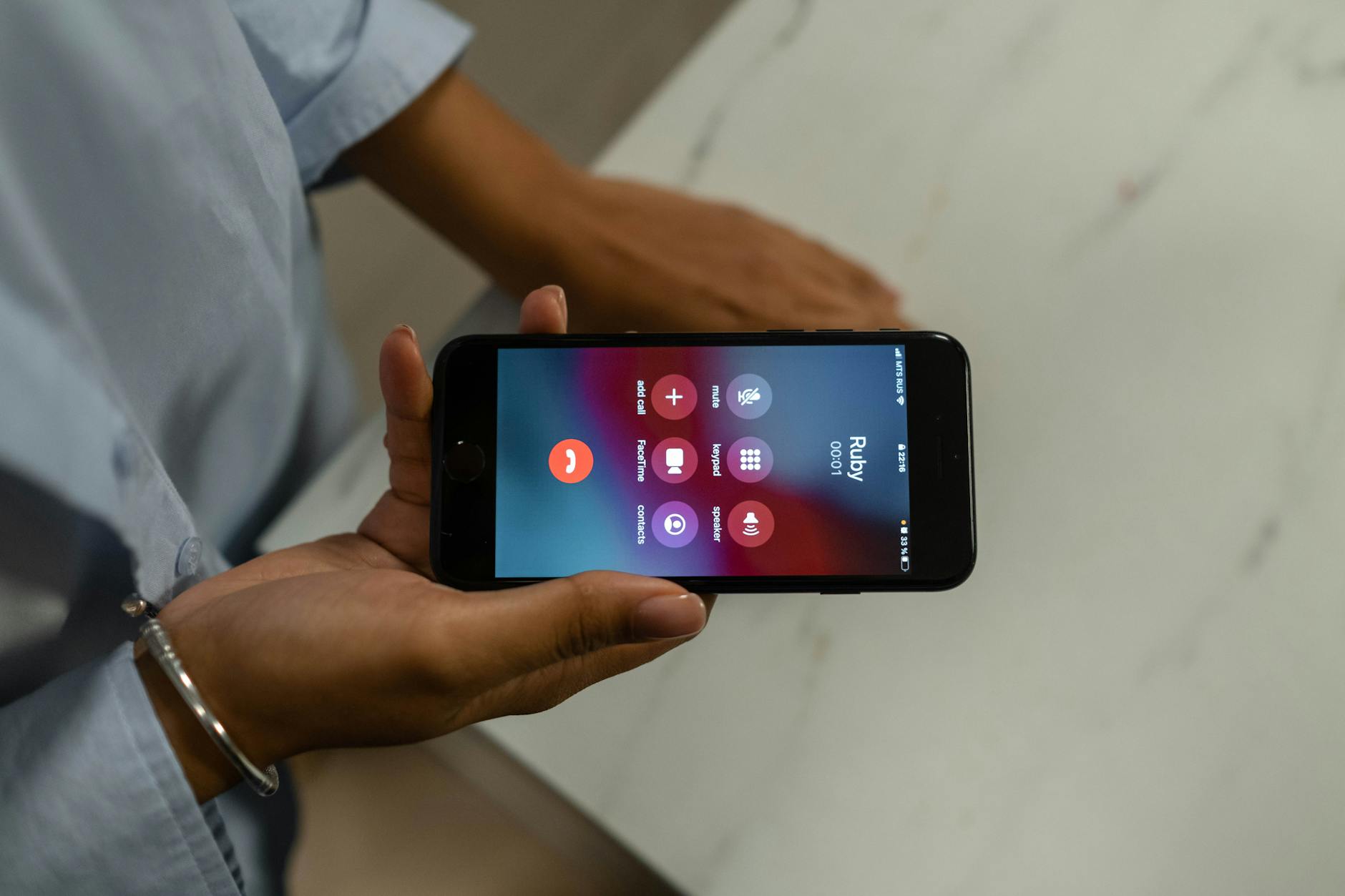 Photo by cottonbro studio
Use high quality contact photos and syncing
Sharp photos make a real difference. When images are clear and well lit, they scale cleanly to full screen without pixelation, so you can identify callers at a glance even in dim lighting. To attach them, open your Contacts app, choose a contact, and replace the thumbnail with a high-resolution headshot or a short video clip that looks good at poster size. For ongoing consistency, keep your photos aligned to the same style or color tone across important contacts. Use cloud backups like Google Contacts or iCloud to keep photos synced across devices, so a change on one device appears everywhere. A uniform look makes recognition instant and reduces search time during busy moments.
Key tip: pick a consistent framing for photos, such as a bright head-and-shoulders shot with a plain background, so names pop when the call screen lights up.
Supportive resources: see how to integrate contact photos across platforms and keep them in sync, so your smartphone stays fresh across devices. Link to related setup guide for cross-platform contact syncing.
What If the Only Thing Between You and the Life You Deserve Is a Hidden Wealth Code Waiting to Be Activated
>>> Open the Door <<<
Check permissions and protect privacy
Before full screen caller ID can work reliably, the app needs the right permissions and a privacy-friendly setup. Core permissions to review are:
- Contacts: access to your address book so the caller ID app can display the correct photo.
- Phone: to detect incoming calls and display the full screen UI.
- Overlay or display: to render the full screen view above other apps.
Review these in Settings under Apps or Privacy, then confirm each permission is allowed for the relevant app. Always install apps from reputable sources, and keep privacy settings in regular checkups. Trustworthy apps will clearly state how they use data and what permissions they require. Regular reviews help you spot unexpected changes after updates. For broader guidance on permissions, see resources from major providers and security specialists.
If you share a device with family, consider enabling privacy controls for sensitive contacts or turning off background access for unknown apps. This reduces the risk of data exposure while preserving the full screen caller ID experience. For more on permissions best practices, explore general Android privacy guidelines and how to manage app access across platforms.
Tip: keep permission prompts simple by granting only what the app truly needs for caller ID functions. When in doubt, err on the side of fewer permissions.
For quick reference on platform differences, review official guidance on Android privacy settings and permission management. Android privacy settings and permissions
Battery, performance, and notification settings
Aggressive battery saver modes can block or fade the full screen caller ID after a period of inactivity. To ensure reliable display, exclude the caller ID app from battery optimizations. On many devices this is found in Settings > Battery > Battery optimization or Special app access. Set the app to “Not optimized” or the equivalent to keep it active in the background. Also confirm that notifications are allowed and that the app is permitted to post on the lock screen and in the notification shade.
After adjusting battery and notification settings, run a test call to verify the full screen view appears as intended. If you notice delays or missing imagery, recheck in‑call display options and ensure the app remains the default dialer where required. On Pixel devices, you’ll often find these controls under the Phone app’s Settings or the device’s general battery settings. For broader context on how Android handles background activity and power management, see guidance on battery optimization across devices. Battery optimization explained
Extra note: keep your phone up to date and monitor app updates. Sometimes a new version resets display choices, so a quick recheck after updates saves headaches. If you’re using a Samsung Galaxy, Pixel, or other popular models, revisit the recommended in-call display options after major OS updates. For model-specific steps, consult official support pages or trusted tutorial videos. For Samsung users, see guidance on adjusting call background settings. Samsung support on call background
In this context, your goal is a reliable, quick visual cue for every incoming call. A few thoughtful checks now prevent misfires later, keeping your smartphone experience smooth and efficient.
iPhone users: what to expect
iPhone users face tighter control over the lock and call screen compared to some Android devices. Apple limits how third party apps can alter the in‑call experience, which means you may not be able to replace the native call UI with a custom full screen by an app. The good news is you can still improve recognition by tuning contact photos, ringtones, and system settings. This section explains what you can expect on iPhone and what adjustments yield real benefits in daily use.
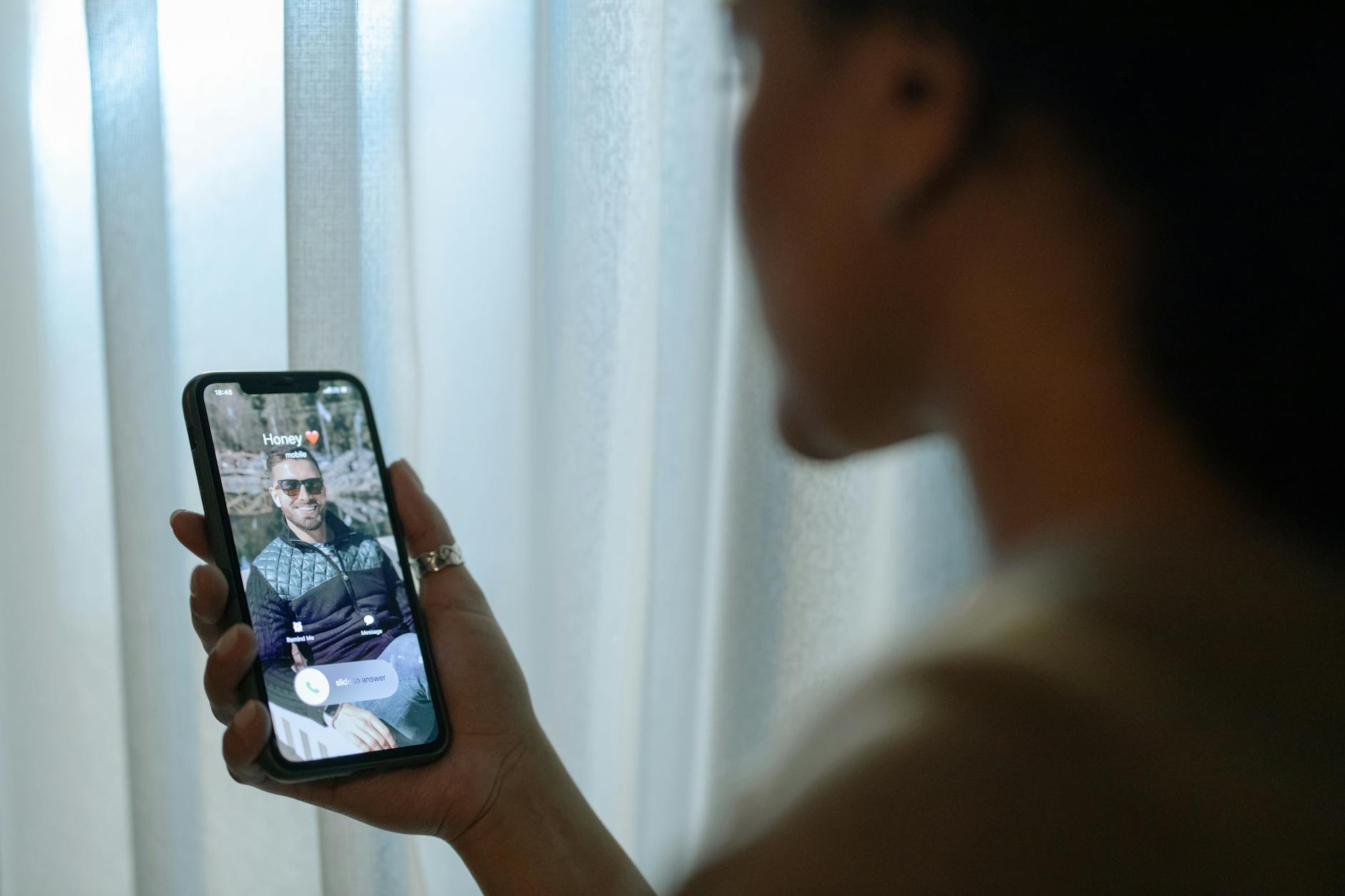 Photo by cottonbro studio
iOS limitations and what you can adjust
Apple’s design philosophy centers on a consistent, distraction-free calling experience. That means third party apps typically cannot replace the call screen or force full screen on all calls. You’ll get the standard full screen effect only when the current configuration allows it and your contacts have well‑presented photos. To optimize recognition, focus on two practical tweaks: high‑quality contact photos and reliable ringtones. Use bright, well‑lit images that look good when scaled to full poster size, and choose distinctive ringtones for frequent callers. If you want more from the visuals, you can explore iOS features for contact photos and call appearance, but know that core changes to the call screen itself are limited. For context on how iPhone handles contact photos on the dialer, you might find practical discussions in expert guides and user forums.
Practical steps for iPhone users today
Start with verification to ensure the full screen shows during an incoming call. Set a high‑resolution photo for your most important contacts and keep images clear and simple for quick recognition. Remember that Focus or Do Not Disturb can affect visibility of the caller image, so review their settings if a call arrives while you’re filtering notifications. To adjust, go to Settings > Focus (or Do Not Disturb) and review which apps or calls are silenced. If Focus is filtering calls from contacts you need to see, disable the relevant focus or add exceptions. Keep test calls handy to confirm the full screen view is active after changes. For additional nuances on iPhone call display behavior, Apple’s support resources cover how to customize your experience within the system.
If you want more customization options
Be honest about what iPhone can deliver. You cannot replace the call screen with a third party app, but you can optimize photo IDs, keep iOS up to date, and watch for new features in future updates. Regularly checking for iOS enhancements ensures you don’t miss an improvement to in‑call visuals. While you wait, rely on high‑quality contact photos and a consistent photo style to maximize recognition during calls. For deeper context on iPhone call display history and potential tweaks, consult reputable tech coverage and official Apple guidance.
External references for iPhone call display nuances:
- How to enable full screen caller ID photos on iPhone?
https://www.youtube.com/watch?v=HWSs9Ufdn6w&vl=en-US - How to configure contact photo size and full screen behavior on iPhone?
https://apple.stackexchange.com/questions/37269/how-can-i-configure-my-iphone-to-show-my-contacts-photos-full-screen-when-they-c - How to get full screen Caller ID on iOS 15?
https://www.tomsguide.com/how-to/how-to-get-full-screen-caller-id-on-ios-15 - Change your Phone settings on iPhone (general guidance)
https://support.apple.com/guide/iphone/change-your-phone-settings-iph6e5e72b79/ios
If you’re curious about how iPhone handles photo display on calls, these resources offer practical explanations and user experiences that align with everyday smartphone usage.
Takeaway: on iPhone, expect a mostly consistent call screen with limited third party customization. Focus on crisp contact photos and reliable ringtones to keep recognition fast and effortless. For readers who want a quick win, setting up top contacts with strong, clear visuals often yields the biggest improvement in at‑a‑glance identification during calls.
Conclusion
Restoring full screen caller ID is possible across most major smartphones, but the path differs by platform. On Galaxy and Pixel devices, native settings do the heavy lifting, so start there before exploring third party options. For a wider range of Androids, a reputable Full Screen Caller ID app can deliver the visuals you want while you keep control over permissions and defaults.
A few quick takeaways to keep you on track:
- Use built in in call display choices on Samsung Galaxy and Google Pixel first.
- If you’re on other Androids, consider a reputable full screen app and make it the default dialer when prompted.
- iPhone users should expect limits. Focus on high quality contact photos and reliable ringtones to boost recognition.
Quick checklist
- Verify contact photos are high resolution and consistently styled.
- Check in call display options and set to Full screen where available.
- Ensure the caller ID app has necessary permissions and isn’t blocked by battery or privacy settings.
- Run a test call after each change to confirm the full screen view.
Looking ahead, keep an eye on OS updates that may reset display choices and revisit the settings after updates. If you find a trick that worked for you, share it in the comments to help others. A clear, fast visual cue on every incoming call makes daily use of your smartphone smoother and less interruptive. What setup finally lands you with reliable full screen caller ID on your device?
He Was Drowning in Bills and Burnout Until a Simple Daily Ritual Rewired His Brain for Wealth in Less Than a Week
>>> Start Your Shift Today <<<
