Thousands of People Were Struggling With Money Until They Discovered This One Ancient Secret Hidden in Sound
>>> Unlock It Now <<<

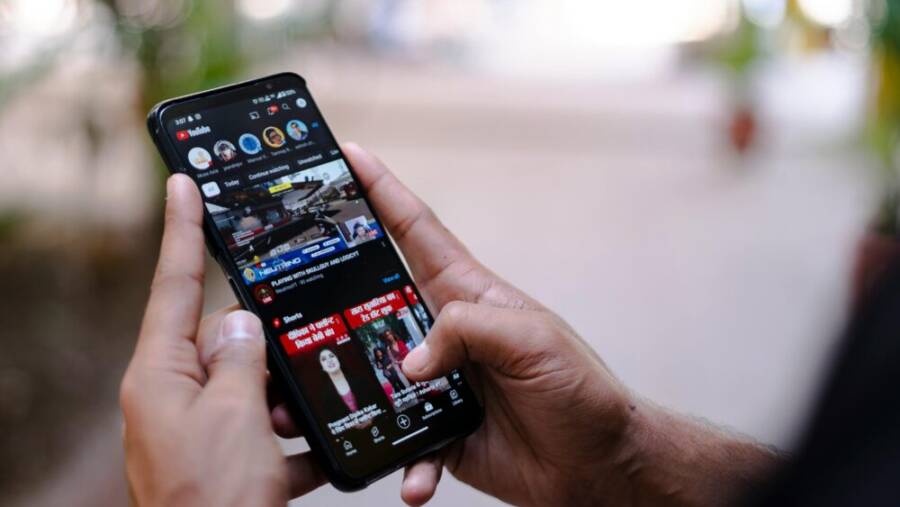
Managing a YouTube channel from a single device is easier than you think. With the YouTube Studio app and the YouTube mobile app, you can upload, edit, analyze, and interact with your audience on the go. This intro shows how a smartphone can handle the core tasks that keep a channel growing.
From quick uploads to precise metadata, you can publish with confidence and adjust titles, thumbnails, and descriptions right from your phone. Real time analytics, audience insights, and comment management are accessible anytime, helping you stay agile without being tied to a computer.
As mobile tools evolve, features like AI-assisted editing, live streaming from phones, and streamlined workflows are becoming the norm. This guide walks you through a practical, end-to-end mobile workflow for uploading, editing, analytics, community management, and security, all on one device. Remember, your smartphone can be the control center for a thriving channel.
Edit and optimize video content using mobile tools
Working on your YouTube content from a phone is more capable than you might think. Today’s mobile tools let you trim, arrange clips, add music, and apply effects without returning to a desktop. This section breaks down practical ways to edit and optimize video content on the go, with a focus on built-in features, AI-assisted options, and quick polish for thumbnails and metadata. If you’re aiming for faster turnaround without sacrificing quality, these mobile capabilities are your friend.
He Was Drowning in Bills and Burnout Until a Simple Daily Ritual Rewired His Brain for Wealth in Less Than a Week
>>> Start Your Shift Today <<<

In-app editing features and AI helpers
Your phone opens a compact, capable editing suite right where you shoot. Expect to find:
- Trimming and cutting: Remove unwanted moments quickly to tighten pacing. The goal is a clean, engaging narrative from opening frame to call to action.
- Music and sound effects: Add licensed music or ambient tracks to set the mood. Keep volume levels balanced so dialogue stays clear.
- Visual effects and transitions: Simple transitions help keep the flow smooth between clips without distracting the viewer.
- AI-assisted cuts and suggestions: AI can propose clip splits, highlight performance moments, or suggest faster cuts to improve pace.
YouTube’s own mobile ecosystem includes tools inside the YouTube Studio app and related creation apps. For example, you can perform basic edits directly in the app to trim, cut, or adjust visuals, and you can incorporate audio from the platform’s library. Note that not every feature is available in every region or app version, so you may encounter limitations depending on your device and app updates. For a quick reference, see YouTube Help on editing inside the app. Edit Video in the APP – YouTube Help
If you’re experimenting with AI-powered tweaks, keep expectations grounded. AI can speed up routine edits, identify clips with higher engagement potential, and automate routine tasks. However, it’s wise to review AI-suggested cuts or effects before publishing to ensure they align with your channel’s style and audience expectations. For a broader view of mobile editing capabilities, you can also consult general reviews that cover how built-in editors perform in real-world scenarios.
Practical tip: start with a rough cut in the morning and use AI suggestions for enhancements in the afternoon. That approach keeps you productive without sacrificing control over the final cut.
AI editing tools for faster workflows
AI editing tools on mobile are built to accelerate routine tasks and unlock shorter production loops. Here’s what to expect and how to use it effectively:
- Edit with AI: This feature can generate vertical clips from longer footage, which is perfect when you’re repurposing content for Shorts or mobile viewing. It can also auto-crop to a portrait aspect ratio and suggest scene selections that retain the core story.
- Add effects automatically: AI can apply motion, color adjustments, or stabilization to clips that feel a bit shaky or flat. It’s a good first pass to bring a polished look before you fine tune manually.
- Animate stills: If you have a still image or a graphic, AI can animate it—bring in subtle pan and zoom effects to products, titles, or lower thirds, which adds motion without needing a separate editor.
- Quick color and sound tweaks: AI-assisted tools often offer auto-match color grading to a chosen look, plus smart audio cleanup to reduce background noise and improve speech clarity.
When to rely on AI and when to tweak manually:
- Rely on AI for rapid drafts and turning long footage into short cuts. If you need a tight 15 to 30 second clip for social, AI can generate multiple variants fast.
- Do manual tweaks for standout moments. If a cut is emotionally important or a product shot needs precise framing, take control and adjust frame timing, keyframes, and audio balance by hand.
- Review pacing after AI edits. AI can produce several options; compare them side by side and choose the one that aligns best with your narrative arc and audience expectations.
Tip: keep your branding consistent when using AI. Use the same color grading, font styles for captions, and thumbnail elements so viewers recognize your content instantly. For additional context on mobile editing options and their scope, see the quick overview from industry sources that discuss mobile video editors and their AI features.
Thumbnails and quick polishing on mobile
Thumbnails are the first impression your video makes. On mobile, you want thumbnails that pop in a feed filled with colorful options. Here are practical steps to design eye catching thumbnails using mobile design tools:
- Start with bold, high-contrast imagery: A clear subject against a simple background reads best on small screens.
- Use large, readable text: Short words, high contrast, and a font with strong character help your message stand out even at thumbnail scale.
- Brand consistency: Include a subtle brand cue—like a recognizable color or logo placement—to help fans identify your videos at a glance.
- Color psychology: Warm colors (reds, oranges) grab attention, while cool tones (blues, teals) convey calm and trust. Use color to reinforce the video’s mood and topic.
- Text readability: Test your thumbnail at small sizes. If the text blends into the background, adjust contrast or swap a bolder typeface.
- Layout simplicity: Avoid crowding. A clean composition with a single focal point works best for mobile thumbnails.
Mobile design apps provide built in templates and drag and drop elements that simplify the process. Start with a template that matches your channel’s vibe, then customize it with your title, a few color accents, and your logo. If you want a quick benchmark, check out iterations that show how a title and image combine to communicate the video’s value at a glance.
Branding considerations matter here too. Maintain consistent font choices, color palettes, and logo placement across thumbnails to build recognition over time. This consistency helps your audience scan their feed and instantly identify your content.
When it comes to quick polishing on mobile, you’ll often need to update metadata in parallel with editing. Titles, descriptions, and tags should reflect the video’s focus and the keywords your audience uses. A strong, clear title paired with a concise description improves discoverability and click through rates. If you’re looking for more context on mobile friendly editing and thumbnail design, you can explore reviews of mobile editors that discuss how they handle trimming, effects, and thumbnail creation. For example, a recent mobile editing tools overview covers the built in options and how they translate to quick on device production. YouTube Studio Adds Mobile Video Editing Tools
Managing a YouTube channel from your phone means keeping the editing pace fast while staying true to your core message. Use in-app editing for the first pass, AI tools to accelerate the workflow, and mobile design apps to craft thumbnails that compel clicks. With this approach, you can publish timely content without sacrificing quality or your brand’s identity. For additional context on how mobile editors compare and what to expect in real world usage, you might find helpful overviews that discuss the strengths and limitations of the YouTube Studio app in practice. YouTube Studio Review 2025 – Filmora – Wondershare
As you integrate these mobile workflows, a focused checklist helps you stay efficient:
- Capture and plan: Outline your story before filming to minimize on device edits.
- Edit with purpose: Use AI for speed, then fine tune manually where needed.
- Polish quickly: Create a thumbnail that mirrors your video’s message.
- Publish with confidence: Update metadata and upload from the same device.
With the right combination of tools and discipline, your mobile workflow becomes a reliable engine for growth. You can stay nimble, react to trends faster, and keep your audience engaged on the go.
Track performance with mobile analytics
Monitoring how your videos perform from a smartphone keeps you agile. The right mobile analytics setup shows you what’s working and what isn’t, so you can pivot quickly. This section outlines where to find the key numbers, how to interpret them on the go, and how to run quick titles and thumbnail tests from your device.
Real time dashboards and key metrics
Your mobile analytics view is the quickest way to stay in touch with your audience. On YouTube Studio from your phone, you can access essential metrics like views, watch time, engagement, and traffic sources without a desktop. Look for:
- Views and watch time: These core signals tell you how many people watched and for how long. Compare today versus yesterday to spot rising interest or sudden drops.
- Engagement: Likes, comments, shares, and saves reveal viewer sentiment and intent. A spike can signal a topic resonance or a successful call to action.
- Traffic sources: See where your viewers come from, such as search, suggested videos, external sites, or direct links. This helps you decide where to double down.
- Paid vs organic data: Organic metrics show your natural reach, while paid data reflects any ads or promotions. Use paid data to measure ROI and adjust budgets, but weigh it against organic trends to gauge true audience interest.
On mobile dashboards, focus on the quick snapshot first. Then drill into the “Content” tab to see individual video performance, including retention chapters and drop-off points. This is where a smart smartphone becomes a powerful command center for your channel.
For further context on how to interpret reach and audience data, you can review official YouTube help articles and analytics guides. See “Understand your YouTube video reach” for Android users and the broader YouTube Analytics overview to connect reach with longer-term performance. Understand your YouTube video reach – Android
Learn about the YouTube Analytics suite and what it can reveal about your channel. YouTube Analytics
In practice, check performance during breaks in your day. A quick glance can tell you whether to publish a follow-up video, tweak the thumbnail, or adjust your description for better search alignment. Regular, brief checks keep you in the loop without pulling you away from production.
Interpreting data to inform content
Interpreting retention curves, click-through rates (CTR), and audience demographics on a mobile screen can feel like reading a map on the move. Here are practical cues to guide day-to-day decisions:
- Retention curves: Look at where viewers drop off. A steep drop after the first 15 seconds signals your opener needs tightening or the hook isn’t strong enough.
- CTR and thumbnail impact: Compare CTR across thumbnails and titles to see which combinations draw more views. A higher CTR often bleeds into longer watch times, but ensure the video content delivers on the promise.
- Audience demographics: Age, gender, and geography help you tailor topics. If your core group skews younger in a region with rising interest, consider topics or formats that match that profile.
- Quick pivots you can try:
- If retention dips at the mid-roll, swap to a stronger mid-roll hook or cut down talking segments.
- If CTR is low on a video about a product, test a new thumbnail with a close-up of the product and a bold value prop in the title.
- If your audience is largely in one region, publish time and language tweaks to align with local habits.
Mobile analytics tools also let you compare relative retention across videos. HubSpot’s guide on YouTube analytics breaks down how relative retention signals performance against other videos you’ve published, helping you spot content gaps quickly. YouTube Analytics: The 15 Metrics That Actually Matter
Sprout Social highlights demographic details and engagement signals that drive growth, including impressions and CTR, which you can apply when planning future content. YouTube metrics that drive growth and business impact
A practical example: you publish a tech tip video and notice strong retention in the opening 20 seconds but a mid-video drop. You test a tighter opener and a revised mid-roll prompt for your next video. If demographics show your audience prefers shorter formats, you might trim longer videos or repurpose into Shorts. The mobile view makes this kind of iterative testing faster and more immediate.
She Pressed Play on a Strange Audio Track and Within Days Her Financial Reality Started Shifting in Ways She Could Not Explain
>>> See How It Works <<<

A/B testing titles and thumbnails on the go
Testing different titles and thumbnails from your phone helps you optimize click-through without waiting for a desktop session. Here’s how to run quick experiments and read the results on mobile:
- Set up a simple hypothesis: “A thumbnail with a close-up face and bold orange text increases CTR for how-to videos.”
- Create variants: Produce two or three thumbnails and titles that test the same content hook but use different visuals or wording.
- Run lightweight tests: Use YouTube Studio on mobile to publish at least two variants as separate uploads or use a single video with alternate thumbnails if the app supports it in your region.
- Read results: Compare CTR, watch time, and retention across variants. Even small differences can guide future thumbnails and titles.
When evaluating results, focus on statistically meaningful signals rather than tiny swings. If one variant shows a higher CTR but shorter watch time, weigh which outcome matters more for your channel goals. You can also rely on the mobile analytics section to see how viewers respond to the new title and thumbnail combos.
For additional guidance on testing titles, thumbnails, and other metrics, see credible articles that cover the core ideas behind optimizing for engagement and retention. 3 YouTube analytics numbers you should be measuring
Exploring how audience demographics shape video performance can further inform your tests. YouTube metrics that drive growth and business impact
A practical workflow you can adopt on a smartphone:
- Plan two thumbnail concepts and two title variants before you shoot.
- Shoot with one clear hook in mind, then apply the preferred variant during editing.
- Publish the primary version first, then roll out a tested variant after 24 hours if it shows promise.
- Review results in the analytics tab and iterate weekly.
In short, mobile testing is a powerful way to tighten your content loop. It helps you understand what resonates with your audience and keeps your channel fresh.
If you want a structured read on how to interpret retention curves, CTR, and demographics in more depth, you can consult analytics guides that address these metrics with practical examples. Measure key moments for audience retention – Android
Another helpful resource explains how to read the relative retention and CTR to guide your publishing strategy. YouTube Analytics: The 15 Metrics That Actually Matter
This approach helps you stay confident in your mobile workflow. You track what matters, you adjust on the fly, and you keep your content aligned with audience interests.
Engage your audience from anywhere
Staying connected with your audience should feel effortless, not tethered to a desk. On mobile, you can foster conversations, handle messages, and guide live experiences in real time. This section covers practical ways to actively engage viewers from the palm of your hand, so you maintain momentum whether you’re commuting, traveling, or just away from your computer. The right mobile routines keep your community lively and your channel growing.
 Photo by Viralyft
Community posts, comments, and quick replies
Engaging your community on mobile starts with timely posts and thoughtful replies. The Community tab on mobile lets you publish polls, text notes, GIFs, and images directly from your phone, keeping fans in the loop between videos. Quick replies to comments maintain momentum and show you value audience input.
- Post from anywhere: Create text updates, image prompts, or polls to spark conversation while you’re on the move.
- Respond fast: Open the Community tab, view new comments, and reply with concise, helpful messages. Pin important notes or announcements to keep essential information visible.
- Manage pins and mentions: Use pinning to highlight a key update, like a schedule or collaboration detail, so newcomers and regulars don’t miss it.
- Best practices: keep your tone consistent with your channel voice, ask open-ended questions to invite discussion, and acknowledge constructive feedback publicly.
If you’re ever unsure where a feature lives, YouTube Help provides clear, step-by-step guidance for posting and replying on mobile. For how to review and respond to comments on Android, see the official guide here: Review & reply to comments – Android. You can also learn more about posting features and formats in the Learn about posts article. Review & reply to comments – Android | Learn about posts – YouTube Help
In practice, a simple workflow works well: post
Stay secure and stay organized on a single device
Managing security and staying organized on one device keeps your YouTube workflow smooth and responsive. With careful setup and simple routines, you can protect your account while you handle uploads, analytics, and engagement from your phone. This section covers two factor authentication, password hygiene, and practical steps to recover access from a mobile device if needed.
 Photo by Pixabay
Security and account protection on mobile
Two factor authentication (2FA) adds a critical barrier between your account and someone who gets hold of your password. Enable 2FA so a code from an authenticator app or a trusted device is required to sign in. This extra step protects your channel even if a password is compromised. When you set up 2FA, save backup codes in a secure location that you can access from your phone if needed.
Good password hygiene is your first defense. Use a unique, long password for YouTube and Google accounts, and avoid reusing passwords across services. Consider a password manager to generate and store strong credentials. If you ever see a suspicious login attempt, review active sessions in your account settings and revoke access from unfamiliar devices.
She Pressed Play on a Strange Audio Track and Within Days Her Financial Reality Started Shifting in Ways She Could Not Explain
>>> See How It Works <<<
If you need to recover access from your phone, start by confirming you can receive security codes on a trusted device or number. Google’s account recovery flow guides you through identity verification steps when you can’t sign in. You may be asked to verify via a backup email or a security key. For references on recovering access, see the official guidance on recovering your Google account and related help articles:
- How to recover access to your YouTube channel and Google account
- Set up recovery options for Android and Google accounts
For direct guidance on 2FA setup on mobile, you can follow the Android account security steps. Turn on 2-Step Verification – Android
Syncing, backups, and cross device consistency
Keep your data consistent across devices by using cloud storage and device-level backups. Your saved videos, thumbnails, and project files should live in a primary folder that you can access from your phone and any other device you use. Regularly back up this content to a trusted cloud service so you can restore quickly if a device is lost or replaced.
- Video footage and project files: Upload raw footage to a primary cloud folder, then organize by project, date, or theme. This makes it easy to pull assets for editing on another device.
- Thumbnails and assets: Store thumbnail templates, fonts, and brand assets in a dedicated cloud folder. This ensures your visuals stay on-brand across versions.
- Metadata and scripts: Save scripts, outlines, and metadata checklists in a note app synced to the cloud. That way, you can pick up editing where you left off from any device.
- Local backups: Periodically copy essential assets to a secure external drive or a secondary cloud account. This acts as a safety net if you have network issues.
To manage recovery and access smoothly, keep your primary login and recovery options up to date. If you ever lose access to a device, you can still sign in on a new device and restore from backups. For guidance on recovering access and setting recovery options, see the following resources:
- How to recover access to your YouTube channel and Google account
- Set up recovery options for your Google account
External links for recovery and security references:
- How to recover access to your YouTube channel and Google account: https://support.google.com/youtube/community-guide/242371595/how-to-recover-access-to-your-youtube-channel-actually-your-google-account?hl=en
- Set up recovery options – Android: https://support.google.com/accounts/answer/183723?hl=en&co=GENIE.Platform%3DAndroid
- Get help signing in to YouTube: https://support.google.com/youtube/troubleshooter/3219097?hl=en
Efficient cross-device syncing tips
- Use a single cloud prefix for all YouTube assets, like /YouTube/Projects, to stay organized.
- Create consistent naming conventions for files and thumbnails so you can locate items in seconds.
- Enable automatic backups for your primary folders and confirm they complete after each editing session.
- Review device security settings regularly. Ensure screen lock, biometric unlock, and app permissions are kept current.
If you want more context on mobile security and account recovery, see the official support pages and credible guides linked above. Keeping these tools in good shape reduces friction when you need to act quickly on a trending moment or a tight deadline.
AI helpers and password hygiene on mobile
Smart password management and two factor authentication go hand in hand with AI-assisted tools. When using mobile AI helpers to polish metadata or trim footage, keep your security tools active in the background. Never save passwords in plain text on the device. Rely on a reputable password manager and enable autofill only within trusted apps.
For a quick read on 2FA setup and recovery options, you can explore these resources:
- Turn on 2-Step Verification – Android: https://support.google.com/accounts/answer/185839?hl=en&co=GENIE.Platform%3DAndroid
- How to recover access to your YouTube channel and Google account: https://support.google.com/youtube/community-guide/242371595/how-to-recover-access-to-your-youtube-channel-actually-your-google-account?hl=en
Quick action checklist for staying secure on mobile
- Enable 2FA and save backup codes in a secure place.
- Use a password manager for unique, strong passwords.
- Review active sessions and revoke unknown devices.
- Back up video files, thumbnails, and project assets to a trusted cloud location.
- Keep recovery options current and test sign-in on a new device occasionally.
Weekly safety sprint
Set a weekly reminder to review security: confirm 2FA codes work, verify backups completed, and skim recent sign-in activity. This small ritual keeps your channel protected and ready for rapid posting from your phone.
Conclusion
Managing your YouTube channel from a smartphone puts control in your hands, letting you publish, analyze, and engage on the move with confidence. The mobile toolkit delivers quick edits, real time analytics, and audience interactions that keep your content relevant and on schedule. A well‑planned mobile workflow helps you stay consistent, brand‑forward, and responsive to trends using just your smartphone. Start experimenting with these tools today, bookmark a quick start checklist, and monitor results as you publish more efficiently. If you want more practical tips like these, subscribe for regular updates and ideas you can put to work right away.
There Is a Frequency That the Wealthiest Families Have Used for Generations and Most People Will Never Know It Exists
>>> Open the Door <<<
