
Picture this: you’re trying to move a large video from your phone to a friend’s device and you hit the dreaded file is too large wall. It pops up no matter if you’re using Bluetooth, AirDrop, a USB cable, or a quick Wi Fi transfer. Yes, even in 2025, practical limits like timeouts, storage space, or app restrictions can bite when you least expect it.
This short guide cuts through the noise and shows you simple, reliable steps to fix the issue on both Android and iOS. You’ll learn how to identify the real bottlenecks, from free space on the receiving device to transfer timeouts, and how to choose the best method for big files. Expect clear, tried and true fixes you can apply right away.
You’ll get quick wins you can try in minutes. Start by checking available space on both devices and assessing the file size you’re sending. If a direct transfer keeps failing, switch methods before you waste time on tweaks that won’t help. Compress or split large files when needed, or use cloud links for bigger payloads. These moves are especially helpful when moving media like videos that tend to push limits.
By the end, you’ll know how to troubleshoot confidently whether you’re on Android or iPhone. If a file won’t move, you’ll have a practical path forward instead of a frustrating dead end. This guide distills the most reliable fixes so you can finish the transfer and get back to your day.
Common Causes of ‘File Too Large’ Errors When Moving Files
When you’re moving a big file, the error message can show up in many places. Bluetooth, AirDrop, USB, and even Wi‑Fi transfers can hit a limit or fail for a simple reason you might overlook. In this section we’ll focus on two common culprits: not enough storage space on either device, and instability during wireless transfers. Understanding these basics helps you pick the right fix quickly.
 Photo by Polina Zimmerman
Low Storage Space on Your Phone or PC
Large transfers fail when the destination device can’t accept the file due to insufficient free space. It’s a simple bottleneck that trips people up more often than you’d expect. Here’s how to spot and fix it quickly.
- Check free space on both devices
- On Android: Open Settings > Storage to see how much space remains on the internal storage and any SD card. If space is tight, you’ll want to free up room before moving large files.
- On iPhone: Open Settings > General > iPhone Storage. You’ll see a color-coded bar and a breakdown of what’s taking space. If you’re near capacity, start freeing space.
- On a PC: Open the drive you’ll transfer to (usually C: or the external drive) and check the free space in the File Explorer. If a 128 GB phone or drive is full, it blocks even 2 GB transfers.
- Quick fixes to reclaim space
- Delete unused apps or media you don’t need. On phones, apps can take gigabytes; removing just a few can free up a lot.
- Clear cache data from apps that accumulate large amounts of temporary files, like video streaming or social apps.
- Offload photos and videos. Move them to a computer, external drive, or cloud storage, then delete local copies to reclaim space.
- Consider compressing files before moving them. Small reductions can make a big difference when your storage is already tight.
- Realistic expectations
- If you’re trying to move a 2 GB file to a phone that’s already at 125 GB of used space, you’ll still face limits if the receiving system doesn’t have enough headroom for overhead during the transfer.
- A practical check
- Before starting a move, estimate the target’s free space and compare it to the file size. If you’re within a few hundred MB, leave a margin for system temp files and the transfer’s overhead.
By ensuring both devices have ample free space, you remove a major barrier to successful transfers. This simple check often resolves many “file too large” errors right away.
Timeouts and Drops in Wireless Transfers
Wireless transfers are convenient, but they’re also sensitive to distance, interference, and protocol limits. Timeouts and dropped connections are a common reason large files fail to complete. Here’s how to identify and address these issues.
- Bluetooth transfers are notoriously slow for large files
- Bluetooth speeds hover around 2–3 Mbps. A 1 GB file can take 15–20 minutes to move. That kind of duration is easy to misread as a stall or failure.
- Practical takeaway: use Bluetooth only for smaller items like photos or documents. For big files, switch to a faster method.
- Wi‑Fi Direct and local Wi‑Fi transfers are much faster but still vulnerable
- When you transfer over Wi‑Fi Direct or a local network, speeds improve dramatically. A 1 GB file typically moves in about 1–2 minutes, depending on device quality and network health.
- Interference, distance, and router performance can still cause slowdowns or drops. Keep devices close, minimize other network traffic, and avoid walls or metal obstacles between devices.
- Wi‑Fi hotspot tethering can introduce its own limits
- If you’re using your phone as a hotspot, the transfer speed is tied to the cellular connection. The quality of the cell signal matters more than the transfer app. Poor reception can throttle throughput and trigger timeouts.
- Tips to stabilize wireless transfers
- Keep devices within a tight radius and remove physical barriers. A straight line between devices helps.
- Turn off other heavy network tasks on both devices during the transfer. Streams, backups, and large downloads can steal bandwidth.
- Use a dedicated transfer app or built‑in share feature that supports retry logic. Some apps handle minor drops and resume automatically.
- If you hit a timeout, pause and retry from the same point rather than restarting. Small, incremental retries are often enough to finish the job.
- When to switch methods
- If a large file repeatedly fails over Bluetooth or a weak wireless link, switch to a wired option like a USB cable or a trusted cloud link. Wired transfers almost always win for consistency.
In practice, many large file moves stumble here before they reach the real storage bottleneck. By ensuring solid wireless conditions and choosing the right transfer method, you can turn a fragile process into a reliable one.
Quick Basic Checks to Fix Most Errors Fast
When you’re moving large files on a smartphone, a few well‑timed checks can save a lot of time. This section covers two fast wins you can apply before diving into deeper troubleshooting. They target practical bottlenecks like battery life, proximity during transfers, and getting the right USB mode on Android. Think of these as the warm-up before you tackle bigger transfer hurdles.
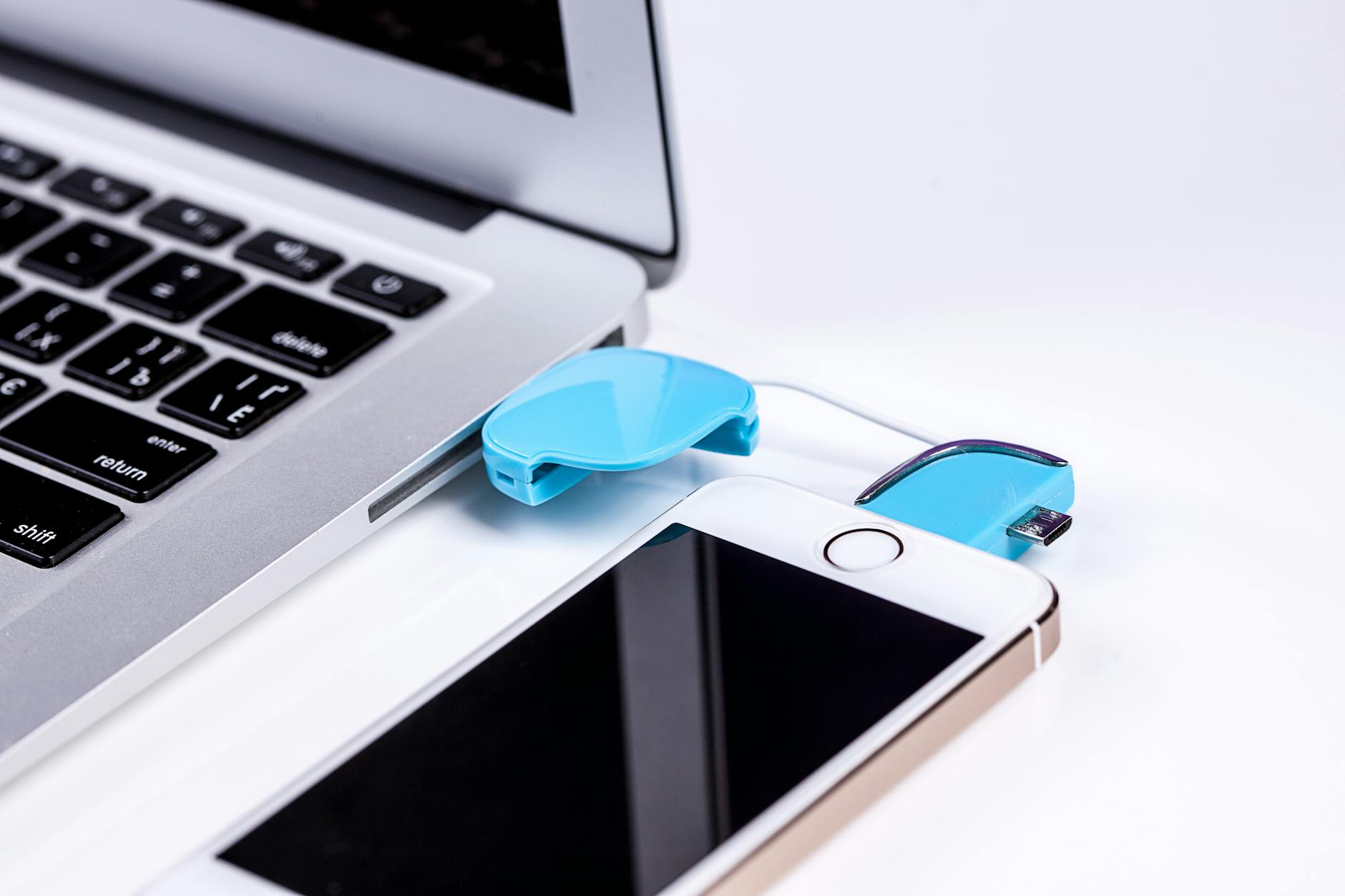 Photo by Pixabay
Charge Up and Stay Close
Large transfers drain battery quickly and can fail if the device goes to sleep or loses the USB connection. Use these steps to keep things stable and predictable.
- Charge to full or keep the phone plugged in throughout the transfer. A dying device will often stop mid‑copy.
- Make sure the screen stays awake. Set a short timeout or keep the device unlocked so it doesn’t suspend the transfer.
- Keep devices near each other. A short distance reduces the chance of a loose cable or a dropped connection.
- Avoid moving the phone or cable during the move. Gentle handling helps prevent intermittent faults.
- Disable power‑hungry apps temporarily. Streaming or backups running in the background can steal bandwidth and cause timeouts.
Why this matters: a phone that’s fatigued or distracted by other tasks introduces subtle interruptions. A predictable power state and stable physical setup dramatically improve success rates for big files.
Switch USB to File Transfer Mode on Android
On Android devices, the transfer mode you select matters as much as the cable you use. The File Transfer mode (often called MTP) is designed for moving files, not just charging. If you skip this step, you might see partial transfers or no transfer at all.
- Connect the phone to your computer with a USB cable.
- Open the notification shade, then tap the USB options notification.
- Choose File Transfer or MTP mode. If you see an option for Charging only, select a different mode.
- Ensure the phone screen stays unlocked during the transfer to keep the connection active.
- After the change, retry the transfer with the same file to confirm the fix.
What to test next: if a large file still stalls, try a different USB cable or port, then re‑attempt the transfer. A faulty cable or port often masquerades as a software hiccup.
Tips to remember:
- Some older devices use PTP mode by default. It’s slower and not ideal for big file moves.
- If you’re moving to a PC, verify the destination drive isn’t full and that its file system supports large files (NTFS or exFAT are common choices for big data).
By focusing on battery health, proximity, and the correct USB mode, you can fix most quick‑win transfer errors in minutes. If problems persist, you’ll have a clearer path to test the next layer of fixes with confidence.
Method-Specific Fixes for Bluetooth, AirDrop, USB, and More
When you’re moving large files from your phone, a one-size-fits-all fix rarely works. Different methods have their own quirks and limits. Below you’ll find practical, method-specific steps you can take to push through big transfers quickly. Think of these as targeted, bite-sized playbooks you can pull out when a move stalls. The goal is simple: finish the transfer with minimal fuss, using the method that fits the situation best.
Bluetooth Troubleshooting Steps
Bluetooth is convenient for small items, but it struggles with big files. Here’s how to get the most out of this method and know when to switch.
- Pair devices first, then run a small test. Send a file under 100 MB to confirm the link is solid. If the small test succeeds, you can plan the next step more confidently.
- If the large file fails, split it into chunks. For Android, apps like Files by Google can compress or split files into parts (for example 50 MB each). On iPhone, use built-in ZIP tools or third‑party apps to create parts and reassemble on the receiving end.
- Avoid Bluetooth for files larger than ~100 MB unless you’re prepared for multiple retries. When the file is big, a fast method will save time.
- If you hit consistent failures, reset the connection. Forget the paired device, reboot both phones, re‑pair, and test again.
- Quick rule of thumb: Bluetooth is best for quick transfers, not long files. Save big payloads for faster methods and use Bluetooth for the small stuff.
Tips in practice: keep devices within a short distance, remove heavy interference from cases or other devices, and verify both devices stay awake during the transfer. A steady, close link reduces mid‑transfer drops and makes retries more reliable.
AirDrop Fixes for iPhone Users
AirDrop is a strong option within the Apple ecosystem, but it isn’t perfect for every large file move. Here’s how to maximize success on iPhone when AirDrop is your chosen path.
- Confirm both devices are visible. On your iPhone, open Settings > General > AirDrop and set it to Everyone or Contacts Only as needed. Make sure Wi‑Fi and Bluetooth are enabled on both devices.
- Prepare the receiver. On the target iPhone or iPad, receive prompts quickly to avoid timeouts. If you don’t respond fast enough, the transfer can stall.
- For large files, speed matters. If a 1 GB video is stuck, AirDrop often still beats Bluetooth but may slow down on crowded networks or with older hardware. Be patient and keep the devices close.
- If AirDrop falters, switch to a cloud link or a quick transfer app. AirDrop is Apple focused, and sometimes cross‑device flows benefit from a different method.
- Maintain visibility and avoid obstacles. Physical barriers or heavy case materials can reduce signal strength, so keep devices within a few feet of each other during the transfer.
Practical scenario: you’re moving a large video to a friend’s iPhone. Ensure both devices are awake, nearby, and ready to accept. If AirDrop stalls, a quick fallback to a cloud link often resolves the issue without redoing the setup.
USB Cable Solutions for PC Transfers
A sturdy USB connection remains the most reliable route for big file moves, especially when you’re transferring to a PC. Here are the steps to maximize success and keep things simple.
- Use a good cable and a reliable port. A damaged or fatigued USB cable can look like software trouble. If the transfer stalls, swap cables and try a different USB port.
- Choose the right transfer mode. On Android, connect the phone and select File Transfer (MTP) in the notification shade. This mode is designed for moving files, not charging. If you see Charging only, switch modes.
- Keep the device awake. Make sure your phone stays unlocked during the transfer so the connection stays alive and doesn’t time out.
- For large transfers, expect a smooth ride with USB. Cables and direct connections handle 100 GB transfers far more consistently than wireless methods.
- Verify the destination drive. Ensure the PC drive isn’t full and that the file system supports large files (NTFS or exFAT are common choices). If the destination is full, you’ll see partial transfers or failures.
Smart tips: test a mid‑sized file first to confirm the path works. If that succeeds, you can push to the bigger file with confidence. If you’re moving from iPhone to PC, you may need to use iTunes or Finder to create a bridge; for Android to PC, MTP is usually straightforward.
Wi‑Fi Direct and Nearby Share Tips
When air is free of cables, Wi‑Fi Direct and Nearby Share offer fast, reliable transfers. Use these steps to optimize them for large files.
- Enable Quick Share on Samsung or Nearby Share on Pixel phones. These features are tuned for local transfers and work without internet.
- Accept on the receiving device. The receiver must accept quickly for the transfer to proceed smoothly.
- Reduce interference. Keep both devices close and limit other wireless activity in the area. Thick walls and metal objects can dampen signals.
- Use a simple file structure. Large single files transfer more reliably when they aren’t embedded in a complex folder with many nested items.
- If a transfer stalls, pause and retry from the same point rather than restarting. This incremental approach often finishes the job without starting over.
Key takeaway: these methods shine for local transfers with no internet, but they can still struggle in crowded spaces. A clear line of sight and minimal interference are your best allies.
This section is designed to fit neatly into your broader article. It provides practical, action‑oriented steps you can apply immediately, with attention to both Android and iPhone users. If you need more depth on any method or want additional examples, I can expand any subsection with real‑world scenarios and common edge cases.
Smart Alternatives for Handling Huge Files on Your Phone
When you’re dealing with very large files, the method you choose can make or break the move. The right approach saves time, avoids errors, and reduces the frustration of waiting for a transfer to finish. Below are practical, section-by-section strategies you can apply right away, whether you’re on Android or iPhone. You’ll find concrete steps, quick tests, and real world tips to keep transfers smooth.
Split Files into Smaller Parts
Free zip apps offer a simple path to breaking big files into manageable chunks. Splitting a file can prevent timeouts and reduce failed transfers across Bluetooth, AirDrop, USB, or WiFi. Here’s how to do it without buying software or learning complex workflows.
- Pick a free zip app you trust. On Android, WinZip, ZArchiver, and 7Zipper are solid options. On iOS, iZip and Unzip are reliable choices.
- Create a zip archive. Open the app, select the large file, and choose to compress it into a ZIP or ZIPX. If you don’t see an explicit split option, you’ll still gain stability by compressing first.
- Split within the file manager if needed. Some Android tools allow you to segment a large archive into parts (for example, 50 MB or 100 MB chunks). If your app doesn’t offer this, split manually by creating multiple smaller archives.
- Share the parts or the full archive. Upload to cloud storage and share links, or transfer the parts directly to the target device. The recipient can reassemble the parts on their side.
- Verify integrity after transfer. Have the recipient extract the parts and confirm the file opens correctly.
Practical tip: when you use a split archive, tell the recipient what app to use for reassembly. Clear instructions prevent the need for back and forth when a file won’t open.
Try Free Apps with No Size Caps
If you want a no fuss option for sending big files, free apps that don’t impose strict size limits can be a real time saver. They often rely on cloud storage or peer-to-peer sharing to move large payloads quickly. LocalSend and InShare are common examples you might encounter.
- LocalSend style apps. These apps create a direct, local connection between devices without consuming your data plan. They’re especially handy for nearby transfers and usually have a straightforward setup.
- InShare style apps. These tools emphasize quick sharing between devices and can handle bigger files by streaming through a cloud link or direct transfer. They’re often optimized for photos and videos.
- Consider the ecosystem fit. If you stay within a single platform (Android or iOS), look for apps that integrate with the system’s share sheet for a smoother experience.
- Test a large file early. Before committing to a full transfer, try a smaller but representative file to confirm the app handles big payloads reliably.
- Watch for hidden limits. Some apps advertise “no size cap” but may impose limits on certain file types or require a premium tier for large transfers.
In practice, these apps shine when you need a quick, predictable move without adjusting multiple settings. They can be especially useful in group sharing, where you want to send a single file to several people at once.
Use Cloud Storage as Backup Plan
Cloud storage offers a reassuring fallback when direct transfers hit wall after wall. Upload the file once, then share a link or let the recipient pull the file. This approach reduces the risk of timeouts and makes large files accessible from any device with internet access.
- Check your space first. Verify you have enough space in your cloud account for the upload. If you’re close to the limit, free tiers may require a quick upgrade or selective syncing.
- Upload and verify. Upload the file to a folder you control, then test by downloading a copy to ensure the integrity of the transfer.
- Share a link rather than the file itself. A cloud link is easier to manage, can be password protected, and avoids re-uploading if you need to resend.
- Use partial downloads when needed. Some services let recipients choose only the portions they need, which can save bandwidth and time.
- Consider automatic backup options. If you routinely move large files, set up a rule to back up specific folders to the cloud at regular intervals.
Common services to consider include Google Drive, OneDrive, iCloud Drive, and Dropbox. Each has its own quirks, but all provide reliable cloud hosting for large files.
Real world approach: if you’re moving a multi‑gigabyte video to a friend, upload it to a cloud folder and share a link. This method bypasses device storage limits and sidesteps the friction of a direct device-to-device transfer.
By adopting these alternatives, you gain reliability and flexibility. Whether you split, try a no cap transfer app, or lean on cloud storage, you’ll have a dependable plan for moving large files on your phone. If you want, I can tailor these steps to your exact devices and apps to make the process even smoother.
Conclusion
Troubleshooting file size errors on a smartphone comes down to a simple loop you can follow quickly. Check space on both devices to rule out a basic barrier, then verify the basics like USB mode, network stability, and app permissions. If the direct path fails, try a tweak or two for the specific method you’re using, such as compressing or splitting the file, or switching to a faster transfer option.
Alternatives offer a reliable safety net. Cloud storage lets you share a link without overloading a device, while splitting large files into smaller chunks can bypass strict size limits in many transfer apps. If wireless transfers stall, move to a wired option and confirm the destination drive can handle big files. Each method has its strengths, so pick the one that fits your situation and odds of success.
These fixes work on most smartphones and cover the common culprits from space constraints to connection reliability. Try one fix now to avoid a longer troubleshooting session. Keep your approach practical, and you’ll finish the move with minimal friction.
A quick habit to save time is to free space weekly. Regular housekeeping keeps transfers smooth and prevents small issues from becoming roadblocks.
If you found a fix that worked for you, share it in the comments or bookmark this page for future transfers. Your tip might help someone else move a large file without the hassle.