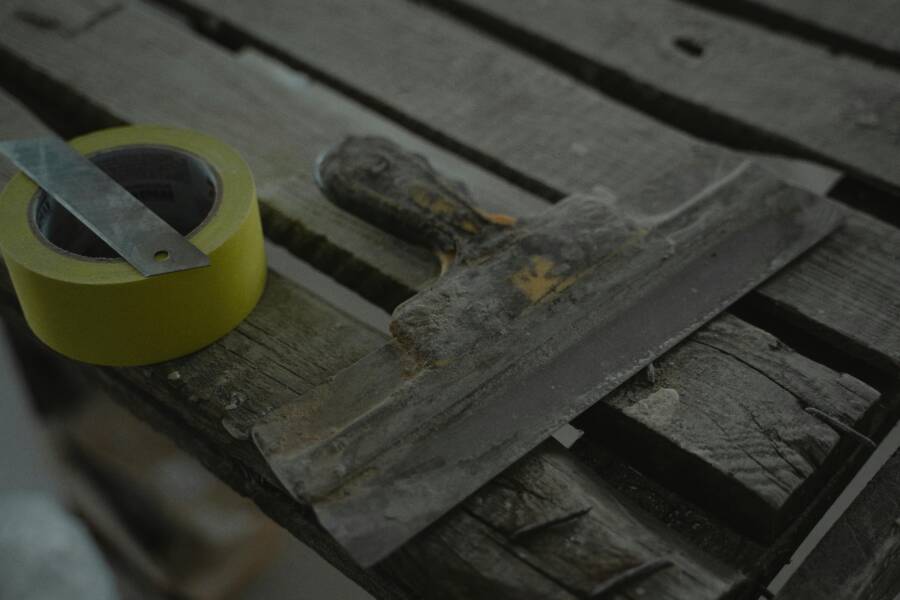
Choosing the right tape at Home Depot can feel like navigating a maze. With so many varieties, it’s easy to grab the wrong product and end up with messy paint lines, loose repairs, or a failed seal. The good news is that once you know the basics, you can shop faster and get results that look clean and hold up. This guide breaks down common tape types, shows how to match tapes to tasks, and shares quick store tips so you can shop confidently.
Understanding tape types you’ll find at Home Depot helps you skip confusion and choose the right tool for the job. Let’s start with the basics and move toward practical decision making you can apply on your next shopping trip.
Understand Tape Types You’ll Find at Home Depot
Home Depot stocks a broad range of tapes. The most common options fall into a few clear categories. Here’s what to look for, what each is best for, and how they behave on different surfaces.
Painter’s Tape vs Masking Tape: What’s the Difference?
Painter’s tape is designed for clean edges and minimal paint bleed. It grips just enough to stay put during a painting project, yet releases cleanly when you remove it. It’s ideal for walls, trim, and delicate surfaces like freshly painted drywall or wallpaper seams. Look for low to medium adhesion and a removable claims label. When you want crisp lines on a wall or around molding, painter’s tape is your go to choice.
Masking tape, on the other hand, has a stronger hold and is often used for light, quick jobs or temporary labeling. It adheres well to rough surfaces and is less forgiving when you need sharp edges. For simple craft tasks, labeling boxes, or temporary placements, masking tape can be a quick fix. If you’re painting, reserve masking tape for areas where you don’t mind a bit more edge roughness or where you’ll remove it soon.
Duct Tape and Utility Tape: Strength and Versatility
Duct tape is the workhorse of home repairs. It’s thick, tear resistant, and sticks well to rough or uneven surfaces. It’s perfect for quick fixes, temporary repairs, and bundling cords or lightweight items. For outdoor use, look for duct tapes labeled for weather resistance. Utility tape covers a broad range of general purposes; it’s useful for quick patches, light repairs, and projects where you don’t need a perfect finish.
When you’re choosing between duct tape and utility tape, think about load and exposure. If you expect moisture or sun exposure, check for water resistance and UV stability. Indoor projects can tolerate standard adhesive strengths, while outdoor tasks benefit from a tougher, more weatherproof option.
Specialty Tapes: Electrical, Foil, and Double-Sided Tape
Electrical tape is a vinyl solution designed for safe wire work. It provides insulation and color coding for circuits. Always follow safety guidelines and keep electrical tape away from heat sources. Foil tape is a metallic option with good sealing properties for HVAC joints and shiny metal surfaces. It’s durable in sealing seams and can handle higher temperatures compared to many other tapes. Double-sided tape is ideal for mounting light objects, decals, or photos without nails or screws.
These specialty tapes solve specific problems. Pick electrical tape for wiring, foil tape for metal joints and duct work, and double-sided tape when you need a discreet attachment.
Below is a quick image to remind you to measure and plan before pulling tape off the shelf.
Photo by Tima Miroshnichenko
Match Tape to the Task: A Simple Decision Guide
A fast, reliable way to pick tape is to run through three questions: What surface are you taping, how much stress will the tape endure, and how long should it hold?
- Identify the surface: Is it walls, metal, fabric, wood, or something irregular like brick?
- Assess load or stress: Will the tape hold heavy objects, control paint, or seal a joint?
- Decide on duration: Is this a temporary fix or a long lasting seal?
Use these steps to guide your choice and avoid overbuying.
Painting and Finishing Jobs
For clean lines, choose painter’s tape. It helps you protect adjacent areas while you paint. If you’re working on delicate surfaces, test a small corner first and remove the tape while the paint is still slightly damp to avoid pulling.
For quick craft projects or light repair work, masking tape can do in a pinch, but remember it may leave a rougher edge if you need a precise line. Remove painter’s tape after painting while the paint is still tacky to prevent pulling.
Sealing and Moisture Control
Foil tape shines on metal surfaces and joints where a tight seal matters. HVAC ducts or metal window frames benefit from foil tape’s heat resistance and strong bond. Duct tape comes in handy for small patches or temporary weather sealing where a quick repair is required. For longer outdoor life, look for tapes rated for outdoor exposure and higher temperature ranges.
Temporary Fixes and Quick Repairs
If you need a fast end to a small problem, duct tape or utility tape can bridge the gap. These tapes offer strong adhesion and quick results. Remember, though, they are often temporary. If a repair needs to last weeks or months, consider more permanent options or a proper fix.
Outdoor Projects and Durability
Outdoor projects demand weather resistant tapes. Choose tapes explicitly labeled for sun and rain exposure. Look for UV resistance and water proofing. Foil and duct tapes with outdoor ratings typically perform better on exterior surfaces and in fluctuating temperatures.
Painting and Finishing Jobs
When your task is painting walls, ceilings, or trim, the goal is sharp lines without a residue after removal. Here are practical tips:
- Use painter’s tape on clean, dry surfaces. A quick wipe with a damp cloth helps the paint adhere evenly.
- Apply tape along the edge you want to protect, pressing firmly to seal the edge.
- Remove the tape at a 45 degree angle while the paint is still pliable to prevent tearing the edge.
- For delicate surfaces like freshly painted walls or wallpaper, use a low adhesion painter’s tape.
If you’re using multiple colors, consider labeling areas on the tape with a marker so you don’t mix up your blues and greens. A clean edge makes the finish look professional even if you’re a weekend warrior.
Sealing and Moisture Control
Sealing joints or small gaps requires something a bit more sturdy. Foil tape provides a solid seal on ducts and metal joints, especially where heat might be involved. Duct tape can patch small holes in indoor spaces or temporary weatherproofing around windows or doors.
Important notes for outdoor sealing: temperature matters. Most tapes perform better within a moderate temperature range. If you’re applying tape in freezing conditions or extreme heat, check the product label for temperature guidelines. Outdoor oriented tapes tend to perform better when exposed to sun and rain for longer periods.
Temporary Fixes and Quick Repairs
For quick, budget friendly fixes, craft a plan before you pull tape from the roll. Duct tape and utility tape are your first options for temporary repairs. They’re great for a jammed seam, a torn tarp, or a bundle that needs quick holding. However, don’t expect these to last weeks. If moisture or weight is involved, think of them as a stopgap until you can apply a more robust solution.
Outdoor Projects and Durability
Outdoors, you want tapes that resist sun, rain, and temperature swings. Look for tapes with explicit outdoor ratings and UV stability. For metal surfaces, foil tape is often the best choice for sealing joints and reducing air leaks. When in doubt, ask a store associate about weather conditions and project duration.
Tips to Shop Fast and Save at Home Depot
Speed matters when you’re on a mission. Here are practical tips to pick the right tape fast and avoid a second trip.
Read Labels in 30 Seconds
Fast label checks tell you everything you need. Look for:
- Surface compatibility: Can it be used on wood, metal, fabric, or walls?
- Temperature rating: What heat range can it withstand?
- Adhesion strength: Is it designed for light or heavy duty usage?
- Removal ease: Will it pull paint or leave residue?
These cues tell you if a tape fits your task without reading every paragraph.
Budget vs Brand: When to Save
Store brands often work well for everyday tasks like labeling or quick fixes. For painting edges, delicate surfaces, or high heat environments, it can be worth investing in a well known brand. Compare price per unit and consider how many projects you’ll tackle this season to decide.
Where to Find Tapes in the Store
In most Home Depot stores, tapes are in two main zones: the hardware aisle and the paint department. Signs typically guide you to tape and caulk products. If you’re unsure, ask a team member. You can also check online stock using your phone and view store maps for faster routing.
Quick Decision Checklist
- Surface: Is it smooth walls, rough wood, metal, or fabric?
- Load: Light labeling, painter’s lines, or heavy duty repair?
- Duration: Temporary fix or long lasting seal?
- Environment: Indoors or outdoors, sun or humidity?
Keep this checklist on your phone or print it out for your next trip. A quick glance helps you pick the right option fast.
Read Labels in 30 Seconds
- Surface compatibility: If you see wood, metal, plastic, or fabric, you know where it’s best.
- Temperature rating: Outdoor or high heat requires a tougher tape.
- Adhesion strength: Low for delicate surfaces, high for heavy duty tasks.
- Removal ease: Indicates how easily you can take it off without damage.
Budget vs Brand: When to Save
- Use store brands for general tasks like labeling or quick temporary fixings.
- Invest in a known brand for finishing jobs, specialty tasks, or outdoor applications.
- Always compare price per roll and consider the expected number of uses.
Where to Find Tapes in the Store
- Hardware aisle near fasteners and sealants.
- Paint department for painter’s tape and masking tape.
- Ask staff for the exact aisle if you’re in a hurry.
A Printable Quick Decision Checklist
- Surface: What am I taping?
- Load: How strong must the bond be?
- Time: How long should it hold?
- Environment: Indoor or outdoor conditions?
- Remove: Will I need clean removal?
Print this out or save it on your phone for fast reference during your next Home Depot run.
Conclusion
Mastering tape choices at Home Depot means understanding the basics, matching the right tape to the job, and shopping smart. By recognizing painter’s tape for clean walls, masking tape for light tasks, and foil or duct tapes for sealing and repairs, you’ll save time and avoid messy outcomes. Keep the decision guide handy, read labels quickly, and choose store brands wisely for everyday tasks. With these strategies, you’ll approach every project with confidence and finish with tidy, durable results.
If you liked this guide, print the quick decision checklist and keep it in your toolbox or car. It’s a simple tool that pays off on painting days, repair weekends, and outdoor projects. And next time you’re at Home Depot, you’ll move through the tape aisle with purpose, knowing you’ll pick the right product for the task at hand.