Thousands of People Were Struggling With Money Until They Discovered This One Ancient Secret Hidden in Sound
>>> Unlock It Now <<<

Worried about strangers peeking at your photos on a phone? A simple password can keep your memories private and give you peace of mind.
This guide covers practical ways to lock photos on both iPhone and Android, including built in options like a secure folder and popular vault apps. You’ll learn how to set up a password, pin, or biometric lock so only you can open your camera roll.
By the end you’ll know quick steps to protect sensitive images without sacrificing convenience. Whether you’re using a vault app or the phone’s built in features, you’ll gain clear, actionable steps to boost your smartphone privacy.
Why you should lock photos on your phone
Privacy matters more than many of us admit. A password protected photo vault gives you a discreet, private space for memories, sensitive documents, and personal moments. It reduces everyday anxiety about who might stumble upon private images, especially when you share devices, travel with someone else, or use cloud backups. Think of it as a private drawer in a shared desk—accessible only to you, with the lid on tight.
She Pressed Play on a Strange Audio Track and Within Days Her Financial Reality Started Shifting in Ways She Could Not Explain
>>> See How It Works <<<

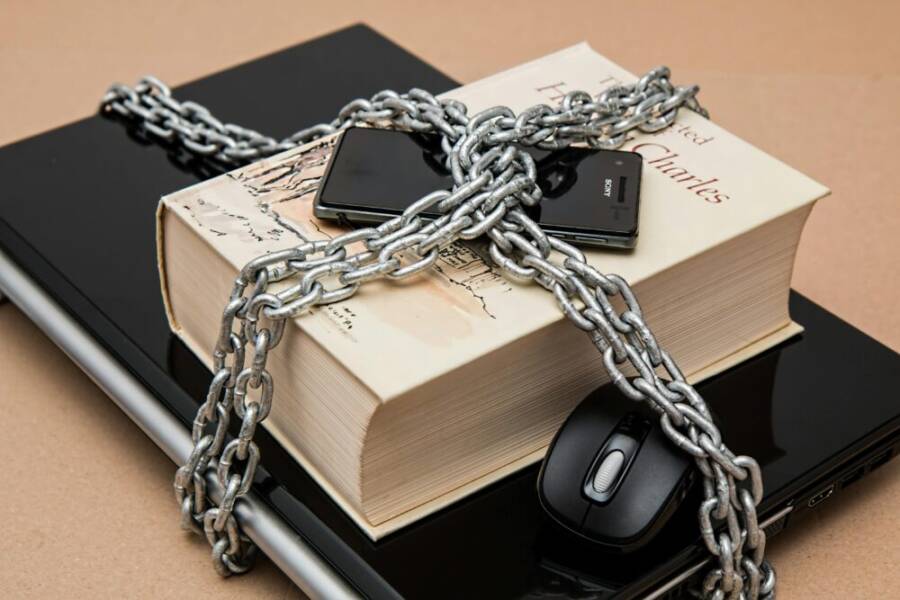
 Photo by Pixabay
Protect private moments and sensitive data
Locking photos protects more than you might expect. It’s not just about romantic selfies or travel pics. It also guards financial receipts, medical documents, or private notes that you don’t want visible in a moment of lost access or a phone mix-up. When you use a vault app or the phone’s built in secure folders, you create a password protected space that behaves like a private album. That space can be opened only after you enter your password, PIN, or use biometrics, so even if someone borrows your phone, your personal moments stay out of sight.
For real life perspective, imagine this: you’re at a cafe and someone sits next to you with your unlocked phone for a moment. Without a vault, a quick glance or a thumb tap could reveal photos you’d rather keep private. With a vault, those images stay hidden behind a lock, giving you peace of mind. This mentality isn’t about paranoia; it’s about control and choice over what stays private.
To strengthen this approach, consider using a password that’s distinct from your device unlock and changing it periodically. If you ever worry about someone guessing your password, you can rotate it and ensure biometric access remains optional or disabled for the vault.
Prevent accidental sharing and leaks
Humans are not perfect at handling our own devices. It happens to the best of us: a quick swipe to delete a photo and a finger slips to share by mistake, or you open a gallery to show a friend something and forget to switch accounts. A vault acts as a guardrail. It forces you to pause before tapping a photo you didn’t intend to share.
A common scenario is showing a friend a picture from a night out and accidentally sending a screenshot from a private chat instead. With a vault in place, you can store that private image separately and present only the content you want to share. The vault creates a deliberate boundary between what you show and what stays private, which reduces the risk of oversharing on the spot.
Beyond that, a password protected space helps protect against accidental backups of sensitive images to cloud services. If cloud backups contain private material, a vault helps you separate what gets uploaded and what stays on-device behind a lock. This is especially important given how many people rely on cloud galleries to access memories across devices.
To further minimize risk, enable auto lock after a short period of inactivity and use biometric unlocking only if you’re comfortable with it. When you pair physical security with on device protection, you create a stronger privacy habit.
Common ways photos get exposed
Understanding where exposure happens helps you build a stronger shield. The most frequent risks come from three areas: shared devices, cloud backups, and easy access when the phone is unlocked.
- Shared devices: Family tablets, borrowed phones, or a quick check from a coworker can lead to unintended access if your images are not locked.
- Cloud backups: Photos backed up to the cloud can be accessed if the cloud account is compromised or if a syncing setting pulls in private images to other devices.
- Unlocked phones: A simple glance or a moment of oversight can reveal your private gallery to the wrong person.
Even if you think your pictures are harmless, they can reveal sensitive information about your life, routines, or finances. That knowledge is powerful in the wrong hands. By storing private images behind a password, you reduce exposure to these common scenarios and maintain tighter control over your personal data.
For further reading on why photos can pose privacy concerns, you can explore reputable discussions from the security community. It’s worth scanning for practical tips on metadata, sharing practices, and how attackers might leverage your imagery. Here are a few resources that explain these risks in plain language:
- Can Your Photos Stored Online Cause Privacy Concerns
- 8 Dangers of Posting Pictures Online
- Online Photo Safety: 8 Types of Photos You Shouldn’t Post
If you want more guidance on avoiding accidental sharing and tightening up photo privacy, you can also review practical tips from privacy focused sources. This helps you build a robust routine that fits your daily life.
Images and real world scenarios help illustrate why this practice matters. When you lock photos, you gain control over what others see, even in casual situations. The goal isn’t to hide from the world but to choose what you reveal and to protect what matters most.
Links to useful reads:
- https://www.cybersecurity-insiders.com/can-your-photos-stored-online-cause-privacy-concerns/
- https://www.cloaked.com/post/are-you-accidentally-sharing-too-much-smart-habits-to-reduce-your-digital-footprint-today
- https://www.securityhero.io/dangers-posting-picture-information-online/
- https://www.idwatchdog.com/education/-/article/online-photo-safety
These resources provide additional context on why photo privacy matters and how leaks can happen in everyday life.
Locking photos on iPhone
Protecting your private moments on a busy, shared, or cloud-connected device starts with clear expectations. On iPhone, you may want to lock individual albums the same way you lock apps, but the built-in options don’t work that way. This section explains what can and cannot be done, then points to practical paths that keep your photos secure without sacrificing convenience. If you’re new to this, think of it as choosing the right level of privacy for your needs and then using trusted methods to achieve it.
He Was Drowning in Bills and Burnout Until a Simple Daily Ritual Rewired His Brain for Wealth in Less Than a Week
>>> Start Your Shift Today <<<

Understanding iPhone limitations for album passwords
iOS does not natively lock individual albums with a password. The system is designed around locking the entire device or using secure storage within apps, not per-album protection inside the Photos app. This means you won’t find a simple toggle to password protect a single album or to hide a subset of photos behind a dedicated passcode within the default Gallery. For readers who want the exact phrasing from Apple discussions, it’s commonly noted that password protecting photos in the iPhone’s native Photos app isn’t supported, and users often rely on broader device security to guard any sensitive content. You can see discussions reflecting this limitation here: https://discussions.apple.com/thread/3515367.
Because iPhone users cannot assign a separate password to a specific album, you’ll want to explore secure alternatives that align with Apple’s security model. These alternatives fall into two broad categories: using vault apps that create a private, password protected space distinct from the Photos app, or relying on strong device level security to deter unauthorized access. If you’re curious about how Apple views device management and restrictions which can influence how private data is accessed, take a look at the device management restrictions pages: https://support.apple.com/guide/deployment/restrictions-for-iphone-and-ipad-dep0f7dd3d8/web and the related review page at https://support.apple.com/guide/deployment/review-device-management-restrictions-dep739685973/web. These docs help explain what controls exist at the device level and why per-album protection isn’t natively provided.
If you’re evaluating this for yourself, it helps to separate two needs: the desire to keep certain photos off the main library and the requirement to prevent casual viewing when someone borrows your phone. For the second need, you can rely on device unlock controls, biometric options, and session timeouts. Apple also provides an overview of iCloud data security that’s useful for understanding what remains protected when photos sync to iCloud: https://support.apple.com/en-us/102651. Keep in mind that even with iCloud, the concept of locking an individual album inside Photos still isn’t available, so you’ll want to implement additional strategies for true compartmentalization.
High-level alternatives to per-album protection include:
- Vault apps that store photos in a separate, password protected space. These apps create a distinct gallery that is not part of the regular Photos app flow.
- Using the iPhone’s built-in features like Screen Time restrictions or app-level privacy settings to limit who can access the Photos app when needed.
- Managing backups with privacy in mind by controlling which photos sync to iCloud or other cloud services.
In short, while you can harden overall device security, per-album passwords are not a native iPhone feature. That reality guides the practical steps you’ll see in the next sections.
Using vault apps to password protect photos on iPhone
If you want real per-photo privacy, vault apps are the most straightforward path. These apps create a separate vault that you access with a password, PIN, or biometric lock, effectively hiding photos from the main Gallery. When choosing a vault app, look for reputable developers with clear privacy policies, local-only storage options, and strong encryption.
Recommended approaches:
- Select a reputable vault app with strong encryption and positive user reviews. Look for apps that explicitly state they store photos locally on-device or provide strong end-to-end encryption.
- Create a new vault or album inside the app and set a strong password or biometric lock. Avoid reusing passwords from other services.
- Move photos from the Photos app into the vault. This typically involves selecting photos, choosing the “Move to Vault” or “Hide in Vault” option, and confirming the transfer.
- Leave the original copies behind in Photos only if you want a backup; otherwise, delete them from the main gallery to prevent duplication.
- Enable auto-lock after short inactivity and consider disabling biometric unlock on the vault if you prefer a stricter lock.
When you move photos into a vault, you gain a space that behaves like a private album but is not part of the standard Photos library. This separation reduces the chance of accidental sharing and makes it easier to control who can view private images. For readers who want to explore more about privacy focused storage options, there are in-depth discussions from security experts about why compartmentalization matters and how to choose reliable vault solutions. If you’re curious about broader context, Apple discussions and security resources can provide a baseline for your decision.
Helpful tips for vault use:
- Start with a small batch of non-sensitive images to confirm the workflow before transferring more.
- Regularly review what’s stored in the vault and prune anything outdated or unnecessary.
- Consider recurring privacy audits of your device to ensure vault settings match your current needs.
To support your reading, here are a few credible resources that discuss photo privacy and how to protect content online and on devices:
- https://www.cybersecurity-insiders.com/can-your-photos-stored-online-cause-privacy-concerns/
- https://www.cloaked.com/post/are-you-accidentally-sharing-too-much-smart-habits-to-reduce-your-digital-footprint-today
- https://www.securityhero.io/dangers-posting-picture-information-online/
- https://www.idwatchdog.com/education/-/article/online-photo-safety
If you want practical recommendations on vault apps, look for user reviews that emphasize privacy, easy import/export flows, and reliable customer support. A well-chosen vault app can be a simple, effective way to keep specific photos out of reach while you keep your everyday gallery easy to browse.
Strengthening privacy with a vault also benefits from strong device habits. When you can, use a unique password for the vault and keep it separate from your device unlock code. Rotate credentials if you suspect a compromise, and turn off biometric access if you prefer a manual unlock every time. The goal is to create a frictionless yet robust barrier between private content and everyday device use.
Strengthen device security for overall protection
Per-album protection may not exist, but you can raise the baseline of your privacy with a few solid practices. Start with a strong device passcode and enable Face ID or Touch ID. A long, unique passcode is harder to guess than a simple four-digit code, and biometrics add a fast unlock option that still keeps your device secure when you’re not actively using it.
Next, turn on Find My. This feature helps protect your data if the device is lost or stolen. It also makes it easier to remotely wipe or locate the phone if needed. Regular software updates are another cornerstone. Each update patches vulnerabilities and improves privacy features, so keeping iPhone software current reduces exposure to known risks.
Finally, review cloud and app permissions periodically. For example, restrict apps from accessing Photos unless they truly need it, and be mindful of what is backed up to cloud services. If you rely on cloud storage for photos, enable privacy settings that limit who can access those backups and how long data remains stored.
A simple privacy routine can look like this:
- Set a strong device passcode and enable biometric unlock only if you’re comfortable with it.
- Turn on Find My and enable automatic remote wipe if the device is lost.
- Install the latest iOS updates as soon as they’re available.
- Audit app permissions monthly, especially for photo related apps.
- Consider using a vault for highly sensitive images and move only what you need into that space.
For readers who want to dig deeper into iPhone security basics, Apple’s data protection resources provide a solid foundation. The iCloud data security overview gives context on how Apple handles encryption and access controls across devices: https://support.apple.com/en-us/102651. Staying informed helps you make better choices about privacy settings and backup strategies.
Thousands of People Were Struggling With Money Until They Discovered This One Ancient Secret Hidden in Sound
>>> Unlock It Now <<<
Key takeaways:
- iPhone does not support per-album password protection in the native Photos app.
- Vault apps offer a practical, private space for sensitive images.
- Strengthen overall device security to protect all content, not just photos.
- Regular updates and mindful privacy practices reduce exposure to common risks.
If you’d like, I can tailor a short checklist you can pin to your phone case or your desk as a quick privacy reminder. You’ll be surprised how a few deliberate steps can raise your level of control over personal data in a world where devices live in our pockets every day.
Locking photos on Android
Locking photos on Android gives you a private space for your most sensitive images without turning your entire phone into a fortress. Android offers a mix of built-in options and trusted vault apps, plus features from major brands like Samsung that make privacy practical and easy. This section breaks down what works, when to use it, and how to keep your data safer over time.
Native options and when they help
Android devices come with several native pathways to protect photos, and understanding where they fit helps you build a simple privacy plan. The core idea is to keep sensitive images out of sight while still allowing you to access the rest of your gallery quickly.
- Secure folders and private spaces: Many Android brands bundle a secure area that behaves like a second gallery. You can move photos into this space so they don’t appear in the regular Photos app or in standard gallery views. Samsung’s Secure Folder is a prime example; it creates a separate, encrypted space that requires authentication to access. This is especially helpful if you share your device with family or coworkers but still want quick access to non-private pictures. Learn more about Secure Folder and how it works on Samsung devices from their official guide.
- Lockable backups and restricted access: Some devices offer options to limit access to media when syncing to cloud services or to keep certain folders out of automatic backups. This reduces the chance that private images appear in a gallery view on another device or in a cloud-linked album.
- Gap between app permissions and gallery visibility: With Android, you can control which apps can see your photos. Tightening these permissions reduces the risk of a rogue app pulling private images into its own view. It also helps you keep the main gallery lean and less likely to expose sensitive content if another app is compromised.
Why these options fit into a privacy plan: native protections are fast to enable and don’t require additional accounts. They provide a baseline layer of defense that works well for everyday privacy. If you value simplicity and speed, start with the built-in secure space features on your device. For deeper control, pair native options with a vetted vault app so you can create a separate, password protected gallery that sits outside the standard photo flow.
If you want to see how Samsung’s Secure Folder stacks up against other Android solutions, check out the official Samsung guidance on setting up and using Secure Folder. It’s a practical look at how to segregate important media and apps within a secure, authenticated space.
In addition, the Google Photos “Locked Folder” feature (available within Google Photos) lets you save sensitive photos to a folder protected by your device screen lock. This is a convenient bridge between the default gallery and a dedicated private space, especially for users who already rely on Google Photos for backup and sync. You can review how Locked Folder works directly in the Google Photos help article.
Key takeaway: native privacy features offer quick wins for everyday protection. They are best used as the first layer of defense, with vault apps layered on for more granular control over individual images and folders.
Using vault apps and Secure Folder on Android
If you need per-image or per-album privacy beyond what native features provide, vault apps and Secure Folder style solutions give you a robust, separate space that stays hidden from the standard gallery.
- Vault apps: These apps create a private, password protected space for your photos. Look for apps that encrypt locally, offer strong PIN or biometric protection, and clearly state their data handling policies. A good vault app keeps your images off the main gallery and away from conventional backups unless you choose to move or export them back.
- How to move photos: The typical workflow is to select photos in the main gallery, choose an option like “Move to Vault” or “Hide in Vault,” and confirm. The vault then becomes the primary access point for those images. If you want a backup, you can leave a copy in the main gallery, but this defeats the purpose for highly private images.
- Secure Folder on Samsung and beyond: Samsung Secure Folder is widely regarded as one of the strongest native privacy tools on Android. It creates a separate, encrypted space for apps and files, including photos, and requires authentication to access. Other brands offer similar capabilities, though wording and setup can vary. See official guides from Samsung for setup steps and best practices.
Practical tips for vault use:
- Start with a small batch of non-sensitive images to refine the workflow before transferring more.
- Choose a unique password for the vault, distinct from your device unlock code.
- Enable auto-lock after a short period of inactivity and consider disabling biometric unlock if you want a higher level of security.
- Regularly audit the vault contents and prune outdated material to minimize risk.
When you move photos into a vault, you gain a separate gallery that isn’t part of the normal Photos app flow. This separation reduces the chance of accidental sharing and gives you a clean, private space to manage sensitive media. If you want a broader context on private storage and why compartmentalization matters, privacy-focused discussions offer helpful perspectives on selecting reliable vault solutions and understanding how vaults fit into a broader privacy strategy.
Useful references for vault apps and secure folders include official guidance from device makers and reputable privacy resources. For example, Samsung’s official Secure Folder information and setup instructions provide concrete steps you can follow, while Google’s Photos Locked Folder guidance explains how to keep sensitive content out of the main gallery view. These resources help you compare approaches and choose the setup that feels most natural for your daily routine.
Best practices when using vault apps:
- Pick apps with transparent privacy policies and strong encryption.
- Ensure photos stored in the vault stay on-device, unless you explicitly opt-in to cloud backups.
- Regularly verify that the vault remains locked and that the device itself uses a strong passcode or biometric security.
Best practices for Android privacy
No single tool can guarantee privacy, but a disciplined approach builds a strong shield around your photos and other personal data. Here are practical steps you can implement today.
- Manage permissions thoughtfully: Review which apps have access to Photos and media. Revoke access from apps that don’t need it. This reduces the risk surface if an app is compromised.
- Schedule regular privacy reviews: Set a monthly reminder to audit vault contents, device security settings, and cloud backup options. This keeps you aligned with your privacy goals and adapts to changes in how you use your phone.
- Keep backups with privacy in mind: If you rely on cloud backups, make sure you control what gets uploaded and where. Consider alternating between cloud and local backups for sensitive items, and ensure vault contents are not automatically backed up to the cloud unless you want them to be.
- Use strong, unique credentials: For vault apps, don’t reuse passwords across services. Enable biometric unlock when you’re comfortable with it, but keep a manual unlock option available as a fail-safe.
- Stay up to date: Install Android and app updates promptly. Security patches are released regularly, and updates often include privacy enhancements that can close new gaps.
- Practice device hygiene: Use Find My or similar services to locate a lost device, and enable remote wipe in case the phone falls into the wrong hands. This is a last line of defense but crucial in protecting data you can’t physically remove quickly.
A simple routine to start with:
- Enable a strong device passcode and consider biometric unlock as an option.
- Turn on a secure folder or vault for highly sensitive photos.
- Review app permissions every month, especially for camera and storage access.
- Keep your device and apps updated, and periodically test the vault’s lock and backup settings.
If you want additional context on Android privacy best practices, reputable guides and official support pages can deepen your understanding. For example, Google’s guidance on hiding sensitive photos in Locked Folder is a practical option for users already invested in Google Photos, while Samsung’s Secure Folder guide offers brand-specific setup details.
External resources for further reading:
- Google Photos Locked Folder guidance
- Samsung Secure Folder setup and best practices
- General privacy tips for Android device security
Key takeaways:
- Native options provide a quick privacy layer, but vault apps give deeper control.
- Secure Folder and vault apps are complementary tools, not competing solutions.
- Regular reviews and disciplined privacy habits drive long-term protection.
If you’d like, I can tailor a concise, device-specific checklist you can keep on your phone for quick reference. A few committed steps can make your private photos far more resilient in daily use.
A simple cross platform plan to password protect photos
Protecting your memories should be straightforward, no matter which device you use. This section outlines a practical, cross platform plan to password protect photos. You’ll learn how to choose a method, move your photos to a protected space, set a strong password with biometrics, and verify ready access plus backups. Whether you rely on vault apps or built in features, you’ll finish with a simple, repeatable process you can apply on both iPhone and Android.
 Photo by Monstera Production
Step 1 choose a method
Start by deciding between a vault app and device built in features. The right choice depends on your phone and how private you want to be. If you want per photo or per album privacy outside the default gallery, a vault app is usually the simplest path. If you prefer minimal apps and want broad device level protection, built in options like secure folders or app locks can do the job for many users.
- Vault apps offer a dedicated, password protected space that is separate from the regular photo library. They work well across platforms if you frequently switch between devices or ecosystems.
- Built in features provide quick wins with minimal setup. They’re ideal for users who want fast access to their photos without installing another app.
If you’re unsure where to start, test one vault app on a small batch of photos first. Look for strong encryption, local storage by default, and clear privacy policies. For cross platform consistency, aim for a vault that supports both iOS and Android or operates well with your existing cloud workflow. To compare approaches, see practical guidance from reputable privacy resources and device makers:
- Official guides on vault style privacy for different platforms
- Google Photos Locked Folder and similar built in protections
Tip: keep a separate password for the vault and don’t reuse your device unlock code. If you suspect compromise, rotate credentials and disable biometric unlock for the vault if you want a stricter lock.
Step 2 move photos to the vault
Once you’ve chosen a method, the next step is to move photos you want to protect. The process is typically straightforward, and you’ll usually find a “Move to Vault” or “Hide in Vault” option within the share or edit menus.
- Start with a small batch to confirm the workflow. Pick photos that you definitely want private.
- In the vault app, create a dedicated vault or album and set a strong lock.
- Move selected photos from the main gallery into the vault. If you want a local backup, keep a non-private copy in the main gallery; otherwise delete the originals to avoid duplication.
- Enable auto-lock after short inactivity. Consider turning off biometric unlock if you prefer a tighter security posture.
If you’re using built in features like Samsung Secure Folder or Android’s robust private spaces, the steps are similar: open the gallery, select photos, choose the private space option, and confirm. Vaults create a separate gallery that isn’t part of the standard photo flow, reducing the chance of accidental exposure.
Helpful reading:
- Explore Samsung Secure Folder setup for a clear, brand specific walkthrough
- Review Google Photos Locked Folder options for a bridge between gallery and private space
Step 3 set a strong password and enable biometrics
A strong password plus biometrics makes the vault harder to breach. Create a password that you won’t forget yet isn’t used anywhere else. Aim for a mix of letters, numbers, and symbols, and avoid obvious patterns. Then enable fingerprint or face recognition if you’re comfortable with it.
- Use a unique password for the vault, separate from your device unlock.
- Prefer biometric unlock as a convenience, but keep the option to lock it down with a manual unlock if needed.
- Consider enabling two factor protection if the vault offers it, adding an extra layer of security.
If you want cross platform consistency, pick a vault app that supports both iPhone and Android with the same unlock method. For deeper context on vault app privacy, see reviews and privacy policy statements from trusted app developers. If you’re exploring built in options, ensure you understand how biometric data is stored on your device and whether it’s used by other apps.
Step 4 test access and back up
Test is the key to confidence. Open the vault from its own app, verify you can access the protected photos with your password or biometric, and then confirm that the main gallery cannot display those items.
- Test both unlock methods—password and biometrics if you enabled them.
- Check that auto-lock works after the chosen idle period.
- If the vault supports backups, back up the vault data to a secure location. Use on device backups or encrypted cloud backup if you trust the service and understand the privacy implications.
Backups are essential to prevent data loss. If the vault offers cloud sync or export options, read the privacy policy and choose a secure, encrypted path. If you’d rather keep everything on device, skip cloud backups and rely on a local backup plan.
Extra tips for seamless use:
- Schedule a monthly check to ensure the vault remains locked when not in use.
- Periodically test both unlocking methods to prevent lockouts.
- Keep a recovery method ready in case you forget the vault password, such as secure notes stored offline in a separate password manager.
External resources for further guidance:
- Google Photos Locked Folder help article
- Samsung Secure Folder setup and best practices
By following this cross platform plan, you gain a straightforward, reliable way to keep your photos private. The approach balances ease of setup with strong, practical security. If you’re ready, you can apply these steps to your own device and start protecting the images that matter most.
Conclusion
Locking photos on your phone is a practical, low effort way to protect private moments and sensitive documents. A simple plan works across iPhone and Android: decide between a vault app or built in features, move only what you need into the protected space, and set a strong password with optional biometrics. The result is a clearer line between what you show and what stays private, reducing the chance of accidental leaks or shared-device mishaps.
Key steps to remember are to create a dedicated vault, use a unique password, enable auto lock after a short idle period, and test access to confirm the setup works. Native options give quick wins, while vault apps offer deeper control over individual photos and folders. Regularly review device security settings and permissions to keep privacy up to date. If you want stronger protection today, try a trusted vault solution and start moving your most sensitive images there.
Thousands of People Were Struggling With Money Until They Discovered This One Ancient Secret Hidden in Sound
>>> Unlock It Now <<<