
Tired of late reminders throwing off your day? If calendar alerts arrive late on your smartphone, you’re not alone. This problem hits both Android and iPhone users and it’s usually not a single glitch, but a mix of power settings, notification choices, and sync quirks.
This guide pulls from real user reports and tested fixes to get your reminders firing on time again. You’ll learn the common culprits like battery saver modes, Do Not Disturb settings, and calendar sync delays, plus quick steps you can take today. Whether you rely on Google Calendar or another app, the fixes below are designed to restore timely alerts and keep you in the loop for important events.
Start with the basics and then move to targeted tweaks. We’ll cover how to adjust battery optimization, verify notification types, and refresh calendar sync on both Android and iPhone. You’ll also see practical tips that prevent future delays, such as appropriate time buffers and reliable backup notifications. By the end, you’ll know exactly what to change to reduce missing meetings, appointments, and reminders, no matter which calendar app you use.
Why Do Calendar Alerts Arrive Late on Your Phone?
If you rely on calendar reminders to keep your day on track, late alerts can feel like a glitch in your routine. The issue isn’t always one bug; more often it’s a mix of power management, notification settings, and how calendars sync in the background. Understanding the real culprits helps you fix the problem quickly. Below are two common reasons and practical steps to get timely reminders without turning your phone into a constant ping machine.
Battery Saving Features Pause Background Checks
Battery saving features are designed to stretch each charge, but they can slow down or halt background checks that push calendar alerts to your screen. On Android devices, Adaptive Battery and Battery Saver are the usual suspects. They use smart rules to limit what apps can do in the background, especially for apps you don’t open often. That means calendar apps may not wake up to fetch the next event until you unlock the phone or manually refresh.
- What happens in the background: Calendar data sits idle until the system decides it needs to conserve power. This can delay the moment an alert is generated and shown.
- Android specifics you might notice: Adaptive Battery prioritizes frequently used apps and throttles others. If your calendar app doesn’t get flagged as essential, its background activity gets slower or stopped.
- iPhone parallel behavior: While iOS handles power differently, Low Power Mode similarly reduces background refresh and push activity for some apps, including calendar apps.
How to fix it without wrecking battery life:
- Temporarily disable Battery Saver or Adaptive Battery for the calendar app. On Android, go to Settings > Battery > Adaptive Battery and toggle off for Calendar. On iPhone, open Settings > Battery and disable Low Power Mode.
- Allow unrestricted background activity for your calendar app. Android users: Settings > Apps > [Calendar app] > Battery > Unrestricted; iPhone users: Settings > Calendar > Background App Refresh and ensure it’s on.
- Keep Wi‑Fi or mobile data stable. A weak connection can compound delays, so switch to a reliable network when you need precise reminders.
- If your device supports it, set calendar alerts to trigger while the screen is on or schedule a quick manual refresh right before important events.
Key takeaway: power saving is helpful for longevity, but it often comes at the cost of timely reminders. Adjust its rules for calendar apps to regain accuracy.
App Restrictions and Do Not Disturb Block Alerts
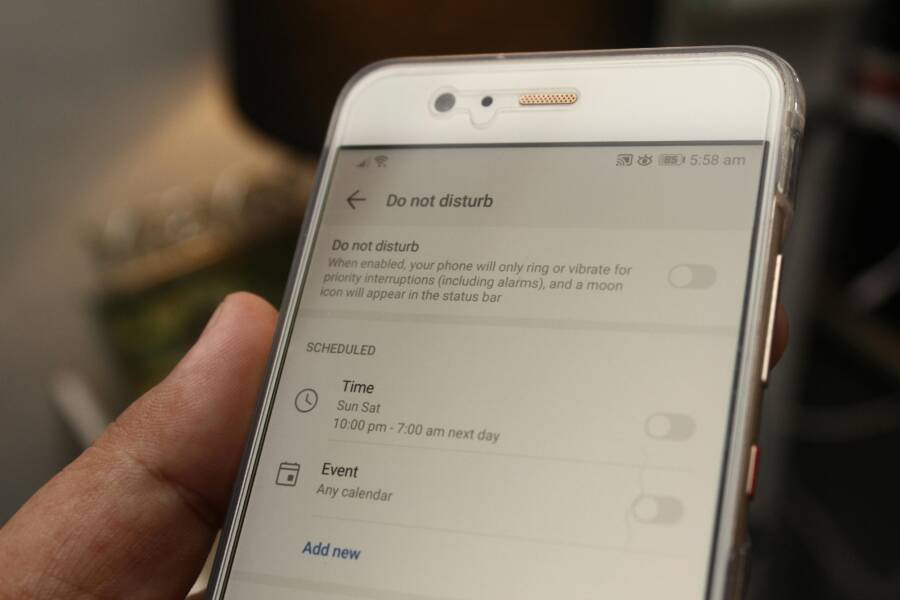
Notification limits and Focus or Do Not Disturb modes can mute or delay calendar alerts until you unlock the screen or clear out other notifications. Data saver settings and per‑app restrictions can also block the calendar app from checking for new events as often as you expect.
- Focus modes and DND scenarios: When you enable Focus modes, your phone filters notifications by priority. Calendar alerts may be paused if they don’t meet the set priority, or they may only appear after you dismiss other alerts.
- Data savers and app limits: Data saver options cap data usage for apps in the background. If a calendar app is treated as low priority, it may skip background checks and push alerts later.
- Screen unlock behavior: Some settings delay alerts until you unlock the device, so you might see a reminder pop up after you wake the screen rather than at the scheduled time.
- Cross-platform nuance: Android often relies on system restrictions for background tasks, while iPhone users may see delays if Focus or DND rules suppress calendar notifications.
How to restore reliable alerts:
- Review Focus or Do Not Disturb configurations. On Android, check Settings > Notifications > Do Not Disturb and adjust exceptions for Calendar. On iPhone, go to Settings > Focus and ensure Calendar is allowed to interrupt during the chosen Focus state.
- Disable Data Saver for the calendar app long enough to test. Android: Settings > Network & internet > Data usage > Data saver. Short-term disable to confirm impact.
- Toggle Background App Refresh (iPhone) or Background Restriction (Android) for the calendar app. Ensure the app can refresh in the background and fetch data when idle.
- Align alerts with your preferences. If you use multiple calendars, verify the primary account is the one pushing notifications and that there are no hidden calendars or old accounts delaying reminders.
Practical quick checks you can perform today:
- Confirm calendar time zones are correct for all calendars you use.
- Ensure there is sufficient storage so the app can refresh data without blocking updates.
- Update all calendar apps to the latest version and restart your device to clear any stuck background tasks.
By adjusting these settings, you reduce the risk of missed or late alerts caused by background restrictions. The goal is simple: keep the calendar app informed and ready to notify you when an event starts, without sacrificing essential battery life or overall device behavior. If you follow these steps, you’ll notice a meaningful improvement in how reliably reminders appear on both Android and iPhone. And as you fine tune, your smartphone becomes a steadier partner in staying on top of your day.
If you’d like, tell me which calendar app you use most (Google Calendar, Apple Calendar, or a third‑party option) and I’ll tailor the checks to your exact device and version.
Fix Late Calendar Notifications on Android Phones
Late calendar alerts disrupt a busy day. When reminders arrive after the event has started, it can feel like a broken timing cue. This section lays out practical, step by step fixes you can apply on most Android phones. The goal is simple: restore timely alerts without draining battery or cutting essential features. We’ll walk through quick checks you can do today, with concrete paths for common devices like Samsung and Google Pixel.
Turn Off Battery and Data Savers First
Power saving features are built to extend life, but they can mute calendar alerts in the background. A quick reset here often yields fast results.
- Step-by-step:
- Android: Settings > Battery > Battery Saver off; then return to Settings > Battery and, if available, disable any Adaptive Battery features for the calendar app.
- Data saver: Settings > Network & internet > Data Saver off, or add your calendar app to the “Allowed while data saver on” list.
- Why this helps: When the system restricts background activity, calendar events may not wake the app in time to push a notification. With battery and data savers relaxed for the calendar app, alerts can fire when scheduled.
- Quick checks to do after changes:
- Open the calendar app and create a test event with a reminder one minute from now. Leave the screen on and watch for the alert.
- If you use multiple calendars, confirm the one that controls notifications is active and set to default for reminders.
Tips for different devices:
- Samsung devices sometimes treat calendar checks as low priority. If you notice delays, also review any “Never sleeping apps” settings and ensure the calendar app isn’t included there.
- On devices with lightweight CPU modes, a short-term test that keeps the phone awake during the reminder can reveal whether background checks are the bottleneck.
Key takeaway: keep battery and data saver rules reasonable for the calendar app. The aim is enough background access to fetch the next event without turning the phone into a constant ping machine.
Set Your Calendar App to Unrestricted Battery Use
Giving your calendar app full access to run in the background is a reliable fix for late alerts. This ensures the app can fetch new events and push reminders on time.
- How to configure:
- Android stock or Google Calendar: Settings > Apps > Calendar > Battery > Unrestricted (or Turn off optimization). If you see “Optimized” or “Restricted,” switch to Unrestricted.
- Samsung devices: Settings > Apps > Calendar > Battery > Unrestricted (or “Not optimized” if that option appears). If you see “Never sleeping apps,” ensure Calendar is not listed.
- Other Android brands: The path is similar but may use terms like “Background activity,” “Unrestricted usage,” or “Allow background activity.” Look for Battery, Power usage, or App energy management sections.
- After you set Unrestricted:
- Restart the calendar app or the phone to ensure the change propagates.
- Create a test event with a reminder a few minutes ahead to confirm the alert fires on time.
Extra tip for reliability:
- Turn off Adaptive Battery if your device supports it. This feature learns your usage and can cap background activity for calendar applications.
Why this matters: unrestricted background access lets calendar apps stay in sync with server data. It reduces the chance of missing or late alerts due to the system pausing the app’s activity.
Adjust Notifications and Background Permissions
Even with background access granted, notification and permission settings can mute alerts or delay their display. A clean, well-permissioned setup helps every reminder land on schedule.
- Check notification settings:
- Ensure calendar notifications are turned on and set to high priority where available. This helps prevent the system from delaying alerts in favor of other notifications.
- Verify that sound, vibration, and pop-up prompts are enabled for visibility at the moment the event starts.
- Review background data and permissions:
- Ensure the calendar app is allowed to use background data. Some devices separate “data” from “background data” in the settings; make sure both are allowed.
- On some devices, you’ll see an option like “Run in background” or “Autostart.” Enable these for the calendar app to preserve timely alerts.
- Pixel devices note:
- If you use a Pixel, clearing the app cache can help if old data has the calendar lagging behind. Go to Settings > Apps > Calendar > Storage & cache > Clear cache (avoid clearing data unless necessary).
What to watch for after adjustments:
- If you use Focus modes or Do Not Disturb, calendar alerts might still be muted unless you explicitly allow Calendar to interrupt during your chosen times. Review Focus or DND configurations and add the calendar app as an exception if needed.
- If you share multiple calendars, confirm the correct calendar is the source of notifications. A slow or outdated feed from a secondary account can cause perceived delays.
Practical checks you can perform today:
- Confirm all calendars you rely on use the same time zone. Mismatches can create apparent delays when a different clock is considered the source of truth.
- Ensure sufficient storage. A nearly full device can slow app refresh and push notifications.
- Update the calendar app to the latest version and reboot after the update. A fresh start often clears stuck background tasks.
In short, this step makes sure the calendar app can see events and alert you without waiting for a manual refresh. It aligns the app’s capabilities with your real-time needs so you can trust reminders when they matter most.
Common scenarios and quick remedies:
- You’re traveling across time zones: recheck the calendar’s time zone settings and set a default for the entire account or device.
- You rely on multiple calendars: designate a primary calendar for alerts and disable notifications from secondary calendars if they create noise or delays.
If you want, tell me which calendar app you use most often and I’ll tailor the checks to your exact device and version. This approach helps you avoid unnecessary steps and keeps you moving forward with confidence.
Solve Delayed Reminders on iPhone Step by Step
If your iPhone often delivers calendar reminders late, you’re not alone. The issue can stem from power saving, Focus modes, or notification settings. Below are two targeted subsections that address the most common culprits and walk you through exact steps. Think of this as a quick, practical playbook you can run on your smartphone today to restore timely alerts.
Disable Low Power Mode and Enable Background Refresh
Low Power Mode can slow down background tasks, including calendar refreshes that trigger reminders. Turning it off and ensuring the calendar app can refresh in the background helps keep alerts on schedule.
- What to do:
- Settings > Battery > Low Power Mode off.
- General > Background App Refresh > Wi-Fi & Cellular. Make sure this option is enabled so the calendar app can fetch data even when you’re on the move.
- Why this helps:
- When background checks are throttled, the app may not fetch the next event in time. This leads to late reminders or alerts that appear only after you open the app.
- Quick test:
- Create a calendar event with a reminder one minute ahead and stay on the screen long enough to see if the alert appears on time.
- Pro tips:
- If you often travel across time zones, ensure the calendar uses a consistent time zone and avoid frequent switches that can confuse the alert engine.
- If you rely on multiple calendars, designate a primary calendar for notifications to minimize competing reminders.
Smartphone tip: This is a common setup tweak. Keeping background refresh enabled is essential for timely alerts, especially when you’re juggling several events on the go.
Key takeaway: Low Power Mode helps battery life but can delay alerts. Disable it for the calendar app and allow background updates to restore punctual reminders.
Turn Off Focus Modes and Fix Notification Settings
Focus modes and Do Not Disturb can mute or delay calendar alerts. Clearing these settings or adjusting the calendar’s permissions ensures reminders pop up when they should.
- What to do:
- Settings > Focus, then turn Focus off or adjust each mode you use.
- Notifications > Calendar > Allow Notifications, and enable sounds and banners as desired.
- Why this helps:
- Focus modes filter alerts by priority. If the calendar isn’t allowed to interrupt, your reminder may wait until you manually check your phone.
- Quick test:
- Temporarily disable Focus modes and create a new event with a near-term reminder to confirm the alert arrives on time.
- Pro tips:
- If you use multiple calendars, verify that the calendar pushing alerts is the one you expect. Some accounts or calendars can lag behind others and create the impression of missed reminders.
- Consider setting Show Previews to Always if you want the alert content visible on the lock screen, which can help you act quickly even if the phone is asleep.
Smartphone tip: Focus modes are handy but can be tricky. A quick review of exceptions for Calendar often fixes late alerts without turning off the features entirely.
Common follow-up checks:
- Verify time zones for all calendars you rely on to prevent event times from drifting.
- Ensure enough storage so the app can refresh data without blocking updates.
- Update the Calendar app to the latest version and restart the device after updates.
If you’d like, share which calendar app you use most (Apple Calendar or a third-party option) and I’ll tailor these checks to your device and version. This approach keeps you moving forward with confidence.
Extra Tips to Prevent Late Alerts Forever
Even after you’ve fixed the main causes of late calendar alerts, a few reliable habits can keep reminders on time for good. These practical tips act as a safety net, ensuring your events pop up when they should. Think of them as daily maintenance for your scheduling system, not one-off hacks.
Build in a Reliable Buffer for Every Event
Relying on a single reminder can leave you scrambling if a delay occurs. Add multiple alerts at different intervals so you have backups that still surface even if one alert slips.
- Create three alerts for key events: 1 hour before, 15 minutes before, and 5 minutes before.
- For high-stakes meetings, add a quick 1‑minute alert just in case.
- Use calendars that allow per-event customization so you can tailor reminders without clutter.
Why it helps: a staggered alert system reduces the chance you miss the start of something important. It also accommodates delays caused by network hiccups or background checks.
Prefer Local Alerts for Critical Events
Rely on alerts that originate on the device rather than strictly from the cloud when timing matters most. Local alerts are less affected by temporary network outages.
- Enable alarms or local reminders within the calendar app for high-priority events.
- Turn on on-device notifications with sound and vibration to ensure you notice them even if the screen is off.
- Consider a secondary reminder method, such as a quick notification from a trusted task app, for crucial events.
Why it helps: local alerts don’t depend on a constant connection to the calendar server. They act as a dependable fallback.
Fine-Tune Time Zone and Calendar Settings
Mismatched time zones or misconfigured calendars are a common source of apparent delays. A small audit now saves big headaches later.
- Verify the time zone on every calendar you use and set a single default time zone for the device if needed.
- If you travel, enable “time zone override” or similar options so events shift correctly with you.
- Designate one primary calendar for alerts and mute less-critical calendars to reduce noise.
Why it helps: consistent timing across calendars keeps reminders synchronized with your real clock, avoiding drift.
Keep Your Apps Fresh and Your Device Clean
Outdated apps and cluttered systems are quiet killers of timely notifications. A clean slate helps your device push alerts exactly when expected.
- Regularly update your calendar apps and the OS.
- Clear app caches if your device offers a simple cache reset for calendar data.
- Restart your device after major updates to reset background processes.
Why it helps: fresh software reduces bugs that slow down background checks and notification delivery.
Monitor Notification Channels and Focus Settings
A single focus rule or notification quirk can mute a calendar alert when you least expect it. A quick audit keeps the channels open.
- In Android, verify Focus or Do Not Disturb exceptions for calendar events and ensure urgent alerts can break through.
- On iPhone, review Focus modes and allow Calendar to interrupt during the times you need reminders.
- Enable banner alerts and sound for calendars so you can act quickly, even when your phone is asleep.
Why it helps: clear paths for alerts prevent accidental silences during busy days.
Use a Backup Alert System You Trust
If you rely on calendar alerts for critical tasks, have a backup system in place. A simple reminder app or a secondary calendar can catch things you might miss.
- Set a secondary alert in a reliable reminder app that pushes a notification at the same time as your calendar.
- Use a smartwatch or wearable as a secondary alert channel for high-priority events.
- If you use multiple calendars, keep a single source of truth for notifications to avoid conflicts.
Why it helps: redundancy protects you from single-point failures and keeps you in the loop.
Create Consistency Across Devices
If you use more than one device, make sure reminders stay aligned across all of them. A mismatch can create confusion and disappointment.
- Sync calendars across devices with the same account and ensure notification settings match on each device.
- Use the same time zone and default reminders on Android and iPhone to avoid cross-device drift.
- Periodically review sync status and test a reminder on each device to confirm consistency.
Why it helps: a consistent experience minimizes misreads and helps you act on time.
Practice a Quick Pre-Event Check
A small routine before important events can save you from missed reminders.
- Check that time, date, and time zone are correct for the event.
- Confirm at least one alert is set and that the notification sound is audible.
- If you depend on back-to-back meetings, add a buffer alert 10 minutes after the previous event ends to catch overruns.
Why it helps: a routine check reduces the chance of misinterpretation or last-minute surprises.
Share and Align with Your Team or Family
If events involve others, alignment matters just as much as your device settings.
- Share calendars with colleagues or family members and agree on preferred alert times.
- Use shared calendars for group events to ensure everyone receives timely reminders.
- In team settings, designate a backup contact who also receives alerts for crucial meetings.
Why it helps: clear expectations minimize delays caused by conflicting calendars or missed updates.
If you need, tell me which calendar app you rely on most and I’ll tailor these extra tips to your exact setup. This quick alignment helps you stay on top of your day with confidence.
Conclusion
Fixing late calendar alerts mostly comes down to tuning the phone’s background behavior, not chasing one elusive bug. The most effective step is to adjust battery and data saver settings so your calendar app can check for new events in the background. This tweak alone resolves many delays, especially on Android devices with adaptive battery rules or data saver active.
Beyond battery tweaks, verify that notifications are enabled, background refresh is allowed, and time zone settings are consistent across all calendars. A quick review of Do Not Disturb or Focus modes helps ensure reminders aren’t silently muted when you need them most. For iPhone users, keeping Low Power Mode off during critical events and allowing the calendar to refresh in the background makes a noticeable difference.
Test now with a near term reminder. Create a calendar event a few minutes out and stay near the device to observe the alert. If delays persist, repeat the checks on a second device or a different calendar app to rule out account-specific quirks. This practical approach often reveals a simple swap or toggle that restores accuracy.
Smartphone reliability improves when you pair these fixes with a small routine: update apps, restart after changes, and keep a backup alert in a trusted reminder app. Share your results in the comments and tell me which calendar app you rely on. Subscribe for more phone tips. Get timely alerts back today.