
How to Fix Calls Going Straight to Voicemail (iPhone & Android)
You’ve missed that important call again. It rang once, or not at all, and went straight to voicemail. This happens to everyone at some point, like when a job offer or family emergency slips by unnoticed.
The issue strikes both iPhone and Android smartphones. Simple settings tweaks, weak signals, or carrier blocks often cause calls going straight to voicemail. Do Not Disturb mode, Silence Unknown Callers, or call forwarding top the list of culprits.
Don’t worry. You can fix it in minutes with basic checks. No tech skills needed.
In this guide, we’ll start with common causes and quick tests. Then, you’ll get step-by-step iPhone fixes, followed by Android solutions. We’ll end with tips if problems stick around, like contacting your carrier.
Follow these steps, and your phone will ring like it should. Stay connected without the frustration.
Common Reasons Your Calls Go Straight to Voicemail
Your smartphone might seem quiet during calls because of built-in features or basic oversights. These common issues send incoming calls directly to voicemail without a single ring on your end. Let’s break down the main causes so you can spot them fast.
Do Not Disturb or Focus Mode Blocks Incoming Rings
Focus modes on iPhone keep distractions at bay by silencing calls and alerts. You activate them manually or schedule them for work hours or sleep. When on, your phone stays mute even as the caller hears normal rings; after a few tries, it rolls to voicemail.
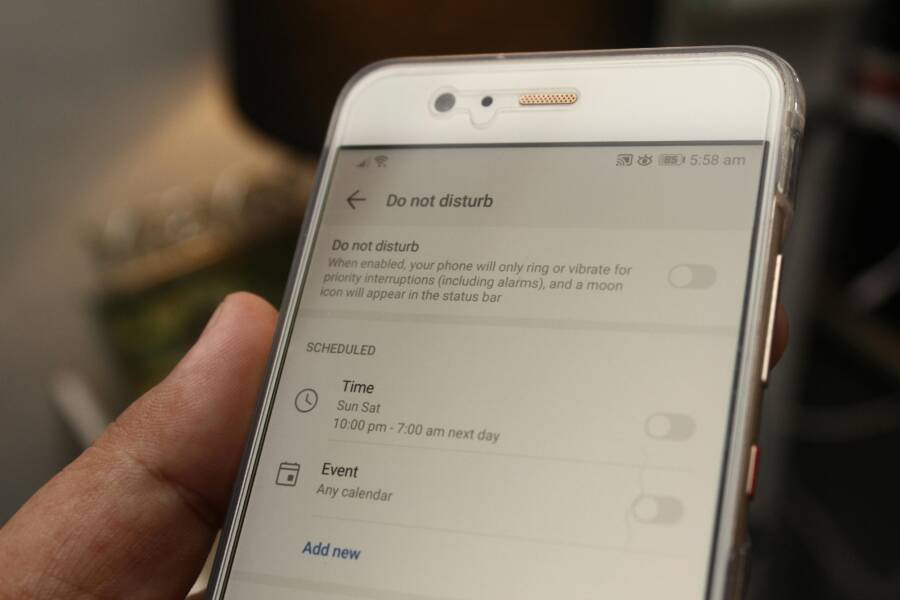
Apple’s Focus settings let you pick who breaks through, like favorites or specific contacts. Forget to tweak allowances? All calls get hushed. Android users face a similar block with Do Not Disturb. Swipe down for quick settings and tap the icon to check.
This mode silences your smartphone’s ringer and vibrations for incoming calls. Google explains it here, noting options for total silence or exceptions by contact. Both systems aim to help you focus, but they catch you off guard if left running.
Silence Unknown Callers Sends Strangers Direct to Voicemail
iPhone owners often enable Silence Unknown Callers to dodge spam. Go to Settings > Phone, and toggle it on. Unknown numbers (not in contacts, recent calls, or Siri suggestions) skip the ring and land in voicemail.
You still get a missed call notice, but no sound alerts you. Apple’s support page details how it works without blocking legit calls. It rarely hits known contacts unless their number changed or lacks a full entry.
Think of it as a smart filter for your smartphone. Sales pitches vanish quietly, yet mom still rings through if saved right. Double-check contacts after updates to avoid surprises.
Silent Mode or No Signal Stops the Ring
Flip the side switch on your iPhone, and Silent Mode kicks in. It mutes the ringer for calls while keeping vibrations or alerts optional. Your smartphone looks asleep; callers ring out and hit voicemail after standard attempts.
Android lacks a hardware switch but uses volume sliders or Quick Settings tiles for the same effect. Set ring volume to zero, and silence takes over. Weak signal adds trouble. Zero bars mean no connection, so calls forward to voicemail automatically.
Check network strength in status bar. Move near a window or toggle Airplane Mode briefly to reset. Tools like Asurion’s guide cover these for both platforms. Fix the bars, and rings return.
Quick Fixes to Try on Any Phone First
Start with these simple steps on your iPhone or Android smartphone. They fix most glitches that send calls straight to voicemail. You can do them in under two minutes, no apps required. Test a call after each one to see results.
Restart Your Phone to Clear Simple Glitches
A quick restart refreshes your smartphone’s system. It clears temporary bugs, like stuck processes that block incoming rings. Think of it as giving your phone a short nap to wake up fresh.
Follow these steps for your device:
- Press and hold the side button (with volume down on newer iPhones) until the power off slider appears. Drag to shut down, wait 30 seconds, then press the side button to turn on.
- On Android, press and hold the power button (often with volume up). Tap Restart from the menu. Older models might need a 30-second hold to power off first.
- Let the phone fully boot up, which takes 1-2 minutes.
Most users see rings return right away. If calls still skip to voicemail, move to the next check. Tools like wikiHow’s guide list restart as a top fix for both platforms.
Check Airplane Mode and Signal Bars
Airplane Mode cuts all connections, forcing calls to voicemail. Toggle it off to reconnect. Weak signal does the same; your phone can’t receive rings without bars.
Toggle Airplane Mode like this:
- iPhone: Swipe down from the top-right corner for Control Center. Tap the airplane icon (orange when on). Wait 10 seconds and tap again to disable.
- Android: Swipe down twice for Quick Settings. Tap Airplane Mode. Toggle off after a few seconds to refresh networks.
Spot a good signal with these signs: three or four bars filled in the status bar, plus a solid LTE, 5G, or 4G icon. One bar or “No Service” means trouble; step outside or near a window.
These checks reset your connection fast. Your smartphone should pick up calls normally once signal strengthens. Asurion’s tips confirm this works across devices.
Step-by-Step Fixes for iPhone Users
When calls go straight to voicemail on an iPhone, it can feel like a black hole for important moments. The good news is that most fixes are quick, straightforward, and don’t require any advanced tech skills. In this section, you’ll find targeted steps to identify and resolve the most common culprits behind missed calls. Each fix is practical and easy to test so you can verify results in real time.
Turn Off Focus and Silence Unknown Callers
Focus modes can quietly mute incoming calls, especially if you’ve set rules for who can break through. If Focus is active, it might block all calls if the allowed list isn’t configured correctly. Start by checking both Focus and Do Not Disturb settings to ensure calls from important contacts aren’t filtered out.
- What to do: Open Settings > Focus and review any active modes. For each mode, check the allowed people list and switch off the mode if you’re unsure about the current configuration. If you rely on Silence Unknown Callers, verify it isn’t silencing legitimate callers.
- Where to look: In iPhone, Focus is managed under Settings > Focus. For quick toggles, swipe to Control Center and confirm Focus isn’t turned on. Apple’s guidance on Focus helps you tailor which contacts can break through if you want to keep some level of filtering (link). When you’re done, test a call from a saved contact to confirm the line rings again.
- Why it helps: Focus can be a silent gatekeeper. Turning it off or adjusting allowances often restores normal call flow without changing other settings.
For reference on Focus management on iPhone, see Apple’s official guidance on silencing notifications and customizing Focus access.
Disable Call Forwarding and Check Blocks
Call forwarding can redirect incoming calls to another number or voicemail before your device even rings. If this feature is on by accident or from a previous setup, it will feel like calls disappear into a void. The same issue can occur if a number is blocked by accident.
- What to do: Review any active call forwarding rules and disable them if they’re not needed. Also, check if specific numbers are blocked or labeled as blocked in your contacts.
- Where to look: On iPhone, go to Settings > Phone > Call Forwarding and toggle it off if it’s on. If you’re unsure, you can also search for “call forwarding” in Settings to reach the right menu quickly. For blocking, navigate to Settings > Phone > Blocked Contacts and review the list for any unintended blocks.
- Why it helps: Disabling misconfigured forwarding or blocked numbers stops calls from being redirected to voicemail, letting normal ringing resume.
If you want a quick, visual walkthrough, Asurion’s guide covers how to turn off call forwarding on both iPhone and Android and explains why the feature exists in the first place.
Update iOS and Carrier Settings
Software and carrier updates often fix quirks that affect how calls are handled. Outdated software can cause compatibility issues, including calls misrouting to voicemail.
- What to do: Check for an iOS update and install any available carrier settings update. This ensures your device is aligned with your network’s requirements.
- Where to look: On iPhone, go to Settings > General > About. If an update is available, you’ll see a prompt to install it. Carrier updates may appear as a separate notification or under the same About screen.
- Why it helps: Updates fix bugs, strengthen network compatibility, and improve overall reliability. After updating, perform a test call to confirm that calls ring as expected.
Apple and carrier support pages offer practical steps for updating iOS and carrier settings, including what to expect during the process and how to verify the update completed correctly.
External links for further reading:
- If your call fails or you can’t receive calls on your iPhone (Apple Support) updates and diagnostics options.
- General guidance on staying current with iOS and carrier settings updates.
Step-by-Step Fixes for Android Users
If calls keep going straight to voicemail on an Android phone, you’re not alone. The fix is usually a quick combination of checking settings, tweaking forwarding, and refreshing the connection. Below are focused, practical steps you can take today. Think of this as a short, actionable checklist you can run through in about 10 minutes. As you work, keep in mind that your smartphone needs a clear path from network to ring to screen.
Switch Off Do Not Disturb and Unknown Callers
Do Not Disturb (DND) can quietly silence incoming calls, so you only hear a ring when a call meets your allowances. If you’re not intentional about those allowances, important numbers may get silenced and end up in voicemail.
- What to check: Ensure Do Not Disturb is off or that you have allowed calls from your favorites or a specific group. Also verify whether Unknown Callers is enabled, which can send calls from numbers not saved in contacts straight to voicemail.
- How to check:
- Open your Android Settings and look for Do Not Disturb or Sounds & Vibration, then tap Do Not Disturb. From there, review which contacts are allowed to break through and confirm the mode isn’t quietly blocking everyone.
- If you use Google’s Phone app, you can also review “Unknown numbers” or “Unknown call” settings in the Call settings area.
- Why this helps: When DND is misconfigured, even legitimate calls can be filtered out before your phone rings.
What to do next:
- Quick toggle: Swipe down to Quick Settings and toggle Do Not Disturb off, then test a call from a saved contact.
- Fine-tune allowances: In the Do Not Disturb menu, add a few trusted contacts to the allowed list so they can ring through even on busy days.
- If you’re unsure about Unknown Callers: Consider temporarily turning off Silence Unknown Callers to confirm whether a legitimate contact was blocked by accident.
- Reference: Limit interruptions with Modes and Do Not Disturb on Android for a clear guide on how the feature works and how to manage it. https://support.google.com/android/answer/9069335?hl=en
Pro tip: If you rely on Do Not Disturb during work, create a dedicated work profile or schedule that lets critical calls through. Your smartphone should function as a tool, not a gatekeeper.
Manage Call Forwarding and Blocks on Android
Call forwarding can route your calls before your phone even rings. A stray forward or a misconfigured block list can make it feel like every incoming call vanishes into voicemail.
- What to check: Look for any active forwarding rules and review blocked numbers. Some carriers implement forwarding at the network level, while others let you set it up from the phone app.
- How to check:
- In the Phone app, open Settings and search for Call Forwarding. If you see forwarding enabled, disable it or adjust the rule to allow calls to come through.
- Review Blocked Numbers in the Phone app or in the Settings under Privacy or Call Settings. Remove any numbers you didn’t intend to block.
- Why this helps: Removing unintended forwards or blocks restores the natural ring and avoids needless voicemails.
- Quick reference: A practical guide on turning off call forwarding across Android devices can be found here. https://dialaxy.com/guides-how-to/call-forwarding-on-android/
Extra assurance: If you’re on a carrier that supports blocking, you can also check the Blocked numbers settings in the Google Fi app or the carrier’s app to confirm no one you want is blocked. https://support.google.com/fi/answer/6357767?hl=en
Best practice: Maintain a short, current contact list that you trust to reach you. Clean contacts periodically to prevent misrouting due to duplicates or old numbers.
Update Android Software and Carrier Settings
Software updates fix bugs that can cause misrouting of calls. An outdated system or carrier setting can throw off how your device handles incoming calls.
- What to do: Check for a system update and, if available, install it. Also check for any carrier settings updates that may apply to your network.
- Where to look:
- Open Settings > About phone > System updates (or Software updates) to check for the latest Android version. Apply the update if available.
- If your device prompts for a carrier settings update, accept it. Some devices prompt you automatically on reboot.
- Why this helps: Updates improve compatibility with the network, fix known issues, and often restore reliable call behavior.
- Helpful references:
- Check & update your Android version: https://support.google.com/android/answer/7680439?hl=en
- Update your device: https://support.google.com/android/answer/15728187?hl=en
- How to update your Android phone: https://www.android.com/intl/en_in/articles/update-android-phone/
- Test after updating: Make a few test calls from different contacts to ensure the rings come through reliably.
If you still see calls going to voicemail after these steps, the issue may be more complex. Consider testing with a different SIM card or contacting your carrier for a line check. A quick call to tech support can confirm if there’s a network-side block or a known outage affecting voicemail routing.
External resources you may find useful:
- Android help on updating your device: https://support.google.com/android/answer/15728187?hl=en
- Android help on updating Android versions: https://support.google.com/android/answer/7680439?hl=en
- How to update your Android phone: https://www.android.com/intl/en_in/articles/update-android-phone/
Keep in mind that the path to a normal ringtone is often a mix of local device settings and carrier behavior. A well-tuned smartphone setup should ring through consistently once you align DND, Unknown Callers, forwarding rules, and the latest software. If you’re unsure about a particular step, run a quick test after each change and note what shifts result.
What to Do If Calls Still Go to Voicemail
If you’ve tried the quick fixes and calls still go straight to voicemail, you’re not out of luck. Some issues are trickier and sit at the intersection of device settings, network behavior, and carrier routing. This section breaks down advanced checks you can run through in a few minutes. It’s all about restoring a clean path from the network to your ringer. Think of your smartphone as a bridge between the carrier and your ears; when any plank is loose, calls fail to ring.
Revisit Focus, DND, and Unknown Callers on both platforms
Even after earlier steps, Focus or Do Not Disturb can creep back in. A misconfigured allowance list or an accidental enablement of Silence Unknown Callers can keep legitimate calls from reaching the device.
- iPhone specifics: Open Settings > Focus and review each mode. Confirm the allowed calls from Favorites or specific groups. If Silence Unknown Callers is on, try turning it off temporarily to test. Apple’s guidance on Focus helps you tailor who can break through without turning off the feature entirely.
- Android specifics: Do Not Disturb and Unknown Callers can be less obvious if you use multiple profiles. Check Settings > Do Not Disturb, then review which contacts are allowed. In some Android setups, the Phone app’s Call settings include “Unknown numbers” or similar options you’ll want to inspect.
Why this matters: a single channel closed off can silence a critical call. A quick tweak here often yields immediate results. If you’re unsure about a setting, run a test call from a saved contact after each adjustment.
For a deeper dive, see guidance on managing Focus and Do Not Disturb on iPhone and Android.
Turn Off Call Forwarding and Review Blocking
Call forwarding can trigger voicemails before the phone ever rings. A stray rule or an unexpected block can mimic the sensation that calls vanish.
- What to do: Disable any active call forwarding rules you don’t recognize. Also scan for blocked numbers and remove any entries that might be inadvertently filtering out callers.
- Where to look: iPhone: Settings > Phone > Call Forwarding (toggle off). For blockers, Settings > Phone > Blocked Contacts. Android: the exact path varies by device, but you’ll typically find Call Forwarding and Blocked numbers in the Phone or Settings app.
Why this helps: removing unwanted forwarding or blocking restores the natural ring. It’s a simple step with a big payoff.
If you want a visual walkthrough, consult a practical guide on turning off call forwarding on both platforms.
Update iOS, Android, and Carrier Settings
Software updates fix bugs that affect call handling and network compatibility. Carrier settings updates can also influence voicemail routing.
- What to do: Check for an iOS update, and also install any available carrier settings update. On Android, look for system updates and any carrier configuration prompts after reboot.
- Where to look: iPhone: Settings > General > About. Android: Settings > System > System update (path may vary by brand). Carriers often push settings automatically, but a restart after update helps ensure the changes take effect.
Why this helps: fresh software aligns device behavior with network expectations, reducing quirks that send calls to voicemail. After updating, run tests from several contacts to confirm normal ringing.
You can review official steps for iOS and carrier updates, plus general network settings reset as a supplementary approach if issues persist.
Reset Network Settings as a Last Resort
If the problem refuses to budge, a network settings reset can clear stubborn misconfigurations. This returns Wi-Fi, Bluetooth, and cellular networks to their default states without erasing personal data.
- What to do: Reset network settings and rejoin your Wi-Fi networks. Re-pair Bluetooth devices as needed.
- Where to look: iPhone: Settings > General > Transfer or Reset iPhone > Reset > Reset Network Settings. Android: Settings > System > Reset options > Reset Wi-Fi, mobile & Bluetooth (path may vary by device).
Why this helps: it removes conflicting network caches and misapplied rules that could direct calls to voicemail.
If you’d like a step-by-step guide, How-To Geek covers resetting network settings on iOS devices, which can be helpful as a reference.
Check for Local Outages and Carrier Routing Issues
Sometimes the problem isn’t the phone at all. A carrier outage or a regional routing issue can affect call delivery. Downdetector and carrier status pages provide quick visibility into current problems.
- What to check: Look for recent outage reports for your carrier in your area. If there is a known issue, monitoring updates from the carrier is best practice.
- How to verify: Use carrier status pages or trusted outage trackers to confirm whether the network is experiencing a wider problem. If outages are reported, you may simply need to wait for the carrier to resolve them.
Why this matters: even a perfectly configured phone can fail to ring if the network side blocks or reroutes calls. When outages appear, the focus shifts to monitoring and communicating with the carrier for ETA.
Recommended resource: carrier outage pages and status maps to stay informed.
Test with a Different SIM Card or Phone
If possible, test with another SIM card or another phone. A faulty SIM or a misflagged network profile can cause voicemail redirection that looks like a device issue.
- What to do: Swap in a known-good SIM card from your carrier or borrow a spare phone to test inbound calls.
- What you’re checking: If calls ring normally on the alternate SIM or device, the issue is likely tied to your original SIM or phone configuration. If it persists, the problem is likely network or account related.
Why this helps: this test isolates the variable to SIM or phone, narrowing the cause quickly.
If you don’t have a spare SIM, some carriers offer a temporary SIM swap service or a guest device test at a store.
When to Contact Your Carrier
If you’ve exhausted device-side fixes, it’s time to involve the network. Voicemail routing can be a carrier setting or a fault in routing to your number.
- What to say: Describe the issue clearly, note the times you see missed calls, and mention any patterns (certain numbers, international calls, etc.). Ask for a line check, voicemail routing review, and any active blocks on your line.
- What to ask for: a test call from the carrier’s side, confirmation of any network-level call forwarding, and whether there are outages or maintenance affecting voicemail routing.
Useful resources for direct carrier support:
- AT&T troubleshooting tips for wireless call issues
- Verizon support contact options and line checks
- Ways to reach carrier support for quick problem resolution
Why this matters: carriers have visibility into routing and voicemail behavior beyond your device settings. A quick check can reveal a network-side fix or a temporary outage.
External resources you may find useful:
- AT&T troubleshooting: Troubleshoot wireless call issues
- Verizon contact options for mobile support
By following these steps, you’ll cover the majority of stubborn cases where calls still end up in voicemail. If you’re ever unsure about a particular step, test after each change and note what shifts you observe. A methodical approach keeps you in control and minimizes downtime, so you stay connected when it matters most.
Conclusion
If calls keep slipping to voicemail, most fixes come down to a few quick checks. On iPhone, start by turning off Focus and Silence Unknown Callers, then verify Call Forwarding isn’t routing your calls away from the phone. Update iOS and any carrier settings, restart the device, and as a last resort reset network settings. These steps remove the main culprits that silence legitimate calls and restore a normal ring.
On Android, review Do Not Disturb and Unknown Callers to ensure trusted contacts can still reach you. Check for active Call Forwarding and clear any blocks that might be filtering in calls. Update the system and carrier settings, then restart if needed. If the issue persists, a network reset can clear stubborn misconfigurations and bring back reliable ringing.
Test one change at a time. A simple mindset helps you find the exact trigger without guessing. After each adjustment, place a call from a saved contact and monitor whether the phone rings or goes straight to voicemail. This straightforward, methodical approach suits most smartphone users and reduces downtime.
Remember that sometimes the problem isn’t the device at all. A carrier outage or network routing issue can affect call delivery. If you’ve exhausted device-side fixes, reach out to your carrier with a clear summary of what you tried and when the failures happen.
If this guide helped you, share your success. It helps others in the same situation. For more practical tips and quick wins, consider subscribing or checking related posts on phone tips. A few targeted tweaks can save you time, frustration, and missed opportunities, keeping you connected when it matters most. If you want more tailored steps for your exact model, tell us your iPhone or Android version and carrier.