If you’re staring at a phone gallery that shows blank thumbnails, you’re not alone. This frustrating hiccup can make it hard to find a photo fast and can slow down everyday tasks. In many cases the issue comes from how the gallery builds its thumbnail cache and reads the media database on Android and iOS.
This guide gives you a practical, step by step path from quick fixes to deeper solutions. You’ll learn why blank thumbnails appear and how simple actions can restore normal viewing. By the end you’ll know how to fix blank thumbnails in a way that sticks, whether you’re using an Android phone or an iPhone.
First, try fast fixes that don’t require special skills. Restart the phone, clear the gallery app cache, and ensure you have the latest app and OS updates installed. If thumbnails are still missing, check your storage space and reset the gallery app’s preferences. These quick moves address the most common causes tied to the thumbnail cache and media database.
If the problem persists, you’ll move to deeper steps. Rebuild the media database by reindexing photos, or remove and re-scan the SD card if you use one. On Android, you may need to force stop and clear data for the gallery app, then reimport media. On iOS, a full device restart or resetting settings can reset how the gallery indexes files. These steps help the system re read your photos and rebuild accurate thumbnails.
This post will stay practical and user friendly. The goal is to restore a responsive phone gallery so you can quickly spot shots, videos, and memories again. If you’re ready to troubleshoot, you’ll finish with a gallery that reflects every moment stored on your device.
Diagnosing why your phone gallery shows blank thumbnails
When your gallery shows blank thumbnails, it can feel like you’re fighting a mystery. The fix is usually straightforward and rooted in how the app builds previews and reads your photos. This section explains the common culprits and how to spot them quickly. We’ll cover simple clues you can check and what they point to, so you can choose the right fix without wasting time.
Common causes behind blank thumbnails
Blank thumbnails pop up for a few clear reasons. A corrupted thumbnail cache can prevent previews from generating even when the original files are intact. Full storage or a nearly full device leaves the system with hardly any room to create new or updated thumbnails. The media database, which tracks every photo and video, can get out of sync or damaged, so the gallery can’t link to the right previews. Gallery app bugs happen, too, especially after updates or when the app tries to index a large library. Cloud sync hiccups may show files as present locally, but the app can’t fetch the thumbnail until the sync completes. In most cases, you’ll recognize one or two of these signals quickly:
- The problem happens with new downloads but not older pictures.
- Thumbnails appear for a moment and then disappear.
- Some file types, like live photos or videos, show as blank while others are fine.
- Clearing the app cache or restarting the device fixes it temporarily, but the issue returns.
If you notice these patterns, you’re likely dealing with a thumbnail cache issue, a storage or cache limit, or a media database hiccup. The good news is that these are usually fixable with steps you can do at home.
How storage and cache problems show up
Low storage and a filled app cache affect how the gallery builds thumbnails. When the device runs low on space, it slows down background tasks, including the creation of new previews. A full or nearly full cache means the app can’t write fresh thumbnails on the fly, so you see blank tiles instead. It helps to keep these ideas in mind:
- Storage space is about free room on the device or SD card. It affects long term operations, like indexing and generating new previews.
- App cache is temporary data the gallery uses to load images quickly. It can grow large and become corrupted, causing glitches even if there is plenty of free storage.
- Signals to watch: sudden spike in storage usage, apps slow to respond, and thumbnails stuck on blank while media files exist on disk.
A quick mental model: if you’re consistently near the storage limit, start by freeing space. If you’re well within space limits but the gallery behaves oddly or reloads slowly, clear the gallery app’s cache or reset its preferences. This approach helps you decide between freeing space and clearing cache.
Practical steps you can take right away:
- Check how much free space remains. If it’s under 10 percent of your device’s capacity, free up room.
- Clear the gallery app cache to remove corrupted temporary data.
- If the problem persists, restart the phone to reset background processes that might block thumbnail creation.
What helps with a broken media database
A damaged media database stops thumbnails from being created because the index the gallery uses to locate files is unreliable. You can approach this with simple checks and adjustments:
- Verify that the photos and videos actually exist in the file system. Use a file manager to browse to a few missing-looking items and confirm they’re present.
- Confirm the gallery app can access those files. If a file location is moved or permissions are restricted, the app may show a blank thumbnail instead of the image.
- Look for signs that indexing is out of date. If new photos appear in your library but don’t show up with thumbnails, a reindex can help.
- For SD card users, remove and re-scan the card. Corrupted indexing on external storage is a common cause of missing previews.
- If the issue continues on iOS or after a reset, a rebuild of settings related to photo indexing may be needed. This can feel invasive, but it often resolves stubborn thumbnail problems.
These checks set you up for the next fixes. They confirm whether the issue lives in the file system, the app’s ability to read files, or the indexing process behind the gallery. With the right diagnosis in hand, you can apply the precise remedy and get back to enjoying your photos without the suspense of blank thumbnails.
Quick fixes you can try right away
If you’re faced with blank thumbnails in your phone gallery, there are quick moves that can restore normal viewing without digging into deep settings. These fixes address the most common causes like stray cache data, a stuck update, or tight storage. You can try them in the order listed below. Each step is practical for both Android and iOS users, and you’ll often see results after a short retry.
Clear the gallery app cache
A clogged cache is a frequent culprit behind missing previews. Clearing it can remove corrupted temporary files and let the app rebuild fresh thumbnails.
- Android
- Open Settings and go to Apps or Apps & notifications.
- Find the gallery app (sometimes named Gallery, Photos, or a vendor app).
- Tap Storage and then Clear cache.
- Open the gallery and check if thumbnails reappear.
- iOS Caches on iOS are managed by the system. If you see persistent issues, try offloading the app or reinstalling it when available. Do not delete photos during this process. Offloading keeps your data intact while removing the app’s cached files, giving a clean slate when you reinstall.
Why this helps: the gallery builds thumbnails from cached previews. A corrupted cache interrupts that process, so clearing it often unblocks thumbnail generation.
Restart your device and check for updates
A simple restart refreshes the system and the app state. It can clear stuck background tasks that block thumbnail creation and reset momentary glitches.
- Restart
- Hold the power button, then choose Restart. If you don’t see this option, power off and turn the device back on after about 30 seconds.
- OS updates
- Android: Open Settings > System > Software update to check for new versions.
- iOS: Open Settings > General > Software Update to see available updates.
- App updates
- Android: Open the Google Play Store, search for the gallery app, and tap Update if available.
- iOS: Open the App Store, tap your profile icon, and update the gallery app if listed.
Why this helps: updates fix bugs, improve indexing, and improve how thumbnails are generated. A restart ensures the new code runs cleanly.
Check storage space and permissions
Low storage or missing permissions can prevent the gallery from creating or displaying thumbnails correctly. Verifying both gives you a solid baseline.
- How to check storage
- Android: Open Settings > Storage to review free space. If space is running tight, free up a bit by removing unused apps or large files.
- iOS: Open Settings > General > iPhone Storage to see available space and recommendations.
- How to verify permissions
- Android: Open Settings > Apps > [Gallery app] > Permissions. Ensure the app has access to Storage or Photos.
- iOS: Open Settings > [Gallery App] and confirm that Photos access is enabled.
Why this helps: when there isn’t enough space, the system slows down background tasks including thumbnail creation. If the app lacks permission to read files, it cannot generate or display previews.
If you notice any changes after these steps, you’re likely dealing with a lightweight fix. If not, you’re ready to move to deeper troubleshooting with a clearer view of where the problem sits.
Deeper fixes if quick fixes fail
If quick fixes don’t restore thumbnails, it’s time to take deeper, targeted steps. These methods tackle the underlying indexing and database issues that often hide behind blank previews. They’re practical and safe, with clear checkpoints so you know you’re moving in the right direction. Think of these as the calm, methodical repairs that get your gallery back to snapping moments quickly.

Photo by Kelvin Valerio
Rebuild the media database on Android
When the media database gets out of sync, the gallery struggles to link thumbnails to the right files. Rebuilding the database forces the system to re-scan and re-index every photo and video. Here’s a straightforward way to trigger this rescan without wiping your entire device.
- Open a file manager with root or system access (or a regular file manager if you don’t have root).
- Navigate to the device’s internal storage where your photos live, usually under “DCIM” and “Pictures.”
- Forcibly rescan by performing one of these actions:
- Delete temporary media database files if your file manager shows hidden system folders (these files typically have names like .thumbnails or .thumbdata). Don’t delete the actual media files.
- Create a new, empty folder on the external storage and then delete it. The act prompts the system to re-index as it notices new folders.
- Use a dedicated media scan option if available in your file manager (some apps offer “Rescan media” or “Scan media”).
- Reboot the phone and open the gallery to verify thumbnails.
Safety notes:
- Do not delete original photo or video files.
- Back up important media before making changes to hidden or system folders if you’re unsure.
- If you use an SD card, reinsert it after the scan to ensure the system re-reads external storage correctly.
Why this helps: a fresh index aligns the gallery’s references with actual files, often restoring missing thumbnails without data loss.
Reinstall or switch gallery apps
If the problem seems tied to the app itself, reinstalling or trying a different gallery app can clear corrupted previews and indexing quirks. Start with the default gallery if you prefer a seamless experience, then consider a well-known alternative like Google Photos for robust indexing and cloud backup.
- Uninstall the current gallery app
- Android: Settings > Apps > [Gallery app] > Uninstall.
- iOS: If it’s a built-in app, you can only offload it or reset the device later; if it’s a third-party app, remove it from the Home screen.
- Reinstall or swap apps
- Reinstall the original gallery from the Play Store or App Store.
- Install an alternative like Google Photos or another reputable gallery app.
- Back up first
- For Android, ensure your photos are in Google Photos or another cloud service before removing the app.
- For iOS, enable iCloud Photos or back up to iTunes/Finder if you’re on a computer.
- Verify thumbnails after reinstall
- Open the gallery and check a few photos, videos, and live items to confirm the previews appear correctly.
Why this helps: app-level glitches or corrupted thumbnail caches within a specific gallery app won’t affect the whole system. A fresh install or a switch to a reliable alternative can restore normal behavior quickly.
Use a file manager to reindex photos
A simple reindex can be triggered through a file manager without touching deep system settings. The goal is to prompt the system to re-scan media folders and refresh the thumbnail cache.
- Open a file manager app
- Browse to the top-level storage location where photos live
- Scan or refresh media
- Look for an option labeled “Rescan,” “Refresh media,” or “Scan media” in the app’s menu
- If there isn’t a direct option, navigate through folders and then return to the main screen; some apps auto-scan on resume
- Restart the gallery app after the scan
- Confirm that thumbnails are regenerating by opening a few albums
Alternative quick method:
- Copy a photo to a different folder on the device, then move it back. The move triggers the system to re-index that folder, which often fixes missing thumbnails.
Why this helps: a light touch reindex can fix out-of-date previews without affecting your actual files or settings.
Backup first, then reset as a last resort
If all else fails, a factory reset can clear stubborn thumbnail issues. This move erases personal data, so it must be your last resort after you’ve backed up everything. Use this as a clean slate to restore a healthy media library.
Checklist before reset:
- Photos and videos: copy to a computer, cloud storage, or a dedicated backup drive.
- Contacts and calendars: export or sync with your Google or iCloud account.
- App data: note login details, game progress, offline media, and any app-specific files you want to restore later.
- Messages and call logs: back up if you rely on history on the device.
- Passwords and keys: store securely, preferably in a password manager.
Steps to reset:
- Android
- Settings > System > Reset options > Erase all data (factory reset)
- Confirm and wait for the device to reboot
- Restore from backup during setup or after the device restarts
- iOS
- Settings > General > Transfer or Reset iPhone > Erase All Content and Settings
- Restore from iCloud or iTunes/Finder backup during setup
Post-reset restoration tips:
- Reinstall essential apps first, then re-sync photos from cloud backups
- Rebuild thumbnails by letting the gallery index anew as you re-add media
- Check a few albums to confirm that previews appear correctly
Why this helps: a factory reset eliminates software-level misconfigurations that can block thumbnail generation. It should fix rare, stubborn cases where other steps fail.
If you’re cautious about maintenance, start with the lighter options and reserve the reset for when the gallery still won’t display thumbnails after all other fixes. With careful backups and a methodical approach, you can restore a reliable gallery experience without losing precious moments.
Backing up photos and data before major fixes
Backing up your photos and important data before making big changes to your device is a smart move. If something goes wrong during fixes for blank thumbnails, you’ll thank yourself for having a clean, reliable restore point. In this section, you’ll learn practical ways to back up on Android and iPhone, plus a simple pre reset checklist. The goal is to make backups easy and reliable, so you can proceed with confidence.
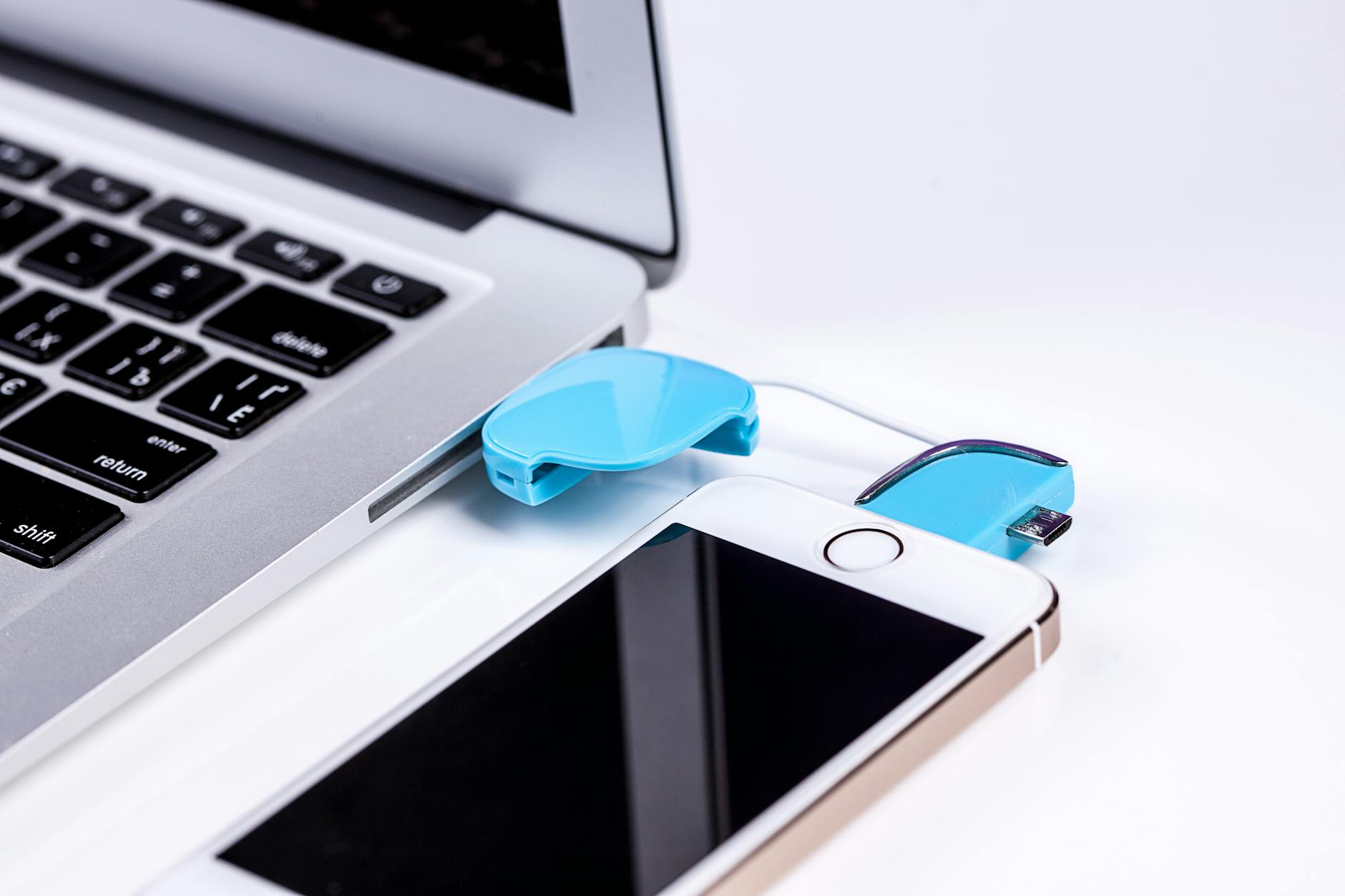 Photo by Pixabay
How to back up on Android
Backing up on Android is straightforward and gives you options that fit different needs. The easiest path is Google Photos, which can store high quality or original quality copies and sync them automatically if you turn on sync. If you prefer local copies, you can back up to a computer via USB or copy files to an SD card.
- Use Google Photos for cloud backup
- Open Google Photos and sign in with your Google account.
- In Photos settings, enable “Backup & sync” and choose the upload quality.
- Ensure you have stable internet and a backup plan that matches your storage needs.
- Tip: mark important albums as favorites to keep key memories easy to find.
- Create local backups to a computer
- Connect your Android device to your computer with a USB cable.
- On the device, set the USB mode to File Transfer (MTP).
- Copy the DCIM and Pictures folders to a dedicated backup folder on your computer.
- For larger libraries, use a backup app or desktop software to automate the transfer.
- If you use an SD card, remove it and copy its contents to the computer as well.
- Turn on sync and keep it simple
- In Android, go to Settings > Accounts > Add your Google account if needed, then enable backup for photos and app data where relevant.
- Use a consistent backup schedule so you’re never scrambling to recover recent shots.
- Keep the Google Photos app updated to ensure reliable syncing.
- Quick tip for safe backups
- Maintain at least two copies: one in the cloud and one on a local drive. If you lose access to one source, you’ll still have the other.
How to back up on iPhone
iPhone users have familiar choices that work well for most people. iCloud provides automatic cloud backups, while iTunes or Finder on a computer gives you a solid offline copy. You can also save photos to a computer manually, which pairs nicely with cloud backups for extra security.
- Back up with iCloud
- Connect to Wi-Fi and plug your device in.
- Open Settings > [Your Name] > iCloud > iCloud Backup.
- Turn on iCloud Backup and tap Back Up Now.
- Ensure Photos are included in iCloud Photos if you want a complete visual library backed up in the cloud.
- Back up with iTunes or Finder
- Connect your iPhone to your computer with a USB cable.
- On macOS Catalina and later, open Finder; on Windows or older macOS, open iTunes.
- Select your device and choose Back Up Now.
- Encrypt the backup if you want to preserve saved passwords and health data.
- Save photos to a computer
- Connect your iPhone to the computer and open Photos on macOS or Windows Photos app.
- Import all photos to a dedicated backup folder.
- Keep a secondary copy on an external drive for extra safety.
- Simple, clear steps to follow
- Set up iCloud Backup or Finder/iTunes backup, then verify the latest backup date.
- Copy a recent batch of photos to your computer as an additional safeguard.
- Regularly review storage space in iCloud to avoid backup interruptions.
- Quick note
- If you’re using iCloud Photos, your images may be stored in the cloud rather than on the device. Ensure your backup strategy includes cloud copies and a local export if you want offline access.
What to do before a reset
A pre reset checklist helps you lock in a safe restore point and reduces the risk of losing precious data. Use it as your last line of defense before you perform a factory reset or a major fix that might affect apps and settings.
- Confirm backups are complete
- Double-check that all recent photos, videos, and documents have a verified backup in at least two places.
- Check that app data you care about is saved or ready to be restored after the reset.
- Note important app data
- Some apps store data locally or require separate exports. List essential apps and any data you want to bring back after the reset.
- If you use messaging apps with chat histories, consider exporting important conversations or enabling cloud sync where available.
- Plan reinstall of essential apps
- Make a short list of apps you’ll want right after reset, such as messaging, banking, and photo apps.
- Decide the order to reinstall so you can quickly restore critical data and settings.
- Prepare for a smooth setup
- Write down login details you’ll need after the reset.
- Have a plan for two-factor authentication if you use it with key accounts.
- Aftercare steps
- Reconnect cloud backups, re-sync your media library, and verify that thumbnails reappear as media is indexed again.
- Reinstall and reconfigure essential apps, then test core functions to confirm everything is working as expected.
- Safety reminder
- A reset erases data. If you’re unsure, pause and recheck your backups. A little extra caution goes a long way.
By following these backups and pre reset steps, you create a safety net that makes major fixes less stressful. You protect memories and important data while keeping the path forward clear and straightforward for your next steps. This approach fits well with the rest of the guide, helping readers move from quick wins to deeper troubleshooting with confidence.
Preventive steps to avoid blank thumbnails in the future
Keeping your gallery healthy means setting up simple routines that prevent thumbnail issues before they start. These preventive steps are quick to implement and pay off in faster, more reliable viewing. Think of them as regular tune-ups for your smartphone’s media library, so you can find what you need without delays.
 Photo by ready made
Regular maintenance and cleaning cache
Set up simple, repeatable routines to keep the thumbnail cache healthy. These two to three steps once a week or month prevent stale previews from piling up.
- Schedule a weekly cache tidy: clear the gallery app cache and force close the app, then reopen. This gives the system a fresh cache without touching your photos.
- Do a monthly quick clean of the library: delete a few unused screenshots or duplicate media, then reindex the gallery by reopening the app. Less clutter means faster indexing.
- Run a lightweight maintenance session: reboot the phone and let the gallery rebuild thumbnails in the background. You’ll notice quicker loads after this refresh.
These routines are easy to fit into a regular routine. They reduce the chance of corrupted previews and keep the gallery responsive.
Manage storage and offline caches
Storage space and how caches are handled directly affect thumbnail generation. Monitoring free space and cleaning old caches prevents slowdowns and missing previews.
- Monitor free space regularly: if free space drops below 10 percent, start a cleanup. Move or delete large files, or offload them to cloud storage.
- Clear old media caches on a schedule: periodically clear the gallery cache and any temporary media caches created by the app.
- Separate apps from media: consider storing large video folders on an SD card if your device supports it. Keep the main internal storage lean for faster indexing.
- Enable selective offline caching: if your gallery supports it, keep only recent or favorite albums cached locally and rely on streaming or cloud access for older items.
For Android and iPhone users alike, these practices help your device keep up with your library. They also reduce the risk of blank thumbnails when a large batch of new photos arrives.
Keep OS and apps updated
Updates fix bugs that can cause thumbnail issues and improve the way the gallery indexes media. Enabling automatic updates and checking for new versions keeps your system healthy in the long run.
- Enable automatic updates
- Android: open Settings > System > Software update and toggle automatic updates for both OS and apps.
- iOS: Settings > App Store > Automatic Updates to turn on automatic downloads.
- Check for new versions regularly
- Android: Google Play Store > Manage apps & devices > Updates available.
- iOS: App Store > Profile icon > Available updates.
- After updating, restart the phone to ensure updates take full effect. This quick step prevents lingering issues from previous software versions.
Keeping the OS and gallery app current reduces the chance of compatibility problems that cause blank thumbnails. It also ensures you get the latest fixes for indexing and cache handling.
By establishing these preventive steps, you create a sturdy baseline. If issues do appear, you’ll move into fixes with confidence, knowing you’ve kept the core system healthy. You’ll spend less time troubleshooting and more time enjoying your memories.
Conclusion
Most blank thumbnails are solvable without specialized help. Start with quick fixes like clearing the gallery cache, restarting the device, and updating the app and OS. If the issue lingers, move to deeper steps such as reindexing the media database or reinstalling the gallery app. A lightweight reindex often fixes the problem without touching your photos.
Keep your smartphone library healthy with regular maintenance and smart backups. Try the steps in order, and you’ll usually fix the issue fast. If you run into obstacles, share your results or questions in the comments so others can learn from your experience.