
There Is a Frequency That the Wealthiest Families Have Used for Generations and Most People Will Never Know It Exists
>>> Open the Door <<<

Tapping a link inside an app and nothing happens is incredibly frustrating. You expect a quick jump to the page, yet you’re left staring at the screen wondering what went wrong. This guide is here to fix that, fast, with clear steps that apply to both Android and iPhone.
If you’ve ever asked why you can’t open links from apps, you’re not alone. The problem usually boils down to how links are handled on your device, or to a glitch in an app that won’t hand off the link correctly. You’ll learn simple checks you can perform right away, plus proven fixes that keep your smartphone smooth and reliable.
We’ll walk through practical steps you can take whether you’re an Android user or an iPhone user. Expect quick actions like updating apps, adjusting default browser settings, and refreshing link handling so taps reliably open the right page. The goal is to get you back to what you were doing, without hunting for a workaround or a workaround for a workaround.
By the end, you’ll know how to identify the root cause, fix the issue, and prevent future problems. This approach is built for real life, not只是 theory, helping you use your smartphone with confidence again. If you’re ready to reclaim seamless in-app navigation, you’re in the right place.
Thousands of People Were Struggling With Money Until They Discovered This One Ancient Secret Hidden in Sound
>>> Unlock It Now <<<

Why links from apps stop opening on Android and iPhone
When taps inside apps fail to open a link, it disrupts your workflow and creates frustration. The issue usually isn’t a single bug but a mix of settings, permissions, and data that shift after updates or app changes. Understanding the common culprits helps you fix the problem quickly and keep your day moving. Below are concise, practical explanations and fixes you can apply without technical jargon.
Common causes that affect both Android and iPhone
- Wrong default browser settings. If your device isn’t set to open web links in a trusted browser, taps may stall or prompt you to choose an app every time. This slows you down and interrupts tasks like reading an article or shopping.
- Outdated system components. Old web rendering engines or OS components can misinterpret link intents, so even perfectly crafted links won’t load as expected.
- Cached data that’s bogged down. A buildup of cached files can cause delays or prevent a link from loading, especially after a system or app update.
- Missing permissions. If an app can’t access the internet or its embedded browser component, links can fail to open.
- Occasional glitches after updates. Updates can reset preferences or introduce minor bugs that affect link handling. A quick reset of preferences or a reinstall often clears it up.
- Everyday impact and simple fixes. These issues show up in everyday tasks, like launching a map from a message or opening a product page from a social feed. Most fixes are straightforward: check defaults, refresh data, and reinstall the problematic app.
How broken link handling affects your daily smartphone use
When link handling goes wrong, you’ll notice a few common scenarios. Taps might do nothing, the system may prompt you to choose an app that isn’t the right choice, or you may be bounced to an app store or browser instead of the intended page. It becomes a constant friction point, especially during quick tasks like sharing a recipe, replying to a message with a map, or viewing a friend’s travel photo. A few simple steps can restore normal behavior: set a reliable default browser, clear app cache, and verify that the app has the necessary permissions. With these actions, you regain a smooth, predictable browsing experience on your smartphone.
- Quick tip: if links keep opening in the wrong app, set your preferred browser as the default and retry a link from a different app to confirm the fix.
- Quick tip: if you recently updated an app, try clearing its cache or reinstalling it to refresh how links are handed off. For additional guidance, see the Android and iPhone support resources. https://support.google.com/android/answer/14324187?hl=en
Immediate fixes you can try now
When links from apps still won’t open, you want fast, practical actions that don’t require deep tech know-how. These quick fixes cover both Android and iPhone approaches, helping you regain smooth in-app linking without hunting for a workaround. Try them in order, testing links after each step to confirm progress. If you’re still stuck, move to the next fix and repeat the test.
Restart your phone and test links
A simple restart can clear temporary glitches that block link handling. Here’s how to do it:
- On Android: Hold the power button, tap Restart, and wait for the device to come back. If your device feels unresponsive, you can power off, then turn it back on after a few seconds.
- On iPhone: Depending on model, press and hold the side button until the power-off slider appears, slide to power off, then press the side button again to restart.
After the reboot, open a few links from different apps to see if they now open in your preferred browser or app. If not, note whether the problem persists and proceed to the next fix. For a quick reference, see “iPhone or Android device acting strange? Here’s how to perform a restart on your smartphone” for broader tips. Photo by Tima Miroshnichenko
 Photo by Tima Miroshnichenko
Check default browser and how links are opened
Setting the right default browser ensures taps open the page you expect. The paths differ by platform:
- Android: Go to Settings > Apps or Apps & notifications > Default apps > Browser. Choose your preferred browser and ensure “Open supported links” is enabled so apps hand off links correctly. Quick test: tap a link in a message and compare with opening a link in a social app. For a step-by-step guide, see the Android default browser article.
- iPhone: Open Settings > Default Apps (or the specific browser under Settings). Set your chosen browser as the default. If needed, confirm Safari settings to allow cross-app link handling. After changes, test a link from Messages or Mail to confirm it opens in the new browser. If you need a deeper dive, see the article on changing default apps for iPhone.
Testing tip: after you change defaults, try a link from two different apps to verify consistency. If you’re curious about how to set a specific browser on Android, this guide helps you choose and apply the change. You can also review Apple’s support article on Default Apps for broader context.
Clear caches and data for affected apps
Cached data can trap links in outdated states, causing delays or failures. Clearing caches or data resets how apps fetch and render pages. Note that clearing data may remove saved logins or preferences, so be prepared to sign back in.
- Android: Clear cache for the browser and any apps that handle links (for example, your social apps or messaging apps). If you see persistent lag, you can clear data for the affected apps, then reopen them and re-test links.
- iPhone: Clear cache by offloading or reinstalling apps that handle links or by clearing Safari data in Settings > Safari > Clear History and Website Data. After clearing, reopen the apps and test links again.
Remind readers to re-test after each action to confirm the fix. For a detailed Android cache reset, see the Android cache guide, and for iPhone cache management, check the iPhone cache discussions. If the problem continues, a fresh install of the problematic app often resolves lingering issues. Quick reminder: re-test a few links from different apps to ensure reliable behavior. For background reading, see how to clear cache on Android and how to manage cache on iPhone.
Device specific fixes for Android and iPhone
Quick fixes like restarts and cache clears often solve basic glitches on your smartphone. If links still won’t open from apps, platform-specific steps can target deeper issues. Android handles links through system components and app defaults, while iPhone relies on Safari and iOS preferences. Follow these tailored instructions. Test a link from a messaging or social app after each step to check progress.
Android steps to fix link opening issues
Android link problems often stem from outdated WebView or mishandled app defaults. Start with updates, then tweak settings. These steps work on most devices.
Update Android System WebView and Google Play Services first. Open the Google Play Store. Search for “Android System WebView,” tap Update if available. Repeat for “Google Play Services.” These components render web content in apps. Outdated versions block links. Test a link now.
Next, ensure your browser stays current. Search Play Store for Chrome (or your choice like Firefox). Update it. Browsers process links directly. An old version causes stalls.
She Pressed Play on a Strange Audio Track and Within Days Her Financial Reality Started Shifting in Ways She Could Not Explain
>>> See How It Works <<<

Check Open by default settings. Go to Settings > Apps. Select your browser > Set as default (or Open by default). Tap Open supported links and choose “Open in this app.” This tells Android to route links correctly. For details on this setting, see How-To Geek’s guide on controlling app links.
Review app permissions. In Settings > Apps, pick the problematic app (like Messages). Tap Permissions > ensure Internet is on. Some apps need this to hand off links.
Thousands of People Were Struggling With Money Until They Discovered This One Ancient Secret Hidden in Sound
>>> Unlock It Now <<<
If issues persist, clear the browser’s storage: Apps > [Browser] > Storage > Clear cache, then Clear data. Restart your smartphone. Test links across apps. These actions fix most cases without data loss. (198 words)
iPhone steps to fix link opening issues
iPhone link failures tie to Safari data or default apps. Simple resets restore flow. Use these steps in order.
Set a default browser. Open Settings. Scroll to Chrome (or your app) > Default Browser App > select it. iOS 14+ supports this. Links now route there. Test from Mail or Messages.
Clear Safari history and website data. Go to Settings > Safari > Clear History and Website Data. Confirm. This wipes cached glitches without deleting other data. Apps sharing Safari’s engine benefit. For more on Safari troubleshooting, check Apple’s support page.
Update iOS and apps. Settings > General > Software Update. Install any iOS patch. Then App Store > profile icon > Update All. Patches fix link bugs.
Reinstall problematic apps if needed. Press app icon > Remove App > Reinstall from App Store. This refreshes permissions.
Last resort: Reset all settings. Settings > General > Transfer or Reset iPhone > Reset > Reset All Settings. Your data, photos, and apps stay safe; only preferences reset. Test links after reboot.
These steps resolve stubborn issues on your smartphone. Retry from different apps to confirm. (202 words)
Prevention, maintenance, and when to seek help
Keeping your links flowing from apps requires a mix of proactive habits and smart troubleshooting. This section outlines practical maintenance routines to prevent future problems and clarifies when it’s time to reach out for support. By building these habits into your monthly routine, you’ll reduce friction and keep your smartphone’s web experience fast and reliable.
Maintenance tips to prevent future link problems
- Keep apps updated: Regular updates fix bugs that affect how links are handed off between apps and browsers.
- Review permissions: Ensure apps have internet access and necessary permissions so they can fetch and render pages correctly.
- Clear caches periodically: Cached data can cause delays or misrouting of links; a quick cache clear often restores normal behavior.
- Limit background tasks: Too many apps running in the background can slow the system’s ability to process link intents.
- Schedule a monthly quick check: Set a 5-minute review to test a few links from messaging and social apps.
- Prioritize defaults: Confirm your preferred browser remains the default for opening links.
Image: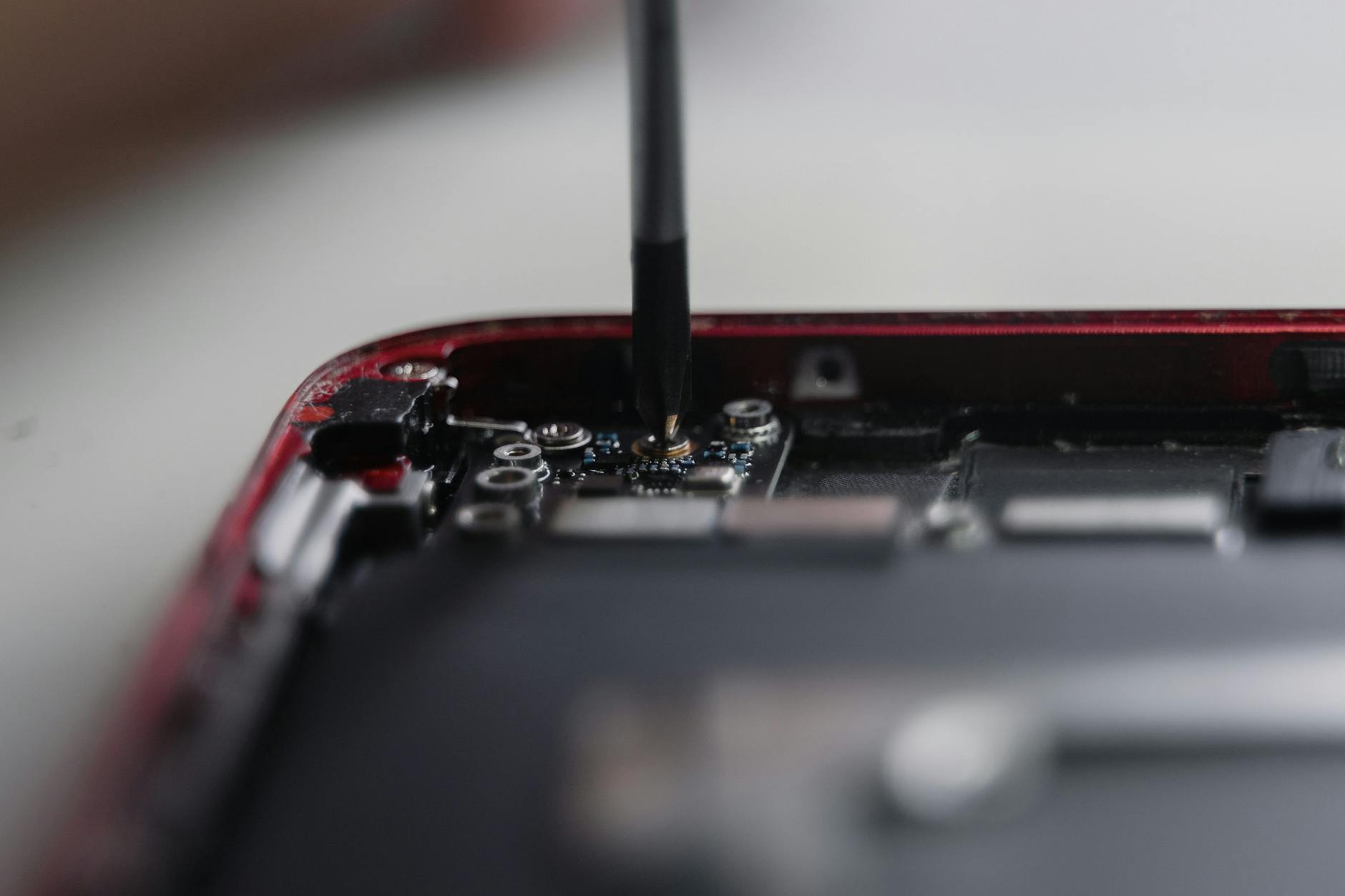
Photo by Tima Miroshnichenko
To reinforce these habits, consider bookmarking a small, monthly checklist and keeping it in a notes app you already use. For further reading, see guidance on managing app links and defaults across Android and iPhone platforms.
- Android default behavior and how to manage app links: https://www.howtogeek.com/psa-you-can-control-how-links-open-apps-on-android/
- iPhone default app handling and cross-app linking: https://support.apple.com/en-us/guide/iphone/iphacc5f0202/ios
When to contact support and what to report
There are clear moments when it makes sense to escalate the issue. If you notice persistent failures after trying the standard fixes, or if multiple apps behave oddly at once, it’s time to involve support. Start by noting exactly what you did, when the issue started, and how it behaves across different apps. If links fail in one app but work in another, include that detail as well. Screenshots can dramatically speed up diagnosis, especially when a visual cue shows the problem.
Here’s a simple, reusable report template you can copy:
- Device model and OS version:
- App(s) affected by link issues:
- Steps to reproduce (one or two reliable scenarios):
- Expected result vs actual result:
- Recent changes (updates, new apps, settings changes):
- Screenshots or screen recordings (if possible):
- Other details (time of day, network type, Wi-Fi vs cellular):
If you’re unsure who to contact, start with the app’s support page and the device maker’s help center. For reference, here are relevant support paths for major platforms:
- Google Play support for developers and users: https://support.google.com/googleplay/android-developer/contact/general_contact?hl=en
- Apple Bug Reporting for iOS: https://developer.apple.com/bug-reporting/
- General guidance on handling app links on Android: https://www.howtogeek.com/psa-you-can-control-how-links-open-apps-on-android/
- Apple support for clearing cache on iPhone: https://support.apple.com/guide/iphone/clear-your-cache-and-cookies-iphacc5f0202/ios
If you compile a clean report, you’ll shorten the path to a fix and prevent back-and-forth.
Conclusion
Most link issues come down to settings, permissions, or stale data, not a faulty app. By following the steps in this guide in order, you can restore reliable in-app linking across Android and iPhone on your smartphone. Setting a trusted default browser, clearing caches, and checking required permissions address the vast majority of cases. If a problem lingers, a targeted app reinstall or a quick OS update can clear stubborn glitches and restore normal behavior.
Bookmark this guide for quick reference, and return to test after each fix to confirm progress. The process is practical and user friendly, designed to fit real life use. If links still misbehave after trying the steps, share a note with the exact steps you took and the apps involved; it helps you get faster help. With these steps, you can get back to browsing without friction and keep your smartphone functioning at its best.
What If the Only Thing Between You and the Life You Deserve Is a Hidden Wealth Code Waiting to Be Activated
>>> Open the Door <<<
