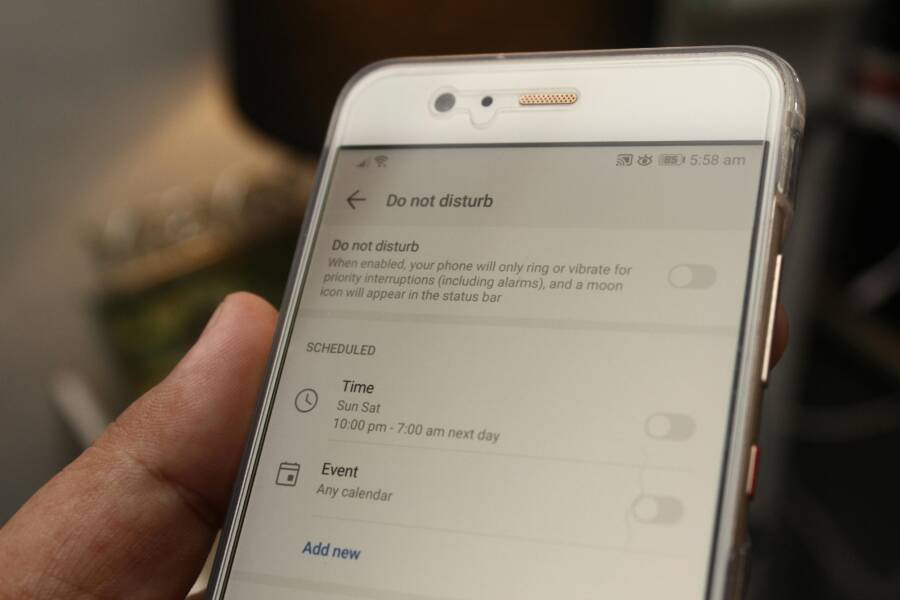

Have you ever hit a wall when your Parental control PIN isn’t accepted on a phone? You’re not alone. A slipping PIN can lock you out of essential settings, apps, and limits that keep your family safe. This quick guide explains why the PIN might fail on both Android and iPhone devices and how to fix it fast.
Common causes are simple but frustrating: a wrong entry, an app hiccup, or a renewal in the OS that didn’t sync with the PIN. On iPhone, Screen Time can stumble if the passcode was never linked to an Apple ID or if a recovery option isn’t set up. On Android, glitches in Google Family Link or a cached error can trigger the problem. The good news is you don’t need big tech help to regain access.
In this quick guide you’ll find clear, step by step fixes you can try today. You’ll learn how to back up data, verify your internet connection, and walk through restoration or reset options for both platforms. It’s designed for busy parents who need reliable, safe solutions without digging through endless menus. This will get you back in control with confidence.
Common Reasons Your Parental Control PIN Fails
When a Parental Control PIN won’t accept, it can feel like a roadblock to quick, safe device use. This section breaks down the two most common device ecosystems, so you can troubleshoot without guessing. You’ll get practical checks you can perform today and clarity on what’s likely behind the issue.

Photo by Polina Zimmerman
Android-Specific PIN Problems
Android users often run into PIN problems that stem from how Google Family Link and the Play ecosystem interact. Start with quick checks to rule out the simplest causes.
- Cache and data conflicts: A cluttered cache in Google Play Store can throw a PIN error. Clearing it resets the background data that might be causing the mismatch.
- Sync hiccups: If the child’s device isn’t online or the Family Link accounts aren’t properly signed in, the parent PIN won’t sync correctly. This is common after a reconnect or app update.
- Outdated software: Older versions of Family Link or the Play Store can bug out. Keeping apps and the OS current reduces friction and improves reliability.
- Forgotten or mixed PINs: If multiple PINs were used over time, inputs can get mixed up. There’s no hidden master PIN for Play Store parental controls; you’ll need to reset and set a fresh PIN.
How to tackle these quickly:
- Check that both Google Play Store and Family Link are up to date.
- Clear the Play Store cache and data, then reapply the PIN in Family Link.
- Verify the child device is online and connected to the same parent account. If needed, temporarily sign out and back in to re-sync.
- Restart devices after updates to ensure changes take effect.
If the PIN still won’t accept, revisit the Family Link settings on the parent device and re-link the accounts. Sometimes a fresh setup resolves lingering sync issues.
iPhone Screen Time PIN Glitches
iPhone users face a different set of triggers. Screen Time pins can fail when the link between Apple IDs and recovery options isn’t solid, or when the device is busy with power-saving states.
- Forgotten passcode or mismatched ID: If you’ve never linked Screen Time to an Apple ID, or the ID on the device isn’t the one you use for family setup, the PIN can be rejected. Confirm which Apple ID governs Screen Time and ensure you’re signed in with it on the device.
- Low Power Mode impact: In some cases, devices in Low Power Mode throttle background activity, delaying updates to Screen Time data. This can momentarily block PIN verification if the system is busy.
- Apple ID lockout or security holds: If your Apple ID is locked or needs extra verification, Screen Time access can be blocked until you complete the security steps.
- Internet-free recovery limits: Unlike some other systems, iPhone recovery for Screen Time often requires online verification. A lack of connectivity or signup issues can hinder PIN recovery.
What you can do now:
- Verify the Apple ID used for Screen Time is the same one tied to Family Sharing (if you use it).
- Ensure the device has a stable internet connection during any PIN changes or recovery attempts.
- Check any Apple ID security prompts and complete them promptly.
- If the ID is locked, follow Apple’s account recovery steps and try Screen Time again after the lock is resolved.
Important note for iPhone users: recovery options may not work offline. Keep an active internet connection during any PIN reset process, and avoid trying to bypass the system with multiple failed attempts.
By understanding these common Android and iPhone scenarios, you can approach PIN issues with a targeted mindset. Start with simple checks, confirm your account links, and then move to resets or reconfigurations as needed. This approach saves time and reduces frustration while keeping family safety front and center.
Quick First Steps to Try on Any Phone
When a parental control PIN isn’t accepted, the fastest path back to control is to run through a small, reliable checklist. These steps are designed to work on any modern smartphone, whether you’re team Android or iPhone. Think of this as your pocket first aid kit for parental controls: simple, proven actions you can do without special tools or deep tech know-how.
Universal steps to reset the stage
Start with quick checks that apply regardless of device type. These are low-effort actions that often resolve the most common causes of a failed PIN.
- Verify you’re connected to the internet. Parental controls rely on online verification in many cases, so a stable connection matters.
- Restart the device completely. A full reboot clears temporary glitches that can interrupt PIN validation.
- Confirm you’re using the correct PIN for the right app or feature. It’s easy to mix up a PIN from a different service or profile.
- Check date and time settings. Auto time usually prevents mismatches in authentication requests.
- Update essential apps and the OS. Software updates fix known bugs and improve reliability.
- Review any recent changes. If you recently changed accounts, switched profiles, or updated a setting, recheck the PIN after those updates.
Android-specific quick checks
Android devices often hinge on how Google services and family management apps interact. A few targeted steps can restore normal behavior without a full reset.
- Clear cache for the parental control app. A cluttered cache can cause a stale PIN check.
- Ensure the app has the right permissions. Access to storage, network, and account data can affect how the PIN is verified.
- Check Family Link and Google Play services status. If either service is paused or out of date, PIN validation can fail.
- Confirm the child device is online and signed in correctly. A disconnected device or a mislinked account is a common trap.
- Re-sync accounts if needed. Sign out on both parent and child devices, then sign back in to refresh the link.
- Keep devices on the latest versions. A minor update can fix a lot of edge-case issues.
iPhone and iOS quick checks
iPhone users often face PIN issues tied to Screen Time and Apple ID connections. The goal is to reestablish a solid link between the device, your Apple ID, and the parental controls.
- Verify the Screen Time passcode is linked to the correct Apple ID. A mismatch here is a frequent source of rejection.
- Make sure internet access is stable during any PIN changes. Without connectivity, the system can’t verify changes.
- Sign in with the Apple ID used for Screen Time in Settings. If multiple IDs exist on the device, the wrong one can block access.
- Check for any ID security prompts and complete them. Sometimes a quick verification unlocks the PIN path.
- Update iOS if an update is available. Newer builds fix known Screen Time quirks.
- Try a short pause after changes. A minute or two can help the system apply the new settings.
Short, practical workflow you can follow now
- Step 1: Connect to WiFi or cellular data and perform a full device restart.
- Step 2: Open the parental control app or Screen Time settings and look for any alert about needed permissions or updates.
- Step 3: Update the relevant apps and the OS if updates are available.
- Step 4: Re-enter the PIN with a fresh, calm approach. If you’re stuck, try a known recent PIN you used before, but avoid forcing repeated wrong attempts.
- Step 5: If the issue persists, sign out of the related accounts and sign back in to re-sync.
What to do if the PIN still won’t accept
When quick fixes don’t resolve the problem, it’s time to move to focused recovery options. These next steps protect data while restoring control.
- Check for recovery options within the app. Some parental control tools offer a recovery email or backup PIN.
- Verify account recovery paths. If you use an Apple ID or Google account for verification, ensure you can access that account.
- Look for a reset option. A PIN reset is often available, but you may need to confirm your identity.
- Back up important data. Before making major changes, back up photos, contacts, and app data where possible.
- Consider a fresh re-setup. Reinstall the parental control app or reset the Screen Time settings, then reconfigure from scratch.
- Seek official support if needed. If nothing else works, contact the app’s support team or the device maker for guided help.
Quick safety reminders for busy households
- Keep recovery information up to date. Regularly verify the recovery email, phone number, and any security questions.
- Use a memorable but secure PIN. Choose a PIN that’s easy for you to remember but hard for others to guess.
- Document changes in a simple way. A quick note of when you updated settings helps avoid confusion later.
- Maintain device hygiene. Regular updates and clean caches reduce friction in many app interactions.
This section provides a practical, go-to list you can rely on when a Parental Control PIN is not accepted on any smartphone. By starting with universal checks and then moving to device-specific steps, you can often regain access quickly and keep family safety intact.
Fix Parental Control PIN on Android Step by Step
When a Parental Control PIN stops working on Android, it can feel frustrating. The issue often comes from a quick glitch, an app update, or a sync problem between Family Link and the Google services. This section walks you through practical, low-risk steps that don’t require a full reset. Start with the simplest fix and move to more involved options if needed. Think of it like rebooting a smart phone issue before calling for help.
Clear Cache and Update Apps
Step details with paths. Why it works.
- On the child’s Android device, go to Settings > Apps (or Apps & notifications) > See all apps.
- Find Google Family Link, tap Storage & cache, then Clear cache. If needed, select Clear storage or Clear data and re-sign in after.
- Do the same for Google Play Store and Google Play services.
- Restart the device after clearing caches.
- On the parent device, open Google Play Store, tap your profile icon > Manage apps & device > Updates available. Update Family Link and Google Play services first, then update other apps if available.
Why this works: Cached data can hold old PIN validations or mismatched session data. Clearing it forces the system to reload fresh, correct information. Keeping Google Play services and Family Link up to date reduces the chance of bugs from newer Android builds.
Re-Link Your Family Link Account
From the parent device, re-linking resets the connection and re-validates permissions. Then have the child device follow the steps to re-sync.
- On the parent’s device or in the web browser, open Family Link. Navigate to the child’s profile and go to Settings > Parent access code > Reset (generate a new 6 digit code).
- If you use the web interface, go to families.google.com, sign in with the parent account, select the child, and choose Manage settings > Controls > Parent access code.
- Use the new code promptly because it expires soon.
- If 2FA blocks the reset, temporarily disable it in the parent account settings.
Child follow-up steps:
- On the child’s device, when the PIN prompt appears, enter the new code.
- If you’re stuck, go to Settings > Google > Parent access > enter the parent account password (not the PIN).
- In Family Link, open the child profile > Ask for more time > Next > Parent password, if prompted.
- If the option exists, use Account info > Reconnect to re-link the child device to the parent account.
Why this works: A fresh link clears out mismatched tokens and expired codes. It aligns the device with the latest family group configuration, which is common after updates or after signing out of accounts.
Factory Reset If Nothing Else Works
This is the last resort. A factory reset wipes the device to its original state and requires reconfiguration, but you can preserve data with a backup and re-establish supervision afterward.
Backup guide (Google account):
- On the child device, Settings > Google > Backup (or System > Backup). Turn on Back up to Google Drive and tap Back up now.
- Record the child’s Google account email and password, as you’ll need them during setup.
Factory reset steps:
- On the child device, Settings > System > Reset options > Erase all data (factory reset). Confirm as needed and proceed.
- The device will wipe and restart.
Post-reset setup (no PIN required initially):
- Connect to Wi-Fi during setup.
- Sign in with the child’s supervised Google account (the one tied to Family Link).
- When prompted, skip the parental controls screen if possible; Family Link should re-install automatically or be downloaded in the setup flow.
- Open Family Link to re-link the accounts and set a new parent access code when prompted.
- If you backed up, restore from Settings > System > Backup > Restore.
Why this works: A factory reset eliminates persistent software glitches that can hide behind a stubborn PIN. The supervision remains intact because you re-link the child’s Google account through Family Link after setup.
Tips for all methods:
- Ensure both devices are online during each step.
- Do a full restart after major changes to apply all updates.
- If you recently changed accounts or updated settings, re-check the PIN after those changes.
- If you hit a wall, consult Google’s Family Link support page for the latest guidance.
This structured approach helps you regain control quickly while keeping data safe. If the PIN still won’t accept after these steps, you may need to seek official support from the device maker or the parental control app provider for deeper diagnostics.
Fix Parental Control PIN on iPhone Step by Step
If you’re locked out of parental controls on an iPhone, you’re not alone. A stubborn Screen Time PIN can stall daily routines, child device limits, and app restrictions. This section walks you through practical, safe steps to regain control without risking data loss. We’ll cover using the Forgot Passcode option, resetting settings carefully, and erasing with iCloud as a last resort. Each path is designed to be clear and doable, even on a busy day.

Photo by Castorly Stock
Use the Forgot Passcode Option
If you forget the Screen Time passcode or the device prompts for a code you don’t recognize, the Forgot Passcode option is your fastest route back in. This process links to the Apple ID you used when setting up Screen Time, so have those credentials ready.
- Tap Settings > Screen Time > Change Screen Time Passcode.
- Choose Forgot Passcode at the bottom of the screen.
- Enter your Apple ID and password. This is the ID you use for iCloud and family devices.
- Follow the prompts to create a new Screen Time passcode. Choose something memorable but not easy to guess.
Tips to keep in mind:
- Make sure you’re connected to the internet during this process. Apple needs to verify your identity online.
- If you don’t see the Forgot Passcode option, ensure your device is updated to the latest iOS version. Sometimes features appear after updates.
- After resetting, test the new passcode right away to confirm it’s working as expected.
Reset Settings Without Losing Data
If the Forgot Passcode route doesn’t solve the problem, you can reset specific settings without wiping your photos or apps. This method clears misconfigurations that might block the PIN while keeping your content intact.
Path: Settings > General > Reset > Reset All Settings.
What changes:
- System configuration entries are refreshed, including network, keyboard, and display settings.
- Your data stays intact, but you’ll need to re-enter some WiFi passwords and preferences.
What to expect:
- The device restarts and you’ll need to reconfigure a few preferences.
- Screen Time may prompt you to re-enter the PIN after the reset, so have your new code ready.
Precautions:
- Back up briefly if you’re unsure about any customized settings.
- Check that all devices connected to your iCloud account stay signed in after the reset.
- If problems persist after a settings reset, consider the next option in this guide as a more robust solution.
Erase and Start Fresh with iCloud
As a last resort, erasing the iPhone via iCloud Find My can remove persistent issues tied to Screen Time. This method should be used only after you’ve tried the other steps and backed up important data.
Before you begin:
- Ensure Find My iPhone is turned off or can be turned off if required for the remote erase.
- Back up data to iCloud or a computer. A fresh start helps avoid losing essential information.
Steps to erase remotely:
- On another device or via iCloud.com, sign in with the Apple ID used on the iPhone.
- Go to Find My > All Devices, select the iPhone, and choose Erase iPhone. This will wipe all data and settings.
- After the device finishes erasing, set it up as new or restore from a backup.
Post-erase setup:
- Reinstall iOS, then sign in with the original Apple ID.
- Re-enable Screen Time and configure a fresh passcode. Link the PIN to the Apple ID again if you plan to use the Forgot Passcode option in the future.
- Reconnect any family sharing or parental control configurations. Verify that the PIN works as expected.
Important considerations:
- This method removes everything, so only use it if you can’t recover access by other means.
- A clean start often resolves stubborn glitches that survive other resets.
- After setup, review your recovery options and keep your Apple ID updated with current security information.
By following these paths, you’ll regain control over your iPhone’s parental controls while keeping your data safe. If the PIN still won’t accept after trying these steps, contacting Apple Support can provide guided diagnostics and targeted help. This approach keeps your family’s safety tools reliable and ready for use.
Prevent PIN Lockouts in the Future
Keeping parental controls reliable requires proactive setup and regular maintenance. This section shares practical steps you can take now to prevent PIN lockouts on both Android and iPhone devices. Think of it as building a sturdy safety net for your family’s digital boundaries, so you stay in control without repeated alarms or emergencies on your smartphone.
Android: firming up Family Link and pin verification
A strong, stable link between parent and child devices reduces the chances of a future PIN mismatch. Focus on setup habits that resist common slip ups.
- Establish a recovery path during initial setup. Attach a recovery email or trusted contact so you can reset without a full wipe.
- Keep Family Link and Google Play services up to date. Regular updates patch bugs that could trigger lockouts.
- Create a robust PIN. Choose a number that isn’t a birthday or easy to guess, and avoid reusing old codes.
- Confirm online connectivity. A steady internet connection on both parent and child devices is essential for real-time verification.
- Re-sync periodically. Even after updates, sign out and back in on both devices to refresh tokens.
Smartphone users often run into a stale session. A quick re-link every few months keeps the control bridge solid and reduces the risk of surprise lockouts.
iPhone: locking in Screen Time access
iPhone users benefit from Apple’s integrated approach, but the PIN can still misbehave if recovery paths or IDs aren’t aligned. Set up secure, reliable links and keep recovery options ready.
- Link Screen Time to the correct Apple ID. Ensure the ID used for Screen Time matches your Family Sharing setup when applicable.
- Use the Forgot Passcode option promptly. If you need a reset, this path uses your Apple ID and keeps you out of trouble.
- Keep an online recovery path active. A stable internet connection ensures verification and resets go through smoothly.
- Regularly review recovery details. Update your Apple ID email and security questions so you can recover quickly.
- Recheck Find My and device management settings. A misconfigured Find My setup can complicate resets or erases if needed.
The goal is to prevent lockouts by ensuring Apple IDs and recovery options stay in sync. On iPhone, a well-maintained ecosystem reduces the risk of a stuck PIN.
General proactive tips that apply to every device
These practices help keep parental controls steady across platforms.
- Document your PINs securely. Use a vault app or a password manager with a dedicated note for each service.
- Schedule routine checks. Set a quarterly reminder to verify account links, updates, and recovery options.
- Limit PIN changes to intentional moments. When you update, test immediately and note the new code.
- Protect against bypass attempts. Disable unnecessary features that kids could exploit to bypass controls.
- Back up important data before major changes. If something goes wrong, you’ll recover quickly without losing settings.
Having a simple, repeatable process makes PIN management feel less like guesswork and more like routine maintenance.
Quick companion checklist for busy households
- Internet connection is stable on both parent and child devices
- Family Link (Android) or Screen Time (iPhone) updated to latest version
- PINs are strong, unique, and recently refreshed
- Recovery options are current (recovery email, Apple ID, trusted contacts)
- Accounts are re-synced after major updates or device changes
- Logged in with the correct parent and child profiles
- Data backups in place before any big changes
By keeping these steps top of mind, you can minimize friction and stay in control when it matters most.
When to revisit your setup
- After a major OS update or app rewrite, re-check all links and pins.
- If you notice frequent PIN prompts or glitches, run through the universal checks again.
- If a family member changes devices, re-link the accounts and confirm permissions on both ends.
- If you adopt new parental control tools, test them thoroughly before relying on them daily.
This forward-looking approach makes it easier to avoid surprises and keeps your family’s digital boundaries steady across the years.
Conclusion
If a Parental Control PIN on your smartphone isn’t accepted, start with the simplest checks and move through the steps in order. This structured approach minimizes risk and keeps your data safe while you regain control.
Recap of key fixes for Android and iPhone
- On Android, clear caches, update Family Link and Play services, and re-link accounts to refresh the connection.
- On iPhone, use the Forgot Passcode option first, reset settings if needed, and consider a last-resort erase only after backing up data.
- Always verify internet access during any PIN changes and keep devices up to date.
Backups matter every time. Back up photos, contacts, and app data before major changes. A quick backup saves you from potential data loss and lets you reconfigure with confidence.
Try the steps in order and give each one time to take effect. A fast reboot after updates often fixes the issue without extra work. Re-linking accounts or resetting settings can clear lingering glitches that block verification. If the problem persists, a fresh setup or official support can provide targeted help.
This guidance is designed to be practical and easy to follow, so you can restore parental controls without a headache. Your smartphones stay secure, and your family routines stay on track.
If this worked for you, share your results in the comments. Subscribe for more practical tech tips that keep you in control of your devices.