There Is a Frequency That the Wealthiest Families Have Used for Generations and Most People Will Never Know It Exists
>>> Open the Door <<<

Changing your phone’s default camera save location can free up space, improve workflow, and keep your photos organized across devices. This guide explains where savings happen on Android and iPhone, and what you can do today to control where your camera stores new images. You’ll learn practical steps, common caveats, and handy workarounds that fit real world use.
On most Android phones you can switch the default save location from internal storage to an SD card or adoptable storage, right in the Camera app settings. The exact path varies by maker and Android version, but the idea is the same: look for Storage, Save to, or Storage location and choose the card or internal storage. If the option isn’t visible, a third party camera app or a file manager can help you set a custom path.
iPhone users should know that the built‑in Camera app saves to the Photos library and there isn’t a direct way to save to Files or an external drive at capture time. That said, you can move photos after capture using the Files app or automate the process with Shortcuts, or keep originals in iCloud and free up local space with Optimize iPhone Storage. Cloud options provide a simple way to manage storage without changing where photos are saved.
If you want hands‑on, I’ll tailor steps to your exact model and OS version. Share your device details and I’ll outline precise, step by step actions you can apply today to manage photo storage confidently.
She Pressed Play on a Strange Audio Track and Within Days Her Financial Reality Started Shifting in Ways She Could Not Explain
>>> See How It Works <<<

Android reality: Can you change the default camera save location?
If you want to keep your photos tidy or free up space, you might wonder whether you can change where Android saves new pictures by default. The short answer is not consistently yes across all devices. Stock camera apps on most Android phones typically save to the internal storage in a DCIM/Camera folder or a similar path. Some devices offer a direct option to choose an SD card, but this is not universal and often depends on the brand, model, and Android version. Below you’ll find practical details and realistic paths you can take today.
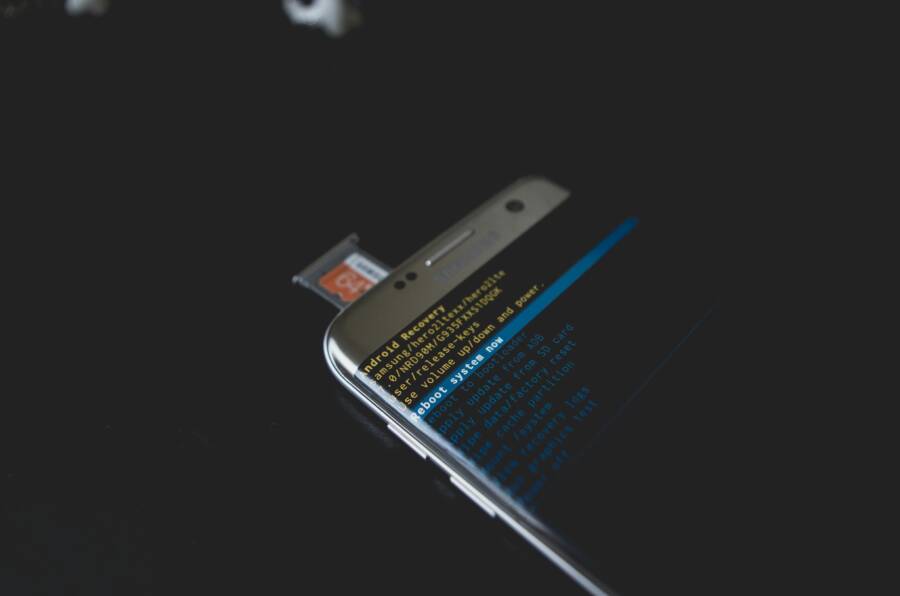
 Photo by Kelvin Valerio
Stock camera behavior on most Android devices
By default, most Android cameras save new photos to internal storage in a folder like DCIM/Camera. Some brands let you pick a storage location from the camera app settings, but this option is not common across stock apps. If you don’t see a setting labeled “Storage location,” “Save to,” or similar, the camera app isn’t offering a direct path switch.
- On devices with SD card support, you might find a setting that says “Save to SD card.” When available, selecting it will redirect new captures to the card.
- On many phones, the option appears only after you insert an SD card and reboot or reopen the camera app. On others, it simply isn’t present in stock apps.
- For Pixel phones, which typically lack SD slots, changing the save location to an SD card is not possible at capture time. Photos will always land in internal storage (DCIM/Camera) and can be moved later via the Files app or Gallery.
If you want to verify your exact path, open your camera app, head to Settings, and look for terms like Storage, Data storage, or Save to SD card. If the option isn’t there, you’ll need a workaround to free space or organize files.
Useful reads and related guidance:
- For Android 14 related discussions on default SD storage behavior, see community threads and official help pages. Google Support thread on camera default SD card storage
- How others handle SD as default storage on Android devices. SlashGear: How To Set An SD Card As Your Android Phone’s Default Storage
- General tips on redirecting camera saves to SD card via alternative methods. Tenorshare guide on saving to SD card by default
Why you might want to move storage
There are solid reasons to shift where your camera saves files, especially on devices with limited internal storage. The most common drive is space, but there are other practical benefits to consider.
- Space management: Photos and videos can fill up quickly. When your media sits in the same place as apps, you risk slowdowns and limited room for new captures.
- Performance: A nearly full internal storage can slow down general device performance. Offloading media to an SD card or cloud can help keep the system responsive.
- Organization: Keeping media separate from apps helps prevent apps that constantly write data from clogging up your gallery or photo app.
If you use an SD card, you gain another layer of organization. You can keep media in a dedicated folder on the card and back up that card separately. Cloud backups also reduce on-device storage pressure, letting you access your photos from anywhere while preserving device performance.
To maximize space, you might combine SD card storage with periodic cleanups and automated backups to the cloud. This approach gives you a lot more breathing room for your everyday smartphone use, especially during trips or busy photo sessions.
Workarounds that work today
If the stock camera won’t let you change the default save location, several practical paths can help you manage storage today.
- Enable storage saver to reduce file sizes: Some camera apps offer options to shoot in lower resolutions or compressed formats. This can dramatically cut space usage without a noticeable drop in quality for social sharing.
- Use cloud backups to free local space: Automatic backups to the cloud keep your images safe and reduce the number of files stored on the device. Services like Google Photos, iCloud, or other cloud options can be set to delete local copies after upload.
- Move files after capture via file managers: After you take photos, open a file manager and move the DCIM folder or individual files to the SD card or a cloud-synced folder. This is straightforward on most Android devices and avoids the need for a permanent save path change.
- Inserting an SD card and restarting: On some devices, reinserting the card and restarting the camera app unlocks additional save options. If you do this, verify the new location is used for future captures.
- Consider app-level storage choices: Some third-party camera apps offer more control over where new media is saved. This can give you direct, reliable control over storage even when the stock app doesn’t.
Practical example: If you shoot a lot outdoors, enable a cloud backup for night photos and move daily highlights to the SD card each evening. This keeps your current space free while preserving access to everything you captured.
Using third party apps to get a different save path
If you need more control over where your photos are stored, third party camera apps can help. Apps like Open Camera and other advanced tools often provide explicit storage options.
- Open Camera and similar apps: These apps frequently include a setting to pick a save location, sometimes offering direct SD card storage or custom folders on internal storage. They can save new images directly to the chosen path, or at least organize files within the app’s own storage for easy export.
- App storage and export: Even with these apps, some saves still occur in the app’s internal folder. You may need to export or share files to the SD card or cloud after capture.
- Practical use: If you want a clean separation between captured media and other apps, a camera app that offers a dedicated storage path can simplify long-term organization.
- Caveats: Availability and reliability of the storage option vary by app and device. Always test the path after an update to confirm it sticks.
To get the most from third party apps, pick one with a straightforward interface. Look for clearly labeled storage options and a simple export workflow. If you’re aiming for a consistent path, plan to move or export files regularly to your preferred folder on the SD card or cloud.
External resources you may find helpful:
- Community discussions about camera app storage options, including Open Camera settings and typical storage paths. XDA Forums: Camera app storage location
Throughout this section, keep in mind the practical reality: the default save path in stock apps is not universally customizable. If you rely on a precise path for workflow or backups, a mix of app-based controls and post-capture file management is often the most reliable approach.
External links for deeper reading and model-specific behavior:
- Pixel and other stock Android behavior on SD card storage and default save paths. Google Support thread on Android 14 camera storage
- General tips for enabling SD card as internal storage on Android devices. LifeWire guide
- Additional practical guides about moving files after capture. Tenorshare Android save photos to SD card by default
If you’re unsure how these options apply to your specific smartphone model, share your device make and model. I can tailor concrete steps for your exact setup and OS version, so you can manage photo storage confidently.
iPhone users: Is changing the save location possible?
If you own an iPhone, you probably noticed that every photo your camera takes ends up in the Photos app. There isn’t a built in setting to redirect those captures to a different folder, an external drive, or a cloud app at the moment of capture. This section explains why that is and what you can do instead to manage storage and keep your smartphone photography organized.
What happens when you take photos on iPhone
On iPhone, the Camera app saves images and videos directly into the Photos library. Apple designed the workflow to keep media consistent across devices and services, especially with iCloud Photos. There is no supported option to designate a separate destination for new captures, such as a Files folder or an external drive, at the moment of capture. If you want to adjust where copies live, you’ll need to use post capture methods or cloud-based options.
Because Photos is the central hub for your media, any changes you make to storage usually happen after the fact. You can enable iCloud Photos to store full resolution images in the cloud and keep device space free, or you can move files manually after capture. Shortcuts can automate some of these tasks, but they don’t create a true alternative save path at capture time. For most users, that means a practical workflow involves cloud storage and regular file organization rather than changing the camera’s default destination.
External resources that help clarify how the iPhone keeps photos organized and how to manage storage safely:
- Apple’s guidance on iCloud Photos and storage management: Set up and use iCloud Photos https://support.apple.com/en-us/108782
Alternatives that work
While you can’t change the save location directly, you have solid options to keep your photos accessible and organized. The goal is to maintain a smooth workflow without losing files during transfers.
- Keep photos in iCloud Photos: This keeps a full copy in the cloud and makes the library available across your devices. It removes pressure from the on-device storage and provides a reliable backup.
- Enable cloud backups: Automatic backups to iCloud Photos or other cloud services protect your images and simplify access from anywhere.
- Manually transfer clips to external storage or a computer: After capture, move or copy the photos to a Files folder on iCloud Drive, a USB drive, or your computer for long term storage.
- Shortcuts as a potential automation tool: Shortcuts can help automate moving new photos to Files or cloud locations, but it isn’t a perfect substitute for a designated capture path.
If you want a concrete starting point, begin with turning on iCloud Photos and Optimize Storage, then build an after-capture routine that moves new photos to a preferred cloud-backed folder. This keeps your on-device space in check while ensuring your media stays safe and easy to locate later.
Helpful reads and practical guidance:
- Set up iCloud Photos and manage storage on your iPhone https://support.apple.com/en-us/108782
- Back up and sync your photos to iCloud https://support.apple.com/guide/iphone/sync-photos-videos-icloud-iph961b96c4d/ios
Using iCloud Photos for cloud storage and space management
iCloud Photos works with the Photos app to store every photo and video in the cloud, freeing local space while keeping your library accessible across devices. When you enable Optimize iPhone Storage, the device keeps smaller versions locally and stores the full resolution in iCloud. This is a practical way to manage space without changing where captures are saved.
To enable and tune storage settings in plain terms:
- Go to Settings, tap your name, then iCloud, and choose Photos.
- Turn on iCloud Photos to start syncing to the cloud.
- Enable Optimize iPhone Storage to keep device space free. The full originals stay in iCloud and download when you open a photo.
- If you need more immediate control, periodically review and remove unneeded media from the Photos app, or export copies to an external drive or cloud folder.
For a broader view on how iCloud Photos works and how to control storage, Apple provides step by step instructions:
- Set up and use iCloud Photos https://support.apple.com/en-us/108782
- Back up and sync your photos and videos with iCloud https://support.apple.com/guide/iphone/iph961b96c4d/ios
Manual transfers to external storage
If you want to keep a local copy outside the Photos library, manual transfers are a reliable approach. Use these practical steps to copy photos from the Photos app to external drives or cloud folders without risking data loss.
- Open the Photos app and select the photos you want to save elsewhere.
- Share or export the selected items to a Files location or an external cloud folder you have mounted on your iPhone.
- For external drives, connect the drive, then choose the target folder in the Files app and copy or move the photos over.
- Verify the transfer by checking the destination folder and the source library to ensure all files moved correctly.
Tips to avoid losing files during transfers:
- Always copy rather than move during a test run to confirm the destination holds exact copies.
- Keep a small subset of critical photos in two places until you confirm the workflow works.
- If you’re moving a lot of photos, do it in batches to reduce the chance of interruptions or errors.
A practical example: you shoot a busy day of events and want a clean local backup. After the shoot, export the day’s highlights to a dedicated cloud folder and duplicate the same set to an external drive. This two-pronged approach keeps your most important images accessible and protected.
To learn more about transferring photos between devices and storage options, you can explore these resources:
- Transfer photos and videos from your iPhone or iPad to a Mac or PC https://support.apple.com/en-us/120267
- How to move photos from device to computer using various workflows https://www.youtube.com/watch?v=xQTKFQdnI7E
Shortcuts and automation options
Shortcuts can help streamline file organization after capture. While they do not alter the camera’s native save path, they provide a practical way to move new images to Files or cloud storage with minimal effort.
- Create a shortcut to monitor new photos added to the Photos library and automatically copy them to a designated folder in Files or a cloud drive you use.
- Use automation to run the shortcut at a predictable time (for example, after you finish a shoot) so that fresh captures are organized without manual steps.
- Remember, these automations are convenient aids, not a complete substitute for a direct capture destination change.
If you’re curious about practical shortcut setups, start with a simple automation that copies the most recent photos to a cloud folder after you finish shooting. Over time, you can refine the workflow to match your routine and devices.
Helpful resources on Shortcuts and automations:
- Enable iCloud Drive sync using Shortcuts’ personal automations https://discussions.apple.com/thread/255062411
- Shortcuts and file management workflows on iPhone https://www.icloud.com/shortcuts/30a9d8
Using these methods, you can keep every photo organized and easy to locate, even though the camera’s save path remains fixed in the Photos library. The key is a consistent post-capture workflow that fits how you work with your iPhone, whether you’re a casual shooter or a more serious smartphone photographer.
External references and deeper reading:
- Set up and use iCloud Photos https://support.apple.com/en-us/108782
- Transfer photos and videos from your iPhone or iPad to your Mac or PC https://support.apple.com/en-us/120267
- Back up and sync your photos and videos with iCloud https://support.apple.com/guide/iphone/iph961b96c4d/ios
If you want tailored steps for a specific iPhone model or iOS version, share your device details and I’ll outline precise actions you can apply today to manage photo storage confidently.
What If the Only Thing Between You and the Life You Deserve Is a Hidden Wealth Code Waiting to Be Activated
>>> Open the Door <<<

Best practices to manage camera storage on both platforms
You now know the limits of changing default save spots on Android and iPhone. Smartphones fill up fast with photos and videos, so smart habits keep space open without constant worry. These steps work across platforms and build on what you’ve set up. They focus on backups, cleanups, and tweaks that save time and effort.

Photo by Andrey Matveev
Back up to cloud and free space with easy actions
Set up automatic cloud backups to protect your shots and reclaim device space. On Android, turn on Google Photos backup. It uploads images to the cloud and lets you delete local copies with one tap once safe. Open the app, tap your profile, go to Photos settings, and select Backup. Choose high quality for free unlimited storage or original for paid plans. Then, use the Free up space tool under your profile to remove backed-up files instantly.
iPhone users get the same ease with iCloud Photos. Go to Settings, tap your name, then iCloud, and turn on Photos. Pick Optimize iPhone Storage to store full files in the cloud while keeping small previews on your phone. Check storage levels anytime in Settings > General > iPhone Storage. The bar graph shows what’s taking space, so you spot photo buildup quick.
Quick tip: Review storage weekly. If photos top 50% of space, run a free up action. This routine keeps your smartphone running smooth, even after heavy shooting days.
For Android details on freeing space after backup, check Google’s guide.
Regular cleanups and file management
Build a simple review habit to spot space hogs like duplicates or old screenshots. Aim for weekly checks on light use or monthly for heavy shooters. Open your gallery app, sort by date added, and scan the last 30 days. Delete blurry shots, repeats, and unused screenshots in batches.
Use built-in tools for help. On Android, the Files by Google app highlights large files and duplicates under Clean. Tap suggestions to review and trash them. iPhone’s Photos app flags similar images in Duplicates under Albums; select and merge or delete.
Other easy picks include Gemini (formerly Google Photos cleaner) for Android or apps like CleanMyPhone for iPhone. They scan without digging into folders. Start with 10 minutes per session. You’ll free gigabytes fast and keep your library sharp.
This method prevents small issues from growing. Your photos stay organized, and space opens for new captures.
Use external storage or computer transfers when helpful
Move files off your phone when internal space runs low or you shoot bursts, like at events. Android shines here with SD cards. Insert the card, open Files app, select DCIM/Camera folder, and copy to the card. Long-press files, tap Move, pick the SD path, and confirm. Do this after big days to keep internal storage under 80% full.
Skip SD if you lack a slot; transfer to a computer instead. Connect via USB, choose File Transfer mode, and drag folders to your PC. Both platforms support this.
There Is a Frequency That the Wealthiest Families Have Used for Generations and Most People Will Never Know It Exists
>>> Open the Door <<<
On iPhone, connect to a Mac or PC with cable, trust the device, and use Image Capture or Photos app to import. For wireless, AirDrop to Mac or use Finder. Test with a few files first to confirm copies work.
When to use: After trips or when storage hits 90%. Batch transfers take minutes and give peace of mind.
Manage file formats and compression for space
Cut file sizes at capture to stretch storage. Stick to formats your device handles well. iPhones default to HEIC for photos and HEVC for videos; they pack detail into half the space of JPEG or H.264. Keep this on unless you share with non-Apple users.
Android varies, but set camera to HEIC if supported in settings. For videos, drop to 1080p from 4K if you take many clips. Open Camera settings, find Video size, and select 1080p 30fps. Quality holds for most views, but files shrink by 75%.
Test shots side by side. If details look good, lock it in. Pair with cloud backups for originals if needed.
These tweaks add up. A smartphone with mixed formats stays lean, ready for more memories without swaps.
Step-by-step guide to applying these changes today
If you want immediate improvements in how your camera stores photos, this section lays out actionable steps you can follow now. You’ll move through devices step by step, with clear actions you can take today. Whether you’re on Android or iPhone, a little organization goes a long way toward keeping memories accessible and your device responsive. Think of this as a quick playbook you can reference during a quick setup session with your smartphone.
Android stock camera and storage saver setup
- Open the Camera app and go to Settings (gear icon) or Menu. Look for a setting labeled Data storage, Storage location, Save to, or similar.
- If you see Storage location or SD card, select SD card. This moves future captures to the card, when supported by your device.
- If the option isn’t present, confirm the SD card is properly inserted and mounted in Settings → Storage. Some devices require you to insert the card, reboot, or reopen the camera app before the option appears.
- On phones that support adoptable storage or do not have an SD slot, changing the default capture location may not be possible. In these cases you can still manage space by post-capture moves or third-party apps.
- To verify the path, take a photo and check the DCIM/Camera folder (or the chosen path) in a file manager or Gallery app.
Note on SD card availability: devices vary. Some phones ship without an SD slot; others offer a direct switch to SD in the camera app. If you don’t see an SD option, you’ll need to rely on post-capture file management or a third-party camera app that supports SD storage. For more context around Android SD card usage, you can read guidance and discussions from Android communities and official pages. For example, Android 14 discussions about default SD card storage provide practical insights.
- After you enable SD storage, test with a few photos to confirm the new location sticks for subsequent captures.
- If the option is hidden or disappears after an update, consider a third-party camera app that exposes a save path, or use post-capture moves to organize files.
Useful reads:
- Android SD card storage and default save behavior: https://support.google.com/android/thread/319884591/using-android-14-go-photo-from-camera-default-sd-card-storage?hl=en
- How to set an SD card as default storage on Android: https://www.slashgear.com/1962653/how-to-set-sd-card-as-android-phone-default-storage/
Practical note: if you rely on a precise path for workflows or backups, a mix of stock app settings and post-capture file management is often the most reliable approach.
Android with third party camera apps
- Install a popular third party like Open Camera or Camera FV-5 from the Google Play Store.
- Open the app and access Settings. Look for Storage location or Save to path.
- Choose a save path on the SD card or a designated folder on internal storage that syncs with a Files location if the app supports it.
- In Open Camera, you can set a dedicated folder on the SD card (for example, SD Card/DCIM/OpenCamera) so new photos go to a predictable place.
- After changing the path, take a test photo to confirm future captures use the chosen location.
- If you want to move existing files, use a file manager to relocate the DCIM/Camera or app-specific folders to the SD card.
Quick-start tip: third party apps often expose a direct storage option that stock camera apps do not. If you shoot a lot and want a clean separation between captured media and other apps, this is a solid path.
External resources you may find helpful:
- Open Camera save location guidance and user discussions: https://support.google.com/android/thread/319884591/using-android-14-go-photo-from-camera-default-sd-card-storage?hl=en
- Open Camera usage and storage path discussions: https://forum.earlybird.club/threads/saving-images-with-opencamera-app-to-sd-card.1346135/
These apps offer straightforward storage options and can simplify keeping media on the card or in a dedicated folder. Remember to test after every update to ensure the path remains stable.
iPhone setup for cloud and backups
- Enable iCloud Photos: go to Settings, tap your name, then iCloud, then Photos. Turn on iCloud Photos.
- Decide between Optimize iPhone Storage or Download and Keep Originals. Choose Optimize to keep space on-device while full copies stay in iCloud.
- If you need a local copy outside Photos, plan a manual transfer workflow. You can export originals from Photos to an external drive or cloud location, or use the Files app to copy items to a mount point on iCloud Drive or an external drive when connected.
- For a hands-on workflow, periodically review and move or export photos to a Files folder on iCloud Drive or to an external drive. Shortcuts can automate some of these tasks, but they don’t create a true alternate capture destination.
Actionable steps to get started:
- Turn on iCloud Photos and choose Optimize Storage to free up space on the device.
- After capturing, create a simple Routine to move recent photos to a dedicated cloud folder or external drive on a weekly cadence.
Helpful reads:
- Set up iCloud Photos and storage management: https://support.apple.com/en-us/108782
- Transfer and backup approaches for iPhone photos: https://support.apple.com/guide/iphone/iph961b96c4d/ios
Automation ideas to stay tidy
Automation helps maintain order without taking you away from the camera. Use light, low-effort Shortcuts or routines that run on a schedule to back up or move new photos.
- Simple shortcut: create a routine that copies the most recent 50 photos from the Photos library to a Cloud Drive folder or Files location each night.
- Schedule-based cleanup: set a weekly automation to export or move new media to your chosen destination, then send a quick confirmation notice to your phone.
- Cross-platform rhythm: for Android, pair a camera app with a cloud backup that deletes local copies after upload. For iPhone, keep iCloud Photos on and automate transfers to external storage as needed.
A practical reminder: automation helps, but it’s not a replacement for regular checks. A quick weekly review ensures you catch duplicates or mis filed items before they snowball.
A starter shortcut idea:
- On iPhone, create a personal automation that runs at a fixed time to copy new Photos to a cloud folder. Then review the destination path to confirm everything moved correctly.
Which tools to explore:
- Shortcuts automation basics and file management: https://discussions.apple.com/thread/255062411
- Shortcuts gallery and ideas for photo file management: https://www.icloud.com/shortcuts/30a9d8
If you want a tailored automation plan, share your typical shooting scenarios and preferred destinations. I can outline a simple, reliable workflow that fits your day.
Including a few practical notes:
- Automation works best when paired with a consistent capture workflow.
- Always keep a small offline backup before deleting local copies, in case of errors.
External reading to deepen your automation know how:
- iCloud Drive sync setup and shortcuts for file management: https://discussions.apple.com/thread/255062411
Follow these steps, and you’ll have a solid, low effort setup that keeps your photos tidy across devices. If you want more model-specific steps or need to align with a particular workflow, share your device details and I’ll tailor the plan for you.
Conclusion
Changing the default camera save location works well on Android when the device supports SD cards or adoptable storage, but iPhone users should focus on post capture organization and cloud options since the Camera app cannot redirect captures to a different on device folder. For most smartphone users, a simple system beats a perfect setup, so pick one trusted approach and stick with it.
Key takeaways you can act on today:
- Android: if the option is available, set the save path to the SD card; otherwise use a reliable third party camera or post capture moves.
- iPhone: enable iCloud Photos with Optimize Storage to keep space free, and back up to cloud or external drives after capture.
- Maintain a consistent workflow by pairing automatic cloud backups with periodic local transfers to an external drive.
quick-start checklist
- Check Camera settings for Storage location on Android; set to SD card if possible
- Insert or verify SD card is mounted and usable
- Enable iCloud Photos and Optimize Storage on iPhone
- Set up a simple post capture rule to back up or move recent photos
- Test with a few captures to confirm the chosen path or workflow sticks
If you want tailored steps for a specific model or OS version, share your device details and I’ll map out exact actions you can apply today.
She Pressed Play on a Strange Audio Track and Within Days Her Financial Reality Started Shifting in Ways She Could Not Explain
>>> See How It Works <<<