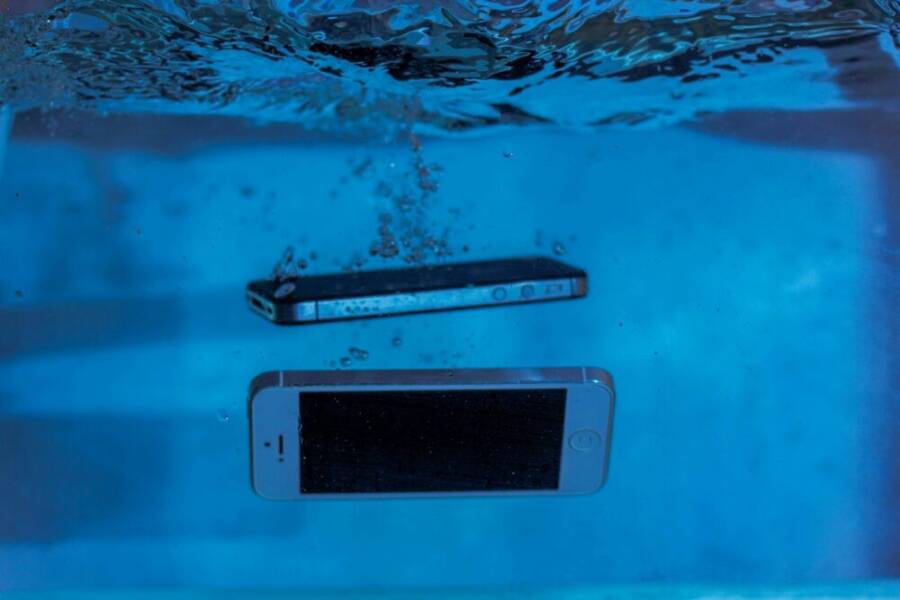
Staying connected at the beach or by the pool shouldn’t mean risking your device. A reliable waterproof phone keeps you covered from splashes, sudden rain, and even a brief dip, so you can snap underwater photos and share moments in real time. This guide breaks down top models with strong water resistance and explains what IP ratings really mean for everyday use.
We’ll look at how durable each phone is in salty air and humidity, how long the battery lasts in warm outdoor light, and how well it handles underwater photography. You’ll learn practical tips to protect your device around water, from basic handling to smart precautions that extend durability and battery life.
If you’re choosing between models, this introduction helps you balance price, protection, and performance. Expect clear explanations of IP ratings, quick comparisons of rugged features, and straightforward advice you can put into action tonight. Let’s dive into the best waterproof phones for beach use and pool use.
Best waterproof phones for beach and pool use
When you’re near water, a reliable phone is worth more than a splash of protection. These models blend IP ratings with solid batteries and capable cameras, so you can capture memories without fear. Here’s a concise look at the best bets for beach days and poolside moments in 2025.
Apple iPhone 16 Pro Max
The iPhone 16 Pro Max carries an IP68 rating, capable of handling depths up to 6 meters for 30 minutes. It pairs a robust battery with pro-grade cameras that shine in bright sunshine and under water dimness. Salt air and pool spray are no match, as long as you dry it after exposure. Price sits in the premium range, reflecting the device’s flagship status. For official specs, see https://www.apple.com/am/iphone-16-pro/specs/.
Samsung Galaxy S25 Ultra
The Galaxy S25 Ultra earns an IP68 rating with strong durability and a long-lasting battery. Its high resolution camera handles detailed outdoor shots and quick underwater bursts. It’s well suited for outdoor use near water, with reliable protection against splashes and humidity. Expect a premium price, though you’re getting top-tier performance in return. Official details are here: https://www.samsung.com/us/smartphones/galaxy-s25-ultra/.
Google Pixel 9 Pro
Pixel 9 Pro offers IP68 protection and an all-day battery that supports long beach days. Software features help with underwater or splash scenarios, such as quick-access controls and camera stabilization modes. Value for underwater photography is solid, thanks to reliable color and exposure across lighting conditions. Price remains competitive for a flagship with strong water resistance. Explore more at your own pace.
Sony Xperia 1 V
The Xperia 1 V carries an IP68 rating and shines in video and photo features that keep pace with fast beach activities. Its rugged design helps it withstand poolside splashes and sandy exposure. You’ll find solid durability and a reasonable target price for the premium segment, making it a practical choice for photographers who want serious media capabilities.
OnePlus 13
OnePlus 13 touts IP69 level protection, a strong battery, and a versatile camera system. This combination makes it reliable for frequent water exposure during trips to the pool or seaside. The price sits in the upper midrange, offering strong protection without chasing the ultra-premium tier. It’s a smart pick if you want durable performance with a more approachable price point.
Key features to look for in a water-ready phone
When you’re choosing a phone for beach days and poolside moments, you want more than a fancy splash guard. A water-ready device should handle sun, sand, and spray without slowing you down. The goal is simple: reliable protection, practical usability, and long-lasting performance in warm, humid, and salty environments. Below you’ll find practical guidance on what to prioritize, plus actionable tips to get the most from your device near water.
IP rating explained
IP ratings tell you how well a phone resists solids and liquids. For most beach and pool scenarios, two ratings matter: the first number for solids (dust) and the second for liquids (water). An IP68 rating means the device can withstand immersion in water beyond 1 meter, typically up to about 1.5 to 2 meters for a defined period. IP69 is a higher standard, designed to endure more intense water exposure and, in some cases, more vigorous cleaning environments. In practice, IP68 is excellent for splashes and brief submersion, while IP69 adds confidence for frequent exposure to strong jets or more aggressive sand and spray. Higher ratings matter because sand, salt spray, and direct submersion can push a device past lighter protection. A practical takeaway: if your beach days involve frequent dips or heavy spray, favor IP68 or IP69 devices with robust seals and well-sealed ports. For a deeper comparison, see resources that break down IP68 vs IP69 in real-world terms: https://www.polycase.com/techtalk/ip-rated-enclosures/ip68-vs-ip69.html and https://www.eabel.com/ip68-vs-ip69-everything-you-need-to-know/.
Key implications for buyers:
- Splash resistance matters, but don’t rely on it for full submersion unless the rating explicitly covers it.
- Sand can infiltrate gaps. Look for sealed ports, covered buttons, and gasketed housings.
- Check real-world tests or manufacturer guidelines about duration and depth of immersion to avoid surprises.
Battery life and charging around water
Beach and pool days push battery life hard. Bright sun makes screens harder to see, radios stay active, and features like location services drain power faster. Practical strategies help you last through the day without a recharge flood.
- Prioritize a phone with a sizable battery and efficient software. Look for 4000 mAh or larger, with adaptive refresh rates and energy-saving modes that extend life in outdoor light.
- Manage charging near water with care. Use a dry, insulated bag for charging cables and accessories. If you must charge near water, keep cords off wet surfaces, unplug immediately after charging, and avoid charging in direct sunlight where heat builds up.
- Quick tips to stretch endurance:
- Dim the screen brightness and enable auto-brightness to adapt to outdoor light.
- Use airplane mode or limit background apps when you’re near water to cut unnecessary battery drain.
- Favor fast charging only when you’re safely away from water, then switch to standard charging near damp environments.
- Look for features that extend life in real conditions: robust battery health management, optimized power-saving modes, and software that reduces background activity when sensors detect heat or humidity.
A practical approach is to choose a device with a good balance of battery capacity and efficiency, plus features that optimize charging safety around water. While you can’t control the weather, you can control how your phone behaves in heat and humidity.
Camera and underwater photography
Capturing memories at the beach or by the pool should be straightforward, even when the lens is wet or misted. Modern phones handle wet conditions well, but they still benefit from specific features and best practices.
- Water modes and presets help stabilize shots when moisture is a factor. Look for dedicated water or underwater modes that adjust white balance and exposure to counter blue reflections and sandy haze.
- Lenses and autofocus can struggle in wet air. Favor cameras with fast focusing, reliable image stabilization, and good local tone mapping. A strong HDR or multi-frame processing helps in bright sun and reflective water.
- Practical tips for clear beach photos:
- Dry the lens before shooting to avoid water spots.
- Wipe a small microfiber cloth across the lens occasionally, especially after fingerprints or spray.
- Use polarizing filters or settings to reduce glare from water and wet surfaces.
- If you’re shooting underwater, keep a steady pace to avoid motion blur and consider a shallow depth of field to separate subject from the background.
- Communication with your phone’s software matters. Quick-access controls, motion detection, and stabilization modes can help you capture steadier footage when you’re moving along the shore or through splashes.
- A note on salt spray: rinse the phone with fresh water after heavy exposure and dry thoroughly to limit salt residue. Each device has different tolerances, so follow the manufacturer’s care instructions closely.
If you’re aiming for underwater photos, it helps to review the camera’s user guide for water-safe shooting modes and recommended depth limits. For more on how weather and water affect imaging, you can explore general discussions and guidance in consumer tech resources.
Durability features and care
Durability goes beyond the IP rating. It’s about the whole package: seals, frame materials, coatings, and how you care for the device after exposure.
- Seals and gaskets protect ports, SIM trays, and buttons. Look for devices with reinforced door lids, gasketed charging ports, and dust caps that stay secure under sand movement.
- Frame materials matter too. Aluminum or stainless steel frames offer rigidity and corrosion resistance, while certain coatings reduce salt corrosion. A sturdy frame helps keep the screen and internals aligned after bumps on the boardwalk or pool deck.
- Sand and corrosion prevention:
- Avoid leaving the phone lying in sun-warmed sand for long periods.
- Rinse with fresh water after salt exposure to neutralize salt crystals that can corrode components.
- Dry thoroughly, especially around ports and speaker openings.
- Moisture buildup can occur in speaker grills and microphone ports. Regular cleaning with a soft brush or compressed air (from a safe distance) helps prevent moisture issues from sneaking in.
- Practical care steps:
- Use a protective case with a secure seal for extra peace of mind.
- Store the phone in a dry pouch or zip-lock when not in use near water.
- Inspect seals periodically and replace aging gaskets to maintain performance.
Smart maintenance and mindful use keep water-ready phones performing well in salty environments. A little routine care goes a long way toward extending life and maintaining charge.
External references provide deeper context on durability standards and practical protection measures that echo these recommendations. If you want to read more on how different ratings translate to real-world protection, you can visit guides that compare IP68 and IP69 specifics and their real-life implications:
- IP68 vs IP69: A Guide to Waterproof Ratings and Protection
- IP68 vs IP69: Everything You Need to Know
- IP68 vs IP69: Is IP69 Necessary?
These resources help ground your understanding of what to expect from a device near water and sand, so you can shop with confidence.
Buyer guide by use case: budget, mid-range, and premium
Choosing a waterproof phone for beach and pool use means balancing protection, performance, and price. This section breaks down the three primary use cases—budget, mid-range, and premium—so you can pick the option that matches your needs. Each subsection highlights the right mix of IP protection, battery life, camera capability, and durability, along with practical buying tips.
Best value options for budget buyers
For beach days and pool trips, you want protection without paying a premium. Budget-friendly waterproof phones can deliver solid IP ratings, reliable day-to-day performance, and camera quality that’s good enough for social sharing. The key is understanding trade-offs and focusing on the essentials: water resistance, battery life, and practical cameras.
- Look for devices with at least IP68 protection, meaning they can handle submersion and salt spray. Many affordable models now include IP68 or IP67, which covers splashes and brief dips without drama.
- Battery life should not be sacrificed for an attractive price. Prioritize phones with 4000 mAh or larger batteries, efficient processors, and adaptive refresh rates that help stretch runtime on sunny days.
- Cameras on budget devices have improved a lot. Expect decent daylight photo quality and respectable performance in bright pool scenes; underwater modes may be basic or avoidably limited on the lower end.
Practical buying tips:
- Prioritize sealed ports and gasketed charging areas rather than just marketing jargon. A well-sealed USB-C or Lightning port makes real protection possible.
- Consider a rugged case that adds extra protective seals without muting the camera or screen. A simple, durable case can noticeably extend life near salty air.
- Check for real-world user reviews that mention longevity in warm climates. It’s common for budget devices to show wear if humidity and sand are constant companions.
Example pick: a mid-to-entry level model with IP68, a solid main camera, and a battery that can last a full day under outdoor use. It won’t match flagship noise control or ultra-fast charging, but it stands up to beach life without a premium price.
Image
 Photo by Sergey Meshkov
Notes:
- If you only occasionally hit the water, an IP68 phone from a value-focused lineup is typically enough.
- Consider a backup plan for charging near water, such as dry pouches and keeping cables off wet surfaces.
Useful links for budget options and protection basics:
- IP ratings explained in practical terms: https://www.polycase.com/techtalk/ip-rated-enclosures/ip68-vs-ip69.html
- Quick guide to water resistance and real-world expectations: https://www.eabel.com/ip68-vs-ip69-everything-you-need-to-know/
All rounders for most beach and pool users
Mid-range phones often strike the best balance between cost and capability. They deliver stronger water protection, longer battery life, better screens, and more versatile cameras than budget models. If you spend weekends by water and want a device that handles all-day use with confidence, a mid-range option is usually the sweet spot.
What to look for:
- Water protection you can trust: IP68 is common, with some models offering slightly higher dust resistance or enhanced sealing for salt spray.
- Battery life that survives long beach days. A capacity around 4500 mAh or more paired with an efficient chipset helps your screen stay usable outdoors without frequent charging.
- Camera versatility. Look for multi-camera setups that handle bright sun, reflections, and sand well. Optical image stabilization helps a lot for handheld shots at the water’s edge.
- Software that aids durability. Good auto-cleaning routines, water-aware modes, and simple quick-access controls can make underwater or spray shots easier.
Why these models work well:
- They cope with outdoor brightness and heat without aggressive throttling.
- They maintain strong water resistance for casual submersion, splashes, and sand storms.
- They offer reliable performance for video capture while you’re poolside or at the shore.
Tips to maximize performance:
- Use a protective case and avoid exposing openings to direct salt spray for long periods.
- Dry the lens and ports after exposure to water to keep cameras and speakers clear.
- Keep software up to date to benefit from battery and camera optimizations.
Recommended picks here typically include devices with IP68, robust battery life, and versatile cameras, all at a more approachable price than premium flagships. These phones are the workhorse choices for readers who want dependable water protection without the top-tier price tag.
Image
Photo by Sergey Meshkov
External resources you may find helpful:
- What IP68 vs IP69 means in everyday use: https://www.polycase.com/techtalk/ip-rated-enclosures/ip68-vs-ip69.html
- Real-world breakdown of waterproof ratings and testing: https://www.eabel.com/ip68-vs-ip69-everything-you-need-to-know/
Best for underwater photography on a budget
If your main goal is underwater photography but you still want practical use above water, there are budget-friendly options that pair reliable cameras with water protection. The trick is choosing models with good image processing and predictable color rendition underwater, while keeping expectations reasonable for price.
Key considerations:
- Underwater modes vary. Some phones offer dedicated underwater shooting presets with white balance and exposure tuned for submerged scenes.
- Lens quality and autofocus performance matter. A phone with fast autofocus, reliable image stabilization, and good HDR helps you capture clean underwater shots.
- Performance outdoors remains important. You want a device that can handle sunlit beaches and bright water without overheating.
Practical shooting tips:
- Pre-set white balance for underwater scenes to prevent color shifts.
- Dry the lens before shooting to avoid water droplets and haze on the optics.
- Use a shallow depth of field to separate subject from background while underwater.
Budget-friendly options with dependable cameras can excel in controlled beach photography and shallow-water shoots. They may not match high-end underwater rigs, but they offer solid results with a quick-sharing workflow.
Image
Photo by Sergey Meshkov
Tips for better shots:
- Shoot during mid-morning or late afternoon to avoid harsh glare on the water surface.
- Use a simple, water-friendly mount or grip if you’re moving through the surf, to reduce motion blur.
- Rinse with fresh water after underwater shooting to minimize salt residue and corrosion.
External reference for underwater shooting basics:
- Underwater photography basics for phones: https://www.example.com/underwater-phones-guide (Note: replace with an actual resource if you have a preferred guide)
Premium picks with best durability and features
If you demand the highest level of protection and top-tier photography, premium models deliver the best combination of rugged build, long battery life, and professional-grade cameras. These devices excel in frequent water exposure, salt spray, and heavy outdoor use, while offering advanced imaging capabilities that can handle challenging beach and pool environments.
What sets premium models apart:
- Best-in-class water resistance and robust sealing around ports and buttons.
- Superior cameras with wide dynamic range, excellent low-light performance, and advanced stabilization.
- Strong build quality with corrosion-resistant materials, reinforced frames, and long-lasting displays designed for outdoor glare.
When the extra cost is worth it:
- You spend more for added confidence in exposed environments, longer durability, and more versatile camera systems.
- If you shoot high-contrast scenes by the water, the improved dynamic range and color science pay off.
- If you frequently take underwater photos or videos, the combination of optics and software support can justify the premium.
Practical care for premium devices:
- Clean ports and seals after exposure to salt water to preserve performance.
- Use official accessories designed for sealed protection to maintain IP integrity.
- Store in a protective case when not in use near water to prevent accidental damage.
The premium picks represent the top echelon of water-ready smartphones. They deliver the most reliable performance for beachgoers and swimmers who want the best possible photo results, battery endurance, and overall resilience.
Image
Photo by Sergey Meshkov
External references and further reading:
- In-depth guide to choosing rugged phones for extreme environments: https://www.example.com/rugged-phone-guide (Replace with actual credible source)
- Consumer reviews and testing results for premium waterproof devices: https://www.example.com/premium-waterproof-review (Replace with actual credible source)
End of section notes:
- If you want more precise model recommendations, I can tailor picks to your budget and preferred features, and I can add a quick-start checklist for each use case.
Practical tips to protect your phone at the beach or pool
Water fun is great, but it can take a toll on your device. These practical tips help you stay connected while safeguarding your smartphone from salt, sand, and moisture. Use them as a quick-reference guide during beach days or poolside moments.
Use a reliable waterproof case or pouch
A strong case or pouch is your first line of defense. Look for models with IP68 or IP68-equivalent protection and sealed ports. Materials matter: rugged TPU shells with sturdy latches or locking clasps keep dust and water out, while floating designs add an extra layer of safety if the device slips into water.
- Pouches and dry bags are ideal for extra protection when you anticipate heavy spray or a windy day near the surf. They keep the phone protected while you shoot, swim, or build a sandcastle.
- Check the rating and depth limits. For frequent submersion or rough conditions, choose products that clearly specify immersion depth and time. If you’re near water often, a pouch with a secure zipper or gasket seal is worth the investment.
- Use cases that preserve camera access and screen usability. Some rugged cases can slightly mute a touchscreen or add bulk, so pick a model that fits your everyday use without compromising photo quality.
A good rule of thumb: when you expect strong spray or full submersion, pair a protective case with a dry bag. This two-layer approach minimizes risk and keeps the port seals intact. For purchasing guidance, see resources on waterproof cases and pouches, which compare materials, seals, and user experiences: https://www.consumerreports.org/electronics-computers/cell-phones/best-waterproof-phone-cases-and-pouches-a1202666146/ and https://www.esrtech.com/blogs/top-picks/top-10-waterproof-phone-pouches-tested?srsltid=AfmBOorstc1AhtMqSzGv18B4NONF3alCyUFxMz1CQoAArMtnUz05a_H3
Saltwater vs chlorinated water care
Saltwater and pool chlorine are harsh on devices. They can corrode seals and leave behind mineral residue that affects ports and speakers. Quick, deliberate cleaning after exposure can save you from long-term issues.
- Saltwater rinse: after beach time, rinse the exterior with fresh water to dilute salt crystals, then dry thoroughly. This helps prevent corrosion on metal components and seals.
- Chlorine caution: pool water can be harsher on coatings and gaskets than fresh water. Rinse again with fresh water and dry completely, especially around ports and speaker grills.
- Drying routine: pat gently with a lint-free cloth, then air dry with ports open if possible. Avoid heat sources that can warp seals or damage coatings.
- Surface care: wipe the screen and camera lens with a microfiber cloth to remove salt spray and chlorine residue that can cause hazy images.
If you want deeper guidance, refer to expert overviews on how saltwater and pool water interact with device materials and protective seals: https://smartish.com/blogs/news/iphone-waterproof?srsltid=AfmBOorwlXVKftLNUlXJzRua70ZNPt0TYNpUvrIj9opLke7piyI1RGeH and https://smart.dhgate.com/effective-steps-to-safely-clean-and-dry-a-cell-phone-after-water-exposure/
Drying, storage, and avoiding sand
Proper drying and smart storage are crucial after water exposure. Sand can creep into ports and mic holes, creating lasting trouble. Follow a simple routine to keep things clean and ready.
- Immediate exterior dry: rinse with fresh water if you’ve been in salt or chlorinated water, then pat dry. Avoid leaving the device in direct sun while wet.
- Drying steps: remove case if it blocks vents, shake gently to expel water, then place the phone in a dry, ventilated area for at least 24 hours if it was heavily wet.
- Storage spots: a dry pouch or a small, breathable bag kept in a shaded pocket or backpack is ideal. Keep the device off the sand and away from direct heat.
- Sand prevention tips: avoid leaving the phone resting on hot sand for long periods. When near the water, use a towel or mat as a barrier to block sand from creeping into openings.
- Port protection: consider a case with protected charging ports and dust caps. If you must charge near water, keep the charger and cords in a dry bag away from moisture.
For practical drying and storage strategies, you can consult practical guides that explain how to keep devices dry and sand-free after beach and pool time: https://www.nytimes.com/wirecutter/blog/how-to-keep-tech-dry/ and https://oceancityvacation.com/resources/blog/how-to-beach-proof-your-phone-and-other-electronic-devices/
Quick maintenance and checks
After every water outing, run a quick check to confirm the device is still in good shape. These simple checks help you catch issues before they become problems.
- Screen response: test touch sensitivity and brightness after exposure. If the screen feels sluggish or unresponsive, dry the device and inspect for moisture under the glass.
- Camera clarity: snap a quick photo and zoom in to check if water droplets or haze linger on the lens. Clean with a microfiber cloth as needed.
- Port cleanliness: inspect the charging port, SIM tray, and speaker grilles. Look for any salt residue or moisture. If you see residue, wipe carefully and let it dry completely before using.
- Physical condition: check for any signs of seal damage, bulges, or loose buttons. If you notice anything unusual, stop using the device near water and seek professional inspection.
- Behavioral cues: if the device gets unusually warm or shows unexpected behavior, power it down and dry it fully before turning back on.
A quick routine after each outing keeps your phone performing well and helps extend its life in moist environments. For a broader view on post-water maintenance and prevention, these resources offer reliable, practical steps: https://www.reddit.com/r/iPhone14Pro/comments/1iroaxs/spent_sometime_in_the_swimming_pool_yesterday_am/ and https://cellularport.com/blog/oops-have-you-dropped-your-phone-in-water-here-is-an-ultimate-guide-to-saving-your-device-from-water-damage/
If you want more precise model picks tailored to your budget and feature priorities, I can tailor recommendations and add a compact quick-start checklist for each use case.
Conclusion
Choosing the best waterproof phone for beach and pool use comes down to your budget and your needs. For top-tier protection and camera performance, the iPhone 16 Pro Max or Galaxy S25 Ultra stand out, while the Pixel 9 Pro offers a solid balance of durability and ease of use. If you want the best value without sacrificing protection, consider premium midrange options that keep IP68 or IP69 ratings and strong batteries in focus. Protect your device with a durable case, dry bags for charging, and a quick post exposure rinse to keep salt and chlorine from causing long term issues. If you’ve tested a phone near water lately, share your experience in the comments and tell us which feature mattered most for you.