Makeup artists who record tutorials need more than a pretty camera they also need a phone that captures true skin detail, accurate colors, and clean edits. The right device matters because subtle shade shifts and texture can make or break a look on screen, especially when you’re guiding viewers step by step. In this guide, you’ll learn how to pick a phone based on camera quality, stabilization, and battery life, with practical filming tips you can apply today.
We’ll break down what to look for in a camera system that handles makeup textures, pores, and color nuances without oversaturation. You’ll see how stabilization keeps hand movements from blur, glare from lighting won’t wash out detail, and how long battery life supports longer filming sessions and on‑the‑go shoots. This intro also covers a simple setup that lets you film clean, professional tutorials in a small space.
Next, you’ll find a practical checklist to compare models side by side, plus actionable tips for framing, lighting, and sound that improve results without adding complexity. We’ll share a straightforward workflow for editing and publishing that helps you grow an audience, from file transfer to thumbnail choices and posting cadence. By the end, you’ll have a clear path to choose the best phone for your makeup tutorial needs and a ready-to-use filming routine.
Choosing the Right Phone for Makeup Tutorials
Selecting the right phone for makeup tutorials means more than just great looks on screen. It requires a balanced combination of camera quality, stabilization, battery life, and audio options that fit your filming routine. This section breaks down the core features and the top picks for different needs, helping you decide which models to highlight in your main article.
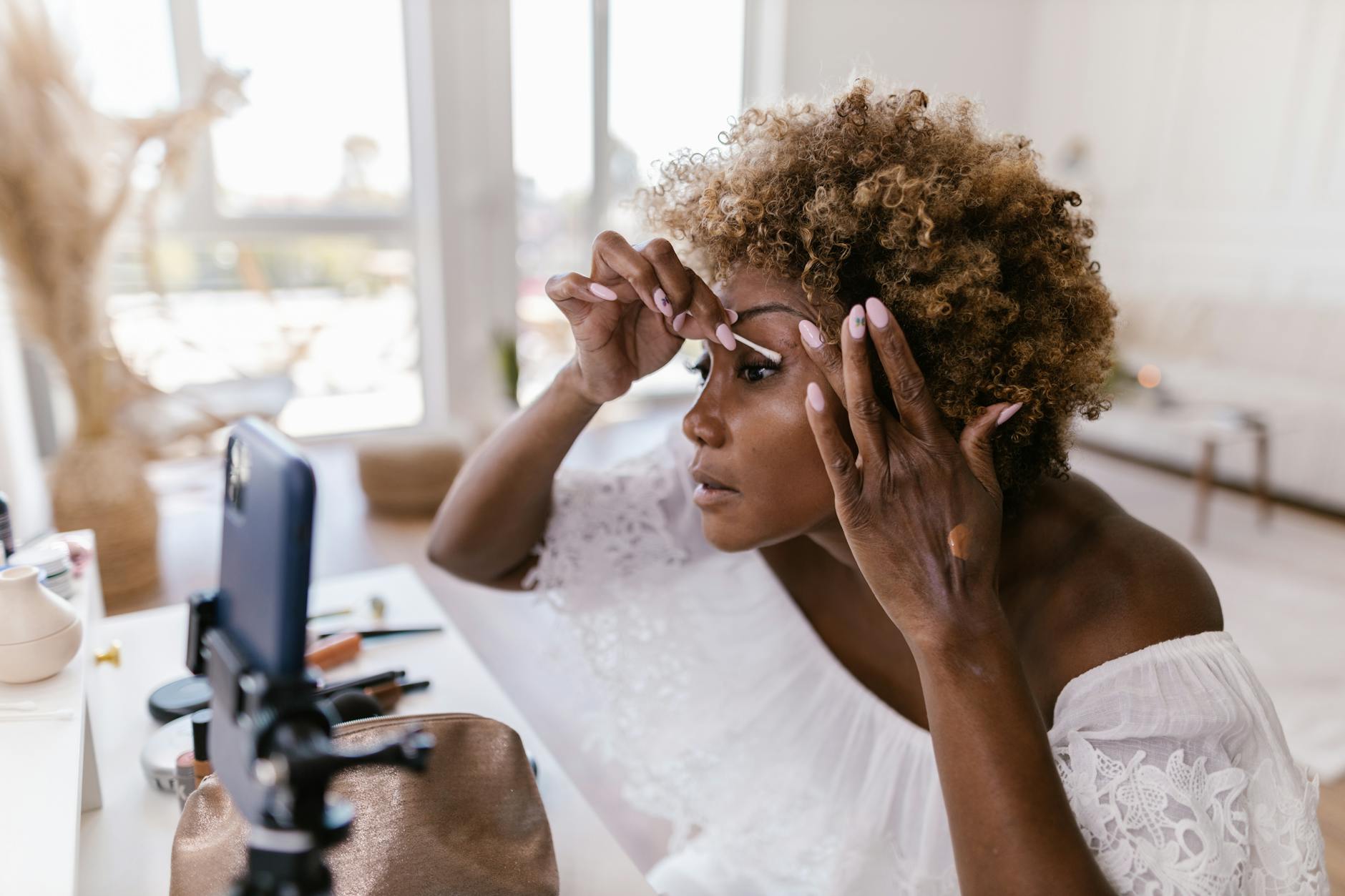
Photo by RDNE Stock project
Core features to look for in a phone for makeup tutorials
When you film makeup tutorials, small details matter. Here are the essentials written in plain terms.
- Front camera quality for selfies and close ups: Look for a high-resolution front camera with fast autofocus. This matters when you’re showing textures, pores, and color accuracy up close. A phone with 4K front video capability gives you crisp, professional-looking self-shots and close-ups.
- 4K video options and frame rates: A device that records 4K at 30 to 60 fps or higher lets you capture smooth details in bright makeup swatches and subtle shading. If you plan to slow down clips, higher frame rates like 60 fps can help.
- Optical and electronic stabilization: Optical Image Stabilization (OIS) reduces handshake blur, while Electronic Image Stabilization (EIS) smooths motion during walks or quick hand movements. Look for both if you shoot in tight spaces with lighting that requires movement.
- Screen brightness for framing in varied light: A bright, evenly lit screen helps you frame shots accurately in rooms with mixed lighting. A high refresh rate display also makes it easier to judge exposure while you shoot.
- Internal storage and expandable options: Tutorials can eat up space, especially with 4K video. A phone with ample internal storage and microSD expansion (or a large reusable storage plan) pays off during long shoot days.
- Battery life for long shoots: You want a phone that can record for hours without needing a recharge. Look for models with efficient chips, good battery capacity, and optional charging speeds or wireless charging.
- Mic integration and compatibility with external mics: Built-in mics are usually good, but external mics provide cleaner audio. Check for USB-C or Lightning compatibility and the ability to connect lavalier mics or shotgun mics without a hassle.
- Practical tips for integration: If you pair a mic with your phone, consider a small on-camera audio mixer or a separate audio recorder for backup tracks. Keep cables short and tidy to avoid in-frame tangles.
- Quick setup ideas: Use a simple tripod or phone gimbal for stability, a ring light or LED panel for even skin tone, and a clean backdrop to keep focus on the makeup work.
Best phones by common needs for makeup artists
Every makeup artist has a different filming scenario. Here are strong choices for several common needs, with a quick reasoning for each category and price expectations.
- Best overall quality: iPhone 16 Pro Max
- Why: Excellent front camera performance, superb 4K video at high frame rates, outstanding stabilization, long battery life, and robust microphone options. The combination makes it hard to beat for a polished look in tutorials. Expect premium pricing, but the value shows up in color accuracy and reliability.
- Best budget option: Motorola G45 5G
- Why: A capable front camera with solid 4K capability for its price, good battery life, and dual-view recording that can show you and your work simultaneously. It’s a standout if you’re testing ideas or teaching on a tighter budget.
- Best for Apple users: iPhone 16 Pro Max (still the top pick)
- Why: If you’re in the Apple ecosystem, you’ll benefit from seamless iOS video apps, stable file transfers, and strong external mic support. It remains the easiest path to high-quality results without adding complexity.
- Best Android power user: Samsung Galaxy S25 Ultra
- Why: Exceptional front camera quality, strong stabilization, and flexible controls. It also offers high-end battery life and strong ecosystem features for multitasking during shoots.
- Best for unique shooting styles: Sony Xperia 1 V
- Why: 4K front video at high frame rates, excellent stabilization, and strong live streaming options. Great if you frequently go live or need fast on-device editing.
- Quick takeaway: If you want the safest, high-quality bet, the iPhone 16 Pro Max is the default choice. Android options such as Galaxy S25 Ultra and Xperia 1 V push the ceiling even higher for flexibility and advanced features. For creators on a budget, the Motorola G45 5G provides solid performance and a few standout tricks at a lower price.
- Quick links for deeper reads (examples of reviews and hands-on coverage)
- iPhone 16 Pro Max and front camera performance: [Apple iPhone 16 Pro Max review overview](https://www.ars technica.com/civis/threads/iphone-16-and-16-pro-review-camera-features-headline-a-mature-product.1503164/).
- Android flagship camera capabilities: Samsung Galaxy S25 Ultra review highlights.
- General guidance on choosing phone cameras for tutorials: see related tech review summaries.
- Note on pricing: Prices vary by region and storage configuration. If you’re publishing for a US audience, reflect current street prices and promotions from major carriers and retailers.
- Quick example: For a makeup artist who films close-ups daily, the iPhone 16 Pro Max offers the most consistent performance. If you’re filming in a studio with controlled lighting, the Galaxy S25 Ultra’s stabilization and color processing can speed up your workflow without sacrificing quality.
- External mic compatibility tip: If you plan to use an external mic, check whether your chosen model supports direct USB-C input or requires an adapter. A reliable lavalier or compact shotgun mic can dramatically improve voice clarity during tutorials.
- Practical next steps: Create a simple side-by-side test for your audience by filming the same makeup technique with two devices. Show the difference in skin texture, color rendering, and audio clarity in a short video update.
For further insights and model-specific tests, you can review detailed analyses from reputable outlets.
- Link to a current hands-on discussion on the iPhone 16 Pro Max’s camera and stabilization: [Apple iPhone 16 Pro Max review overview](https://www.ars technica.com/civis/threads/iphone-16-and-16-pro-review-camera-features-headline-a-mature-product.1503164/)
- Link to Android camera performance coverage: Samsung Galaxy S25 Ultra review highlights
- Link to a general kit and setup guide for mobile video recording: Smartphone videography setup guide.
In summary, for makeup tutorials, prioritize front camera quality, 4K options, stabilization, battery life, and microphone compatibility. The iPhone 16 Pro Max stands out for most creators, with Android alternatives offering compelling features for power users.
Setup and Filming Tips for High Quality Tutorials
Creating clear, professional makeup tutorials starts with how you set up your shot. Good lighting, steady footage, clean audio, and smart phone settings all come together to keep viewers engaged and trust your guidance. In this section, you’ll find practical tips you can apply today, whether you’re filming in a small studio or a corner of a room. Consider how each choice affects skin tones, texture, and color accuracy, and how easy your workflow is from camera to publish.
Lighting, framing, and color accuracy
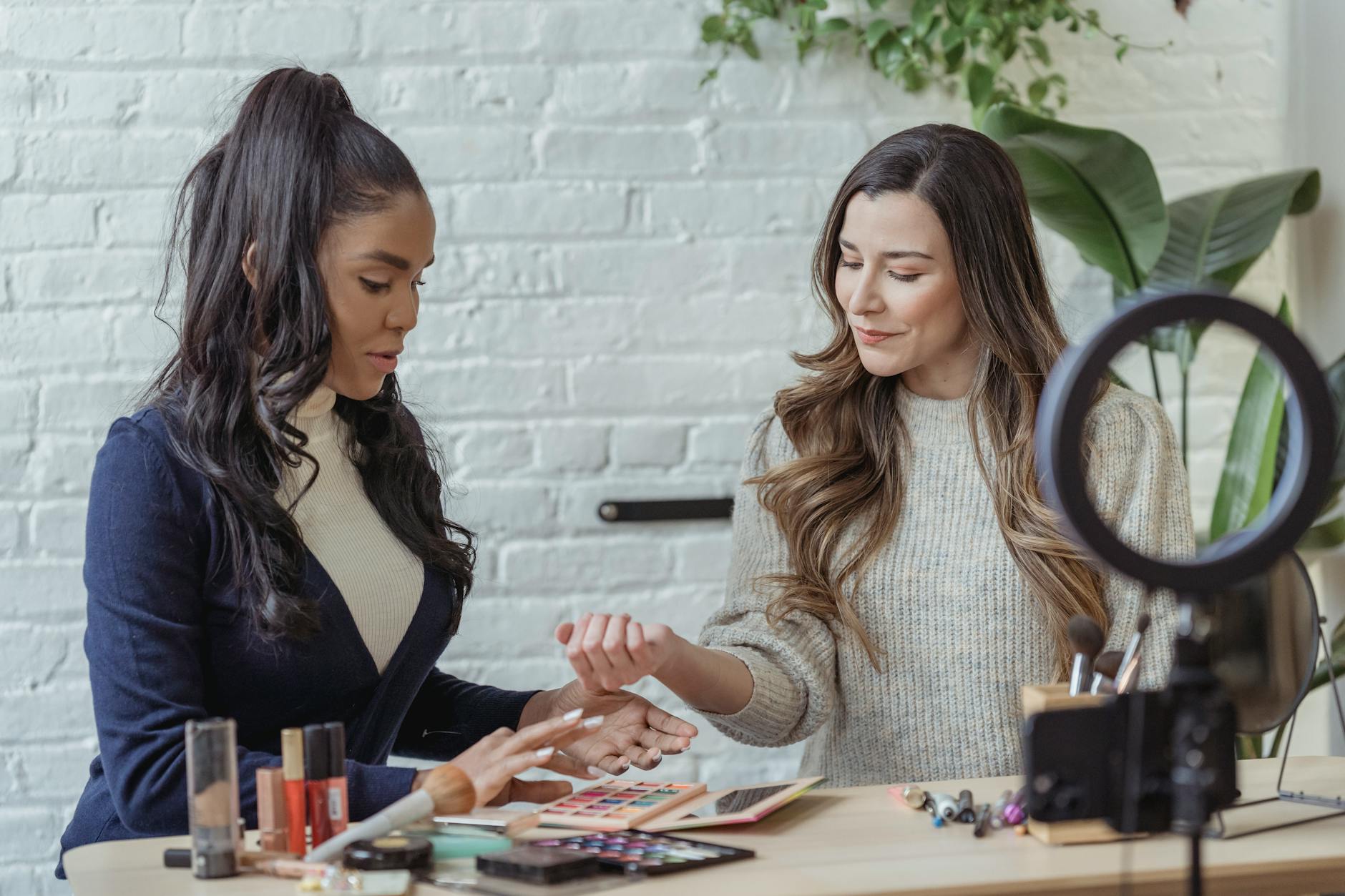
Photo by George Milton
Good lighting is the difference between flat skin and radiant makeup details. Start with a soft key light placed at about 45 degrees to your face, slightly above eye level. This minimizes shadows under the nose and chin while keeping pores and texture visible. If you’re using natural light, position yourself toward a window and avoid direct sun that can cause harsh highlights. A diffuse light source like a white curtain or a cheap softbox helps spread light evenly across the skin.
Color temperature matters just as much as brightness. Aim for a neutral setup around 5200K to 5600K, which closely matches daylight and prevents warm or cool color shifts on foundation shades. When you white balance, use a gray card or a white sheet in a frame before you start to ensure skin tones stay true throughout the shoot. If you must shoot with mixed lighting, consider balancing each light to the same temperature and using a color correction filter if your phone supports it.
To avoid harsh shadows on skin, keep a secondary light on the opposite side as a fill. A small LED panel or a ring light can fill in shadows softly without washing out details. In tight spaces, bounce light off a white wall or ceiling to achieve a more flattering glow without adding noise from high ISO.
Framing should center the face so viewers can see makeup details clearly. Keep the subject at the upper two-thirds line of the frame for a flattering composition. When you show texture or close-ups of the eyelids, zoom (or crop) slightly closer, but maintain a consistent angle so transitions feel natural. For makeup details like lip color, close the frame just enough to showcase the shade without losing focus on the surrounding skin.
Natural light can be your best friend when balanced correctly. If you have a north-facing window with steady light, supplement with an affordable ring light for consistency. A basic ring light set at 45 to 60 centimeters from your face reduces redness and improves evenness across the complexion. For more lighting guidance, see practical guides on three-point lighting and camera-friendly lighting setups. For additional context, you can review related lighting guidance here: How to set up lighting for makeup videos.
In practice, test several frames before you record and pick the one that keeps your makeup details crisp without introducing glare. A quick test clip will reveal if highlights blow out skin texture or if color shifts creep in.
Audio and stabilization
A clean voice track makes tutorials easier to follow. A small lapel mic clipped to your collar or a compact shotgun mic mounted on a phone rig are excellent upgrades that fit tight spaces. USB-C mics are convenient for many Android devices, while Lightning-compatible mics work well with iPhones. Check that the mic you choose plays nicely with your phone, and keep the cable tidy to avoid it showing in the shot.
For stabilization, a simple tripod keeps the camera steady during close-ups. A handheld grip or a compact gimbal adds flexibility for fluid motion when you need to move between steps or swatches. If you must shoot handheld, practice a light, steady wrist technique and use a slight breath to reduce shake. A steady shot holds the audience’s attention and preserves the makeup texture you want to demonstrate.
Why it matters: clean audio and steady footage reduce viewer fatigue. When your voice is clear and the camera doesn’t wobble, people stay longer, watch more of your technique, and trust your advice. For quick mic options and stabilization setups, consider exploring popular recommendations for smartphone video work, such as lavalier and compact mic choices that pair with mobile rigs.
Relevant reading for audio and mic options:
- Best lavalier and compact mics for smartphones: see expert roundups on smartphone audio setups.
External links provided for reference and context:
- How to set up lighting for makeup videos: https://www.colborlight.com/blogs/articles/set-up-lighting-for-makeup-videos
- How to set up a phone to record makeup videos: https://www.tiktok.com/discover/how-to-set-up-phone-to-record-makeup-videos
Phone settings and storage for long shoots
A few targeted camera settings can keep footage sharp and smooth, especially during longer tutorials. Start with video capture at 4K if your device supports it. This gives you maximum detail for close-ups of textures and pores. If your phone tops out at 4K 30 fps, stay there for the most natural motion. If your device supports higher frame rates, 60 fps can be great for slow-motion segments, but save 60 fps for sequences where you want a dramatic reveal rather than continuous motion.
For skin tones, prioritize a profile that preserves natural color. If your phone offers a dedicated beauty or skin tone highlight setting, enable it when you shoot makeup swatches. Some devices let you lock exposure and white balance to prevent flicker during longer takes; this is useful in environments with changing light. If you shoot in a studio with constant lighting, manual white balance can still help maintain color accuracy across scenes.
Storage is another critical piece. 4K video consumes space quickly, so plan accordingly:
- Use high-capacity internal storage and, when possible, enable cloud backups during breaks between takes.
- Regularly offload footage to an external drive or a laptop. Lightweight USB-C drives are convenient for on-location shoots.
- Consider a dedicated SD card if your phone supports expandable storage and keep a fast card on hand for longer sessions.
A practical workflow helps you stay efficient. Record a few test clips, review them on a bright screen, and adjust lighting or white balance as needed. When you’re ready, start the actual tutorial, and keep to a consistent cadence for easier editing.
Note on editing and uploads: your final clips should be organized by scene, with clearly labeled files. This speeds up editing and helps you publish more consistently. For more on choosing the right phone and how to optimize your workflow, you can review general guidance on mobile videography and editing workflows.
External links for broader context:
- Smartphone videography setup guide: https://www.macrumors.com/
In summary, for makeup tutorials, aim for 4K with stable framing, steady audio, and thoughtful storage management. A well-chosen smartphone, paired with a simple yet effective lighting plan and reliable mics, makes a huge difference in how professional your tutorials feel. For most creators, the iPhone line remains a strong default due to consistent color handling and broad accessory support, with Android options offering flexibility and strong hardware when you need it. If you want to explore practical testing across devices, you can compare a couple of models side by side and show the differences in skin texture, color rendering, and audio clarity in a short update.
Workflow to Create and Grow Your Makeup Tutorial Channel
Creating a steady, repeatable workflow helps you film quick yet polished makeup tutorials without burning out. You’ll plan efficiently, edit on the go, and optimize for discovery across platforms. The goal is to keep content consistent, professional, and easy to produce week after week. Below are practical steps you can apply today, along with simple tools to keep you moving.
Planning and shooting fast
A fast, reliable shoot starts with a simple shot list or storyboard. Map out a few key looks per video and plan the angles that best show texture, color, and technique. With a phone in hand, you can capture multiple angles in one session without overcomplicating the setup. A clear plan saves time on set and reduces the risk of missing important details.
- Create a quick shot list: identify the moments you must show—surface texture, blending technique, color payoff, and final reveal. Note camera angles for each moment, such as a top-down shot for application technique and a close-up for texture detail.
- Use storyboard templates: even a rough frame-by-frame plan helps you stay on track. Storyboards are especially useful when you’re juggling multiple looks or trying new products.
- Film with a lightweight setup: a compact tripod, a phone gimbal for smooth motion, and a single fill light suffice for most spaces. Keep cables tidy to avoid them creeping into the shot.
If you want to study practical shot-list methods, see the Essential Guide to Writing Shot Lists for Video Success and free storyboard tools. These resources walk you through turning ideas into an actionable plan. For hands-on workflow guidance, StudioBinder offers solid guidance on shot lists and storyboards you can adapt for mobile filming. For a quick pre-production checklist, Wrapbook provides templates you can download and customize.
- Handy references:
- The Essential Guide To Writing Shot Lists for Video Success
- Free Shot List Software for Film & Video
- Shot List & Storyboard Software: Free Tool for Filmmakers
- Quick takeaway: a lean shot list reduces on-set chaos and speeds up edits without sacrificing texture and color accuracy on screen.
For a practical starter, try this quick workflow:
- Sketch 3 looks for the video.
- Assign each look a primary angle (face-on, close-up eye, texture detail).
- Schedule a 20–30 minute filming window to capture all angles in one session.
- Review the footage on your phone or tablet and label files by scene.
Tip: smartphone footage benefits from consistent framing. If you’re working in a tight space, plan a camera position that keeps the eye line and lip color visible without constant adjustments. A small ring light or LED panel helps you control skin tones and reduce glare.
Editing on mobile
Editing on a phone should be fast, light on resources, and capable of delivering a polished result. Start with the basics: trim clips, adjust color, and add captions for clarity. Choose a lightweight editing app that keeps your editing cadence snappy and your output ready for social platforms.
- Trim and arrange: cut out pauses, filler words, and any shaky moments. Keep each step within 8 to 15 seconds for quick tutorials that hold attention.
- Color correction: align white balance and skin tones across shots. A quick pass to ensure consistent brightness prevents jarring shifts when you switch angles.
- Captions and titles: add on-screen captions for key steps and product names. Captions improve accessibility and keep viewers engaged when sound is off.
- Lightweight apps to consider: CapCut, a popular option for social video, and other lightweight editors can cover trimming, color tweaks, and captions without heavy processing. If you’re exploring other tools, the best mobile editing apps guides from Top editors can help you spot options that fit your device and budget.
- Export settings: 1080p at 30 fps is usually enough for tutorials, but if you’re pushing high detail, 4K at 30 fps can be worth it if your phone handles it without overheating.
If you want a broader view of portable editing tools, TechRadar reviews highlight several top mobile editors, and PCMag offers a curated look at current favorites. For a quick mobile editing roundup with AI-assisted features, check out the free and paid options that frequently update.
- Handy references:
- Best video editing app of 2025
- The Best Mobile Video Editing Apps for 2025
- Top 10 Free Mobile Video Editing Apps Comparison 2025
- Quick tip: keep a short template for captions and overlays. This speeds up production and maintains a consistent look across videos.
To keep you productive, set a repeatable editing cadence. For example, after filming, upload footage to your phone’s cloud storage during a break, then edit in a single session. Publish the video after a brief review to ensure framing and audio meet your standards. If you want a ready-to-use workflow, explore a smartphone videography setup guide to refine your personal process.
External reading and practical guides:
- Smartphone videography setup guide
- How to set up lighting for makeup videos
SEO and social for growth
Growth hinges on how well viewers discover your content. Start with clear, keyword-informed titles, helpful descriptions, and eye-catching thumbnails. A few straightforward strategies can lift your reach without adding extra work.
- Titles and descriptions: craft descriptive titles that include your technique, products, and a keyword phrase viewers might search for, such as “glow makeup tutorial for beginner” or “couture lipstick swatches walkthrough.” In descriptions, paste a short summary, list products with links, and include a few relevant keywords naturally.
- Thumbnails: use a close-up shot of the finished look with bold text overlay showing the technique or product name. A vibrant, uncluttered thumbnail improves click-through rates.
- Captions and tags with AI: AI prompts can help generate captions and relevant tags. For example, prompt ideas include “makeup tutorial close-up lips swatch” or “step-by-step eyeshadow blending guide.” Use a few highly relevant tags and mix broad terms with niche phrases to reach both larger audiences and targeted searchers.
- Posting schedule: consistency wins. Post 2–4 short tutorials weekly, staggered across platforms such as YouTube Shorts, Instagram Reels, and TikTok. A predictable cadence keeps your audience coming back and helps the platform algorithms pick up new content.
To deepen your understanding of how to craft titles, descriptions, and thumbnails, you can explore the guidance from top mobile video editors and social media strategy resources. For example, the best mobile editing apps guide and quick-start videos can help you translate your editing style into platform-ready content.
- Handy references for growth:
- Best video editing app of 2025
- The Best Mobile Video Editing Apps for 2025
- Top 10 Free Mobile Video Editing Apps Comparison 2025
A simple posting framework can look like this:
- YouTube: 1 long tutorial per week plus 2 short clips
- Instagram: 3 Reels per week aligned with the main tutorial
- TikTok: 3 short clips per week focusing on quick tips or product features
- Cross-post: share key moments across platforms with tailored captions
Engage your audience by inviting questions in comments and using viewer requests to shape future tutorials. This approach creates a loop where your content answers real questions, which improves watch time and viewer loyalty. If you’re unsure where to start, a quick comparison video showing two devices side by side can provide a tangible, shareable moment for your audience.
Additional practical tips:
- Use consistent naming conventions for files to speed up editing.
- Keep a simple content calendar to plan shoots around product launches or seasonal makeup trends.
- Track performance metrics like watch time, retention, and click-through rate to adapt your future videos.
For further context on reliable filming and optimization, see hands-on reviews and setup guides from reputable outlets. For example, a current hands-on discussion about high-end camera performance on flagship devices can help you calibrate expectations for image quality and color handling. You can also review a general kit and setup guide for mobile video recording to refine your on-device workflow.
- External reading for growth strategies:
- iPhone 16 Pro Max review overview
- Samsung Galaxy S25 Ultra review highlights
- Smartphone videography setup guide
By following these steps, you’ll build a makeup tutorial channel that looks polished and grows steadily. The key is to keep the process lean, but with enough structure to deliver consistent, helpful content that viewers can rely on.
Practical Buying Guide for 2025
Choosing the right phone for makeup tutorials means balancing image quality, stabilization, and staying power through long filming sessions. This section highlights the standout models and why they fit creators who record, edit, and share beauty content. You’ll find practical picks for different needs, plus quick notes on value and who each device is best for. Throughout, you’ll see how a reliable smartphone can simplify your workflow from shoot to publish.
Best overall picks for makeup tutorials
When you want top tier video quality, rock solid stabilization, and dependable battery life, a small handful of smartphones stand out. These models deliver smooth 4K footage, accurate color rendering for skin tones, and long-lasting power that keeps you filming through longer sessions.
- Samsung Galaxy S25 Ultra: The phone known for versatile cameras and strong stabilization. It handles 4K video with ease, and its battery life supports longer shoots. If you often switch between macro texture shots and wider framing, this device keeps every detail crisp. For more on flagship performance, see reviews that cover stabilization and battery endurance.
External reading: Samsung Galaxy S25 Ultra Review - Apple iPhone 17 Pro Max: A reliable workhorse for makeup tutorials thanks to excellent front camera quality, stable 4K video, and strong microphone support from native apps. The color consistency and color science make skin tones predictable, which is crucial for shade accuracy. If you value ecosystem compatibility and easy sharing, this is a strong default.
External reading: iPhone 17 Pro Max review overview - Google Pixel 10 Pro: A solid alternative with strong color science and reliable video performance. Pixel devices often handle detail well in makeup textures and offer smooth footage with AI-driven enhancements that help with skin tone naturalness.
External reading: Pixel 10 Pro review highlights
Value note: for most creators, the iPhone 17 Pro Max remains the easiest path to consistent results and predictable editing. Android options like the Galaxy S25 Ultra and Pixel 10 Pro push the ceiling on features and flexibility, especially if you want deeper camera controls and custom workflows.
External links for deeper context and hands-on tests:
- iPhone 17 Pro Max review highlights: https://arstechnica.com/gadgets/2025/10/apple-iphone-17-pro-review-come-for-the-camera-stay-for-the-battery/
- Galaxy S25 Ultra review: https://www.pcmag.com/reviews/samsung-galaxy-s25-ultra
- Pixel 10 Pro review highlights: https://www.dpreview.com/reviews/google-pixel-10-pro
Best for value and reliability: consider the Motorola lineup when you want solid 4K video and practical editing workflows on a tighter budget. The Pixel family and the iPhone line offer stronger ecosystem advantages if you plan to scale quickly.
Budget friendly options that still perform well
You don’t need to break the bank to create high quality makeup tutorials. Several affordable smartphones offer excellent front cameras, usable 4K video, and reliable battery life that fit a practical budget.
- Google Pixel 9a: A standout budget pick with strong camera performance and solid 4K recording capabilities. It pairs well with simple editing apps and keeps files manageable, making it a smart starting point for those who are testing concepts or posting frequently.
- Motorola G45 5G: Offers unique perks like dual recording from front and rear cameras, which can help demonstrate looks and tools side by side. Its 16MP front camera and dependable performance let you test ideas without sinking cost into top-tier gear.
- Nothing 3a Pro: A step above budget without a huge price jump. It brings distinctive design and capable video features that can satisfy creators who want something different without losing core filming quality.
Value tip: budget phones can still deliver high quality tutorials you’re proud to publish. They’re ideal for first-time creators, hobbyists testing a niche, or makers who post shorter formats across social platforms.
External reading for budget picks:
- The best budget camera phones for photography and video: https:// AmateurPhotographer.com/buying-advice/the-best-budget-camera-phones/
Best for Apple users
If you’re already in the Apple ecosystem, these options smooth the path from filming to editing to publishing. The focus here is color consistency, easy editing, and strong cloud backup and sharing options that streamline your workflow.
- iPhone 17 Pro Max: Front camera performance, color accuracy, and superb stabilization make it the easiest path to clean tutorials. Its integration with iMovie, Clips, and third‑party editors makes quick edits and sharing simple.
- iPhone 16: Still a compelling choice for creators who want excellent 4K video and a very capable front camera without stepping up to the Pro line. Battery life remains practical for day-long shooting in controlled setups.
Why Apple devices shine here: the ecosystem approach means fewer compatibility headaches, more reliable file handling, and straightforward backups. If you want fast posting and cross‑platform sharing, Apple hardware often delivers the smoothest path.
External links for Apple-focused guidance:
- iPhone camera and video workflow overview: https://arstechnica.com/gadgets/2025/10/apple-iphone-17-pro-review-come-for-the-camera-stay-for-the-battery/
Best for Android power users
Android power users get the most flexibility. These models bring deep camera apps, a wider selection of lenses, and strong customization options that let you tailor the camera experience to makeup tutorials.
- Samsung Galaxy S25 Ultra: A very capable Android flagship with multiple lenses, robust stabilization, and long battery life. Advanced controls let you fine-tune exposure, color, and focus to match studio lighting.
- Google Pixel 10 Pro: While you may not get as many hardware lenses as some rivals, the Pixel offers superb color science and reliable 4K video with AI features that help with skin tone accuracy and texture detail. It’s ideal if you want a clean Android experience with strong software support.
- OnePlus 12 Pro (if you prefer a compact, fast alternative): Known for strong performance and a slightly different take on color processing; good for creators who want a distinct workflow and fast app switching.
Why this path fits: Android devices often bring more control over camera settings, faster app transitions, and a broader range of lenses. If you want to experiment with different looks or custom profiles, these options give you the room to grow.
External links for Android guidance:
- Android flagship camera capabilities and stabilization: https://www.gsmarena.com/samsung_galaxy_s25_ultra-review-2793p5.php
Quick practical takeaway
- If you want a reliable, widely compatible setup, the iPhone 17 Pro Max is the safest default.
- For maximum flexibility and deeper customization, Android flagships like the Galaxy S25 Ultra or Pixel 10 Pro offer compelling advantages.
- On a lean budget, budget-friendly devices can still deliver solid tutorials with careful editing and a simple shooting setup.
External reads for broader context:
- Galaxy S25 Ultra review: https://www.pcmag.com/reviews/samsung-galaxy-s25-ultra
- iPhone 17 Pro Max review: https://arstechnica.com/gadgets/2025/10/apple-iphone-17-pro-review-come-for-the-camera-stay-for-the-battery/
- Pixel 10 Pro review: https://www.dpreview.com/reviews/google-pixel-10-pro
Remember, the best phone for makeup tutorials isn’t just the one with the sharpest sensor. It’s the device that fits your editing toolbox, your typical shoot environment, and how you publish. A phone that plays well with mics, lighting, and your chosen editing app will save you time and deliver consistent results that help you grow.
External links for setup and workflow references:
- Smartphone videography setup guide: https://www.macrumors.com/
- The best mobile editing apps in 2025: https://www.techradar.com/ (mobile editing roundup)
Conclusion
Choosing a phone that fits your filming needs and budget sets the tone for predictable results. A simple, repeatable workflow from shot planning to publishing keeps you consistent and helps you grow faster. Start with one trusted model, test its color, stabilization, and audio with a short test tutorial, and then film with confidence. If you want the broadest compatibility and top quality with minimal friction, the iPhone line is a solid default; for greater control and customization, explore high end Android flagships. What’s your first test video going to show, and which device will you use to capture it?