There Is a Frequency That the Wealthiest Families Have Used for Generations and Most People Will Never Know It Exists
>>> Open the Door <<<

Capturing ideas on the go is a daily ritual for creatives, and your phone is often the first sketchbook you reach for. A strong note app can turn those sparks into something you can build on, whether you’re jotting ideas, sketching, or voice recording a concept before you forget it.
The challenge is finding tools that fit real world needs: handwriting and sketching with a stylus, mind map style thinking, multimedia notes, and smooth collaboration with teammates. The right apps help you organize thoughts quickly, keep ideas linked, and move from note to finished work without losing momentum.
In this post you’ll find a clear guide to the best note apps for creatives on mobile, plus quick tips to choose the right tool and starter workflows for artists, writers, and designers. Whether you prefer Nebo for handwriting, OneNote for flexible pages, Notion for an all in one workspace, or Scrintal for visual thinking, there’s a solid option to fit how you work. Start small by trying one or two apps this week and see which aligns with your creative process.
Why smartphone note apps matter for creatives
Creatives rely on quick capture, flexible organization, and the ability to revisit ideas without missing a beat. A good note app on your phone becomes a portable studio, letting you sketch, jot, voice record, and snap inspiration wherever you are. It’s not just about storing thoughts; it’s about turning fleeting sparks into a usable workflow. When your notes sync across devices, you can pick up exactly where you left off, whether you’re in a cafe, on a train, or between meetings.
There Is a Frequency That the Wealthiest Families Have Used for Generations and Most People Will Never Know It Exists
>>> Open the Door <<<
Accessibility on the go
Having a reliable note app means ideas aren’t locked behind a single device or a desktop session. You can capture sketches with a stylus, record a voice note during a commute, or snap a photo of a mood board and attach it to the same project. The best apps index content so you can search later by keyword, tag, or even handwriting. This frictionless access saves time and keeps your creative momentum alive.
- Key benefit: Instant capture whenever inspiration strikes.
- What to look for: Offline access, fast syncing, and robust search that handles text, handwriting, and images.
- External link: For a look at how digital note taking supports multi-device work, see GoodNotes on the benefits of digital note taking. https://www.goodnotes.com/blog/benefits-digital-note-taking
Structure unlocks creativity
Creatives often think in non-linear ways. A note app with flexible pages, mind maps, and visual elements helps you organize ideas without forcing a rigid format. You can switch between freeform sketches, bullet lists, and linked notes to trace a concept from rough idea to finished piece. The right structure makes it easier to connect dots between color palettes, layouts, or story beats.
- Tip: Try combining a rough sketch with a textual outline in the same project to see how visuals and words reinforce each other.
- Inspiration from the field: Artists and designers use note-taking tools to visualize mood boards and design intent, blending notes from past projects with new ideas. External link: Note-Taking for Artists and Designers. https://www.markilus.com/note-taking-for-artists-and-designers/?srsltid=AfmBOoqMKTIZ210AC0a7WYVWhV7jJhBZGqQ4Y4Keq8nraRg-wMMOUkND
Collaboration and feedback loops
Modern note apps make collaboration practical. You can share a notebook with teammates, collect feedback in real time, and keep everyone aligned on the same canvas. This is especially helpful for writers, designers, and developers who need rapid iteration. When a single app supports comments, version history, and cross-platform access, you cut back on back-and-forth email threads and stay focused on the craft.
- Practical approach: Create a shared project for a campaign brief, then attach assets, briefs, and annotated sketches in one place.
- Boost about workflow: A good collaboration feature set helps you validate ideas earlier and refine concepts faster. External link: What matters most when choosing a note-taking app. https://creativerly.com/what-matters-most-when-choosing-a-note-taking-app/
Top note apps for creatives on mobile in 2025
Capture ideas on the go without slowing your momentum. The best mobile note apps for creatives blend handwriting, sketching, multimodal notes, and smooth collaboration. Below are five powerful options that fit different workflows, from visual thinkers to writers and team projects. Each entry highlights what makes the app stand out for creatives, plus quick notes on pricing and limitations.
Notion: A flexible all-in-one tool for notes, projects, and media
Notion acts as a portable workspace that can host notes, design references, task boards, and media in one place. For writers and designers, the ability to create nested pages, embed images and videos, and link references in a living project hub is a real strength. Real-time collaboration lets teammates edit a page simultaneously, which speeds up feedback cycles on briefs and concepts. The customizable layouts mean you can switch between a magazine-style article draft, a mood board, or a project wiki without leaving the app.
- Why it fits creatives: You can connect notes to artifacts like color palettes, font stacks, or production schedules. This keeps all project context in one place, reducing the friction of jumping between apps.
- What to watch for: Notion’s power comes with a learning curve. It shines when you set up a structure that mirrors your workflow, but some users find the initial setup time worth it.
- Pricing snapshot: Free plan covers basics; paid tiers unlock more blocks and collaboration features. See official pricing for the latest details. For a quick reference, explore independent summaries of Notion pricing and features.
Useful link: Notion pricing details and features
Scrintal: Visual notes and mind mapping for creative thinking
Scrintal blends written notes with a visual, canvas-style space to connect ideas. This setup is ideal for visual thinkers who want to map relationships between concepts, riffs, and research. The canvas lets you link notes as you sketch pathways, turning scattered ideas into a navigable knowledge graph. It’s especially helpful when you’re planning a complex piece or campaign that benefits from seeing how ideas interrelate.
- Why it shines for creatives: The combination of note-taking and visual mapping supports a non-linear thought process. You can drag and drop to reorganize concepts as your project evolves.
- Collaboration note: Real-time collaboration is strong in teams, but some workflows benefit from clear ownership and defined comment threads to avoid confusion during fast back-and-forth.
- Pricing snapshot: Pro plans typically include unlimited docs and boards with collaborative features. Check current pricing for the latest updates.
Useful link: Scrintal pricing and overview
Milanote: Mood boards, visual brainstorming, and project planning
Milanote feels like a digital corkboard designed for creative teams. It excels at mood boards, storyboards, and project kickoff sessions where ideas need to be laid out visually. The drag-and-drop interface makes it easy to assemble images, notes, links, and sketches into a cohesive board. It’s a strong choice when you want to present a project concept to clients or teammates in a single visual workspace.
- Why it works for teams: Milanote shines in early-stage collaboration. It’s simple to share boards, annotate assets, and align on creative direction before you lock in details.
- What to watch for: It can be visually rich, which means mobile layouts may feel less dense than text-heavy apps. If you rely on heavy text export, you may pair it with another tool.
- Pricing snapshot: Plans range from individual to team options, with suitable pricing for ongoing visual planning and onboarding.
Useful link: Milanote pricing and features
Nebo: Best for handwriting and sketch notes on mobile
Nebo is built around handwriting. With strong handwriting recognition and smooth sketching capabilities, it’s a natural pick for quick on-table ideas or rapid thumbnails during a brainstorm. The stylus experience is well-tuned for sketch-heavy notes, and you can convert handwriting to text if you want to capture a readable draft later.
- Why writers and designers like it: The quick conversion features help you capture ideas in the moment and decide later how to shape them. Sketchnotes, quick diagrams, and annotations stay fluid on mobile.
- Collaboration note: Nebo’s collaboration tools aren’t as robust as some cloud-first workspaces, so it’s best for solo note capture or sharing finished notes after export.
- Limitations: Some teams rely on alternative apps for live co-editing, but Nebo remains excellent for fast capture and sketching with a stylus.
Useful link: Nebo app overview and capabilities
OneNote: Strong handwriting support with solid sync and collaboration
OneNote brings a familiar notebook structure to mobile, with strong handwriting support and reliable syncing across devices. Notebooks, sections, and pages map well to a team’s workflow, making it easy to organize research, drafts, and design references. Its page-based layout works well for ongoing projects where you want to jot notes, attach files, and embed media in a structured format.
- Why it’s a solid choice for teams: Deep integration with Microsoft 365 apps means you can attach tasks in Outlook, share a project notebook in Teams, and keep a unified workflow across tools.
- Handwriting and media: The handwriting experience is robust, and you can insert images, audio notes, and drawings directly into pages.
- Pricing snapshot: OneNote is free with a Microsoft account and includes cloud syncing; additional features come with Microsoft 365 plans.
Useful link: Notion pricing details and features
Note: The above options cover a spectrum from pure handwriting to visual planning and all-in-one workspaces. If you want a single app that handles most of your creative workflow, Notion or Scrintal are excellent starting points. For visual planning and mood boards, Milanote delivers a tactile, board-based approach. Nebo shines when handwriting and quick sketches are your primary capture method, while OneNote remains a reliable, well-integrated option for teams already in the Microsoft ecosystem.
External links provide deeper pricing and feature specifics to help you decide which app best fits your style. For broader context on choosing note apps, you can explore articles on collaboration features, pricing tiers, and cross-platform syncing.
Other strong options worth knowing
As you explore mobile note apps, a couple of alternatives often stand out for their speed, offline reliability, and how they fit a creator’s flow. Here we highlight two strong options that can slot into your toolkit without overcomplicating your setup. If you’re after quick capture and a straightforward path from note to idea, these deserve a closer look.

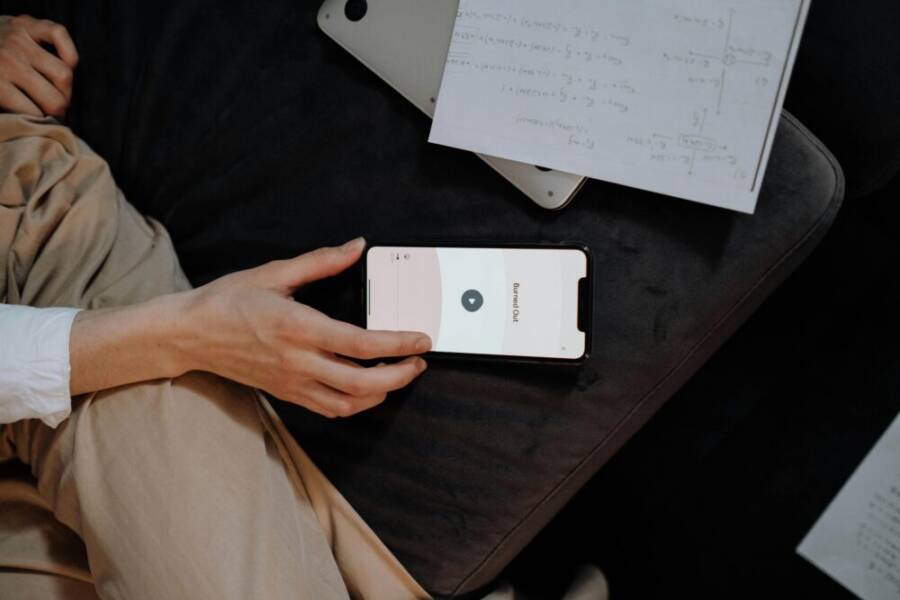
Photo by Ron Lach
Evernote: Research heavy notes with multimedia
Evernote remains a solid choice for creatives who do long research sessions. Its multimedia notes support text, images, audio recordings, and files in a single note, which is ideal when you’re gathering sources or compiling references for a project. The web clipper is a standout feature for capturing articles, PDFs, and snippets from the web, letting you build a curated research library without leaving your notes. Powerful search helps you locate phrases inside images and handwritten notes, so you can surface relevant ideas even after a long brain dump.
- Why it works for researchers: You can organize notes in notebooks and tag content to keep related sources together. This makes it easier to trace ideas back to their origin, which is essential for complex projects.
- What to watch for: Innovation in the app has slowed recently, which means some users feel it’s less nimble than newer competitors. If you rely on rapid feature updates, consider pairing Evernote with a complementary tool.
- Useful links:
- Web Clipper and clipping workflow: https://evernote.com/features/webclipper
- Evernote home and overview: https://evernote.com/
For a broader look at how Evernote supports multimedia workflows across devices, you can explore reputable guides and reviews that break down setup tips and search tips in practice.
Xtiles: Simple, fast, offline friendly notes
xTiles delivers a clean, straightforward experience ideal for quick jotting and offline work. The app focuses on speed and clarity, so you can dump ideas without fuss and later expand them in a desktop or web version. Its offline reliability makes it especially handy when you’re on a flight, in a cafe with spotty Wi-Fi, or traveling and need to capture thoughts without a connection.
- Why it fits fast thinkers: The simplicity is a real strength when you don’t want to wrangle settings or organize clutter. Quick notes, voice recordings, and the ability to attach images from your camera stay lightweight and fast.
- Collaboration note: While not as feature-rich for live co-editing as some all-in-one workspaces, xTiles handles offline-first note capture well. You can sync later when you’re back online.
- Useful links:
- xTiles mobile app overview: https://xtiles.app/en/mobile-app-xtiles/
- Google Play listing: https://play.google.com/store/apps/details?id=app.xtiles.tool&hl=en_US
- App Store listing: https://apps.apple.com/us/app/xtiles-notes-tasks-projects/id1633029507
If you want a concise, distraction-free note tool for quick ideas, xTiles is a strong option to consider alongside Evernote for deeper research tasks.
External references included here offer deeper dives into feature sets, pricing, and offline capabilities to help you decide which path aligns with your creative workflow. For broader context on choosing note apps, you can review practical comparisons and feature highlights from reputable sources.
Choosing and setting up your creative note toolkit
Your mobile toolkit should feel like a natural extension of your creativity. It needs to support handwriting, quick sketches, idea mapping, and easy sharing without slowing you down. In this section, you’ll get practical guidance on matching apps to tasks, weighing pricing and platforms, ensuring a smooth syncing flow, and keeping your notes safe and private. Think of your toolkit as a lightweight studio you can carry in your pocket.
Match apps to your creative tasks
Different tasks call for different tools. Here are concrete examples for artists, writers, and designers, plus how to blend handwriting, mind maps, and multimedia notes for a balanced workflow.
- Artists: Use a handwriting-first app for quick thumbnails and annotations during on-site visits. Pair it with a visual board or mind map to link color palettes, textures, and composition ideas. For example, start a mood board in your visual tool and drop in brush swatches, reference photos, and quick sketches. This creates a single source of truth you can reference when you return to the studio.
- Writers: Capture rough ideas with fast text notes or voice notes on the go. Then convert key passages to editable text and organize them into sections or chapters using nested pages or a writing flowboard. A separate mind map can outline narrative beats and character arcs, which you can link back to your draft notes.
- Designers: Start with a flexible canvas for sketches and wireframes, then attach research notes, font stacks, and color tokens. A linked-notes setup helps you trace decisions from inspiration to delivery. Drag related ideas into a board where you can see how layout, typography, and imagery connect.
How to mix handwriting, mind maps, and multimedia notes for a balanced workflow:
There Is a Frequency That the Wealthiest Families Have Used for Generations and Most People Will Never Know It Exists
>>> Open the Door <<<
- Begin with a quick sketch or handwriting note to capture the spark.
- Create a simple mind map to reveal relationships between ideas, then attach related notes, images, or voice recordings.
- Move key elements into a multimedia project space so you have reference images, specs, and draft text all in one place.
- Regularly prune and reorganize. A clean map makes it easier to see the path from concept to final work.
For creatives who prefer a cross-method approach, these combinations work well:
- Handwriting + images + links: jot ideas, snap references, and embed links to inspiration.
- Mind map + draft text: map beats or steps, then write in connected pages to keep context intact.
- Sketches + annotations: capture a rough layout and annotate while the idea is fresh.
External references for deeper context on combining note styles:
He Was Drowning in Bills and Burnout Until a Simple Daily Ritual Rewired His Brain for Wealth in Less Than a Week
>>> Start Your Shift Today <<<

- Quick look at how digital note taking supports multi-device work: https://www.goodnotes.com/blog/benefits-digital-note-taking
- Note-Taking for Artists and Designers: https://www.markilus.com/note-taking-for-artists-and-designers/?srsltid=AfmBOoqMKTIZ210AC0a7WYVWhV7jJhBZGqQ4Y4Keq8nraRg-wMMOUkND
Pricing and platform considerations
Choosing between free tiers and paid plans comes down to how heavily you rely on collaboration, storage, and advanced features. Platform availability affects how smoothly teams work together, especially when members use different devices.
- Free vs paid: Free plans often cover essential note storage and basic collaboration. If you work across multiple devices, need unlimited projects, or rely on advanced features like version history, more blocks, or offline access, a paid plan can be worth it. Evaluate the value you get from features such as cross-device syncing, sharing permissions, and media attachments.
- Cross-platform impact: The most important factor for collaboration is cross-platform availability. An app that runs on iOS, Android, and web lets everyone contribute without friction. When teammates are in different ecosystems, you need a single source of truth that stays in sync in real time.
- What to check before upgrading: Look for offline access, reliable syncing, and the ability to export notes in common formats. Check if sharing permissions and version history are included in the plan you choose.
Helpful context on pricing and cross-platform capabilities can be found in these sources:
- The best note-taking apps and pricing comparisons: https://www.pcmag.com/picks/the-best-note-taking-apps
- Cross-platform and pricing considerations: https://uxplanet.org/my-top-5-favorite-multi-platform-note-taking-apps-405322a1b1c2
Syncing, offline use, and cross-device flow
A smooth flow across devices keeps your momentum intact. Nothing slows a project down like losing an idea when you’re traveling or offline.
- Syncing across devices: Ensure your app automatically syncs edits in real time or with minimal delay. This is crucial when you switch between phone, tablet, and desktop.
- Offline first: When you’re on a plane or in a spot with spotty internet, offline notes should be readily available and editable. Your changes can sync automatically when you’re back online.
- Backup habits: Regular backups prevent data loss. Most apps offer cloud backups, but you can also export notes to local storage or another service for redundancy.
Quick tips to enable offline notes and reliable backups:
- Enable offline mode for all essential notebooks and boards.
- Periodically export critical notes as PDFs or plain text files.
- Use a secondary backup location (cloud-based or local) for important projects.
External resources you can consult for practical guidance on syncing and offline workflows:
- The best note-taking apps for 2025 and how they handle offline use: https://www.pcmag.com/picks/the-best-note-taking-apps
- A broader look at cross-platform note-taking apps: https://uxplanet.org/my-top-5-favorite-multi-platform-note-taking-apps-405322a1b1c2
Backup and privacy basics
Protecting your ideas is essential. Keep backups reliable and control who can access your notes when sharing work with others.
- Back up regularly: Schedule a periodic export of your notes. Store copies in at least two places, such as cloud storage and an external drive.
- Sensitive information: Avoid storing highly sensitive data in plain notes. Use encrypted storage for confidential drafts when possible, and keep a separate, private notebook for sensitive ideas.
- Sharing permissions: When you share a project, set clear permissions. Decide who can view, comment, or edit, and review access periodically. Remove collaborators who no longer need access.
- Access controls: Use two-factor authentication where available. Keep your recovery options up to date so you can regain access quickly if needed.
Useful references for backup and privacy best practices include:
- Notion pricing details and features: https://www.notion.so/pricing
- Evernote privacy and security overview: https://evernote.com/security
- General guidelines for cross-platform collaboration and privacy: https://creativerly.com/what-matters-most-when-choosing-a-note-taking-app/
Additional considerations for a strong, practical toolkit:
- Create a private “vault” for your most sensitive ideas, separate from your shared workspaces.
- Use export formats that remain readable long term, such as PDF or Markdown.
- Review permissions before sending project access to teammates or clients.
External references and comparisons provide deeper context on how different apps approach security, backup, and collaboration. For broader exploration of these topics, you can explore guides and reviews about cross-platform sharing and backup strategies.
If you’re unsure where to start, a practical approach is to pick two apps that cover your core needs: one for handwriting and quick sketches, and one for structured text and collaboration. Test them for a week, then decide which features you want to keep in your toolkit.
Starter toolkit and practical workflows
A solid starter toolkit for creatives keeps ideas flowing without slowing you down. The goal is to capture fast, organize clearly, and share efficiently with teammates or clients. Your on‑the‑go setup should feel natural on a smartphone, yet flexible enough to scale into your main workstation. Below are practical workflows for artists, writers, and designers. Each path uses a core trio of apps to capture, connect, and collaborate, with versioning baked in so you can see how ideas evolve.
Starter artist workflow
Capture ideas the moment they appear, then turn them into a cohesive reference set you can discuss with a team or client. Start with Nebo sketches for fast on‑the‑spot thumbnails, then store references and development notes in a flexible board that your crew can access.
- Step 1: Capture and sketch on the go using Nebo. Create quick thumbnails, annotate diagrams, and jot caption ideas while you’re walking between shoots or meetings. If you prefer handwriting, Nebo’s ink-to-text features help convert rough notes into a readable draft later.
- Step 2: Centralize references in Notion or Milanote. Build a shared board that links sketches to color palettes, material notes, and concept briefs. Attach photos, swatches, and external references so everything stays visible in one place.
- Step 3: Sync and collaborate on a shared board. Invite teammates to comment directly on the board, with version history preserving earlier iterations. Use structured pages to separate concept, rough layout, and final directions.
- Step 4: Version and feedback loop. When feedback lands, update the board with marked annotations and export a clean version for clients. The board should reflect progress from rough idea to deliverable, keeping all assets connected.
Useful link: Milanote sharing and collaboration basics, which covers how to set up feedback-enabled boards and manage permissions.
If you’re evaluating tools for visual thinking, you’ll appreciate how a simple flow like Nebo → Milanote or Nebo → Notion gives you a low-friction path from idea to short briefing. This keeps your creative momentum intact while ensuring every detail has a home.
Starter writer workflow
Writers move between note taking, drafting, and outlining. A practical setup keeps notes and drafts in Notion or OneNote, uses Scrintal or a Milanote mood board for structure, and relies on voice notes for quick ideas when you’re on the move.
- Step 1: Centralize notes and drafts. Use Notion or OneNote to store ideas, research snippets, and early drafts. Keep a simple folder structure: Ideas, Drafts, Research, and Outlines. This makes it easy to locate material later.
- Step 2: Outline in a visual or structured space. Create an outline in Scrintal or assemble a mood board in Milanote to map beats, chapters, or scenes. Visual mapping helps you see how sections connect and where gaps exist.
- Step 3: Capture quick ideas on the go with voice notes. When inspiration strikes during commutes or errands, record a voice note. Transcribe later or paste the key phrases into your draft pages to keep the voice intact.
- Step 4: Integrate feedback and iterate. Share draft pages or outlines with editors or collaborators. Use comments to gather notes and revise the structure in place. Keep versions organized so you can roll back if needed.
If you want a quick path to structure, pair Notion or OneNote for writing with Scrintal for mapping, then drop in a Milanote mood board when you want a mood or aesthetic reference. This combination supports both textual clarity and visual organization, helping ideas mature without losing momentum.
Useful link: Scrintal and visual note taking tools overview to compare how mapping aligns with drafting workflows.
Starter designer workflow
Design work benefits from a clear connection between sketches, briefs, and user flows. Build visual ideas in Milanote, link sketches to project briefs in Notion, and use Scrintal for mapping user journeys and design concepts.
- Step 1: Sketch and board in Milanote. Create a visual sandbox for mood boards, concept sketches, and early layouts. Drag in images, color chips, typography samples, and notes. This board acts as the visual brain of the project.
- Step 2: Tie ideas to a project brief in Notion. Link Milanote boards to Notion pages that hold the design brief, requirements, and deliverables. The goal is one source of truth that connects visuals to concrete specs.
- Step 3: Map user flows and concepts with Scrintal. Use Scrintal to diagram user paths, decision points, and relationships between screens. The visual map helps you spot gaps and optimize interactions before building components.
- Step 4: Iterate with feedback. Share the Milanote board and Scrintal maps with teammates for comments. Maintain a versioned flow so you can trace how each feedback round shifts the design direction.
- Step 5: Consolidate into a final package. Export a clean brief, a consolidated board, and the user flow diagrams. Attach assets and notes so developers and copywriters have everything they need in one place.
These steps keep design thinking fast and collaborative. The Milanote canvas provides a tactile space to explore ideas, while Notion or Scrintal capture structure and flows that teams rely on for delivery.
Useful link: Milanote templates for UX design and creative briefs, which can jumpstart the visual planning phase and keep briefs aligned with visuals.
Additional guidance to fit a mobile-first workflow:
- Use quick sketches as a seed for briefs, then convert to formal docs in your core workspace.
- Keep visual maps in a shared board so stakeholders can follow the evolution of ideas.
- When presenting to clients, export a single, clean package that includes the mood board, brief, and flow diagrams.
External references for deeper context on coordinating visual briefs and design workflows can help you tailor the setup to your team size and project type.
External links integrated in this section offer practical guidance on sharing boards, templates, and cross-tool workflows. They complement the step-by-step workflows with real-world tips and examples.
Notable resources you can explore:
- Milanote sharing a board guide: Sharing a board | Milanote Help Center
- Interface sketch templates for design thinking and collaboration: Interface Sketches templates
- A perspective on tool fit for UX design workflows: Why I Ditched Notion for Milanote
In addition to these core workflows, consider how to integrate voice notes or quick capture into your daily routine. A few minutes of capture on a smartphone can become the seed for a chapter, a mood board, or a design system note. The right starter toolkit aligns with how you work on the go, then scales up as your project grows.
To help you compare practical options, here are concise takeaways:
- For artists, Nebo offers strong handwriting and sketching on the move; pair with Milanote or Notion for a shared reference board.
- Writers benefit from Notion or OneNote for pages and drafts, plus Scrintal or Milanote for outlines and mood boards.
- Designers gain speed from Milanote for visuals, Notion for briefs, and Scrintal for mapping flows.
If you’re unsure where to start, a practical approach is to pick two apps that cover your core needs: one for quick capture and sketching, and one for structured text and collaboration. Test them for a week, then decide which features you want to keep in your toolkit.
External link references:
- Notion pricing and features
- Milanote pricing and features
- Scrintal pricing and overview
Additional context on choosing tools for creative workflows can be found in expert roundups and practical guides.
Conclusion
Creatives gain momentum when their note app fits how they work on a smartphone, not when they fight against it. A flexible mix of handwriting, visual maps, and lightweight collaboration helps ideas mature from spark to draft. Start with two apps that cover your core needs and test them for a week to feel the difference.
If you’re ready, try Nebo for quick sketches and a Notion or Scrintal setup for structure and sharing. You’ll discover a smoother path from idea to delivery, with content you can reference later. What toolkit will you test first, and why not share your picks in the comments to help others start faster?
She Pressed Play on a Strange Audio Track and Within Days Her Financial Reality Started Shifting in Ways She Could Not Explain
>>> See How It Works <<<
